%20(20).webp)
For US entrepreneurs, balancing client meetings, hearings, and case deadlines with accounting responsibilities can become overwhelming. Bookkeeping is often neglected until tax season, which can lead to errors and missed deadlines.
The United States bookkeeping services market sales revenue is expected to grow to $26.599 billion by 2033, highlighting the growing need for professional bookkeeping support. This growth underscores the importance of staying on top of financials.
In this guide, we’ll explore best practices for managing your law firm’s finances, ensuring compliance, and keeping your firm financially healthy.
Law firm bookkeeping refers to the systematic recording and tracking of all financial transactions within your firm. It’s not just about entering numbers; it’s about maintaining compliance, accuracy, and transparency in how you manage client funds and firm operations.
For US law firms, outsourcing bookkeeping ensures that every dollar received and spent is properly documented, categorized, and reconciled, particularly when managing trust accounts and retainers, in line with US bar regulations.
Yes, law firms can greatly benefit from expert accounting services. Legal accounting involves unique compliance requirements like handling client trust funds and maintaining transparent financial records. Partnering with professionals who understand these regulations helps law firms save time, minimize errors, and stay audit-ready.
Law firm bookkeeping involves more than just recording transactions. It ensures accuracy, maintains compliance with legal requirements, and provides a clear view of your firm’s financial health. By managing these processes carefully, you can avoid errors and make informed decisions for your practice.
Effective bookkeeping supports better financial decisions and long-term stability. For US entrepreneurs, maintaining accurate books helps assess the firm’s financial position and determine when it’s time to invest in new software or make staffing decisions. More importantly, accurate books prevent compliance breaches that could damage your firm’s credibility.
Partnering with a professional service provider like VJM Global gives you access to accountants experienced in U.S. legal bookkeeping standards and cloud platforms such as QuickBooks and Xero. This helps your firm stay compliant, cost-efficient, and organized without the burden of managing everything in-house.
.webp)
Understanding the core components of law firm bookkeeping is essential for maintaining compliance, financial accuracy, and operational clarity. Each area focuses on specific tasks, ensuring client funds are protected and your firm’s finances remain transparent and well-organized.
Client funds must always remain separate from your firm’s operating accounts. Maintaining an IOLTA (Interest on Lawyers' Trust Accounts) ensures compliance with U.S. bar regulations. You should reconcile these accounts regularly to confirm that deposits, withdrawals, and balances match your records. Accurate trust accounting prevents errors, supports ethical practice, and safeguards client funds from misuse.
Law firms often incur a mix of client-related and operational expenses. Clear separation of these costs is critical. Track client-specific expenses, such as filing fees, expert witness charges, or court costs, separately from overhead expenses like office rent, utilities, and salaries. Proper categorization helps in accurate client billing, tax reporting, and internal financial analysis.
Managing billing accurately is a central part of law firm bookkeeping. Record time entries, retainers, and payments consistently. Proper invoicing ensures transparency with clients and timely cash flow. Advanced billing software can automate recurring invoices, track overdue payments, and simplify retainer management, reducing manual errors and administrative workload.
Payroll management goes beyond issuing salaries. You need to calculate bonuses, commissions, and benefits accurately while meeting the US federal and state tax obligations. Timely filing of payroll taxes, Social Security, and Medicare contributions ensures compliance and avoids penalties. Proper payroll management also maintains staff trust and financial stability.
Regular financial reporting provides actionable insights into your firm’s performance. Generating income statements, balance sheets, and cash flow reports allows you to monitor profitability, detect trends, and make informed decisions. These reports help guide strategic decisions and ensure compliance.
By focusing on these core components, you maintain a clear, compliant, and organized financial system. Effective law firm bookkeeping not only supports day-to-day operations but also strengthens long-term decision-making and client trust.
Also Read: Features of Online Accounting Services To Transform Business
.webp)
Accurate bookkeeping helps law firms stay compliant, manage client funds responsibly, and make better financial decisions. Legal accounting rules differ from general business accounting. These following best practices are especially important for US law firms:
Use legal-specific tools such as Clio Manage or QuickBooks for Law Firms. These tools track client funds, firm expenses, billing, and trust ledgers in one system. These tools reduce manual errors and help US law firms stay compliant.
Your trust account holds client funds; your operating account handles firm costs. Mixing them risks ethical violations or misallocation of funds. Always keep them separate and clearly document every deposit, disbursement, and transfer.
At the month’s end, reconcile bank statements with your internal ledgers. Doing so reveals discrepancies quickly. It helps you comply with state bar rules and ABA Model Rule 1.15 about safekeeping client property.
When you record transactions promptly, daily if possible, you avoid backlog errors, missing entries, and confusion. Timely recording also simplifies tax preparation and audit readiness.
Use automation for recurring reports, reconciliations, and rule-based checks. Automation reduces manual work and the chance of human error. It gives you real-time visibility into trust balances, revenue, and expenses.
Everyone who handles or views financials should know trust accounting rules, IOLTA (Interest on Lawyers’ Trust Accounts), and local regulations. Regular training helps you maintain compliance and avoid missteps.
If managing in-house is too burdensome, hire or outsource to a specialist with experience in legal bookkeeping. A partner like VJM Global can handle reconciliations, reporting, and trust accounting oversight, freeing your law firm’s internal team to focus on legal work.
Discover how VJM Global’s Accounting Outsourcing for USA Businesses supports law firms in the U.S. with precision and compliance.
Also Read: Streamline Your Finances with Accounting Services Outsourcing
Even with effective systems in place, small bookkeeping mistakes can create compliance risks and financial inaccuracies. For US law firms, being aware of common mistakes can help you avoid costly issues:
A frequent compliance issue in legal accounting is the improper handling of client trust funds. Mixing these funds can result in compliance issues.
Keep IOLTA (Interest on Lawyers’ Trust Accounts) separate from firm accounts at all times. Use dedicated trust ledgers to track client-specific deposits, disbursements, and balances. Every transaction must be supported by clear documentation and periodic reconciliation.
Failure to perform monthly reconciliations can lead to unnoticed discrepancies and inaccurate trust balances. These errors accumulate quickly, making audits and tax filings difficult.
You should reconcile your operating and trust accounts every month by matching your bank statements against internal ledgers. Legal accounting tools can automate this process and flag inconsistencies before they grow into compliance issues. Regular reconciliation is essential for US law firms to maintain accurate financial records and meet local and international compliance requirements.
Inaccurate time tracking directly affects your firm’s revenue and client billing transparency. Unrecorded hours or incorrect entries reduce billable income and may lead to disputes during audits or client reviews.
Adopt a time-tracking system integrated with your billing software. Recording time entries in real-time ensures that no billable work is lost and invoices remain accurate and defensible.
Misclassifying expenses can distort your financial reports and lead to incorrect tax deductions. For instance, recording a client reimbursement as an overhead cost can inflate your firm's operational expenses.
Categorize every transaction accurately; client reimbursements, court filing fees, and professional subscriptions should each have distinct expense codes in your chart of accounts. Consistent classification helps you generate accurate profit-and-loss reports and meet IRS documentation standards.
Data loss or missing audit trails can disrupt financial continuity and complicate compliance reviews. Without regular backups, you risk losing months of financial records due to hardware failure or system errors.
US law firms should use secure, cloud-based accounting platforms that automatically back up data and maintain audit trails. Outsourcing accounting services allows you to track every change made to your financial records, preserving accountability and compliance integrity.
Avoiding these common bookkeeping mistakes keeps your firm’s financial records accurate, compliant, and audit-ready. By applying these preventive measures consistently, you build a transparent accounting system that supports long-term client trust and firm stability.
Managing finances in a law firm requires more than just basic bookkeeping; it demands precision, compliance, and data control. Legal accounting software is designed specifically to meet these needs, helping you maintain accuracy across every part of your law firm's bookkeeping process.
Legal accounting software includes built-in features to handle IOLTA (Interest on Lawyers’ Trust Accounts) compliance. It automatically separates client funds from operating accounts, tracks trust balances for each client, and prevents overdrafts or unrecorded withdrawals. These tools also generate compliance-ready trust ledgers, ensuring your firm meets Bar Council and ABA requirements at all times.
Manual time tracking and billing often lead to lost hours or underbilling. Legal accounting systems integrate time-tracking modules that sync directly with client invoices. Each time an entry is logged, it is automatically tied to the correct case file. This improves billing accuracy and helps you maintain transparent communication with clients about the work performed and billed.
Dashboards provide up-to-date reports on revenue, expenses, and trust balances, giving US law firms real-time visibility into their financial status and helping guide strategic decisions.
By automating reconciliations, payment tracking, and reporting, legal accounting software reduces the risk of human error. Automated matching of bank transactions against internal ledgers helps you detect discrepancies instantly. This not only saves time but also strengthens audit readiness and record accuracy.
Legal teams, accountants, and partners can securely access financial data through role-based permissions. This ensures that sensitive information, such as client trust details or payroll records, is available only to authorized personnel. Cloud-based platforms also offer encrypted storage and automatic backups, reducing the risk of data loss.
Most U.S. law firms already use cloud-based systems like QuickBooks, Xero, or Clio Manage. Modern legal accounting software integrates smoothly with these platforms, enabling centralized financial management. This integration simplifies multi-user access, tax reporting, and real-time synchronization between your firm’s accounting and case management systems.
As your firm expands, legal accounting software allows you to manage more clients, cases, and transactions without additional manual effort. You can customize workflows, automate multi-user billing approvals, and generate consolidated reports for multiple entities or branches.
When you combine advanced legal accounting tools with professional accounting support from VJM Global, you gain the advantage of both technology and expertise. VJM Global assists U.S.-based law firms with Accounting and Bookkeeping Outsourcing, using cloud platforms such as QuickBooks, Xero, and Gusto. Our team ensures every transaction is accurately recorded, reconciled, and compliant with U.S. accounting standards.
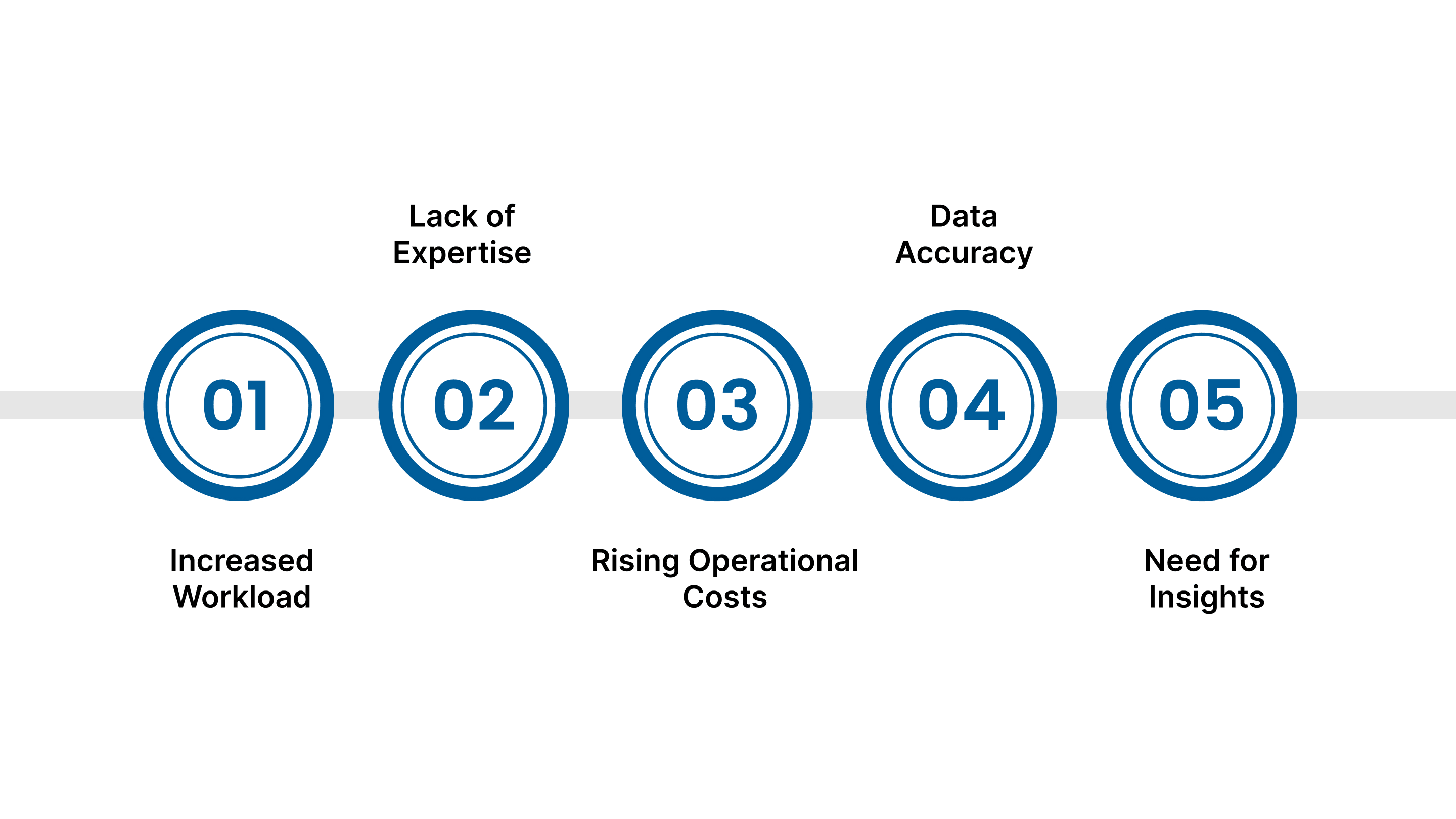
Even with the best accounting tools, managing your firm’s books internally can become challenging as operations grow. Compliance demands, increasing caseloads, and evolving tax regulations often make it hard to maintain accuracy and timely reporting. Outsourcing your law firm's bookkeeping offers a practical solution, giving you access to specialized professionals while retaining control over your finances.
Here are five key indicators that outsourcing might be the right choice for your firm:
If partners or staff spend significant hours on bookkeeping rather than client work, it affects productivity and billable time. Outsourcing allows your team to focus on legal services while accountants handle reconciliations, trust accounting, and reporting efficiently.
Law firm bookkeeping involves managing IOLTA accounts, client retainers, and compliance with bar regulations. If your internal team lacks this specialized knowledge, outsourcing ensures accuracy and adherence to legal and ethical standards.
Hiring in-house accounting staff requires salaries, training, software, and ongoing compliance management. Outsourcing offers access to expert bookkeeping at a lower cost while providing scalable support as your firm grows.
Outsourced bookkeeping teams use cloud-based systems like QuickBooks and Xero to maintain accurate, real-time records. They ensure reconciliations, ledgers, and trust balances are always audit-ready, reducing the risk of compliance violations.
Professional bookkeeping provides detailed insights into revenue, expenses, and cash flow. Outsourced experts can generate financial statements and reports that help you make informed business decisions and plan for growth confidently.
Outsourcing law firm bookkeeping gives you more than administrative relief; it provides precision, compliance, and financial clarity. You maintain oversight through regular reports while professionals handle the technical work.
VJM Global offers specialized Accounting and Bookkeeping Outsourcing for U.S. law firms using cloud tools like QuickBooks, Xero, and Gusto. Our team helps your law firm reduce overheads, stay compliant, and optimize financial operations.
As a US business owner or entrepreneur, managing finances in a new market can be overwhelming, especially when you’re also focused on client work and growing your business. That’s where VJM Global comes in; our expert remote accounting and bookkeeping services are designed to support your firm as you grow and ensure financial clarity and compliance in the US.
Here’s how VJM Global can help your law firm succeed:
What sets VJM Global apart?
Outsourcing your law firm's bookkeeping to VJM Global combines professional expertise with advanced technology, ensuring your firm maintains audit-ready records, reduces operational costs, and achieves long-term financial stability. With our support, you can focus on growing your practice while trusting that your finances are managed efficiently and accurately.
Partner with VJM Global to streamline your law firm’s bookkeeping and financial management, reduce costs, and stay audit-ready.
Ideally, you should review financial statements, like income statements and balance sheets, on a monthly basis. Regular reviews help identify trends in revenue and expenses, detect inconsistencies early, and make better financial decisions before issues escalate.
Bookkeeping focuses on recording and organizing daily financial transactions such as payments, retainers, and expenses. Accounting goes a step further by analyzing that data to prepare financial reports, file taxes, and guide strategic financial planning.
Small firms can maintain accuracy by using legal-specific accounting software, scheduling weekly reconciliations, and documenting every transaction immediately. Outsourcing to a bookkeeping specialist is also a cost-effective way to maintain compliance without adding internal workload.
Yes, digital records are accepted as long as they meet bar association and IRS documentation standards. You must store them securely, ensure audit trails are available, and retain them for the legally required duration (typically 7 years)