This guide is written for Australian-based U.S. taxpayers and other cross-border filers. The IRS process is federal. Any Australian or state tax effects need separate review.
We cover how to confirm an amendment is needed, gather records, complete the form, submit it, track it and avoid common errors.
Key Takeaways
- Form 1040-X corrects income, deductions, credits, dependents, filing status and tax.
- Confirm an amendment is needed, and that your original return has processed, before filing.
- Show original, net change and corrected figures, attach affected schedules and explain every change.
- Check e-file eligibility, deadlines, payments and processing times against current IRS guidance.
How to File Form 1040-X for a 2026 Tax Amendment
Step 1: Confirm the amendment and gather the original records
Pull together the return as originally filed (1040, 1040-SR or 1040-NR) and any IRS adjustment notice. Add the documents supporting the correction:
- Corrected W-2s, 1099s or other income statements
- Deduction and credit records
- Dependent information
- Payment records
Step 2: Select the correct tax year and complete Form 1040-X
Download the form and instructions for the year you are amending. The current revision is December 2025.
- Column A: original figures, or figures already adjusted by the IRS
- Column B: the net increase or decrease
- Column C: the corrected amount
Recalculate the return, then explain each change in Part II, Explanation of Changes. Part I covers dependents. Paper 1040-NR amendments skip Part I and explain in Part II.
Step 3: Attach revised forms and check the tax consequences
Attach a completed, updated Form 1040, 1040-SR or 1040-NR for the amended year. Add every new or changed schedule and form, in attachment-sequence order for paper filings. Don't attach the original return unless required.
Then check whether the change creates a balance due, alters a refund, or triggers interest or penalties. Also flag any US state return and any Australian tax implications with the ATO. Don't attach a US state return to the federal amendment.
Step 4: Submit the amendment and retain proof
E-file only works for the current year and two prior years, through participating software. Older years are paper-only. Paper filers need handwritten signatures, with both spouses signing a joint return.
Amendments with a foreign address go to the Department of the Treasury, Internal Revenue Service, Austin, TX 73301-0215. Keep a full copy of the package plus your acceptance or mailing evidence.

When Should You File Form 1040-X and What Do You Need First?
File Form 1040-X when the original return contains an error or omission affecting income, deductions, credits, dependents, filing status, tax, refund or balance due.
You usually don't need to amend when:
- The IRS corrects a maths or processing error itself
- The IRS separately requests a missing form or schedule
- You're responding to a CP2000-type notice you can resolve through the notice reply
Refund seekers should not file before the original return has processed.
Refund deadlines
The general rule under IRC section 6511 is 3 years from filing the original return or 2 years from paying the tax, whichever is later. Exceptions matter for cross-border filers:
- Foreign tax credit: generally 10 years from the prescribed due date
- Bad debt or worthless securities: generally 7 years
- Disaster relief and financial disability: deadlines can be postponed or suspended
Filing deadline and refund lookback are separate tests. The automatic two-month overseas extension does not create a "June plus 3 years" amendment deadline.
What you need before you file
Start with the correct-year Form 1040-X and instructions, a reliable copy of the original return, and either IRS-compatible software or the paper process. Store copies securely.
You will also need:
- Corrected W-2s, 1099s and revised schedules
- Proof for deductions or credits
- IRS notices and payment records
- Figures needed to recalculate federal tax
Protect your SSN, ITIN and bank details. Consider an IRS Identity Protection PIN, and share it only with your preparer at signing. Verify every figure against source records.
Get professional help for foreign income, treaty questions, multiple jurisdictions, business income or complex credits. Paid preparers need a valid PTIN. Enrolled Agents, CPAs and attorneys have unlimited IRS representation rights.
Key Parameters That Affect a 2026 Form 1040-X Amendment
A reliable 1040-X turns on four controls: tax year, source figures, filing method, and how you handle any payment, refund or cross-border effect.
Tax year and filing deadline
Distinguish an amendment filed during 2026 from one for tax year 2026. Verify the form version, original filing date, payment date and any extension. The wrong year or a missed refund window means rejection, delay or a lost refund.

Original return and IRS adjustments
Base the amendment on the return as originally filed or as last adjusted by the IRS, not on a draft or estimate. Filing while the original or a prior amendment is unresolved creates inconsistent figures and delays.
Electronic versus paper filing
E-file availability depends on tax year, software and return type. A prior-year return originally filed on paper in the current processing year must also be amended on paper. Electronic filing gives faster confirmation. Paper demands careful assembly, signatures and proof of delivery.
Corrected amounts, payment, refund and cross-border effects
The amendment may change federal tax, interest, penalties and state obligations. It may also change how income is reported for Australian purposes.
- Pay additional tax promptly, electronically where possible
- Leave interest and penalties to the IRS; do not add your own figures
- Expect daily compounding interest; 2026 individual underpayment rates were 7%, 6%, 7% and 7% by quarter
- Attach Forms 2555 or 1116 when the amendment affects foreign earned income or credits
- Apply the U.S.–Australia treaty saving clause and Article 22 double-tax relief where citizenship taxation still applies

Get separate Australian tax advice where the federal change affects your Australian reporting.
Common Mistakes, Troubleshooting, and Alternatives to Filing Form 1040-X
Common mistakes
- Using the wrong tax-year form
- Amending before the original return has processed
- Entering corrected figures without original and net change
- Skipping the Part II explanation
- Omitting affected schedules, or the updated Form 1040
- Missing a payment when tax is owed
- Assuming a federal amendment changes a US state or Australian return
Before sending, compare the amendment with the original, check arithmetic and signs, verify taxpayer ID details and keep a full copy.
Troubleshooting
Not showing in tracking. Status becomes available about 3 weeks after submission, covering the current year and three prior years. Amendments with a foreign address can't be tracked online, so keep your mailing proof.
IRS asks for clarification. Compare against the original, read the notice and send only the requested correction through the channel named in the notice.
Refund or balance differs from your figure. Review IRS adjustments, interest, penalties, payment history and US state or foreign-tax effects before calling.
Alternatives to filing yourself
- IRS tools and instructions: suit straightforward corrections, but you own the calculations, attachments and jurisdictional effects.
- Tax software: helpful if it imports the original return. Verify older-year availability and check every generated form.
- Qualified tax professional: best for foreign tax credits, filing-status changes, large amendments, IRS notices or uncertain deadlines. VJM Global prepares U.S. individual returns (Forms 1040 and 1040-NR) and supports cross-border taxpayers with U.S.-compliant tax work.
Conclusion
Form 1040-X works best when you confirm an amendment is necessary, use the correct tax-year form and support every change with accurate records. Most avoidable problems come from incomplete preparation, wrong original-versus-corrected figures, missing schedules or ignored deadline rules.
If you have U.S.-Australia tax issues, foreign income or IRS notices, get qualified review before you submit.
Frequently Asked Questions
Can I amend a tax return from 5 years ago?
Possibly. A refund claim generally must be filed within 3 years of the original filing or 2 years of payment, with exceptions such as the 10-year foreign tax credit rule. Verify the limits for your specific year.
Can I electronically file a 2019 tax return?
Electronic filing of a 2019 Form 1040-X isn't available now, since e-file covers only the current and two prior periods. Check current IRS and software guidance for an original 2019 return.
What is a 1040X amended return?
It's the Amended U.S. Individual Income Tax Return. It corrects a filed federal return, including income, deductions, credits, dependents, filing status, tax, refund or balance due.
How long does it take the IRS to process Form 1040-X?
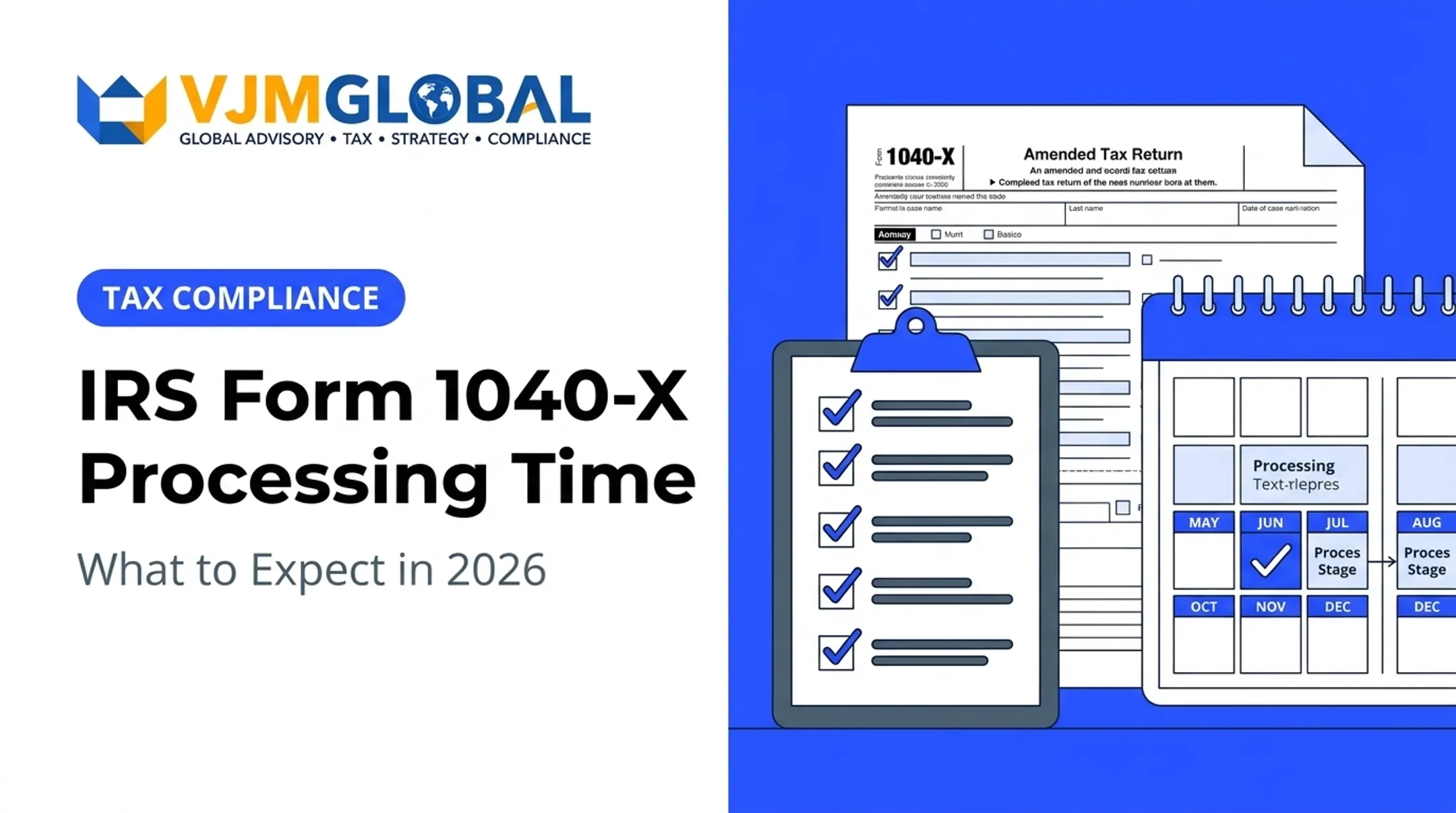
The IRS says 8 to 12 weeks, sometimes up to 16 weeks. The National Taxpayer Advocate reported an average of 157 days for FY2025. Use Where's My Amended Return? after 3 weeks if you do not have a foreign address.
Do I need to amend my state tax return after filing Form 1040-X?
It depends on the state and the change. A federal amendment can affect your state return; California, for example, requires reporting within 6 months of a final federal determination. Check your state tax authority.