The confusion starts with the word "deduction." A payroll deduction changes the cash you receive. A tax deduction is a separate claim that reduces taxable income on your return. They are not the same thing, and mixing them up leads to wrong assumptions about tax savings.
This guide covers practical examples, benefits and limits, how pre-tax arrangements differ, Australian employer obligations, and checklists for employees and employers.
Key Takeaways
- After-tax deductions come out of pay after PAYG withholding and don't reduce taxable wages that cycle.
- Examples include union fees, authorised repayments, and court-ordered amounts; each has its own rules.
- Salary sacrifice is pre-tax and has different tax and reporting outcomes.
- Employers need valid authority, clear payslips, and records.
What Are After-Tax Deductions in Australia?
"After-tax deduction" is a payroll description, not a Fair Work Act category. The Fair Work materials require payslips to show gross and net pay, but they don't define the phrase. Treat it as shorthand for an amount taken from pay once PAYG has been calculated.
The terms line up like this:
- Gross pay: Fair Work defines it as total earnings before tax and other deductions.
- PAYG withholding: tax the employer withholds and pays to the ATO.
- Net pay: what's left after PAYG and other deductions, which is your take-home pay.
Voluntary vs compulsory
The two types differ in how they are authorised:
- Voluntary: Need written authorisation from the employee and must be principally for the employee's benefit
- Compulsory: Made under a law, court order, modern award, enterprise agreement or Fair Work Commission order
Authority requirements differ between the two.
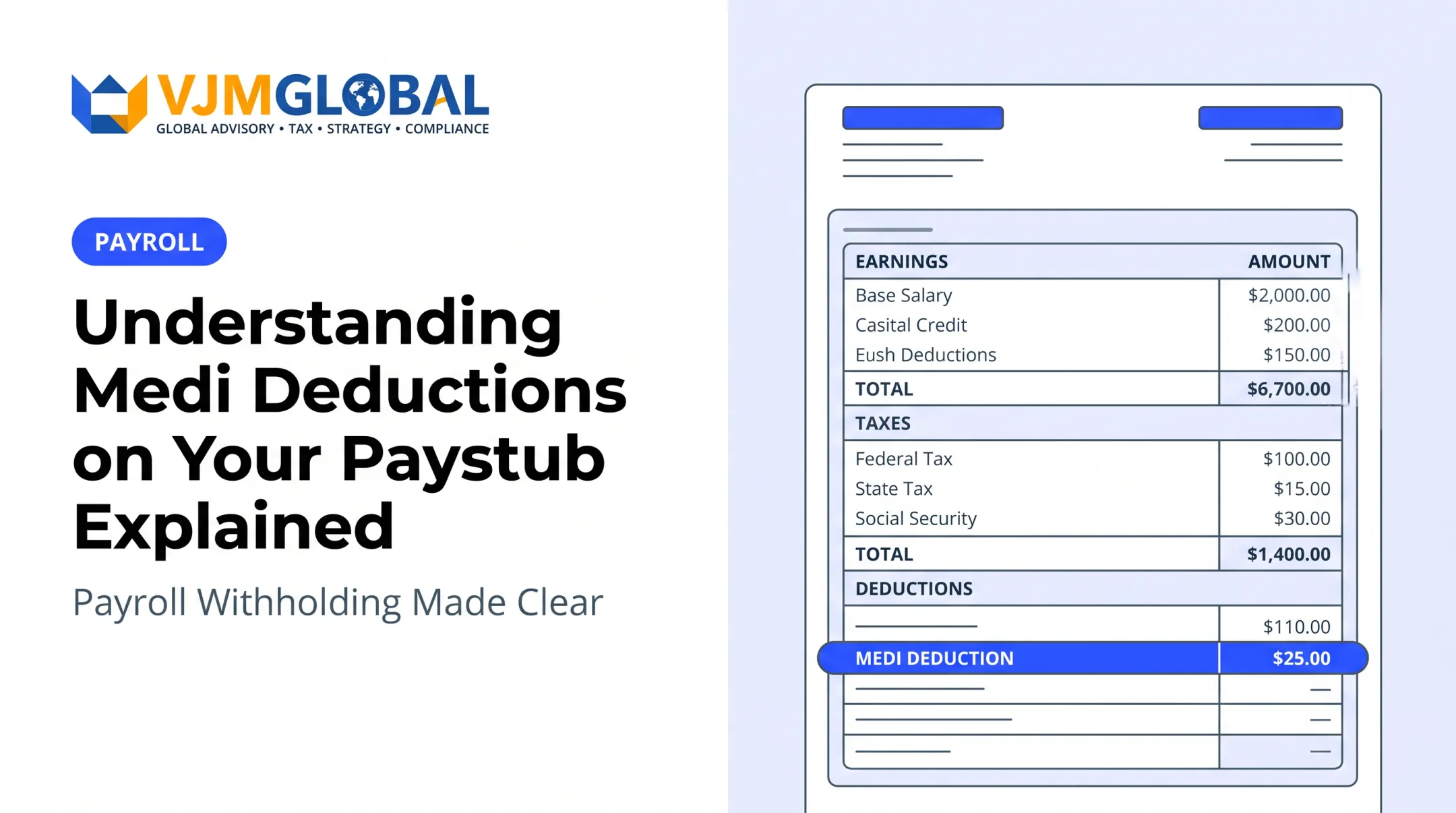
A simple payslip example
These figures are illustrative only, not real rates or thresholds.
| Line | Amount |
|---|---|
| Gross earnings | $2,000 |
| PAYG withheld | $400 |
| After-tax deduction (union fees) | $20 |
| Net pay | $1,580 |
The deduction doesn't change the $400 of PAYG. Take-home pay still falls by $20, even if the deduction buys something useful, such as representation, a repayment facility or insurance. That's the trade-off: a benefit now, less cash in hand.

Common After-Tax Deductions and Their Benefits
Examples of after-tax payroll deductions
Treatment varies by item, so don't assume from the name alone.
- Union or association fees: the Fair Work Ombudsman lists these as examples of employee-authorised deductions. The fees may also be claimable on your return where they relate to your work, and the organisation usually provides a fee statement.
- Workplace giving: the employee picks a deductible gift recipient and amount, and the employer may reduce PAYG withheld. So it isn't purely post-tax, and the employee still claims the donation in their tax return.
- Insurance premiums: no blanket payroll authority applies, so the employer needs a permitted route such as valid written authority. Only premiums for loss of employment income qualify; life and trauma premiums don't.
- Loan or advance repayments: these need a permitted basis too. Recovering them through payroll isn't a tax deduction.
- Personal super contributions: paid from after-tax money, these are non-concessional unless the member lodges a notice of intent, gets the fund's acknowledgement, and claims a deduction.
- Court or government orders: child support notices are one example. Employers must comply, and employees can't cancel them like voluntary items. These rank ahead of voluntary super, health fund and loan repayments.
Items to be careful about calling "after-tax" include workplace giving and anything super-related. Check current ATO and Fair Work guidance and the plan documents.
Benefits and limitations
These deductions are convenient for employees and employers, yet they come with clear trade-offs.
Benefits:
- Convenient, automatic payment
- Budgeting support through structured repayment
- Access to workplace arrangements
- Consistent processing and transparent records for employers
Limitations:
- Not automatically a tax saving. Any later tax treatment depends on the payment type, recipient, documentation and legal structure.
- Net pay drops immediately, which affects cash flow.
- Unauthorised or incorrect deductions create disputes. Employers can face penalties when deductions are unlawful.
In a case published in September 2025, the Fair Work Ombudsman reported $48,500 in penalties and $18,331 unlawfully deducted from 66 workers. The conduct dated from 2021-22.

After-Tax vs Pre-Tax Deductions
How they differ
| After-tax | Pre-tax (salary sacrifice) | |
|---|---|---|
| When taken | After PAYG is calculated | Before tax, from pre-tax salary |
| Effect on taxable pay | None that pay cycle | May reduce it |
| Typical record | Written authority or order | Written agreement made before the work is done |
Salary sacrifice swaps future salary for a benefit. For super, the sacrificed amount is an employer contribution, isn't subject to PAYG withholding, and the employer must still pay full Super Guarantee as if there were no sacrifice.
Salary already earned can't be sacrificed. Other sacrificed benefits may attract fringe benefits tax.
A personal contribution from after-tax pay is different. It's non-concessional unless a deduction is validly claimed.
Side-by-side example
Same $100 contribution to super per pay, illustrative only:
- Salary sacrifice: $100 goes to super as an employer contribution before tax. Taxable pay is lower by that amount, and it counts toward the concessional cap.
- After-tax personal contribution: $100 leaves net pay. It counts toward the non-concessional cap unless a deduction is claimed later.
Neither is universally better. For 2026-27 the ATO contributions caps are $32,500 concessional and $130,000 non-concessional.
A decision framework
- Identify the benefit you want funded from pay.
- Confirm you and the employer meet eligibility rules.
- Check the tax treatment with the ATO for that arrangement.
- Obtain or review the written authority or agreement before pay runs.
- Weigh the effect on current cash flow and future finances.

Australian Rules and Payroll Compliance
Authorisation and permitted deductions
Section 324 of the Fair Work Act allows a deduction on four bases:
- The employee's written authorisation, principally for their benefit
- An enterprise agreement
- A modern award or Fair Work Commission order
- A law or court order
Written authorisation must specify the amount or how it's calculated. The employee can withdraw it in writing, and a specified amount can't be changed without new written authority.
The 2023 regulations also prescribe particulars such as purpose, date and recipient. Vague, general consent is risky.
Section 325 prohibits unreasonable requirements to spend money for the employer's benefit. Court orders and government directions follow their own notices and shouldn't be handled like ordinary voluntary items.
Payroll records and payslips
Payslips go out within one working day of payday. They must show gross and net pay and each deduction's amount and destination. Employers keep wage records for seven years, including authorisations, changes, remittances and supporting orders.
Reconcile what you deducted with what you paid the recipient, and fix errors quickly. From 1 July 2026, Super Guarantee is payable each payday under Payday Super, and salary-sacrifice reporting under Single Touch Payroll has been updated.

Compliance support
VJM Global provides accounting outsourcing to Australian businesses, including bookkeeping, payroll processing and tax compliance when deductions sit inside a broader payroll and reporting process.

This article is general information, not individual tax, payroll or legal advice. Check current ATO and Fair Work Ombudsman guidance.
Practical Checklist for Employees and Employers
For employees
- Identify every deduction on your payslip
- Confirm each was authorised or ordered
- Check the amount and recipient
- Ask payroll about unexpected changes, and follow up by email
For employers
- Document the arrangement
- Get the correct written authority
- Configure payroll and show the deduction accurately
- Remit on time
- Review when circumstances change
Warning signs
Get professional advice if you see:
- An unexplained deduction
- Missing authority
- Inconsistent treatment between pay cycles
- Uncertainty about salary sacrifice or super
- A deduction that may breach workplace rules
Frequently Asked Questions
What does "after tax deductions" mean?
It's an amount taken from pay after PAYG withholding, reducing take-home pay. It's different from a tax deduction claimed on your income tax return.
What are some after tax deductions?
Examples include union fees, authorised loan repayments, insurance premiums and personal super contributions. Authorisation and tax treatment differ for each.
How can I maximise my pre-tax deductions?
Don't maximise indiscriminately. Weigh eligible salary sacrifice against cash flow, future tax treatment, super caps and employer documentation.
What are the big three itemized deductions?
"Itemized deductions" is US terminology. Australian returns instead claim work-related expenses, with a standard deduction of up to $1,000 from 1 July 2026 for eligible taxpayers.
Can an employer make an after-tax deduction without an employee's consent in Australia?
Only where a law, court order, award, agreement or Fair Work Commission order allows it. Voluntary deductions generally need valid written authority.
Are after-tax deductions tax deductible on an Australian tax return?
Not automatically. It depends on the underlying expense, eligibility, records and current ATO rules.