%20(1)%20(1).webp)
For U.S. CPA firms, 2025 brings sharper cost pressures, tighter deadlines, and rising compliance demands. Offshore accounting is no longer just a back-office option; it is a strategic lever to stay competitive.
By tapping into skilled offshore teams, firms cut recruitment and training costs while ensuring work is delivered on time and aligned with U.S. standards. Offshore support also frees in-house staff to focus on advisory services and client growth instead of routine tasks.
Busy audit periods and complex reporting can strain CPA firms. The right offshore partner helps ease pressure, ensuring smoother operations, reliable compliance, and room to grow.
Offshore accounting refers to the practice of delegating accounting tasks to qualified professionals located outside the United States. For CPA firms, it means gaining access to skilled teams that can manage:
Unlike general outsourcing, which often involves domestic providers, offshore accounting specifically utilizes international teams. This distinction is critical for U.S. CPA firms seeking not just cost savings but also efficiency gains.
With offshore accounting, firms benefit from extended service hours, consistent adherence to U.S. standards, and the ability to meet client deadlines with greater confidence.
Understanding what offshore accounting is lays the foundation for why it has become more critical than ever for CPA firms in today’s environment.
Also Read: Financial Reporting Best Practices Guide
CPA firms are entering 2025 with mounting pressure from every direction. Rising salaries, ongoing staff shortages, and complex compliance requirements are straining internal teams. Offshore accounting is no longer a nice-to-have; it is becoming a core strategy for firms that want to stay profitable, meet client expectations, and remain audit-ready.
To see why offshore support matters now more than ever, it’s important to first look at the challenges CPA firms are facing:
These pressures are reshaping how CPA firms operate. Offshore support provides a practical way to:
In essence, offshore accounting equips CPA firms to tackle 2025’s most formidable challenges while positioning them for sustainable growth, and knowing why offshore support matters sets the stage to explore the concrete advantages it delivers in practice.
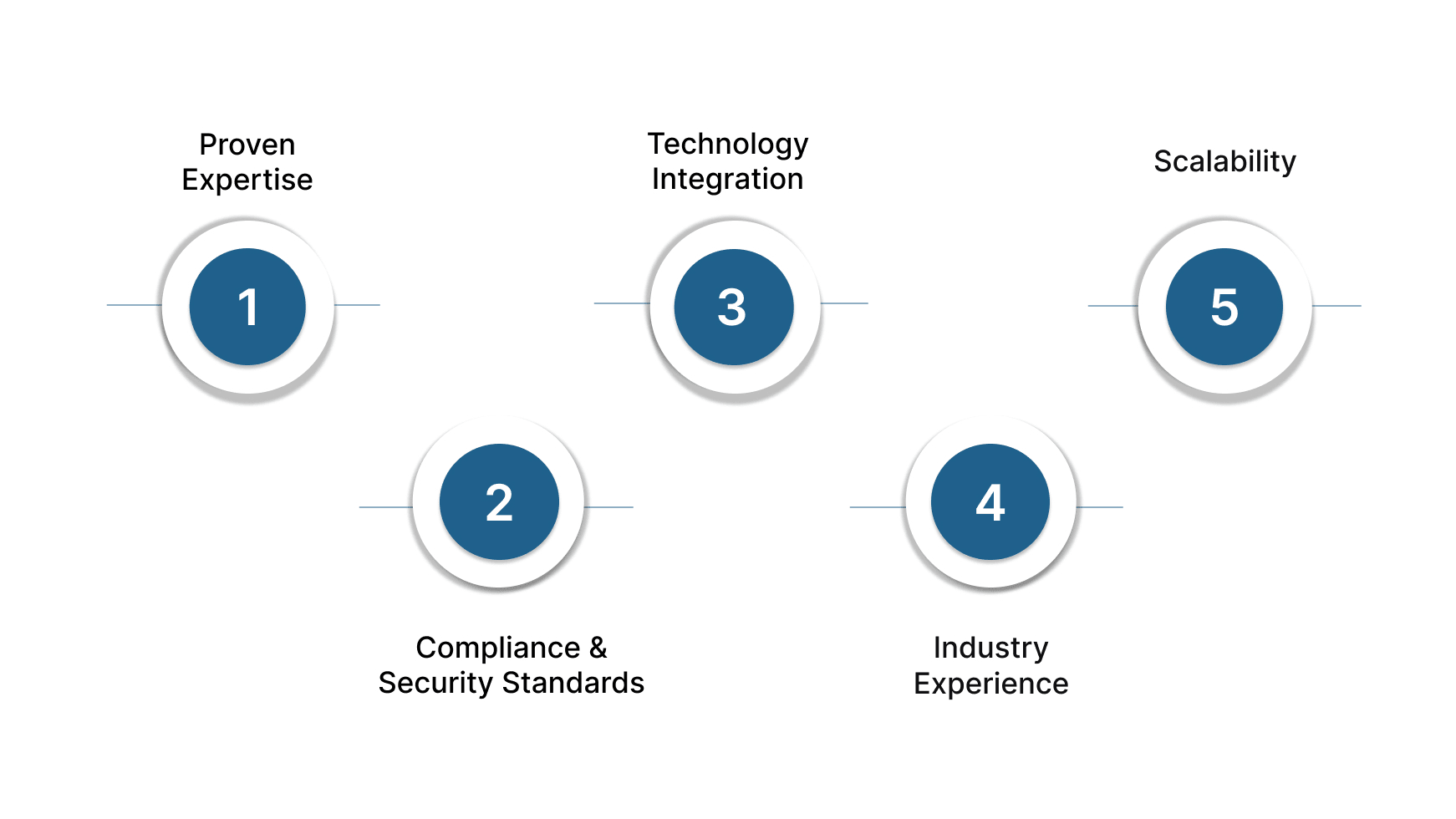
The heart of offshore accounting lies in the measurable advantages it brings to CPA firms. Beyond cost savings, it reshapes how firms manage time, deliver quality, and pursue growth. By strategically shifting resource-heavy tasks offshore, CPA firms gain the bandwidth to meet rising client demands while reinforcing compliance and profitability.
Building and maintaining in-house teams is expensive. Recruitment, salaries, benefits, and continuous training all eat into margins. Offshore accounting changes that equation by providing access to skilled professionals without the same overhead.
This financial flexibility allows CPA firms to stay competitive even in a market where talent and compliance costs are escalating.
Time has become a firm’s most valuable asset. Offshore support allows CPA practices to accelerate turnaround and meet tight deadlines without overburdening in-house teams.
Offshore professionals take on routine audit and accounting work so local staff can dedicate more energy to advisory services and complex analysis. In addition, time zone differences provide a round-the-clock work cycle. When U.S. offices close, offshore teams keep moving projects forward.
The result is not just faster reporting but also the ability to deliver to clients ahead of schedule, an edge that strengthens client loyalty.
Concerns about quality are natural, but offshore providers equipped with U.S. GAAP knowledge and audit tools deliver consistently high standards. Offshore teams follow U.S. compliance frameworks and use advanced technology to ensure accuracy in reporting and documentation.
For CPA firms, this means fewer last-minute adjustments, stronger audit readiness, and reduced risk of compliance issues. By pairing internal oversight with offshore execution, firms build a robust system of checks and balances that improves both accuracy and efficiency.
The greatest long-term benefit of offshore accounting is the freedom it gives CPA firms to focus on what truly drives growth. By offloading time-consuming tasks, in-house professionals can concentrate on:
This transition from transactional work to strategic client support not only enhances the firm’s reputation but also increases its profitability. Understanding the benefits is essential, but so is recognizing and addressing the challenges firms often worry about.
Stay ahead of rising costs and talent gaps with VJM Global’s offshore accounting support. Strengthen efficiency and profitability before challenges impact your firm.
Also Read: Understanding ASC 805 Valuations for Business Combinations
Even with clear advantages, CPA firms often pause to consider potential challenges before adopting offshore accounting. Addressing these points directly helps firms move forward with confidence, especially when working with the right partner.
A frequent concern is whether offshore work will match the standards of in-house teams. In practice, offshore professionals trained in U.S. GAAP and audit procedures consistently deliver reliable results. Leading firms also run rigorous review cycles that mirror internal processes and ensure accuracy and compliance at every stage.
Protecting sensitive client information is non-negotiable for CPA firms. The reality is that top offshore providers operate within strict data privacy frameworks, using encryption, access controls, and regular audits to safeguard information. Many align directly with U.S. compliance requirements, giving firms the assurance that client trust is never compromised.
Distance can raise questions about coordination, yet today’s cloud platforms and collaboration tools have largely removed this barrier. Leading firms schedule regular check-ins, share real-time updates, and use secure platforms to manage documents and workflows. The result is a smooth process that often feels no different from working with in-house colleagues.
Another consideration is how clients might view offshore support. Firms that address this openly often find that clients appreciate the efficiency, faster turnaround, and consistent quality that offshore support enables. By presenting it as a way to deliver higher value, firms strengthen client relationships rather than risk them.
When managed with proper safeguards, these concerns become opportunities to demonstrate to clients the reliability and professionalism of offshore accounting. By resolving these considerations, CPA firms can clearly see the types of tasks that can be handled more efficiently offshore.
Addressing these concerns upfront clears the path for CPA firms to explore which specific tasks can be confidently delegated offshore.
[Infographic Prompt : Essential Accounting Tasks to Offshore for Maximum Impact]
Not every accounting function needs to stay in-house. By identifying the right tasks to offshore, CPA firms can free up local teams for high-value work while ensuring accuracy and compliance. Offshore teams are well equipped to manage routine yet essential processes that consume time and resources.
Understanding what work can be delegated offshore naturally raises the question of how to find a provider who can meet U.S. compliance and quality expectations.
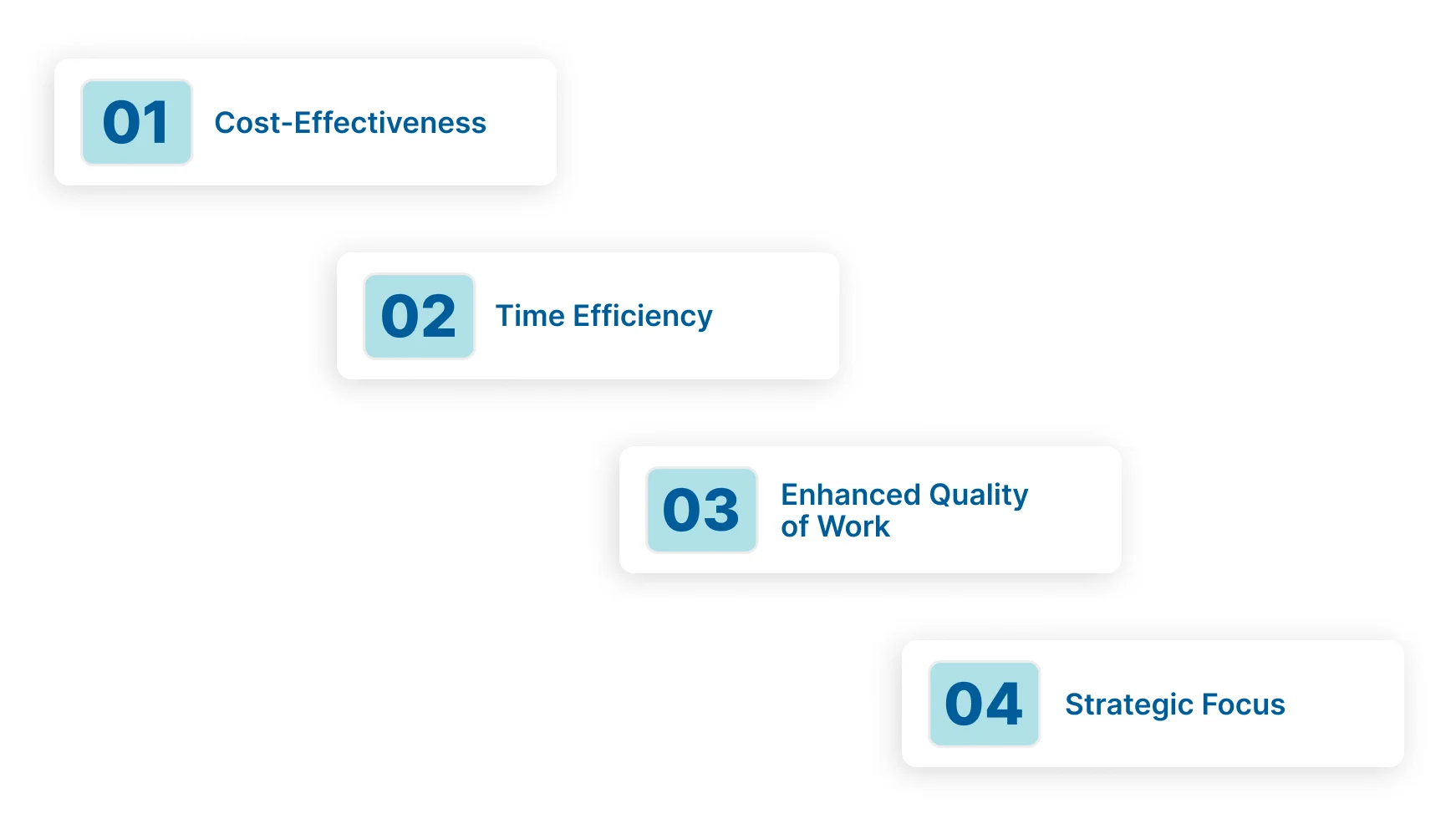
Selecting the right offshore partner is just as important as deciding to offshore in the first place. The wrong choice can add risk, but the right partner becomes a seamless extension of the firm. CPA practices should focus on a few essential criteria to ensure long-term success.
The right offshore partner will reduce costs and improve compliance, security, and productivity, allowing CPA firms to focus more on advisory and client growth.
For U.S. CPA firms, success with offshore accounting depends on choosing a partner that combines technical expertise with a deep understanding of compliance. VJM Global is built to serve this exact need, providing end-to-end support tailored to the realities of U.S. practices.
VJM Global enables U.S. CPA firms to reduce costs, maintain compliance, and scale confidently with offshore teams that serve as valid extensions of their practices. With proven expertise, strong security frameworks, and flexible engagement models, VJM Global transforms offshore accounting from a cost-saving tactic into a strategic advantage.
Offshore accounting services involve delegating tasks such as bookkeeping, tax preparation, and audit support to qualified teams outside the United States, ensuring that the work meets U.S. compliance standards.
Yes. Trusted providers follow strict data privacy regulations, use encryption, and run regular security audits to protect sensitive financial information.
They reduce expenses tied to recruitment, salaries, and training. Firms gain access to skilled professionals at lower costs, preserving margins without sacrificing quality.
Commonly offshored tasks include bookkeeping, payroll, accounts payable/receivable, tax preparation, compliance reporting, and audit documentation.
A phased roadmap allows smooth adoption. Assessment and planning typically take 1-2 months, followed by a 2-3 month pilot phase, with full rollout completed in 3-6 months.