Introduction: Filing Form 1040 When You Are Incarcerated
Prison doesn't pause your tax obligations. If you earned wages before sentencing, hold investments, or receive retirement income, the IRS may still expect a return. Whether you must file depends on income, age, filing status and other facts.
Form 1040 is the U.S. federal individual income tax return, filed with the IRS. It is separate from an Australian tax return. Anyone with cross-border residence, income or citizenship issues should get professional advice on both systems.
This guide covers whether you need to file, which documents to gather, how to complete the form, what a spouse or representative can do, how prison pay is treated, and how to avoid identity and signing problems.
Key Takeaways
- Incarceration alone doesn't remove the duty to file Form 1040; income and filing rules decide it.
- A spouse or relative can gather paperwork, but signing, e-filing and IRS representation need separate authority.
- Prison pay is generally reportable income but doesn't count as earned income for the EITC.
- Start early: prison mail, missing documents and signatures cause most delays.
Do Inmates Need to File Form 1040?
The IRS has no blanket exemption for incarcerated people. The IRS Reentry Council states that incarceration doesn't change the obligation to file and pay. The 2025 Form 1040 instructions say to report income unless the law exempts it.
2025 Gross-Income Thresholds
These apply to most taxpayers who aren't dependants:
| Filing status | Must file if gross income reaches |
|---|---|
| Single | $15,750 ($17,750 if 65+) |
| Married filing jointly | $31,500 (both under 65); $33,100 (one 65+); $34,700 (both 65+) |
| Married filing separately | $5, any age |
| Head of household | $23,625 ($25,625 if 65+) |
| Qualifying surviving spouse | $31,500 ($33,100 if 65+) |
Dependants follow a separate test (Chart B in the instructions). Net self-employment earnings of $400 or more also trigger filing.
Income That Can Trigger Filing
- Wages earned before incarceration (Form W-2)
- Interest, dividends and investment gains
- Retirement and unemployment income
- Self-employment income
- Work-release or prison pay
Filing Below the Threshold
File anyway if you had federal tax withheld, made estimated payments, or qualify for a refundable credit. Without a return, that money stays with the IRS.
Filing Status
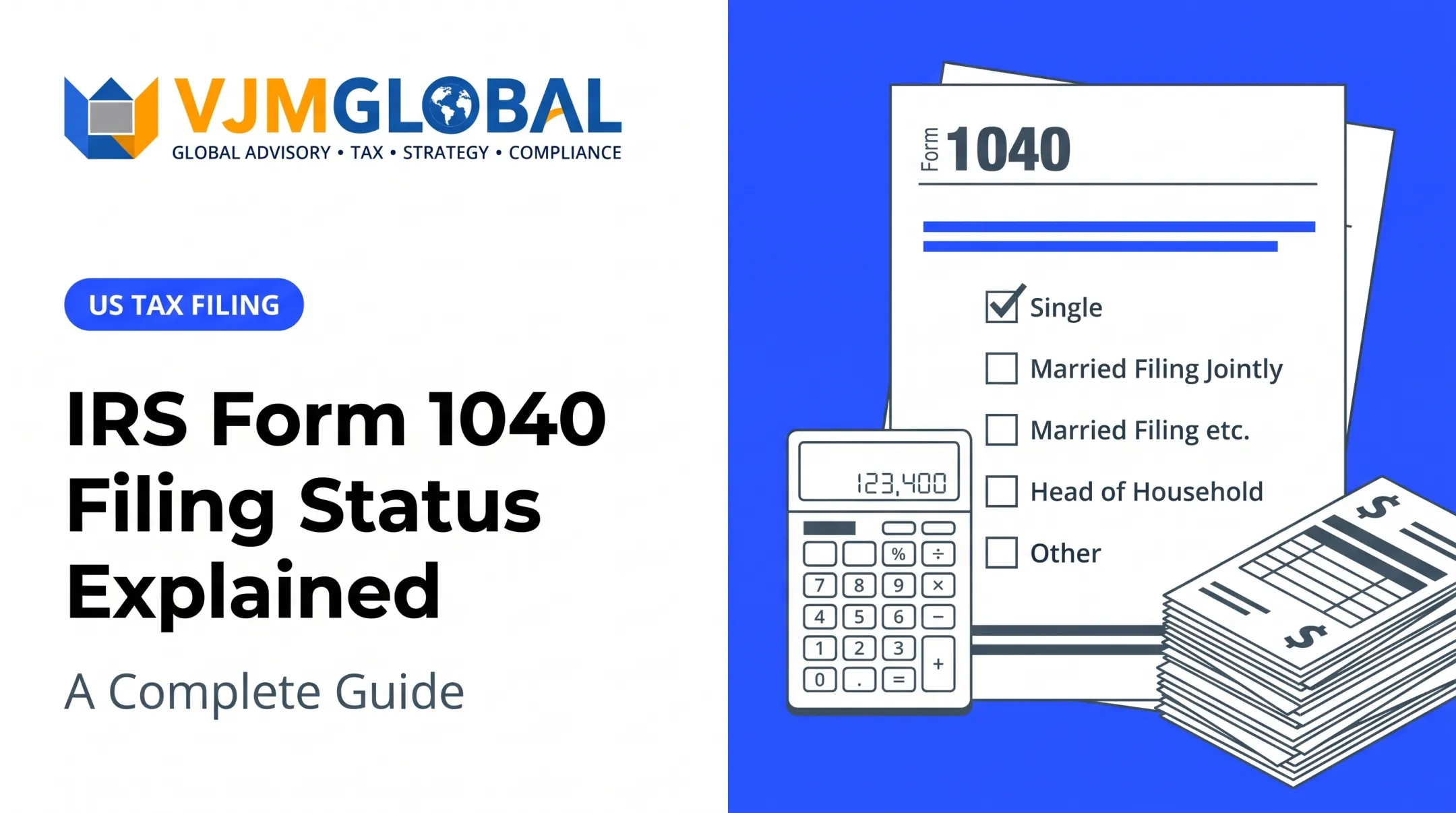
Married filing jointly requires a legal marriage. A state-recognised common-law marriage counts. A registered domestic partnership or civil union that isn't a marriage does not. Sharing finances or a long relationship doesn't change this.
State Returns
Check your state separately. Residency, where the income was earned and state rules all matter, and federal and state obligations aren't always the same. The Federation of Tax Administrators lists state tax agencies.
How to Prepare and File an Inmate's Form 1040
Set the Calendar
Use the correct tax year's instructions. Most 2025 returns were due 15 April 2026. Form 4868, filed by the original due date, extends the filing deadline by six months, but not the time to pay. Interest and penalties accrue on unpaid tax.
Build in time for prison mail, document requests and signature rounds. If a deadline has passed, file as soon as you can. The failure-to-file penalty is generally 5% of unpaid tax per month, up to 25%.

Document Checklist
- Social Security number or ITIN and ID details
- Prior-year return
- Forms W-2 and 1099
- Interest, dividend and retirement statements
- Self-employment records
- Withholding and estimated-payment records
- Dependant details and state tax documents
Getting Missing Records
Ask former employers for duplicate W-2s. Check prison trust-account records and any files held by family.
You can also order IRS transcripts, which show reported income:
- Online via an IRS account (Login.gov or ID.me verification)
- By phone at +1 800-908-9946
- By mail with Form 4506-T
Mail delivery takes roughly 5 to 10 calendar days, which is workable from inside.
Completing the Return
- Report all taxable income from every source.
- Take the standard or itemised deduction.
- Claim only credits you can support with records.
- Reconcile withholding and payments against tax due.
- Attach the required schedules before you file.
Prison wages go on Schedule 1, line 8u, not line 1a. The instructions note a W-2 or 1099 may or may not be issued. Check the current-year form before relying on line numbers.

Submitting
You can file on paper by mail, or e-file through an authorised professional. E-filing needs Form 8879, signed by the taxpayer. Keep a full copy and proof of mailing or submission.
How a Spouse, Family Member, or Representative Can Help
What Anyone Can Do
Outside helpers can collect documents, coordinate logistics, organise a draft and mail forms for review. They can't sign for you without authority.
Joint Returns
Both spouses sign a joint return. A return isn't valid unsigned. Confirm joint filing suits you, then circulate the return for both signatures. Don't assume the free spouse can sign for the incarcerated one.
Form 2848 and Signing
Form 2848 names the taxpayer, representative, tax matters, years and permitted acts. It lets the representative deal with the IRS. It does not automatically allow signing the return.
Publication 947 and Treasury Regulation 1.6012-1(a)(5) allow an agent to sign only for disease or injury, 60 days of continuous absence from the U.S., or other good cause the IRS specifically approves.
Incarceration isn't listed as an automatic exception. A signing authority must be specifically stated in the power of attorney.
Form 8879 Is Not a Power of Attorney
Form 8879 authorises e-filing by an electronic return originator. The taxpayer reviews the return and signs it. Limited internet access in prison can complicate PIN or e-signature steps, so handwritten signatures by mail are often simpler.

Fiduciaries
A court-appointed guardian, conservator or executor differs from an ordinary relative. Form 56 notifies the IRS of a fiduciary relationship, with court documentation attached as proof of appointment.
Privacy
- Use approved prison mail and facility procedures
- Share Social Security numbers and financial records only as needed
- Verify anyone claiming to act for the taxpayer
- Allow extra time for mail inspection
Special Tax Rules for Incarcerated Taxpayers
Prison Pay
Amounts earned for services while incarcerated are reportable on Schedule 1, line 8u. They aren't tax-exempt just because no W-2 arrived. This applies to work-release pay too, and you should check non-cash compensation against the current instructions.
Credits and Retirement Contributions
Publication 596 excludes pay for services performed while an inmate from earned income for the EITC. IRS Chief Counsel guidance (SCA 1998-049) treats work-release and halfway-house work the same way. The refundable additional Child Tax Credit also draws on that earned-income definition. Wages earned before incarceration, or by a non-incarcerated spouse, are assessed separately.
For IRAs, the 2025 limit is the lesser of $7,000 ($8,000 if 50+) or taxable compensation. IRS guidance does not clearly say whether prison pay counts as compensation, so confirm with a tax professional.

Dependents
Credits for a qualifying child require the child to have lived with you in the U.S. for more than half the year. Publication 596 gives juvenile detention as a temporary-absence example but doesn't classify adult incarceration. Review support and residency facts carefully.
Unfiled Prior Years
Treat each year separately. Generally, refunds must be claimed within three years of the original filing date or two years of payment. Long-term payment plans are generally available online when tax, penalties and interest total $50,000 or less and required returns are filed.
Prevent Errors, Protect Information, and Get Help
Final Review Checklist
- Match every income document to the return
- Compare with the prior-year filing
- Confirm filing status and dependant claims
- Verify bank and refund details
- Check signatures and authorisations
- Keep proof of mailing or e-filing
Risks to Avoid
Prisoner refund fraud has drawn heavy IRS scrutiny. The Treasury Inspector General for Tax Administration (TIGTA) reported 8,486 fraudulent prisoner returns in 2017, claiming over $370 million.

Avoid these practices:
- Fictitious income
- Unsupported deductions
- Forged powers of attorney
- Signing a return you haven't read
Identity theft is a further risk. An IRS Identity Protection PIN helps block someone else filing under your number.
Paid preparers must meet Circular 230 due-diligence rules and complete Form 8867 for credits such as the EITC.
Where to Get Help
- IRS-authorised tax professionals
- VITA or TCE free preparation sites, where available
- Low Income Taxpayer Clinics, for notices, audits and collection
- The Taxpayer Advocate Service
- Your state tax authority
VJM Global's U.S.-compliant tax professionals prepare Form 1040 returns for individuals and can coordinate documents remotely and review compliance. The firm doesn't run a dedicated inmate programme, so confirm your circumstances at the outset.
Frequently Asked Questions
Does an inmate have to file a Form 1040?
Incarceration alone doesn't decide it. Income, age, filing status, credits and the IRS rules for that tax year control the obligation.
Can a spouse or family member file taxes for someone in prison?
They can usually gather information and prepare documents. Signing, e-filing and IRS representation need the taxpayer's signature or valid authority.
Can an unmarried partner file an incarcerated person's taxes?
A partner may help with paperwork but doesn't hold a spouse's or representative's rights. Signature and authorisation requirements still apply.
Is income earned in prison taxable?
Yes, generally. Report it on Schedule 1, line 8u, per the 2025 instructions, and check current-year instructions for the correct treatment.
Does prison income qualify for the Earned Income Tax Credit?
No. Pay for services performed while an inmate is excluded from EITC earned income. Other qualifying earnings are tested separately.
Can a power of attorney sign and file an inmate's tax return?
Form 2848 covers only the authority it specifies. Signing a return is allowed only where the regulation permits and the document expressly authorises it.