Introduction
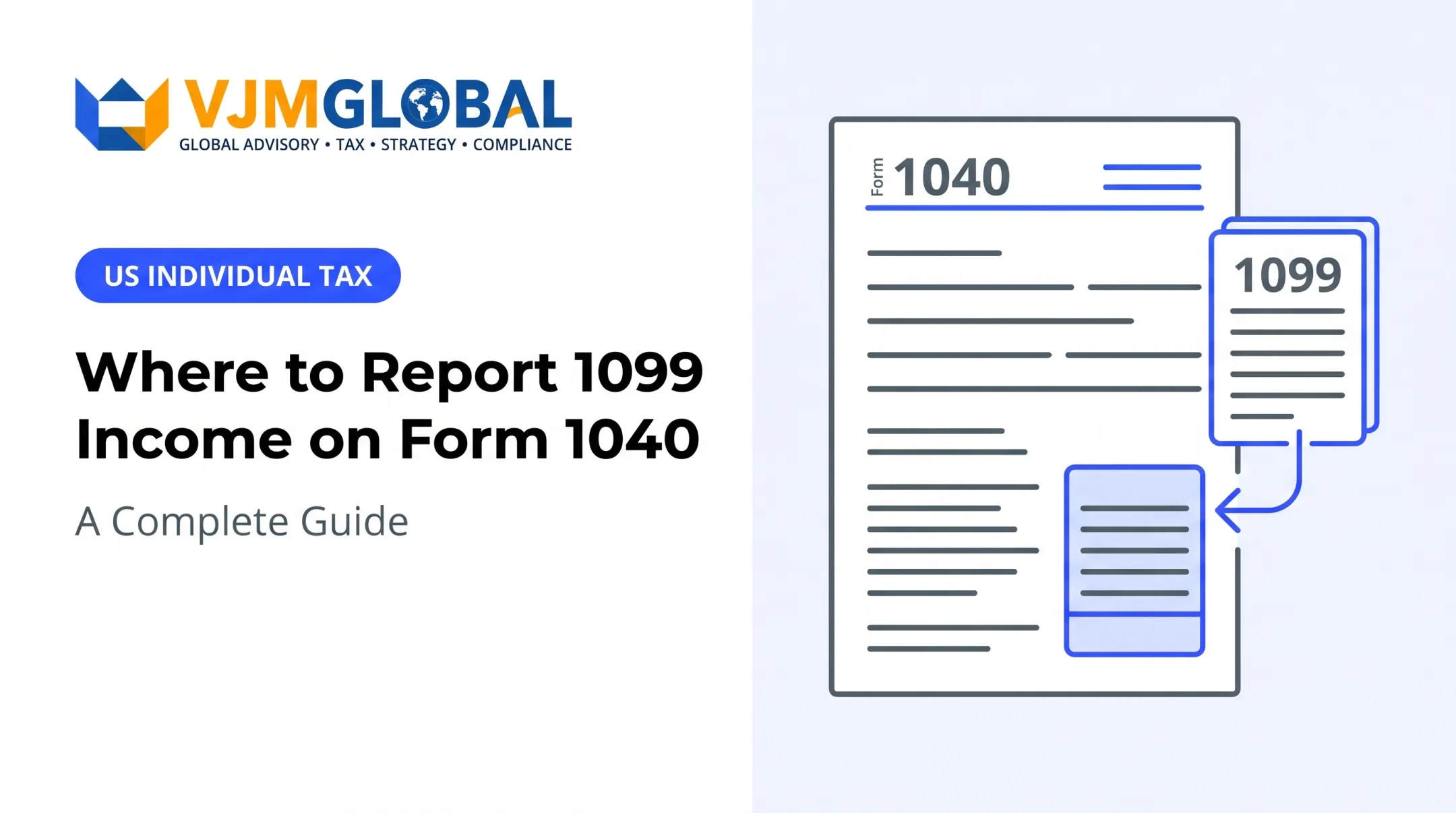
Hobby income goes on Schedule 1 of Form 1040, in the "Other income" section, and then flows to your total income. The 2025 Publication 525 points to Schedule 1, line 8j, but check the current year's form and instructions before you file, since line numbers can shift.
Many people assume a few hundred dollars from selling crafts or photos doesn't count. It does. Reporting income is one question. Deducting the costs of earning it is another, and that is where the hobby-versus-business label matters.
This guide covers where to enter the income, how to decide whether your activity is a hobby or a business, how expenses and self-employment tax work, and what records to keep.
Key Takeaways
- Taxable hobby income has no "too small to report" exemption.
- The IRS weighs all facts and circumstances, not just how much you earned.
- A for-profit business usually reports on Schedule C and can deduct ordinary and necessary expenses.
- Confirm line numbers and rules in the current-year IRS instructions before filing.
Where to Report Hobby Income on Form 1040
The filing path
Start with Form 1040 and complete Schedule 1. Hobby income, meaning income from an activity not engaged in for profit, goes in the "Other income" section.
Publication 525 for 2025 identifies this as line 8j. The 2026 draft Schedule 1 uses the same label, but drafts aren't final, so confirm against the official release before you file.
The total of other income carries to additional income on Schedule 1, then to Form 1040 and into total income. Older IRS tax tips may cite outdated line references, so don't rely on archived articles.
What amount to report
Report all gross receipts from the activity, not just what a form shows. Reconcile these sources:
- Bank statements and payment-app histories
- Sales records and invoices
- Any Forms 1099-K, 1099-NEC, or 1099-MISC
- Cash sales you logged yourself
Keep unrelated items separate. Wages, interest, investment gains, rental income, and proceeds from selling personal-use property belong in other sections.
Missing or wrong Forms 1099
The IRS says income is taxable regardless of amount or whether you received a Form 1099-K, per its Form 1099-K FAQs. A missing form doesn't make income tax-free.
Form 1099-K box 1a shows gross payments. It doesn't net out fees, refunds, shipping, or discounts, so it may overstate your actual income.
If the form has the wrong amount or taxpayer ID, ask the issuer for a corrected one. If you can't get a correction, report the amount shown and enter an offsetting adjustment so money received in error nets to zero.
Not wages
Don't enter hobby income on the wage line, even if someone paid you. Form 1040 line 1a is for Form W-2 wages. Hobby income is nonemployee, nonbusiness income and belongs on Schedule 1.
State returns may treat this differently, so check your state's rules separately.
Is It a Hobby or a Business?
The basic distinction
A hobby is pursued mainly for recreation or enjoyment. A business is run to make a profit. An activity can earn money and still be a hobby.
Calling something a "side hustle" doesn't settle it either. That label is informal, not a tax category. Depending on the facts, a side hustle may be a hobby or a sole proprietorship.
The IRS factors
Under IRC §183 and Treasury Regulation §1.183-2, the IRS looks at all facts and circumstances. No single factor decides the outcome. The regulation's nine factors group into practical questions:
- Do you run it in a businesslike way, with accurate books and records?
- Do you have expertise, or do you consult experts?
- How much time and effort do you put in?
- Do you expect assets to appreciate?
- Have you succeeded in similar activities?
- What is the history of income and losses?
- Does the activity ever turn a profit, and how large?
- Does it matter to your financial situation?
- Is the activity mainly pleasurable or recreational?
In Crile v. Commissioner (T.C. Memo. 2014-202), the Tax Court held an artist's work was for profit despite losses. Businesslike records, expertise, and time spent supported a profit motive.
The 3-of-5-year presumption
Under 26 USC §183, an activity is presumed to be for profit if it shows a profit in at least 3 of 5 consecutive years. For horse breeding, training, showing, or racing, the test is 2 of 7 years.
That rule is only a presumption, not the only route. You can still prove a profit motive with other facts.
Form 5213 lets you postpone the IRS determination while you build the history. Check the current deadlines and rules before relying on it.
Hobby vs. side hustle: an example
Someone sells a few handmade candles at a friend's market once a year for fun. That looks like a hobby.
Someone else prices candles to cover costs, runs an online shop, tracks expenses, buys ads, and adjusts products based on sales. That looks like a business, even if it loses money early on.
When classification changes
A hobby can become a business when you adopt a genuine profit motive and operate accordingly. Earning more money doesn't flip the switch automatically. Reassess each year and keep evidence supporting the position on your return.

How Hobby Income Is Taxed and What Happens to Expenses
Income tax
Taxable hobby income is included in gross income and taxed as ordinary income. There's no fixed rate. What you owe depends on filing status, taxable income, deductions, and credits.
Expenses
Hobby expenses are generally not deductible. TCJA §67(g) suspended miscellaneous itemized deductions for 2018 through 2025, and Pub. L. 119-21 (§70110) removed the sunset for years after 2025. The result: you can't deduct hobby expenses, and hobby losses can't offset other income.
Some IRS material is out of step with this. Publication 525 and a 2014 IRS tax tip still describe deducting expenses on Schedule A up to hobby income. That tip is marked archival. Verify the rule for your filing year before deducting anything.
Either way, you still report the full receipts. Non-deductible expenses don't reduce your obligation.
Schedule C comparison
| Factor | Hobby | Business (sole proprietor) |
|---|---|---|
| Reported on | Schedule 1, Other income | Schedule C |
| Expenses | Generally not deductible | Ordinary and necessary expenses deductible |
| Losses | Can't offset other income | May offset, subject to rules |
| Self-employment tax | Generally not applied | Schedule SE if net earnings reach $400 |
| Records | Income records | Full books and receipts |
Don't use Schedule C just to claim deductions. Without a real profit motive, that risks IRS scrutiny and reclassification.
Self-employment tax
Genuine business income is subject to self-employment tax. The IRS lists the 2026 rate as 15.3%, and Schedule SE applies at $400 or more in net earnings. Hobby income generally isn't subject to it. Some related income types need separate analysis, so don't assume the rule applies to every payment.

Payments and withholding
No tax is withheld on hobby payments. Adding income can create a balance due or an estimated-tax requirement.
For 2026, estimated payments are generally required if you expect to owe at least $1,000 after withholding and credits. You can often cover it by raising wage withholding instead. See Publication 505 and Form 1040-ES, especially if hobby receipts are recurring or substantial.
State and local treatment may differ.
Filing Checklist, Records, and Common Mistakes
Document checklist
- Payment-platform and bank statements
- Sales invoices and receipts
- Forms 1099 and marketplace reports
- Dates and descriptions of transactions
- A short written note on the activity's purpose and profit expectations
Keep hobby transactions apart from personal spending. The IRS generally expects you to keep records for:
- 3 years in most cases
- 6 years if you omit more than 25% of gross income
- Indefinitely if you file a fraudulent return or fail to file
Filing workflow
- Total your receipts and reconcile them to bank and platform records.
- Decide whether the activity is a hobby or a business.
- Check the current Form 1040 and Schedule 1 instructions.
- Report the income.
- Review whether you need estimated payments or higher withholding.
- Check state requirements.

Keep your calculations and supporting documents even when you e-file.
Common mistakes
- Skipping cash or payment-app income
- Reporting only the 1099 amounts
- Deducting hobby expenses as if they were business costs
- Using Schedule C without a profit motive
- Treating gross proceeds as taxable income
- Relying on outdated line references
An IRS CP2000 notice is a proposed change, not a bill. Review it, respond by the stated date, and say whether you agree. Professional help may be worth it for:
- Classification questions
- Foreign-source income
- Prior-year omissions
- Amended returns (Form 1040-X)
- IRS notices
VJM Global prepares Form 1040 returns and other federal and state filings through professionals trained in U.S. accounting and regulatory practice. The team also helps compile supporting documents and draft responses when an IRS notice arrives. That support suits taxpayers with classification questions or complex filings, though no tax outcome can be guaranteed.
Frequently Asked Questions
Where should hobby income be reported on 1040?
Report it on Schedule 1 in the "Other income" section, which flows to Form 1040 total income. Publication 525 cites line 8j, but verify the line in the current-year instructions.
Do I need to declare income from a hobby?
Yes. Taxable hobby income generally must be reported even if the activity isn't a business and you received no Form 1099.
Can I claim hobby expenses on my taxes?
Generally no. Miscellaneous itemized deductions are suspended through 2025 under current law. Confirm the rule for your filing year.
What does the IRS consider to be a hobby?
An activity pursued mainly for enjoyment rather than profit. The IRS weighs factors such as records, time, expertise, profit history, and personal motives.
What is the difference between a hobby and a side hustle?
"Side hustle" is an informal term. The IRS decides hobby versus business based on profit motive and how the activity is run.
How much can you earn from a side hustle before you have to declare it?
There's no universal small-income exemption for taxable income. Form 1099 thresholds and return-filing requirements are separate issues from whether income is reportable.