Many Australian hosts run into trouble because they follow US-focused advice about "STR loopholes", bonus depreciation or seven-day rules. None of that applies to an Australian return. This guide sticks to Australian tax treatment and current ATO guidance.
We cover how to classify your activity, separate immediate expenses from capital deductions, apportion mixed-use costs, keep evidence and check state and local obligations.
Key Takeaways
- Using Airbnb does not create a special tax category; report all rental income.
- Claim only costs connected to earning income, and apportion for private use.
- Repairs, Division 40, Division 43 and borrowing costs each follow different rules.
- Reconcile platform statements to gross income and keep records for five years.
How Australian Tax Rules Classify Short-Term Rental Income
Rental activity, business or something else?
Australia has no single federal threshold that settles every short-term rental outcome. Under ATO guidance, income from renting all or part of your home through a digital platform must be declared, and you can claim only expenses related to the rented portion.
Most owners are investors, even with several properties. Business indicators include scale, time spent, personal involvement and businesslike organisation. Offering breakfast or cleaning alongside a room does not automatically change the activity, and carrying on a rental business is rare. Classification depends on your facts, so get advice before assuming either way.
Platforms also report to the ATO. Sharing economy reporting for short-term accommodation began on 1 July 2023, with operators reporting twice yearly, so your return should match what they report.
How private use affects deductions
Adjust shared costs (interest, rates, utilities, insurance, depreciation) for:
- Private use by you, family or friends
- Periods the property was not genuinely available for rent
- The floor area actually rented
- Below-market rent charged to relatives or friends
Holiday homes face a stricter test. ATO ruling TR 2026/1 applies a "mainly income-producing" purpose test to ownership and use expenses. A predominantly private holiday home can produce assessable rent with no ownership deductions, and advertising alone is not enough.

Other obligations beyond income tax
Income tax is only one layer. Check these separately:
- GST: Residential rent is input taxed. The $75,000 registration test excludes input-taxed supplies, so short stays alone do not trigger registration. Commercial residential classifications (hotels, hostels) are different.
- State levies and registers: Victoria charges 7.5% of the booking fee on stays under 28 days, with exclusions. The ACT levy is 5%. NSW requires STRA registration and has day caps in some areas.
- Land tax: Principal-residence concessions are conditional, and letting can affect them.
- Strata: By-laws may restrict or ban short stays.
Rules differ across all eight jurisdictions and change often, so confirm with your state revenue office and council.
A warning on US rules
Seven-day and 30-day tests, material participation, passive-loss treatment, W-2 offsets and the Augusta Rule are US concepts. Do not import them into an Australian return without specialist advice.
Which Short-Term Rental Expenses Can You Deduct?
The general test
An expense must be incurred in earning assessable income, sufficiently connected to the rental activity, and backed by records. Private, capital and income-producing portions may each need different treatment.
Recurring property and operating costs
These costs are potentially deductible for the income-producing portion:
- Loan interest (based on what the borrowed funds were used for; private redraws need apportioning)
- Council and water rates
- Insurance and utilities
- Cleaning, pest control, gardening and maintenance
- Property-management fees
- Ordinary strata levies (capital special levies differ)
Certain holding costs before first letting, such as interest and rates, can qualify if you can show an income-producing purpose.
Hosting and income-generation costs
Platform fees, booking commissions, advertising and photography generally relate directly to rental income. Solely rental-related fees need not use the same time apportionment as shared costs.
Reconcile every platform statement to gross bookings, refunds and commissions. Recording only the net deposit understates income and hides deductions.
Low-cost items follow separate asset rules (not a single "$300 pool"):
- Assets costing $300 or less, used mainly for non-business income, may be deductible immediately (with restrictions for sets)
- Assets under $1,000 can go in a low-value pool at 18.75% in the first year and 37.5% after
Repairs versus improvements
| Cost | Typical treatment |
|---|---|
| Fixing a leaking tap or damaged appliance during letting | Immediately deductible |
| Maintenance preventing deterioration | Immediately deductible |
| Repairing defects existing when you bought | Capital, not immediate |
| Kitchen renovation, full roof replacement | Capital improvement |
The ATO's Caitlin example shows the split: itemised interior wall repairs and painting were deductible, while external rendering and painting were capital works.
Professional, travel and vehicle costs
- Since 1 July 2017, you generally cannot deduct travel to inspect or maintain residential rental property unless a rental-business exception applies.
- Accounting fees for managing tax affairs are deductible. Legal costs of acquiring or borrowing are not.
- Prepayments may use the 12-month rule where the service period ends by the following income-year end.
How to Maximise Short-Term Rental Deductions Legally
Capital deductions
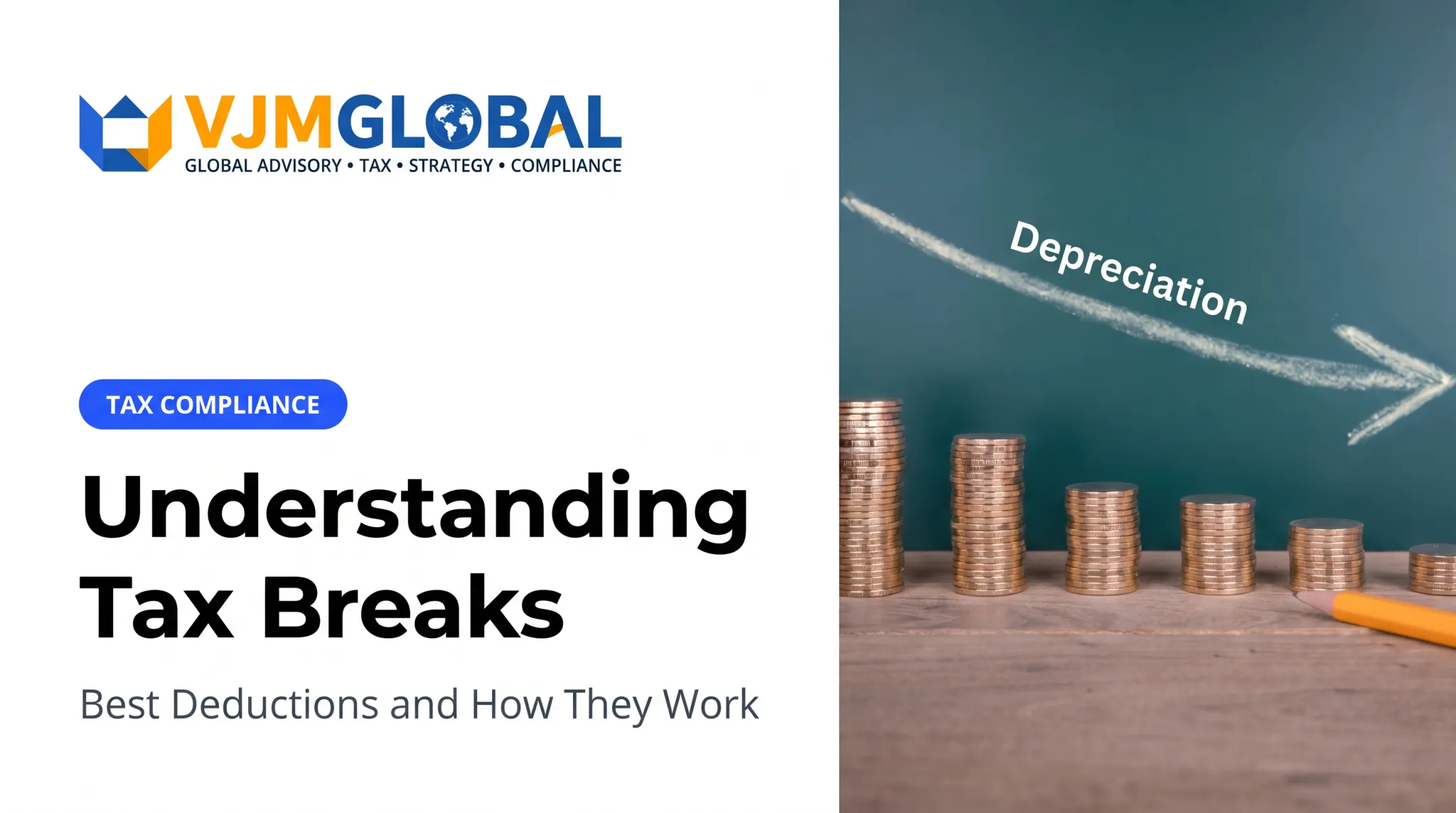
- Division 40: Decline in value of eligible depreciating assets. Since 1 July 2017, second-hand assets previously used privately are generally restricted, with exceptions for some businesses and entities.
- Division 43: Residential capital works that commenced from 16 September 1987 generally run at 2.5% over 40 years. The 4% rate needs specific eligibility, and there is no blanket Airbnb 4% rate.
- Borrowing costs: Costs of $100 or less are deductible immediately; otherwise spread over five years or the loan term, whichever is shorter.

Records that protect future claims
Keep contracts, settlement statements, renovation invoices, asset details and construction information. Accurate allocation between land, building, fixtures and furniture shapes your future deductions.
A depreciation schedule from a quantity surveyor helps when actual construction costs are unknown. The ATO accepts an independent estimate.
A report does not make an ineligible cost deductible or turn improvements into repairs. Review claims when a property moves from private to income-producing use.
Ownership and allocation
- Co-owners generally split income and expenses by legal interest, regardless of private agreements.
- Business partnerships follow the partnership agreement, or equal shares without one.
- Companies and trusts bring legal, financing, land-tax, GST and capital gains consequences.
Do not choose a structure for tax reasons alone.
Think about the whole property lifecycle
Capital works deductions claimed reduce your CGT cost base. Partial rental use can also affect the main-residence exemption. Spending money just to get a deduction rarely improves your overall position, since you spend a dollar to save a fraction of it.
Records, Lodgements and Common Mistakes
Recordkeeping checklist
- Booking calendars showing rental and private-use days
- Platform statements and bank records
- Invoices and receipts
- Loan interest statements, insurance documents and utility bills
- Repair evidence and an asset register
- A written method for mixed-use apportionment
Keep rental records for five years in most cases. The start date varies by lodgement and your final depreciation claim. Keep CGT records for the full ownership period plus five years after the CGT event.

Common mistakes
The ATO's top rental deduction errors are interest apportionment, repairs versus capital works and private use. Others to avoid:
- Claiming 100% of mixed-use expenses
- Overlooking platform commissions
- Failing to keep evidence
- Applying US terminology to an Australian return
Getting your records in order
VJM Global, with 30+ years of experience and 250+ Australian businesses served, provides outsourced accounting, financial reporting and tax-compliance administration. We can help owners organise income and expense records before review by a qualified Australian tax adviser. We do not hold an Australian office or tax-agent status.
Frequently Asked Questions
What rental expenses can be deducted?
Costs must relate to earning assessable rental income. These may include interest, rates, insurance, utilities, cleaning, management and repairs, subject to private-use apportionment, capital rules and current ATO guidance.
How is rental income taxed in the USA?
That is a US-specific question involving federal and state rules, classification, deductible expenses and personal-use limits. Australian taxpayers should not apply the answer to an Australian return.
How many days are considered a short-term rental?
Australia has no single nationwide income-tax definition that resolves every case. Check ATO guidance plus state, territory, council, strata and platform rules. US day-based tests do not apply.
What's the difference between an Airbnb and a short-term rental?
Airbnb is a booking platform; a short-term rental is the underlying accommodation arrangement. Tax treatment depends on property use, income, expenses, services and your circumstances, not the platform.
What is the Augusta Rule?
It is a US provision on limited rental of a personal residence, not an Australian rule. Seek US advice if you have a US filing obligation.
What property qualifies for 100% bonus depreciation?
That is a US concept depending on current federal law, acquisition dates and property type. Australian taxpayers generally need to assess Division 40 and Division 43 instead.