A deduction also reduces your taxable income. It doesn't hand back the dollar amount you spent. In the ATO's random-enquiry sample, 35% of small businesses tried to report correctly but made mistakes, often through poor records and unsupported claims.
This guide separates operating expenses, capital assets, establishment costs and private spending, using current ATO guidance. It is general information only. Confirm tax-year requirements with a registered tax professional before you lodge.
Key Takeaways
- Sort costs into operating, capital, establishment, private and GST categories before claiming.
- The date your business starts earning income can change how a cost is treated.
- Equipment and improvements usually need depreciation, not an immediate deduction.
- Tax invoices, purpose notes and apportioned private use support every claim.
What business startup costs can be tax deductible in Australia?
The general test
Startup costs fall into two groups: money spent investigating or preparing a venture, and money spent after the business starts earning.
Under section 8-1 of the ITAA 1997, an outgoing is deductible to the extent it is incurred in gaining or producing assessable income, or necessarily incurred in carrying on a business for that purpose. It is denied to the extent it is capital, private or domestic.
A cost is generally incurred when you have a present liability and are definitively committed. Cash payment isn't essential, but a merely expected liability doesn't count.
Typical operating costs
Once the business is trading, these may be deductible when connected to the business:
- Advertising and marketing
- Legal, accounting and tax fees
- Wages and superannuation
- Relevant training
- Rent and utilities
- Off-the-shelf software
- Business travel
Confirm each category against current ATO guidance for your situation.
Pre-business ("blackhole") expenditure
Section 40-880 covers certain capital costs for a current, former or proposed business that aren't recognised elsewhere. Qualifying amounts are generally deducted over five years at 20% a year, starting in the year incurred.
The proposed business must reasonably be expected to start within a reasonable time. Failing to start doesn't automatically defeat a claim. Exclusions include depreciating assets, land, private purposes and repayments of debt or equity.
What gets denied or treated separately
- Private spending (apportion mixed-use costs)
- Trading stock, which follows its own stock rules
- Loan principal (interest is a separate question)
- Capital assets and improvements
- Australian-law fines and penalties
- The GST portion where you can claim a credit
One payment, four outcomes
Say you pay $5,000 to an adviser. That same fee can land in four different places:
- Structuring advice for a proposed business may be immediately deductible
- Ongoing bookkeeping after trading starts is an ordinary operating cost
- Fees tied to buying a business asset form part of that asset's cost
- A personal financial plan is private and not deductible

How the ATO classifies pre-launch, capital and structural costs
A practical classification framework
| Category | Typical treatment |
|---|---|
| Operating costs | Deducted when incurred (s 8-1) |
| Depreciating assets | Decline in value over effective life (Division 40) |
| Establishment costs | Certain costs immediately deductible (s 40-880) |
| Pre-business capital costs | Five-year deduction (s 40-880) |
| Private costs | Not deductible |
Why the commencement date matters
Whether you carry on a business depends on the facts: intention, activity, scale, organisation and prospect of profit. TR 2019/1 applies to companies. A draft ruling for individuals, TR 2026/D2, says preparatory activities may support intention but don't by themselves show a business is being carried on.
Keep evidence such as:
- Signed customer contracts and invoices
- First trading activity
- Registrations and licences
- Proof the business was ready to serve customers
Equipment and fit-outs
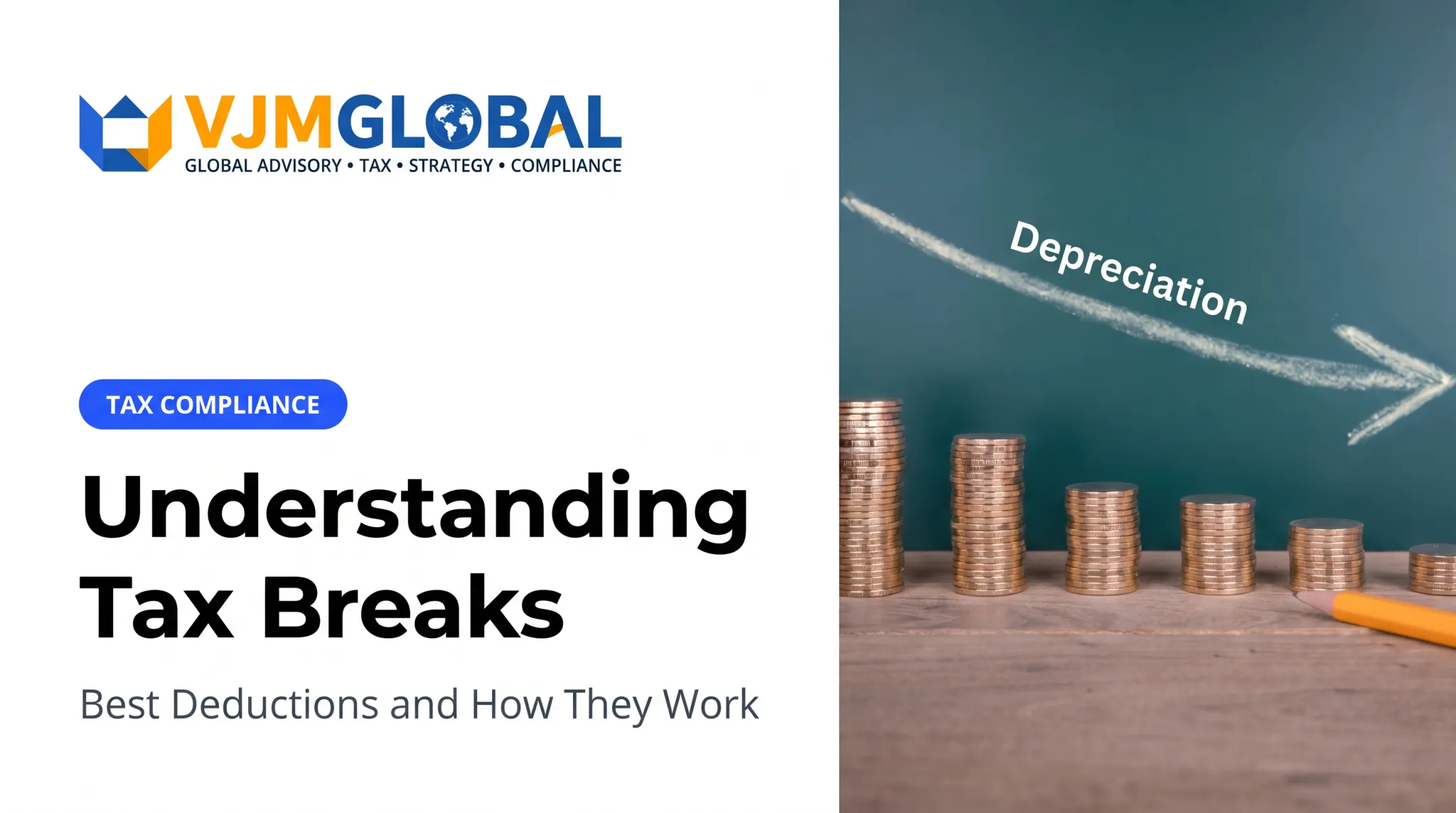
Computers, furniture, vehicles and fit-outs give an enduring benefit, so they generally fall under depreciation rules.
Eligible small businesses with aggregated turnover under $10 million can use the $20,000 instant asset write-off, now permanent from 1 July 2026. The asset must cost less than $20,000 and be first used or installed ready for use in that year. Eligibility isn't automatic, so check your own position.
Formation costs
Certain start-up costs are immediately deductible under s 40-880:
- Professional advice about the proposed structure or operation
- Fees paid to an Australian Government agency to establish the business or its structure
Acquiring business assets doesn't qualify. Eligibility is restricted to small business entities and qualifying entities, with extra conditions where no business is yet carried on.
The ATO's examples cover lawyer or accountant structuring advice and government set-up fees. They don't name every constitution or partnership-agreement drafting cost, so assess the actual service.
In the ATO's example, a consultant's advice on a location for a proposed florist shop is immediately deductible. Advice on expanding an already operating landscaping business isn't a start-up cost.
Abandoned ideas
Non-commencement alone doesn't rule out s 40-880. You still need to show the proposed business, your commitment and the statutory conditions. Preliminary or passive activity may fail the income nexus for other claims.
Watch the claimant. Identical payments can be treated differently depending on whether a sole trader, an existing business expanding or a newly formed entity incurred them.
How to claim startup deductions and keep compliant records
A step-by-step process
- Collect source documents for every payment, including invoices and receipts.
- Note the payment date and supplier on each record.
- Record the business purpose in a sentence so the link to the business is clear.
- Classify the cost: operating, capital, establishment, pre-business or private.
- Separate the GST from the net amount before you claim.
- Apportion any private use and claim only the business share.
- Confirm the treatment against your records before lodging.

Records to keep
Keep most business records for five years. They should show the date, amount, description, GST details and purpose. Hold on to:
- Tax invoices and receipts
- Contracts and bank statements
- Mileage or travel records
- An asset register
- Payroll documentation
- Notes linking pre-launch costs to the business
Vehicle claims need matching mileage evidence. The cents-per-kilometre method is capped at 5,000 business kilometres per car, at 91 cents a kilometre for 2026-27. The logbook method needs at least 12 continuous representative weeks in the first year.
Costs a founder paid personally
Section 40-880 only helps the entity that incurred the expense. A company is a separate taxpayer from its shareholder. Identify who actually incurred the cost, then document any reimbursement, loan or contribution consistently. Confirm the treatment with your adviser.
Where deductions are reported
- Sole trader: individual return, business items section
- Partnership: partnership return, with each partner reporting their share
- Company: annual company return
- Trust: annual trust return
Income tax versus GST
A GST credit and an income tax deduction are separate claims. Reduce the deduction or asset cost by any GST credit you can claim. If you can't claim a credit, the GST-inclusive cost may be deductible or capitalised under the relevant rule. Claim credits through your BAS only for creditable business use, not private or input-taxed use.
VJM Global provides bookkeeping, payroll and tax compliance support for Australian businesses. The focus is accurate classification, timely BAS reporting and organised records, not promises about tax savings.
Startup deductions by business structure and GST
Comparing structures
| Structure | Who reports | Loss point to flag |
|---|---|---|
| Sole trader | The individual | Non-commercial loss rules may defer losses |
| Partnership | Partners report their shares | Individual loss rules may apply to each share |
| Company | The company | Continuity of ownership tests apply |
| Trust | Trustee lodges the return | Losses stay in the trust |
Confirm your structure before you claim. Entity options in Australia include a Pty Ltd company, public company, partnership, trust and registered foreign company branch.
Registration isn't commencement
Getting an ABN, business name or company registration does not by itself establish when you began trading. Keep contracts, first invoices, marketing launch records and proof of customer readiness.
Non-resident and international owners
- Individual residency uses four tests; entity residency is assessed separately.
- An Australian-incorporated company is a resident.
- For treaty-country enterprises, business profits are generally taxable here only through an Australian permanent establishment.
- Non-treaty residents are generally taxed on Australian-source business income.
- GST is assessed separately.
Coordinate Australian and foreign advice early.
GST checklist
- Registration is generally required at $75,000 GST turnover ($150,000 for non-profit organisations).
- For purchases over $82.50 including GST, hold a valid tax invoice.
- Claim credits only for business use.
- Treat capital purchases separately from day-to-day costs.
- Claim input tax credits on your BAS within the four-year time limit.
Common mistakes and when to seek advice
Frequent errors
- Claiming capital assets, formation costs or pre-activity spending as immediate deductions
- Missing invoices
- Mixing personal and business funds
- Unsupported car expense or kilometre claims
- Vague or missing business purpose notes
- No depreciation schedule
ATO reviews keep turning up the same issues. In one example, a bistro operator overstated expenses by $141,900, including $12,900 in GST credits.

When to get advice
Talk to a registered tax agent when you have:
- Multiple owners
- Company or trust structures
- Large capital purchases
- International operations
- An abandoned venture
- Mixed-use assets or GST uncertainty
- Significant pre-business spending
You can check an agent on the Tax Practitioners Board public register.
Check current sources
Rules and thresholds change, so verify against current ATO guidance and legislation before lodging. This article is general information and not individual tax advice.
Frequently Asked Questions
Can you deduct startup costs?
Some costs may be deductible or treated under capital or establishment-cost rules. Eligibility depends on timing, purpose, structure and current ATO requirements. US rules don't automatically apply in Australia.
What are the IRS rules for startup costs for businesses?
That's a US question governed by IRS rules. For Australia, use the framework above, or speak to a US tax professional for American returns.
Can I deduct $5,000 in startup costs for my business?
The $5,000 figure is a US threshold and shouldn't be applied to an Australian return. Australian taxpayers assess costs under ATO rules and current legislation.
Are start-up costs immediately deductible?
Not automatically. Operating costs, capital assets, establishment costs and pre-business expenditure each follow different treatment.
How much can I write off for starting a business?
There's no universal Australian cap. The result depends on the cost type, commencement, entity, GST position and available concessions.
What tax deductions can I get when starting a business?
Look at ordinary operating expenses, eligible pre-business expenditure, depreciation on qualifying assets, professional fees and business-use costs. Exclude private costs and keep supporting records.