Eligibility turns on taxable income, age, residency, private health insurance, dividend income, overseas income and family circumstances. Thresholds can also change before the 2026–27 return is filed.
This guide covers five offsets and rebates: the Low Income Tax Offset, the Seniors and Pensioners Tax Offset, the private health insurance rebate, the franking credit tax offset and the foreign income tax offset. Verify every figure with the ATO or a qualified tax professional before you lodge.
Key Takeaways
- Offsets cut tax payable directly; deductions cut taxable income, and neither guarantees a cash refund.
- Screen for LITO, SAPTO, the health insurance rebate, franking credits and FITO.
- Final value depends on eligibility, income, tax already paid and your records.
- US credits such as the Earned Income Tax Credit don't belong on an Australian return.
- Check ATO guidance for 2026–27 before relying on any threshold.
Overview of Tax Credits and Tax Offsets in Australia for 2027 Tax Returns
Offsets, deductions and rebates
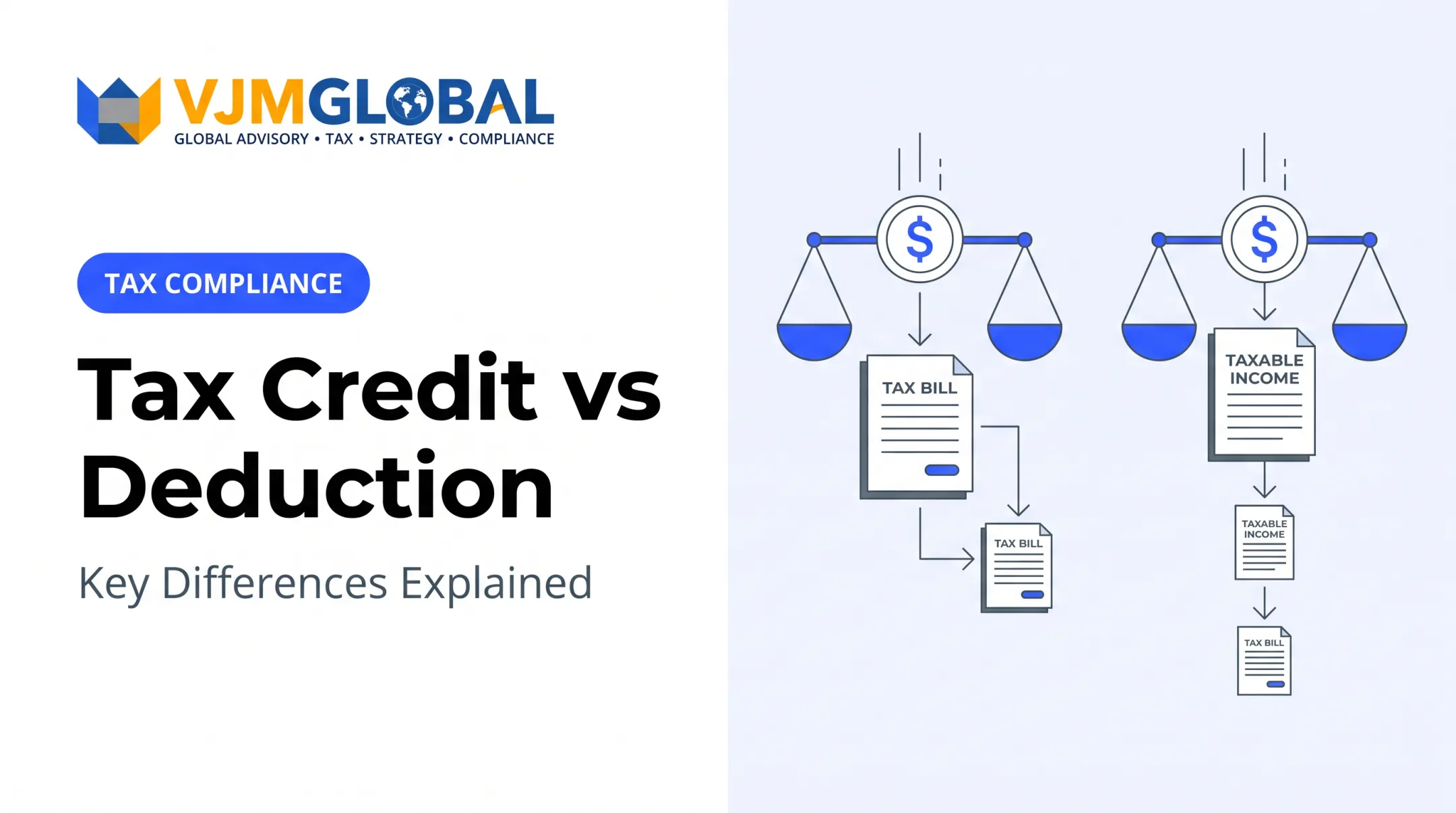
The ATO uses "tax offset" and "tax rebate" for an amount that reduces tax payable. A deduction instead reduces taxable income, so it works earlier in the calculation.
Say your tax payable is $5,000. A $500 offset takes it to $4,500. A $500 deduction only trims taxable income, saving roughly your marginal rate on $500.
Which year is "2027"?
A return lodged in 2027 will generally cover 1 July 2026 to 30 June 2027. The usual self-lodgment date is 31 October. Because 31 October 2027 falls on a Sunday, the deadline moves to Monday 1 November 2027.
Refundable and non-refundable offsets
Offsets don't all work the same way:
- LITO, SAPTO and FITO are non-refundable. They reduce tax to zero at most.
- The private health insurance rebate is a refundable offset when claimed through your return.
- Excess franking credits can be refunded to eligible resident individuals, subject to integrity rules.
A bigger refund usually appears when you've already paid tax through PAYG withholding or instalments. The ATO credits those amounts against your final liability and refunds any excess. If you have no tax payable, a non-refundable offset can't create a refund.
A warning about US terminology
The American Opportunity Tax Credit and the Earned Income Tax Credit are US federal programs claimed on US forms. They are not Australian offsets. Foreign tax paid on overseas income is handled separately through FITO.
The five options below are ranked by potential relevance, refund impact and how many Australians may encounter them. None of them is guaranteed.
Top Tax Credits and Tax Offsets to Claim in Australia in 2027
Each option below is weighed on relevance, likely effect on tax or refund, clarity of the rules, the records you need and the chance it still applies for 2026–27.
Low Income Tax Offset (LITO)
LITO applies to Australian residents with taxable income up to $66,667 and tax payable to offset. You don't claim it separately. The ATO calculates it when you lodge.
The latest schedule the ATO shows (not explicitly labelled 2026–27) works like this:
- $700 maximum at taxable income of $37,500 or less
- From $37,501 to $45,000, reduce $700 by 5 cents per dollar above $37,500
- From $45,001 to $66,667, reduce $325 by 1.5 cents per dollar above $45,000
It's non-refundable. In 2023–24, ATO statistics show 6,463,811 individuals received it, averaging $396.

Seniors and Pensioners Tax Offset (SAPTO)
SAPTO requires eligibility for an Australian Government pension or allowance, plus rebate income below the cut-out. For the Age Pension, Services Australia requires age 67 or older, residence rules, and income and assets tests.
The latest published schedule is for 2025–26, so treat these figures as indicative only:
| Status | Maximum SAPTO | Full amount below | Cut-out |
|---|---|---|---|
| Single | $2,230 | $34,919 | $52,759 |
| Couple (each) | $1,602 | $30,994 | $43,810 |
| Illness-separated couple (each) | $2,040 | $33,732 | $50,052 |
SAPTO is non-refundable. If both spouses are eligible, one can transfer an unused amount to the other; the ATO works this out at lodgment. Keep your pension or income-support statements handy.
Private Health Insurance Rebate
You can take the rebate as a premium reduction through your insurer or claim it as a refundable offset in your return. The ATO reconciles it using income for surcharge purposes.
For 2026–27, the income tiers are:
| Tier | Single | Family |
|---|---|---|
| Base | $105,000 or less | $210,000 or less |
| Tier 1 | $105,001–$123,000 | $210,001–$246,000 |
| Tier 2 | $123,001–$164,000 | $246,001–$328,000 |
| Tier 3 | $164,001+ | $328,001+ |
The rebate depends on the oldest insured person's age. Through 31 March 2027, the base tier is 24.118% (under 65), 28.139% (65–69) and 32.158% (70+). Tier 3 gets 0%. Rates from 1 April 2027 are not yet published, so confirm them with the ATO before you lodge.

Enter each row of your insurer statement separately, for before and from 1 April. Don't combine them. The rebate is separate from the Medicare levy surcharge, which has its own thresholds.
Franking Credit Tax Offset
Report both the dividend and its attached franking credit as assessable income. The credit then offsets tax on that income. If the credit exceeds your tax and Medicare levy, eligible residents can receive the excess as a refund.
Integrity rules apply:
- Hold shares "at risk" for 45 days (90 for certain preference shares), excluding acquisition and disposal days
- The holding-period test applies when your annual franking entitlement is $5,000 or more
- The related-payments test applies regardless, such as when you must pass the benefit on to someone else
Your dividend statements are your key records. The 2023–24 ATO data shows 3,028,265 individuals claimed franking credits, with a median of just $189 but an average of $4,268.
Foreign Income Tax Offset
If you're an Australian resident who declared overseas income and paid foreign tax on it, FITO may apply. The tax must actually be paid first.
- For $1,000 or less, record the foreign tax paid
- Above $1,000, calculate the offset limit, which compares your actual Australian tax with the tax you'd pay without that foreign income
- FITO is non-refundable and can't create a refund simply because foreign tax exceeded Australian tax

Double tax agreements can change the result by granting relief or reducing source-country withholding. Keep a foreign tax assessment or official receipt; an assessment that doesn't prove payment isn't enough. For cross-border income, get specialist advice.
Quick comparison
| Offset | Typical taxpayer | Treatment | Key records |
|---|---|---|---|
| LITO | Lower-income residents | Non-refundable | Return details |
| SAPTO | Eligible seniors, pensioners | Non-refundable, spouse transfer | Pension statements |
| PHI rebate | Insured Australians | Refundable | Insurer statement |
| Franking credit | Share investors | Excess refundable | Dividend statements |
| FITO | Overseas income earners | Non-refundable | Foreign tax proof |
All 2026–27 figures remain subject to official ATO confirmation.
How We Chose the Best Tax Offsets
"Best" doesn't mean the biggest advertised number. The most useful offset depends on your income, tax already paid, residency, age, family situation, insurance, investments and foreign-income activity.
Our screening process:
- Check the ATO's 2026–27 eligibility rules
- Confirm the offset exists for the relevant year
- Identify thresholds and phase-outs
- Determine whether it's refundable, non-refundable or reconciled elsewhere

Skip any of those checks and a claim can fail at lodgment.
Common mistakes
- Confusing deductions with offsets
- Applying an overseas country's credit, such as US or Indian foreign tax credits, to an Australian return
- Overlooking spouse or dependent rules
- Claiming the health rebate without reconciling the insurer statement
- Reporting dividends or foreign income without the attached credit details
Start with documents
Solid records make those mistakes easier to avoid. The ATO generally expects you to keep records for five years from lodgment. Gather:
- Income statements (PAYG payment summaries)
- Private health insurance statements
- Dividend and franking statements
- Foreign tax records
- Pension or income-support records
Every threshold and dollar amount in this guide should be checked against current ATO guidance and legislation. Rules may change before you file in 2027.
Conclusion
Review offsets alongside deductions and withholding. An offset reduces tax payable, but it doesn't automatically produce a bigger cash refund.
Before you lodge:
- Compare your circumstances against the eligibility checks
- Collect records early
- Confirm the 2026–27 rules
- Skip US-based tax-credit guides that don't match Australian law
For Australian businesses, founders and internationally active taxpayers, VJM Global can help with accounting outsourcing, record organisation and tax compliance. The firm serves 250+ Australian businesses and delivers cross-border accounting and international tax planning.
Frequently Asked Questions
What tax credits can you claim?
Australians generally claim tax offsets and rebates rather than US-style credits. The main ones are LITO, SAPTO, the health insurance rebate, franking credits and FITO. Check current ATO rules.
What deductions and credits can I claim?
Deductions reduce taxable income; offsets reduce tax payable. What applies depends on your income, residency, age, insurance, investments, family situation and eligible work or business expenses.
Why am I not eligible for tax credits?
Common reasons include income above the limits, residency, age, no tax payable, missing records, using the wrong year's rules, or confusing an overseas credit with an Australian offset.
Do tax credits give you a bigger refund?
An offset can reduce tax payable and may increase a refund when tax has already been withheld. Non-refundable offsets can't create a cash refund on their own, and no refund is guaranteed.
What income is considered earned income?
Australia doesn't use "earned income" as a general test. Employment income (wages, allowances, tips) and business income differ from investment income (dividends, interest, rent). The distinction matters for offsets such as franking credits, which depend on dividend income.
What are the different types of tax credits?
Australia uses tax offsets, rebates and the foreign income tax offset. Most are non-refundable; the health rebate and excess franking credits are refundable. Terms such as the US Earned Income Tax Credit don't apply to Australian returns.