Introduction
Australia's parcel economy is moving fast. Online spend hit $82.6 billion in 2025, up 14% year-on-year, with 9.8 million households now shopping online according to Australia Post's 2026 eCommerce Report. That growth is pulling retailers, pharmacies, and trades toward local courier operators who can move goods faster than national networks.
If you're a Canadian entrepreneur, this looks like a genuine opportunity. Recurring demand, defined local niches, and room to build either an owner-operated run or a small fleet all point toward viability. The catch is structuring the right entity and meeting Australian compliance rules from abroad.
This guide is written for three types of readers: Canadian founders planning to relocate, overseas owners appointing an Australian operator, and entrepreneurs structuring a cross-border venture. It walks through validation, Australian registration, compliance, vehicles, staffing, and launch planning.
Key Takeaways
- Demand is rising with online retail, but profits hinge on route density and pricing—not market size alone.
- Confirm entity structure, ABN/ACN, GST, and cross-border tax rules before committing capital.
- Vehicle, licence, and worker-classification rules vary by state and vehicle mass.
- Canadian founders need separate advice on visas, director residency, and tax-treaty exposure.
What Is a Courier Business?
A courier business collects items from one point and delivers them to another for a fee. The operator owns the pickup, handling, transport, customer communication, and proof of delivery for every job.
Value comes from reliability within an agreed service level: same-day, express, scheduled, or standard. Customers pay for certainty as much as speed.
Common Models in the Australian Market
- Owner-driver operation — a single car, motorbike, cargo bike, ute, or van covering local runs.
- Scheduled B2B routes — recurring pickups for retailers, wholesalers, pharmacies, or trades.
- E-commerce last-mile delivery — final-leg parcel drops for online sellers and fulfilment centres.
- Specialist services — refrigerated, medical, fragile, or high-value goods, which carry extra compliance and equipment obligations.

Independent Operator vs. Platform Work
Independent brand:
- Control over pricing and client relationships
- Higher upfront marketing effort
Platform work:
- Faster access to jobs
- Lower margins and less control
Many founders start on a platform for cash flow while building their own client base on the side.
What to Know Before You Start a Courier Business
Courier work looks simple from the outside: drive, drop, repeat. In practice, the owner is coordinating dispatch, customer service, vehicle maintenance, invoicing, claims handling, and safety compliance all at once.
Early-stage reality checks:
- A solo founder often spends most of the day driving, then handles sales, bookkeeping, and route planning at night.
- A fleet model needs systems for driver availability, vehicle checks, payments, dispatch, and incident reporting before it can run without you.
- Recurring B2B contracts tend to produce steadier revenue than one-off consumer jobs, which fluctuate week to week.
Those choices set how much organisation you need on day one. Basic systems cover most day-to-day runs; specialist knowledge matters once you touch regulated goods, larger vehicles, dangerous goods, refrigerated transport, or Canada–Australia tax and compliance questions — areas where guessing gets expensive.
How you enter the market matters as much as what you haul. Platform work or owner-driving gets you earning sooner. Building an independent brand takes longer: more validation, more sales effort, and more working capital, but it can grow into something you eventually sell or hand over.
Early Decisions That Matter When Starting a Courier Business
The decisions you make in the first month shape your risk exposure for years. Service area, niche, vehicle type, and structure (owner-operated versus fleet) all interact. Get one wrong and the others suffer.
Build a Real Cost Model
Your startup and operating-cost model should cover:
- Vehicle purchase, lease, and registration
- Fuel, maintenance, and equipment
- Insurance and software subscriptions
- Wages or contractor payments
- Storage, marketing, accounting, and tax
- Working capital for the gap between delivery and payment
Break-even depends on delivery volume, revenue per job, billable kilometres, waiting time, failed deliveries, and empty return legs.
The ATO's cents-per-kilometre method, 91 cents per kilometre for 2026-27, is a useful reference for bundled vehicle costs: depreciation, registration, insurance, fuel, and maintenance. Treat it as a tax deduction rate, not a pricing or profit benchmark.
Cross-Border Issues That Need Professional Advice
Several questions sit outside general business planning and require specific advice:
- Visa and work authorisation — whether you can legally perform day-to-day work in Australia.
- Director residency — whether your Australian company structure needs a resident director or local representative.
- Tax residency and treaty interaction — how Australian tax residency, Canadian reporting obligations, and the Australia–Canada tax treaty apply to your situation.
- Permanent establishment risk — whether operating from Canada creates Australian tax, payroll, or employment exposure.
- Financial separation — keeping personal, Canadian, and Australian records distinct from day one.

VJM Global can handle the accounting, tax compliance, and entity-setup side of that cross-border move, alongside qualified immigration advisers for visa and work-rights questions.
Why Start a Courier Business? (When It Makes Sense)
Growing delivery demand alone doesn't make a courier business viable. What matters is route density, repeat customers, pricing discipline, and how much operational control you actually hold.
Where the opportunity is real:
- Recurring need from e-commerce sellers, retailers, medical providers, hospitality venues, and trades.
- Room to specialise by suburb, delivery window, parcel category, or service level rather than competing head-on with national carriers.
- Differentiation through reliability, communication, and expertise in a regulated niche.
- A path to start as an owner-driver and add vehicles or drivers once unit economics are proven.
IBISWorld estimates the Australian parcel delivery and courier services industry at $15.8 billion in 2026, with online shopping and same-day specialised services named as the primary growth drivers.
That's a large, fragmented market — but size alone doesn't guarantee your route makes money. Recurring contracts, documented processes, and trained staff are what turn a delivery job into a transferable business asset.
How to Start a Courier Business – Step by Step
Treat this as a staged plan, not a checklist to rush. Don't buy vehicles or promise delivery windows before demand, costs, structure, and service boundaries are validated.
Common mistakes to avoid:
- Copying Canadian pricing or insurance assumptions into the Australian market
- Underpricing kilometres and waiting time
- Misclassifying contractors as employees, or vice versa
- Using personal vehicle insurance for commercial deliveries
- Skipping cross-border tax advice
- Scaling before recurring demand exists
Step 1 – Choose the Courier Model, Niche, and Service Area
Compare local on-demand, scheduled B2B, e-commerce last-mile, regional, platform-based, and specialist models. Map your initial service area against customer density, route length, and pickup/delivery windows.
Validate the problem before committing, using interviews, competitor reviews, trial deliveries, or letters of intent. Niche choice drives everything downstream: vehicles, equipment, insurance, and permits differ sharply between a general parcel run and a temperature-controlled medical route.
Metrics to track early: qualified enquiries, repeat-order potential, average route distance, delivery success rate, and contribution per delivery.
Step 2 – Validate Demand, Pricing, and Financial Viability
Research local competitors, platforms, and specialist operators: their service areas, pricing methods, and claims processes. Test willingness to pay with pilot jobs, not just survey responses.
Build a delivery-level profit model covering fuel, tolls, maintenance, insurance, labour, software, tax, and failed-delivery costs. Decide your pricing structure:
- Fixed, zone-based, distance-based, time-based, or weight-based
- Surcharges for waiting, redelivery, cancellation, or after-hours work
Prepare a cash-flow forecast that accounts for startup funding, B2B payment terms, and tax reserves. Outstanding invoices can starve an otherwise profitable route.

Step 3 – Set Up the Australian and Cross-Border Legal Foundation
Compare sole trader, partnership, and company structures for liability, tax administration, and future hiring. Then get Australian and Canadian professional advice before choosing.
Likely registration pathway:
- Business name registration where needed
- ABN, and ACN if using a company structure
- GST registration once turnover crosses the $75,000 threshold (registration required within 21 days of the obligation arising)
- Business bank account and accounting records
The Business Registration Service combines several of these applications into one pathway. Note that Corporations Act section 201A governs director residency requirements, so confirm whether your structure needs an Australian-resident director before registering.
Vehicle and driver requirements (licence class, roadworthiness, fatigue rules, load restraint) depend on vehicle mass and jurisdiction. Contracts should match your model: customer terms, B2B service agreements, contractor agreements, and a privacy policy covering proof-of-delivery data under the Australian Privacy Principles.
This is the stage where VJM Global's Australian entity formation, ABN/ACN registration, GST, and BAS support is most relevant, particularly for founders structuring the business from Canada before relocating or appointing a local operator.
Step 4 – Arrange Vehicles, Equipment, Insurance, and Systems
Select vehicles based on parcel size, payload, route length, and parking conditions. Equip drivers with:
- Phone mount, navigation, and chargers
- Trolley, straps, blankets, and secure storage
- PPE and packaging materials
- Temperature-control equipment where relevant
Insurance needs a specialist broker's input. Commercial motor, public liability, goods-in-transit cover, and workers' compensation (if you employ staff) are the core categories, though exact requirements vary by state, and business.gov.au notes public liability can be compulsory for certain occupations.
Build repeatable workflows for booking, dispatch, failed deliveries, and reconciliation, and pick technology proportionate to your scale: route planning, GPS tracking, and electronic proof of delivery matter more once you're running multiple vehicles daily.
Step 5 – Recruit, Engage, and Manage Drivers
Decide whether early deliveries will be done by you, employees, genuine contractors, or a mix. Since 26 August 2024, the Fair Work whole-of-relationship test assesses the practical reality of the working arrangement (control, financial risk, and tools supplied) rather than what the contract label says.
Driver standards to set before hiring:
- Licence and driving history checks
- Safety induction and manual handling training
- Parcel handling, privacy, and incident-reporting procedures
- Written contractor or employment documentation
Plan capacity around peaks, leave, and breakdowns so your delivery promise doesn't depend on one person showing up.
Step 6 – Launch, Acquire Customers, and Stabilise
Build a clear brand, booking process, and transparent delivery terms. Target repeat B2B customers (retailers, pharmacies, florists, restaurants, and e-commerce sellers) through direct outreach and referrals rather than broad advertising.
Run a controlled pilot in a limited area first. Track quote-to-booking conversion, repeat orders, delivery performance, and operating margin before adding vehicles or expanding into another state.
Conclusion
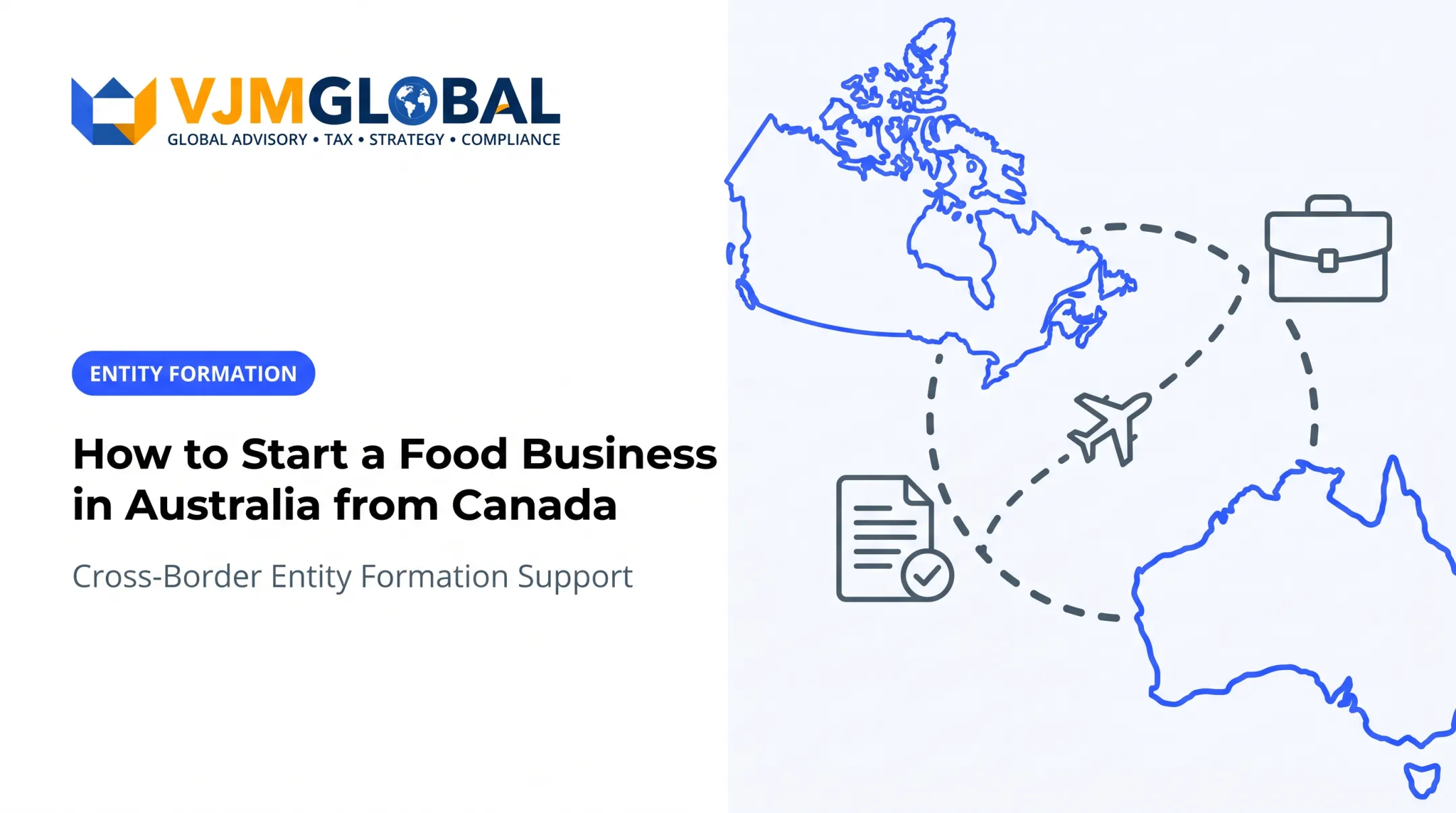
Starting a courier business in Australia from Canada takes more than a vehicle and a customer list. You need validated demand, workable delivery economics, and the right Australian structure and compliance foundation before the first parcel moves.
Confirm cross-border tax, immigration, ownership, and banking details with qualified advisers before you invest capital or start work. Specialists in Australian entity formation, tax, and compliance can help you set that foundation correctly from Canada.
After launch, growth depends on a focused niche, accurate pricing, dependable operations, and regular review of your numbers.
Frequently Asked Questions
Is a courier business profitable in Australia?
Profitability depends on route density, pricing, vehicle and labour costs, and cash-flow control, not industry averages. Build a delivery-level forecast specific to your service area before assuming a margin.
What type of courier makes the most money?
No single model wins universally. Specialist and scheduled B2B routes often carry better pricing power and repeat demand, but they also require more equipment and compliance than general parcel work.
How much does a courier cost in Australia?
This depends on whether you mean customer delivery pricing or business startup costs: the two involve very different factors. Get current quotes for vehicles, insurance, and registration in your state rather than relying on national averages.
Can a Canadian start a courier business in Australia?
Yes, a Canadian can own or establish an Australian business, but structure, director residency, tax, and work rights requirements need checking against your specific circumstances before you register.
Do I need an ABN to start a courier business in Australia?
An ABN is generally required to invoice and conduct business in Australia. The correct registration path (sole trader, company, or foreign-owned structure) depends on how you set up the business.
What insurance does a courier business need in Australia?
Most operators need commercial motor, public liability, and goods-in-transit cover, plus workers' compensation if employing staff. Confirm exact policy terms with a qualified insurance broker for your vehicle type and goods.