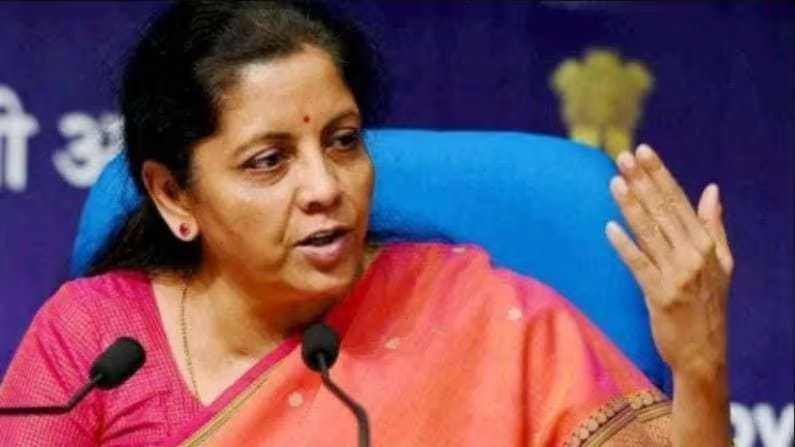
财政部长于2019年8月23日新闻发布会上发表的公告
印度议会于2019年7月通过了《2019年财政法案(第2号)》。这是政府在近期下议院选举中以压倒性多数获胜后提交的首份预算案,其重点在于稳定经济并进行宏观经济结构性改革,以除其他事项外,从2016年11月的废钞令以及2017年7月推出的商品及服务税(GST)中获取红利。该预算案还侧重于税务优化、扩大税基以及实现全面可持续发展。
自2019年初以来,全球经济深受持续不断的贸易战、经济制裁、加息、政治不确定性以及自然灾害等因素的严重拖累。
全球因素的影响,加上国内消费减少和投资疲软,引发了整个行业的恐慌。企业盈利增长放缓,股市大幅下挫。这种恐慌情绪始于汽车行业,随后蔓延至快速消费品(FMCG)、银行、金融机构、工程、金属及其他核心行业。
巧合的是,印度经济2019年4月至6月期间的国内生产总值(GDP)增长率已从环比增长5.8%和同比增长8%降至5%,创下6年来的新低。
为了回应全球及国内投资者的关切,并向整个行业保证政府致力于推动经济增长,财政部长尼尔马拉·西塔拉曼(Nirmala Sitharaman)女士于2019年8月23日进行了一场长达一小时的演讲,这本身可以被称为一份“迷你预算”。
财政部长以企业风格进行了演讲,列举了政府迄今为止已宣布及未来将采取的措施。这些公告涵盖了从股票市场到汽车行业,再到微型、小型和中型企业(MSME)等多个领域,总体旨在帮助经济克服全球经济放缓带来的影响。
财政部长重申,政府尊重财富创造者,并将通过简化法律来为纳税人提供便利,从而进行多项改革。正如预算案中已经宣布的那样,这些措施即将公布。
此外,政府还宣布了多项结构性改革、跨部门协调、流程简化、扩大信贷和内需的措施,以及增加对资本市场的投资等。
关于各主题的主要公告总结如下:
预填所得税申报表预计将于2020年成为现实。中央直接税委员会(CBDT)正致力于建立必要的基础设施。此举旨在为纳税人提供更便捷的报税和合规流程。
| S. No. | Feature | Description |
|---|---|---|
| 1 | Faceless Income Tax scrutiny | Most income tax scrutiny proceedings to be faceless, expanding the scope of ‘e-proceedings’ to cover various other processes under the Income Tax laws. |
| 2 | Unique Document Identification Number | All communications by income tax authorities from 1 October 2019 must have a computer-generated DIN. Communications without it are invalid. |
| 3 | Time limit for disposal of notices | All pending notices before 1 Oct 2019 must be reissued with DIN. All notices from 1 Oct 2019 must be resolved within 3 months of taxpayer's response. |
| 4 | Relief from enhanced surcharge on Capital Gains | Exemption from enhanced surcharge on LTCG and STCG (Section 111A & 112A) for equity shares and equity-oriented mutual funds to boost market confidence. |
| 5 | Withdrawal of Angel Tax for Startups | Section 56(2)(x) not applicable to DPIIT-registered Startups. Dedicated CBDT cell to resolve Startup tax issues quickly. |
| 6 | Higher depreciation for vehicles till March 2020 | Additional 15% depreciation (total 30%) on vehicles acquired during FY 2019-20 to support the automobile industry. |
| # | Initiative | Description |
|---|---|---|
| 1 | Quick incorporation of Companies | Incorporation can now be done within one day with a Central Registration Centre and an integrated form offering auto-registration under multiple laws. |
| 2 | CSR Violations | Violations are now treated as civil liabilities instead of criminal offences. Companies also get more time to complete ongoing CSR projects. |
| 3 | Shifting 16 offences to penalties | Several offences have been converted to monetary penalties and made compoundable to reduce harsh treatment and avoid prosecutions. |
| 4 | Easier Mergers & Acquisitions | Approval processes for M&A transactions have been rationalised and simplified, making them faster and more efficient. |
| 5 | Differential Voting Rights (DVR) | Promoters can retain control while raising funds via DVRs—helpful for long-term growth and attracting global investors. |
| 6 | Withdrawal of prosecutions | Over 14,000 prosecutions under the Companies Act have been withdrawn to promote ease of doing business and shift away from criminal proceedings. |
| 7 | IBC amendments for MSMEs & homebuyers | IBC framework is strengthened to support MSMEs and protect home buyers, ensuring clarity and consistent interpretation by courts. |
| # | Initiative | Description |
|---|---|---|
| 1 | Fixed term employment for flexibility in hiring | Permits businesses to hire on fixed-term contracts, offering more transparent and flexible alternatives to contract-based hiring. |
| 2 | Reduced ESIC contribution to 4% | Statutory ESIC contribution by employers and employees has been reduced from 6.5% to 4%, increasing employees’ take-home pay. |
| 3 | Web-based Inspections | Inspections are now web-based and jurisdiction-free to reduce harassment. Physical inspections must be followed by a report within 48 hours. |
| 4 | Compounding of offences | Offences under labour laws can now be compounded, similar to other laws, making compliance easier and litigation less frequent. |
| 5 | Startup-friendly labour law self-certification | Startups can self-certify compliance with labour laws and will not face inspections for the first 3 years unless complaints arise. |
| # | Initiative | Description |
|---|---|---|
| 1 | Reduction in GST returns and simplification of forms | The GST Council has revised return formats under GST, launched on a trial basis. The return filing system is simplified and applicable from November 2019. |
| 2 | Simplification of refund process under GST | Procedural issues in processing GST refunds have been simplified, with most processes automated and approval timelines streamlined. |
| 3 | Risk-based approach in dealing with taxpayers | The CBIC is implementing a risk-based policy approach for assessments and inquiries under GST law. This method aims to enhance efficiency in the collection and administration of GST. |
| 4 | GST Refunds to MSMEs | All pending GST refund claims for MSMEs will be processed within 30 days. Future refunds will be processed within 60 days from the application date. |
| # | Initiative | Description |
|---|---|---|
| 1 | Additional Credit expansion through Public Sector Banks (‘PSBs’) | The Government will release INR 70,000 crores as announced during Budget 2019 to boost credit. This will benefit corporates, MSMEs, small traders, etc. |
| 2 | Banks to effect timely rate cuts | Banks will pass on rate cuts by reducing the Marginal Cost of Funds based Lending Rate (MCLR) to borrowers, benefiting loan recipients. |
| 3 | Banks to launch Repo rate/ external benchmark linked loan products | Banks will introduce loan products linked to Repo rates or external benchmarks, translating into lower EMIs for housing, vehicle loans, and working capital. |
| 4 | Customer Ease – Return of documents provided as security | PSBs will ensure return of loan documents within 15 days of loan closure, reducing hassle for borrowers who have mortgaged assets. |
| 5 | Support to NBFCs/ HFCs | The Government will provide additional liquidity support of INR 20,000 crores by NHB to HFCs, supporting house, vehicle, and consumption goods purchases. |
| 6 | Transparent One Time Settlement (OTS) Policy | Banks will issue an improved and transparent OTS policy for settling overdue loans with MSME and retail borrowers, fostering greater transparency. |
| 7 | Protecting honest decision making by bankers in commercial decisions | The Central Vigilance Commission has issued guidelines to protect bankers' decisions in commercial matters, with the IAC's decision being final. |
| 8 | Use of Bank KYCs by NBFCs | NBFCs can use Aadhaar authenticated bank KYC for customer onboarding, streamlining the process and ensuring faster customer access. |
| 9 | Co-origination of loans by PSBs jointly with NBFCs | PSBs will collaborate with NBFCs to provide loans to various segments such as MSMEs, Small traders, and Self Help Groups, boosting last-mile connectivity. |
| # | Initiative | Description |
|---|---|---|
| 1 | MSME Bill discounting through GSTN | The Trade Receivable Discounting System (‘TreDS’) is an online bill discounting platform helping MSMEs raise funds by selling trade receivables to buyers. The GSTN system will be used in the medium term to facilitate bill discounting for MSMEs. |
| 2 | Definition of MSME | The Government is considering amendments to the MSME Act to adopt a single definition for MSMEs. |
| 3 | Recommendations of the UK Sinha Committee | The UK Sinha Committee has provided recommendations on credit, marketing, technology, and delayed payments for MSMEs. The Government plans to review these recommendations and implement necessary actions within 30 days. |
| # | Initiative | Description |
|---|---|---|
| 1 | Deepening of bond markets in India | The Government plans to establish an organization to provide Credit Enhancement for infrastructure and housing projects, improving debt flow. Efforts are underway to develop Credit Default Swap markets and enhance bond market conditions. Additionally, the requirement for a Debenture Redemption Reserve (DRR) has been removed for listed companies, NBFCs, and HFCs. |
| 2 | Access of Indian Companies to the Global Markets | The Depository Receipt Scheme, expected to be operational soon, will give Indian companies greater access to foreign funds through ADRs and GDRs. |
| 3 | Use of Aadhaar-based KYCs for domestic retail investors | Aadhaar-based KYC is now permitted for opening Demat accounts and investing in mutual funds, streamlining market access for domestic retail investors. |
| 4 | Simplified KYC for foreign investors and FPIs | The KYC procedure for foreign investors, including FPIs, will be simplified to improve market access and investment inflows. |
| 5 | Offshore Rupee market | The Ministry of Finance is collaborating with the RBI to facilitate increased participation in the offshore Rupee market and introduce trading of USD-INR derivatives in the GIFT IFSC. |
| # | Initiative | Description |
|---|---|---|
| 1 | Delayed Payments | All delayed payments from Government/ CPSEs will be monitored by the Department of Expenditure and reviewed by the Cabinet Secretariat to provide cash flows into the system, facilitating infrastructure investments. |
| 2 | Payment of Arbitration Awards | The Government has decided to make payments aggregating to 75% of arbitral awards in case of contractual disputes by Government/ CPSEs while pursuing legal remedies. These payments will be implemented and monitored by the Cabinet Secretariat. |
| 3 | Investments for Developing Modern Infrastructure Over 5 Years | An Inter-Ministerial Task force has been constituted to finalize the pipeline of infrastructure projects and make investments of INR 100 lakh crores over the next 5 years to boost growth and create jobs. These projects will be actively monitored. |
| # | Initiative | Description |
|---|---|---|
| 1 | Relaxation of ECB Guidelines for Affordable Housing | ECB guidelines would be relaxed to facilitate financing of eligible home buyers under the PMAY, in consultation with RBI. These benefits are in addition to the existing ECB norms for the affordable housing segment. |
| 2 | House Building Advance | The interest rate on House Building Advance shall be lowered and linked with the 10 Year Government Securities (G-Sec) Yields. Government servants contribute to a major component of demand for houses, encouraging more government servants to buy new houses. |
| 3 | Special Window for Affordable and Middle-Income Housing | A Special Window will be provided for last mile funding of housing projects in the affordable and middle-income categories. The Fund, with an expected size of INR 10,000 crores, will focus on unfinished units and will receive contributions from both the Government and private investors like LIC, banks, sovereign funds, etc. |
您需要了解的内容如下:促进出口的措施 | 第2部分 | 财政部公告