

When it comes to strategic taxes, businesses that plan ahead are far more successful in minimizing their tax liabilities and ensuring long-term financial growth. In fact, businesses that implement tax strategies save significant amounts in tax payments, allowing them to reinvest that capital in growth.
In this blog, we will explore how tax planning helps reduce tax burdens, improve cash flow, and foster financial sustainability. From understanding the importance of the right tax structure to maximizing credits and deductions, this blog provides actionable insights that every business owner should know.
Strategic tax planning involves proactively managing your business’s tax obligations to minimize tax liabilities while complying with the law. It goes beyond mere tax filing by focusing on identifying tax-saving opportunities, structuring business activities effectively, and applying deductions, credits, and timing strategies.
Unlike basic tax compliance or standard filing, which ensures you meet tax obligations, strategic tax planning actively seeks to reduce your taxable income through targeted strategies.
Tax planning is crucial for businesses because it directly influences financial growth, scalability, and long-term profitability. By planning strategically, businesses can optimize cash flow, reduce unnecessary tax payments, and allocate resources more efficiently.
While tax planning is legal and necessary for any business to ensure its financial success, tax avoidance is not. Tax planning involves using legal means to reduce tax liabilities by taking advantage of credits, deductions, and exemptions provided by the tax code.
On the other hand, tax avoidance involves manipulating financial activities to evade taxes, often through loopholes or unethical methods, which can lead to penalties and legal consequences.
Now that we understand the basics of strategic tax planning, let’s explore the key components that make up an effective tax strategy.
Must Read: Outsourcing Accounting Services: The Key to Business Growth in 2025

A comprehensive and effective tax strategy is built on understanding your business structure, maximizing deductions, and aligning tax planning with cash flow management. These components work together to help businesses minimize their tax liabilities, improve financial stability, and support long-term growth.
The structure of your business—whether LLC, C-Corp, or S-Corp has significant tax implications.
Maximizing available tax credits and deductions is a critical part of strategic tax planning. Some of the most valuable for startups include:
将税务策略与现金流管理相结合,对于最大限度地减少负债并确保在需要时有充足资金至关重要。例如,通过将收入确认推迟到未来的纳税年度,企业可以有效管理税款缴纳并保持流动性。
同样,在当年加速扣除或充分利用税收抵免,也有助于减少应纳税所得额,从而在短期内改善现金流。
现在我们已经更清晰地了解了税务规划的关键组成部分,接下来让我们探讨一些美国企业可以实施的最有效的税务策略。
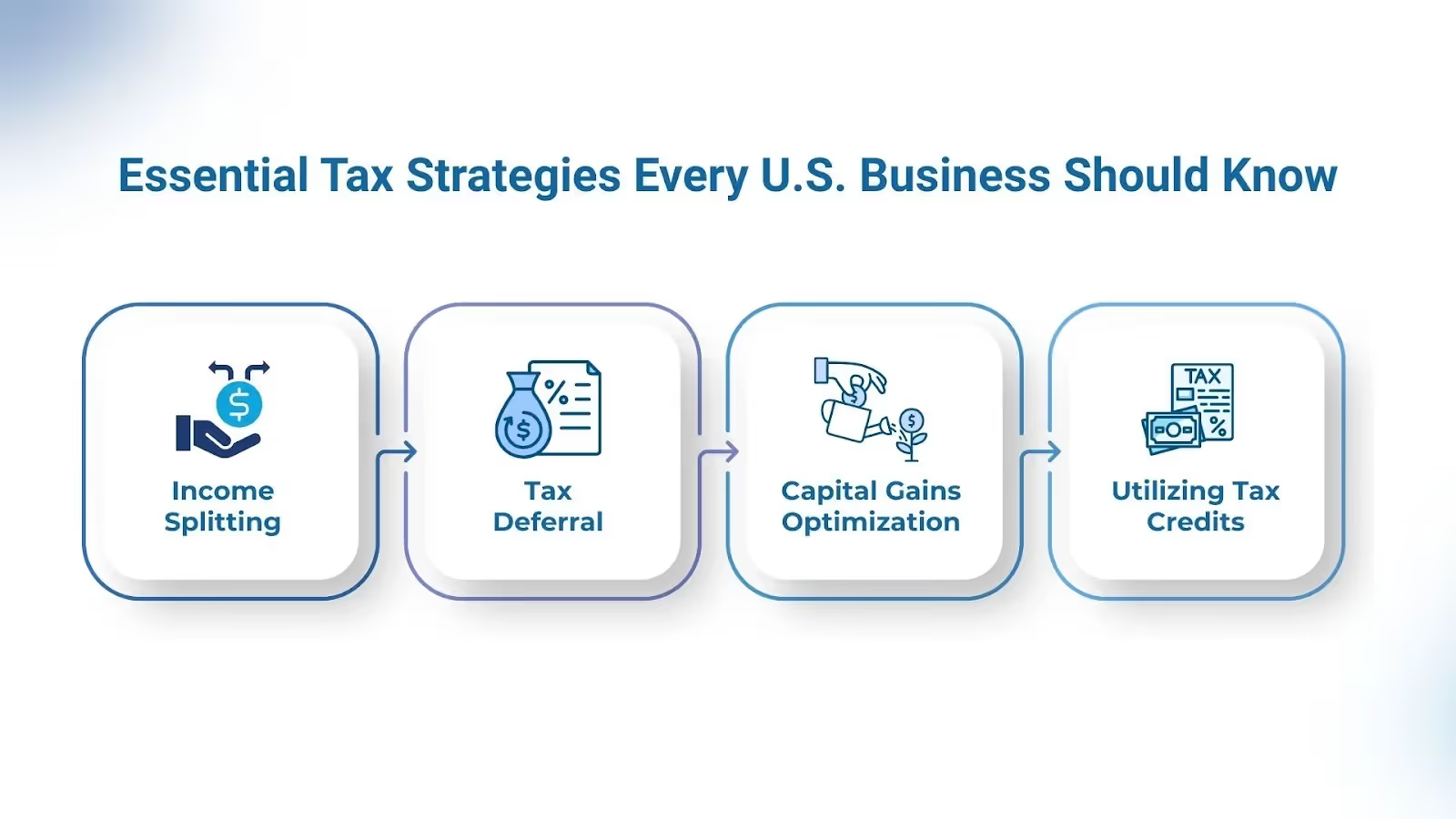
对于美国企业而言,战略性税务规划可以显著降低税务负担、增加现金流并提升整体财务表现。
收入分配是一种税务策略,企业主将收入分配给处于较低税率等级的个人(如家庭成员或商业伙伴)。这种方法有助于减轻企业的整体税务负担。对于以合伙企业或 S 型公司形式运营、利润直接转入所有者个人所得税申报表的企业来说,这种方式尤为有效。
将税款递延至未来期间,使企业能够保留更多资金用于当前运营,这对初创企业或处于增长阶段的企业尤为有利。税收递延策略包括推迟收入确认或加速业务支出。
例如,企业可以通过将开票时间推迟到下一个纳税年度来递延收入,或者通过在年底前购买设备或库存来加速扣除。
资本利得税通常低于常规所得税,企业可以采取多种策略来降低相关负债。最简单的方法之一是持有投资或资产超过一年后再进行出售。这样,收益即可适用长期资本利得税率,该税率通常远低于普通所得税率。
税收抵免可以直接减少应纳税额,并带来可观的财务收益。企业可以利用多种抵免政策,例如:
了解这些策略后,重要的是要认识到税务规划服务如何帮助您的企业保持正轨、合规并为未来做好充分准备。让我们探讨一下咨询税务专业人士能为您的企业带来哪些价值。
Also Read: Online Accounting Services To Transform Business
税务规划服务为企业提供专家建议、指导和支持,帮助其构建税务架构,从而实现节税最大化并确保合规。
税务规划服务为企业提供有关节税策略的专家建议,并确保其财务运营符合最新的税务法规。税务专业人士能够识别企业可以通过扣除、抵免和税收递延策略来减轻税务负担的领域,从而优化整体盈利能力。
主动的税务规划也有助于企业为审计做好准备。通过确保所有税务记录准确、完整且合规,税务专业人员可以降低触发审计的风险。他们还能就文档保存提供指导,这在审计过程中至关重要,并确保企业已做好充分准备,以应对税务机关的任何问询。
每家企业都是独一无二的,其税务需求也各不相同。税务规划服务可以根据公司的特定行业、规模和运营结构创建定制化解决方案。无论是初创企业、科技公司还是制造企业,都可以通过量身定制的税务策略,在最大限度地享受税收优惠的同时,将税务负债降至最低。
有效的税务规划固然重要,但企业也必须避免某些可能破坏其税务策略的错误。让我们来看看美国企业应避免的一些常见税务规划误区,以保持合规性和高效运营。
在战略税务方面,许多企业往往因为一些常见的错误而错失优化税务策略的机会。避免这些错误对于实现节税最大化以及确保符合联邦和州法规至关重要。
未能全年进行税务规划可能导致更高的税务负债和错失扣除机会。税务规划应是一个持续的过程,而不是在报税季临近时才匆忙应对。
各州的税收规定差异巨大,企业必须了解其运营所在各州的税务法规。许多公司只关注联邦税,却忽略了销售税、工资税和特许经营税等州税。
许多初创企业和小企业未能充分利用现有的税收抵免政策。例如,研发(R&D)税收抵免、工作机会税收抵免(WOTC)以及针对节能投资的抵免,都可以显著减轻公司的税务负担。
了解了常见的税务误区后,让我们探讨一下 VJM Global 如何帮助您的企业应对这些挑战并优化您的税务策略。
VJM Global 专注于帮助国际企业优化税务策略,确保符合国际法规。凭借对国际税收体系的深厚知识,VJM Global 协助公司构建运营架构,在最大限度地实现节税的同时,降低税务负债。
VJM Global 提供与您业务特定需求相符的定制化税务规划服务。无论您是需要关于选择正确业务结构、重组、最大化扣除和抵免、审计,还是实施税收递延策略的指导,VJM Global 都能提供专家建议,助您做出明智决策并优化税务状况。
对于正在向印度扩张或在印度运营的企业,VJM Global 提供顺畅的合规服务。他们协助公司管理跨境税务事宜,确保在遵守印度税务法规的同时,保持对美国、澳大利亚、新加坡、英国和阿联酋法律的全面合规。他们的专业知识确保您的企业在两国间的运营既具备税务效率,又符合法律要求。
如果您希望确保企业实现税务减免最大化并降低负债,欢迎立即联系我们进行咨询。




