


您是否正计划为业务增长寻求融资,而投资者要求您提供符合 GAAP 标准的财务报表和 GAAS 审计报告?许多小企业主在听到这些术语时往往会感到困惑。
GAAP 和 GAAS 本质上是两种用途不同的会计框架。前者是一套会计准则,而后者则是一套审计准则。
这两套框架共同构成了美国财务报告和审计的基石。大多数会计专业人士认为,GAAP 和 GAAS 对于维护财务诚信和防止欺诈至关重要。
在本文中,我们将为您厘清美国 GAAP 与美国 GAAS 之间的区别,帮助您为企业做出明智的决策。
虽然这两个框架都有助于维护财务诚信,但它们的用途各异,且适用于财务报告的不同阶段。以下对比总结了它们的基本差异:
如果您想深入了解每个术语的具体含义,请参考以下详细说明:
公认会计原则(GAAP)是规范美国公司如何记录和报告财务信息的标准化准则。GAAP 为企业向投资者、债权人、监管机构及其他利益相关者传达其财务状况提供了一种通用语言。
GAAP 的官方定义涵盖了在特定时期内界定公认会计实务所需的所有惯例、规则和程序。制定这些原则旨在确保财务报表具有一致性、可比性、可靠性和清晰度。
许多州法律要求特定实体必须遵守 GAAP。例如,路易斯安那州法律(路易斯安那州修订法规 24:514)要求地方政府实体必须按照 GAAP 编制财务报告。
法律为那些根据州法律被禁止发行债券的地方实体提供了例外情况,使其在报告编制方面拥有更大的灵活性。
GAAP 建立在指导财务报告的核心原则基础之上:
公司将这些原则应用于资产负债表、损益表、现金流量表和附注中,以全面反映其财务状况。
GAAP 几乎影响着美国企业财务管理的方方面面。这些原则提供的结构和一致性在多个方面使公司受益:
对于成长型企业而言,尽早采用 GAAP 实践将为您未来的扩张、融资轮次和潜在的收购机会做好准备。
推迟实施 GAAP 的公司,在需要可靠财务报表以进行重大商业决策时,可能会面临代价高昂的会计重整风险。
接下来,让我们详细了解一下 GAAS。
公认审计准则 (GAAS) 是审计师在审查和核实公司财务报表时所遵循的系统性指导方针。
GAAS 为开展高质量审计提供了框架,用户可以据此对财务信息的评估结果保持信赖。
GAAS 定义了审计师在执行审计时必须具备的专业素质和判断力、必须遵循的程序以及必须满足的报告要求。这些准则确保了审计工作的全面性、客观性和一致性。
GAAS 分为三个关键类别,用于指导审计流程。这些类别确保了审计工作以一致、公正且全面的方式进行。
以下是各分类的细分说明:
这些准则为测试财务信息、评估内部控制以及就财务报表形成专业判断提供了系统性方法。
既然我们已经分别探讨了这两个框架,现在让我们来看看它们在目的和应用上有何不同。
GAAS 是利益相关者所信赖的优质财务审计的基础。当审计师遵循这些准则时,他们能够提供合理的保证,确保财务报表不存在重大错报和舞弊。
对于接受审计的企业而言,遵守 GAAS 可带来多项益处:
接下来,是时候了解 GAAP 与 GAAS 的根本区别了。
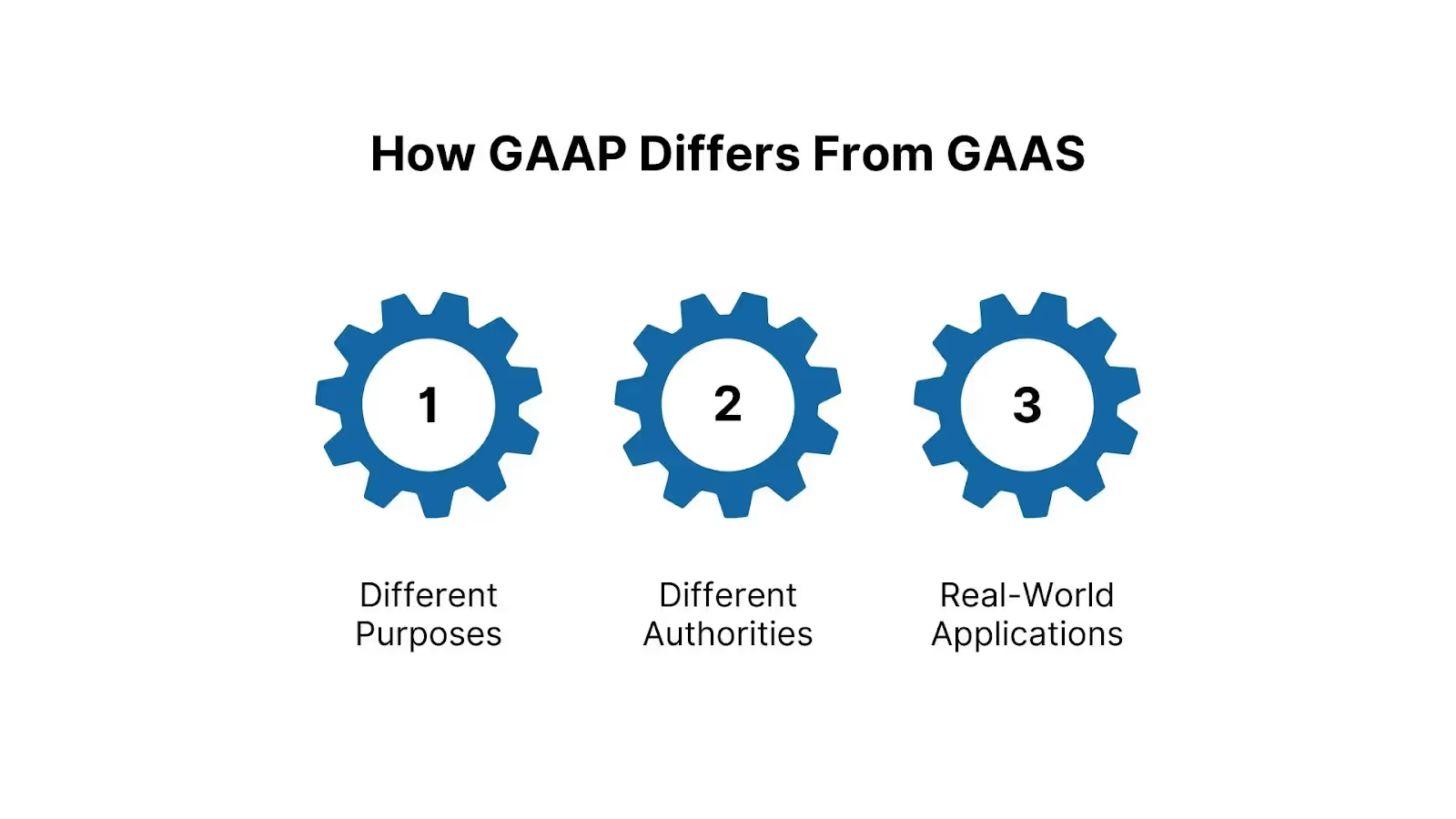
尽管我们之前已经强调了美国 GAAP 和美国 GAAS 之间的主要区别,但对于希望更深入了解这些框架的人士,我们现在将进行深度剖析。
探索它们的发展历程、目的和相互关系,将有助于您更清晰地了解它们如何塑造美国的财务报告与审计体系。
The development of GAAP and GAAS reflects America's commitment to transparent and reliable financial reporting. GAAP emerged in response to the 1929 stock market crash, when investors lost confidence in financial reporting.
The Securities and Exchange Commission (SEC) gained authority to set accounting standards, but delegated this responsibility to the private sector.
GAAS was developed separately through the American Institute of Certified Public Accountants (AICPA). Following major accounting scandals like Enron in the early 2000s, Congress passed the Sarbanes-Oxley Act, creating the Public Company Accounting Oversight Board (PCAOB), which now oversees auditing standards for public companies.
The fundamental difference between these frameworks is the following: GAAP is a set of accounting principles governing how companies prepare financial statements, while GAAS consists of auditing standards dictating how auditors verify those statements.
The American Institute of Certified Public Accountants (AICPA) and the Financial Accounting Standards Board (FASB) are two distinct organizations that shape accounting and auditing standards in the United States.
The AICPA is the national professional organization for Certified Public Accountants (CPAs). Founded in 1887, it represents the accounting profession with over 400,000 members across various industries.
The FASB is an independent, private-sector organization established in 1973 that sets accounting standards for public and private companies and nonprofits that follow GAAP.
Understanding how GAAP and GAAS function in practice helps clarify their importance to your business operations. Here are common scenarios where these standards impact financial reporting and auditing:
When preparing annual financial statements, your accounting team applies GAAP principles by:
During an audit of your financial statements, independent CPAs follow GAAS by:
Both GAAP and GAAS influence significant business activities:
That said, these frameworks also share a few similarities. While we are on the topic, let's also learn about them.
尽管 GAAP 和 GAAS 在财务报告流程中发挥着不同的作用,但它们拥有重要的共同基础。这两套框架的制定初衷都是为了保护利益相关者,并确保市场中财务信息的可靠性。
在详细比较了美国 GAAP 和美国 GAAS 之后,现在是时候澄清一些常见的误区了。
许多企业主对这些财务框架存在误解。让我们来澄清一下:
在下一节中,我们将探讨遵循 GAAP 和 GAAS 指南对您企业的重要性。
在下一节中,我们将探讨遵循 GAAP 和 GAAS 指南对您企业的重要性。
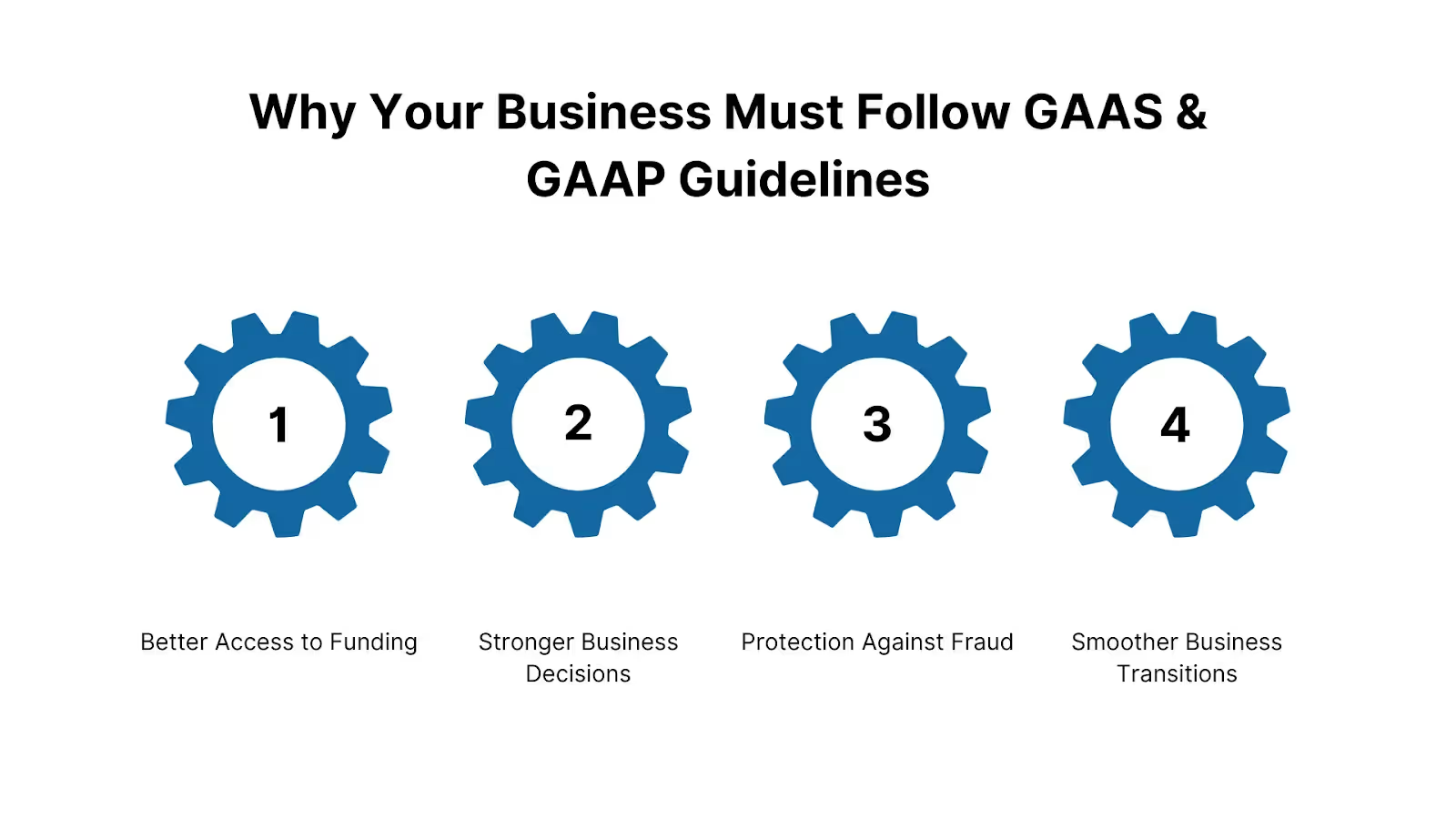
让我们看看这些标准对您的企业至关重要的四个主要原因:
银行和投资者青睐那些遵循规范会计准则的企业。
当您需要贷款或投资时,拥有符合 GAAP 的财务报表(尤其是经过 GAAS 审计验证的报表)会让您在竞争中脱颖而出。贷款机构更愿意为财务记录清晰的企业提供优惠条款,因为这些企业的风险较低。
没有准确的信息,就无法做出明智的选择。基于 GAAP 的财务报表为您提供可靠的数据,以指导您的业务战略。
严格的会计和审计准则有助于保护您的企业免受财务欺诈。这些标准所要求的系统性方法往往能揭示出那些在演变成重大问题之前可能被忽视的隐患。
计划在未来出售您的企业?或者引入合作伙伴?GAAP 和 GAAS 将使这些转型过程变得更加轻松。
When it's time for ownership changes, GAAP-compliant financial statements that have been audited according to GAAS provide a solid foundation for business valuation. They reduce disputes about the company's worth and speed up due diligence processes.
Understanding the differences between US GAAP and US GAAS empowers you to build stronger financial foundations for your business.
While these standards may seem technical, they ultimately serve practical purposes: creating reliable financial information and verifying its accuracy. By following these frameworks, you protect your company from errors, fraud, and missed opportunities.
If you want to outsource your accounting needs to a GAAP-compliant CPA firm, think VJM Global. Trusted by 500+ business owners in the US across 15+ industries, we have earned a reputation for excellence and reliability in financial reporting.
Our team includes experienced CPAs, Chartered Accountants, and finance professionals with advanced degrees who understand US accounting standards and tax legislation inside and out.
We deliver accurate financial statements, comprehensive debtor reports, and thorough bank reconciliation analysis with quick turnaround times, ensuring your business remains fully compliant while you focus on growth.
Get in touch with us today to simplify your accounting process.




