.avif)
Expanding your Australian business into India can open the door to incredible opportunities. With bilateral trade between the two countries hitting US$24.105 billion in 2024-25, the potential for growth is undeniable.
Thanks to the India-Australia Economic Cooperation and Trade Agreement (ECTA), over 85% of Australian exports to India are now tariff-free, and this is set to reach 90% by 2028.
However, tackling the Indian market can feel overwhelming, especially when it comes to understanding local regulations, tax requirements, and setting up operations.
This guide will walk you through everything from the legal steps to the key strategies for a successful market entry. If you're an Australian business looking to expand to India, this blog will provide the clarity and actionable insights you need to make it happen.
India presents a wealth of opportunities for Australian businesses, making it an ideal market for expansion. Here’s why:
The country also offers several tax treaties to reduce double taxation and lower withholding tax rates, making cross-border operations cost-effective.
With its business-friendly laws and strong government support, expanding to India is a strategic move that can drive long-term success for Australian businesses.
Now that you understand the advantages, let's explore the key considerations to ensure a smooth setup process in India.
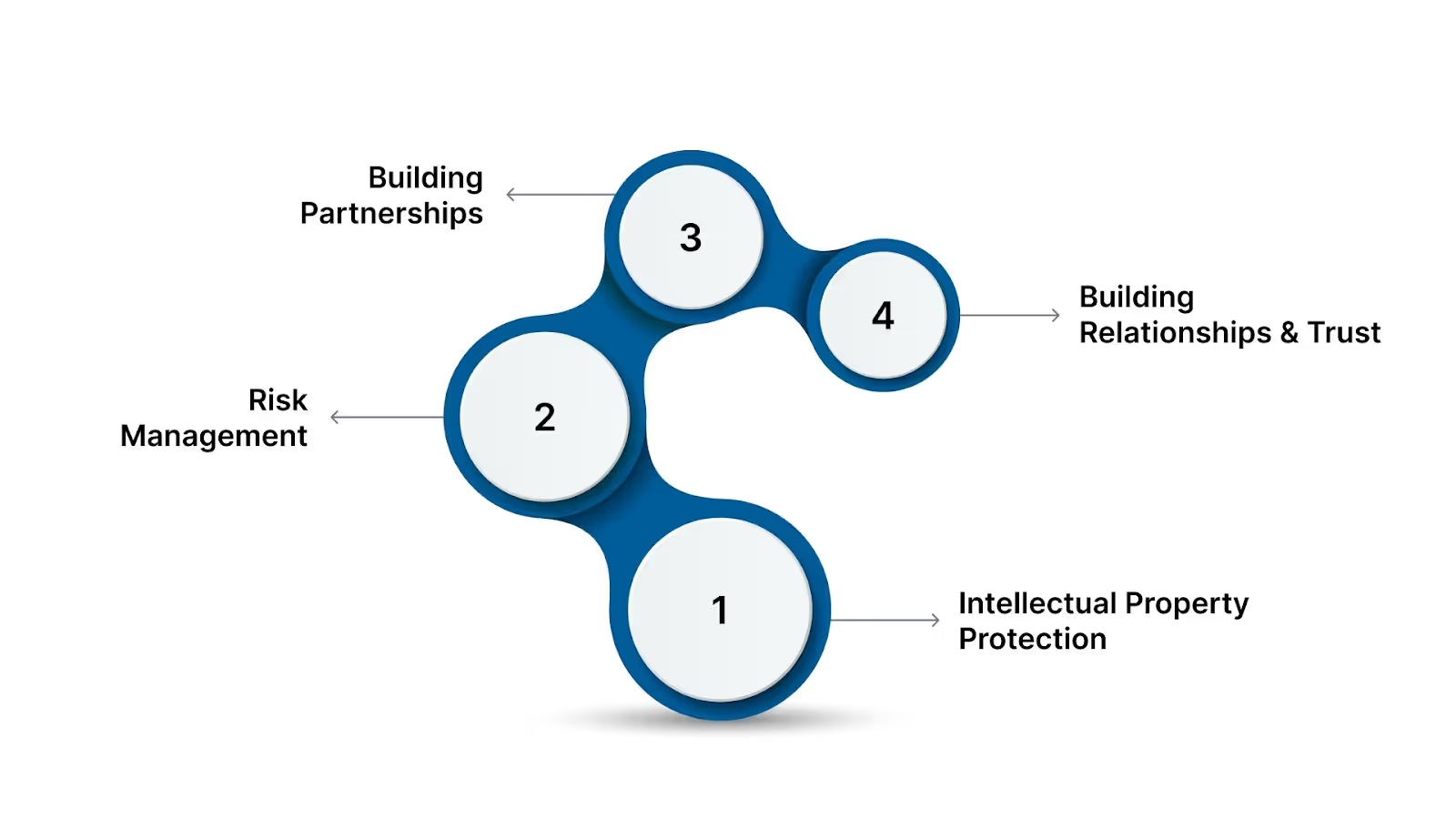
Alt text: Key Considerations for Australian Business Setup Services in India
Setting up an Australian business in India involves managing key legal and operational differences. Here’s what you need to know:
These considerations are critical in ensuring a successful and compliant business setup in India, making the entry process smoother and more efficient.
With the right considerations in mind, the next step is to gather the necessary documents to register your business officially in India.
Registering a company in India as an Australian business requires careful attention to documentation and legal compliance. Here's a breakdown of what you'll need:
Your business will be fully compliant and ready to operate in India when you ensure all the above documents and requirements are in place.
Also Read: Documents Needed For Company Registration In India From The US
Once you have your documents ready, here’s a clear step-by-step guide on how to complete the company registration process in India.
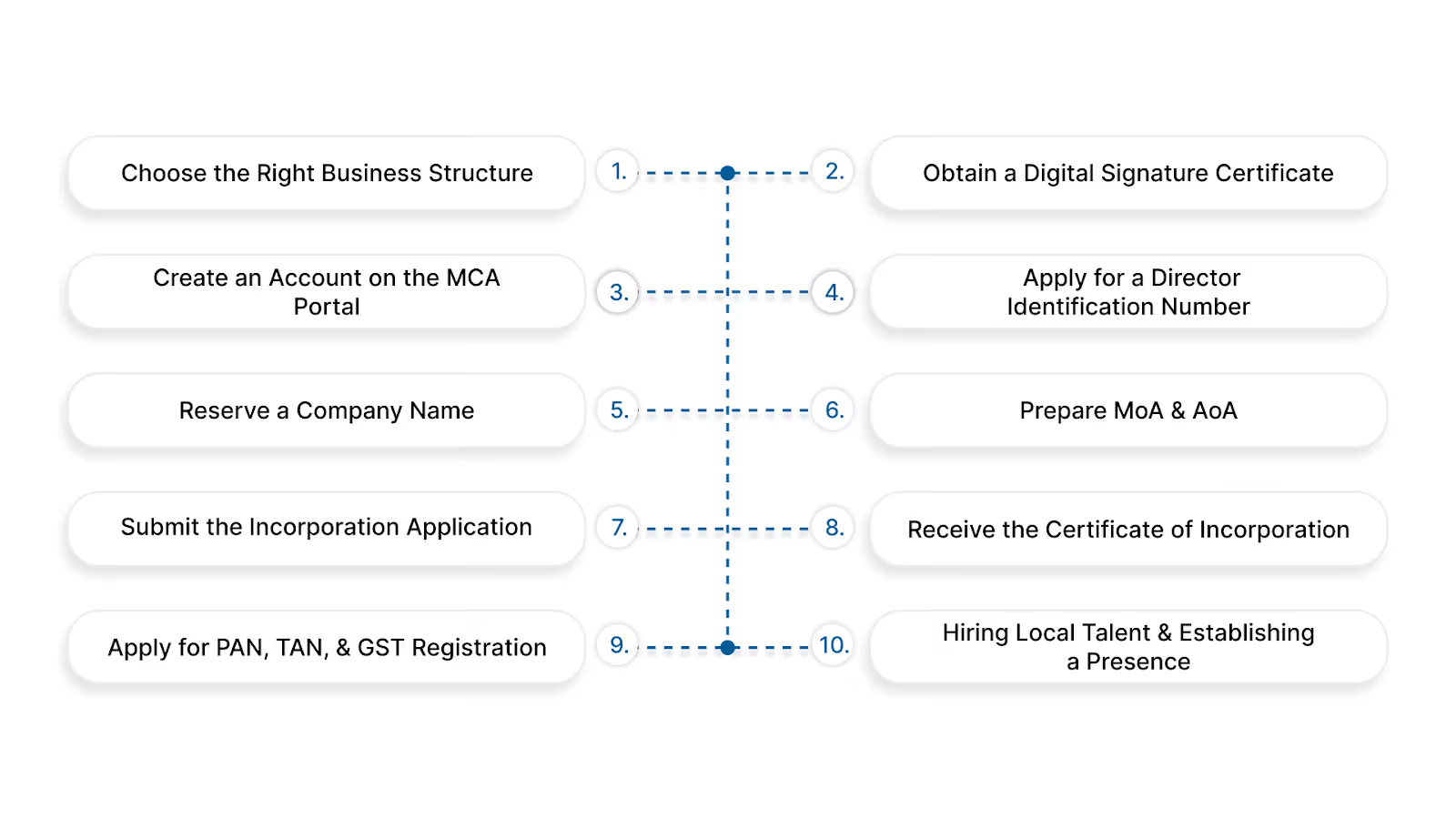
Alt text: Steps to Setting Up an Australian Business in India
Starting your Australian business in India can be a rewarding opportunity, but it requires tackling several steps to ensure everything is legally set up. Here’s a detailed guide to help you understand the process clearly and efficiently.
The first step is to choose the right business structure that aligns with your objectives:
Consulting with business setup experts can help determine which structure fits your business model. VJM Global’s experienced team can guide you through the process, ensuring that you choose the most suitable structure for your business needs and long-term goals.
A Digital Signature Certificate (DSC) is mandatory for signing electronic documents with the Ministry of Corporate Affairs (MCA). This is required for all directors. You can get a DSC from authorized Certifying Authorities (CAs), and it’s typically issued within a day.
Next, you need to create an account on the MCA portal. This portal is crucial for accessing all forms, submitting documents, and managing your company’s compliance tasks online.
Every director in your company must have a Director Identification Number (DIN). To obtain a DIN, fill out the SPICe+ form and submit identity proof. You’ll need at least two directors to proceed, with at least one being a resident of India.
Once you have the DIN, the next step is to choose and reserve a unique name for your company. You can do this through the RUN (Reserve Unique Name) service on the MCA portal. Ensure the name complies with MCA guidelines, including avoiding names that violate government rules.
The MoA outlines the core objectives and business structure, while the AoA sets the internal rules and governance framework of your company. These documents must be prepared and finalized before submission.
After preparing the MoA and AoA, submit them along with other required documents via the SPICe+ form to the Registrar of Companies (RoC) on the MCA portal. Double-check the entries and documents for accuracy to avoid delays.
Once your application is approved, you will receive the Certificate of Incorporation from the RoC. This confirms that your company is now legally recognized in India. If you're registering a public limited company, you will also need to obtain the Certificate of Commencement of Business before you can begin operations.
Once your company is incorporated, there are several post-incorporation steps to keep in mind:
After incorporation, you must apply for:
These registrations are essential for the smooth running of your business in India.
To succeed in India, it’s essential to:
Setting up an Australian business in India is a strategic move, but it requires careful planning, compliance with local laws, and an understanding of the Indian market.
VJM Global is here to help you through every step of the company registration process, ensuring seamless compliance and a successful business setup in India. Book a demo for expert guidance and support.
Also Read: Company Registration Cost in India Explained
Setting up in India can come with its own set of challenges, but with the right approach, these obstacles can be managed effectively. Let’s explore this further.
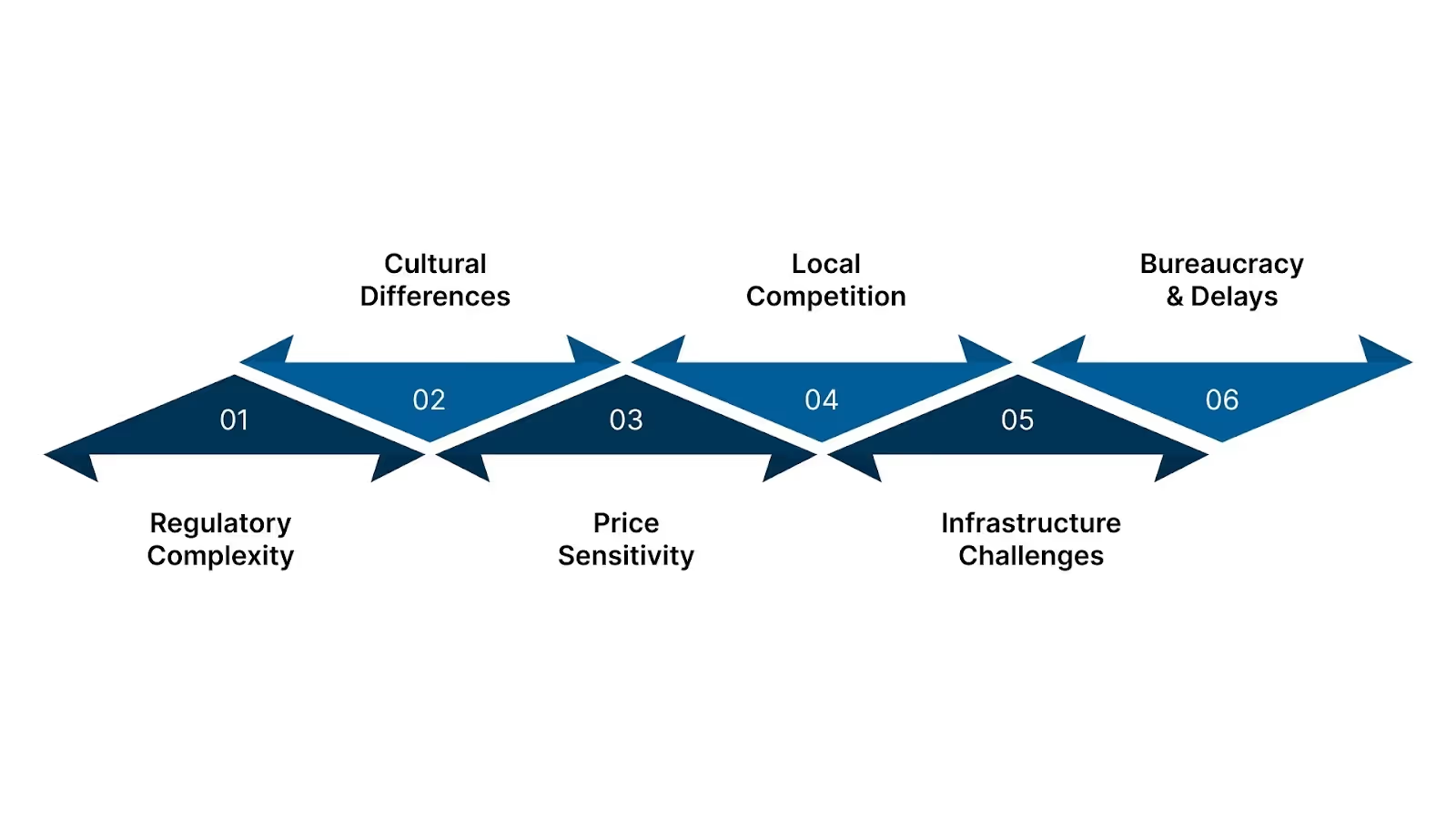
Alt text: Overcoming Challenges in Indian Company Incorporation from Australia
Setting up a business in India from Australia presents several challenges that require careful planning and local expertise.
FDI guidelines vary by sector, and the approval process can be time-consuming. Complying with these rules, especially in industries such as IT or manufacturing, requires a clear understanding of the local legal environment.
India's diverse market means that what works in Australia may not directly translate into success there. Cultural preferences, consumer behavior, and even regional differences can affect product reception.
For instance, foreign food brands often need to adapt their offerings to align with local tastes and dietary habits to build traction in the Indian market.
While quality is important, businesses must focus on delivering value for money. This could mean adjusting pricing strategies and product positioning to cater to a larger, price-sensitive market, especially in industries like retail or consumer electronics.
India’s market is home to well-established local brands that enjoy strong consumer trust. Competing with these brands requires a high degree of localization, both in terms of product offerings and marketing strategies.
Inconsistent infrastructure and logistics networks can pose challenges, especially in rural areas. Issues such as supply chain delays and limited regional connectivity may increase operational costs and delay delivery.
Understanding these hurdles is crucial when planning the logistics of your operations in India.
Bureaucratic inefficiencies are common in India and can delay the issuance of permits, licenses, and approvals. Businesses often experience slower processing times than in Australia, making it essential to work with local consultants to expedite the process.
VJM Global provides comprehensive support in tackling the Indian market, from company registration to tax planning and compliance. With our expert guidance, Australian businesses can confidently overcome obstacles and establish a successful presence in India. Get started today.
Now, let’s better understand how VJM Global can help you ensure your business’s successful entry into the Indian market.
Expanding into the Indian market is a significant step, and VJM Global is here to simplify the process. Here’s how we can assist you:
With VJM Global’s expertise, your Australian business can confidently enter and thrive in the Indian market.
Expanding your Australian business into India offers vast opportunities, but understanding the regulatory, cultural, and market nuances is essential for success. While challenges like compliance complexity, local competition, and infrastructure can seem challenging, with the right guidance, these obstacles can be easily overcome.
Partnering with experts like VJM Global, you can manage these complexities with confidence. Our team offers the support you need for a seamless entry into one of the world’s most promising markets, from setting up your business to ensuring ongoing compliance.
Ready to explore the potential of India? Get in touch with VJM Global today and take the first step towards a successful business venture in India!
Yes, Australian citizens can start a business in India. India allows 100% Foreign Direct Investment (FDI) in many sectors under the automatic route, simplifying the process for foreign investors.
Australians can choose from several business structures in India, including Private Limited Companies, One-Person Companies (OPC), Limited Liability Partnerships (LLP), and Branch Offices, depending on their business goals.
Key legal requirements include registering your company with the Ministry of Corporate Affairs (MCA), obtaining a Digital Signature Certificate (DSC) and a Director Identification Number (DIN), and ensuring compliance with tax laws such as GST.
Australian businesses often face challenges like facing India’s complex regulatory environment, understanding local consumer behavior, managing price sensitivity, and competing with established local brands.