
The global jewelry market is worth roughly $233 billion in 2024 and is expected to reach more than $344 billion by 2032. With such high value per piece and rising demand, even a minor accounting error can seriously impact profits.
Jewelry businesses are not like regular retail shops. Pieces often involve precious metals, gemstones, custom designs, and fluctuating material costs. That makes tracking inventory, material purity, labor costs, and overhead far more complicated than in typical retail or service businesses.
If you run a jewelry shop or manage a gem‑export business, accounting practices that are customized to the jewelry industry can make a significant difference in your bottom line.
This blog will cover key tips for accounting for jewelers. Get actionable insights to manage your finances, reduce risk, and simplify operations.
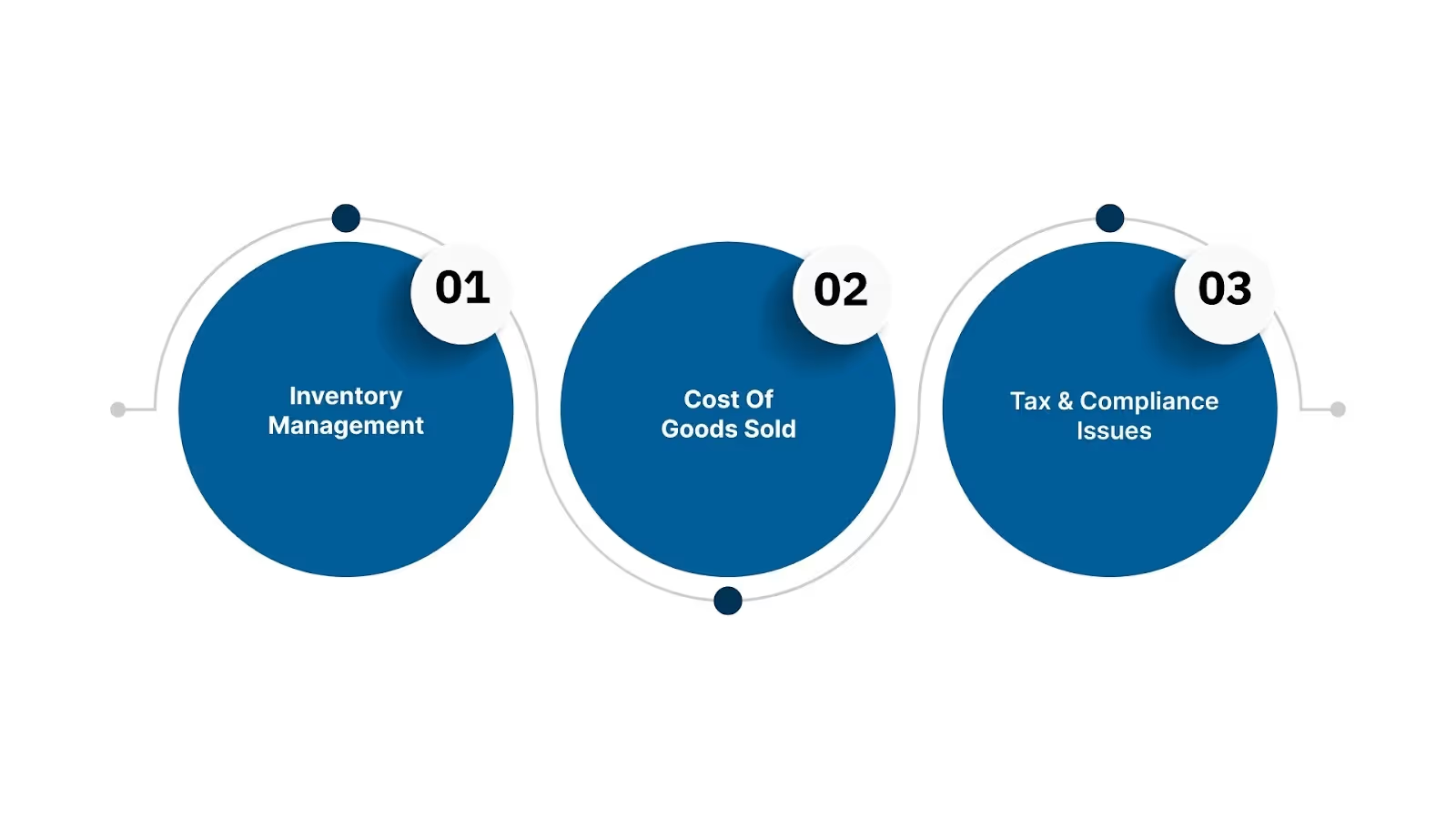
Accounting for jewelry businesses requires specialized knowledge that goes beyond traditional retail. Jewelers handle valuable materials, unique pricing, and intricate tax issues, which make their accounting needs distinct.
1. Inventory Management
Unlike typical retail businesses, jewelers manage precious metals, gemstones, and custom designs. These materials fluctuate in price and quality, which means proper inventory tracking is crucial.
For example, the price of gold changes daily, and without accurate tracking, you could overpay for materials or misprice your products.
2. Cost of Goods Sold (COGS)
COGS in the jewelry business isn't just about raw materials. It also includes labor costs involved in crafting a piece, which can be complex to calculate.
For example, when pricing a necklace, the COGS would include:
Failing to account for all these factors can lead to inaccurate profit margins and pricing, potentially underpricing your products or cutting into your profits.
3. Tax and Compliance Issues
Jewelry businesses face several tax challenges, including sales tax, VAT, and import/export duties. These taxes vary by region and can be challenging to navigate.
Without proper tax tracking, you risk running into compliance issues or even legal trouble.
Suggested Read: How to Manage Accounting for Small Businesses
With an understanding of the unique accounting needs of jewelers, let's explore the best practices that will ensure your jewelry business runs smoothly and stays financially healthy.
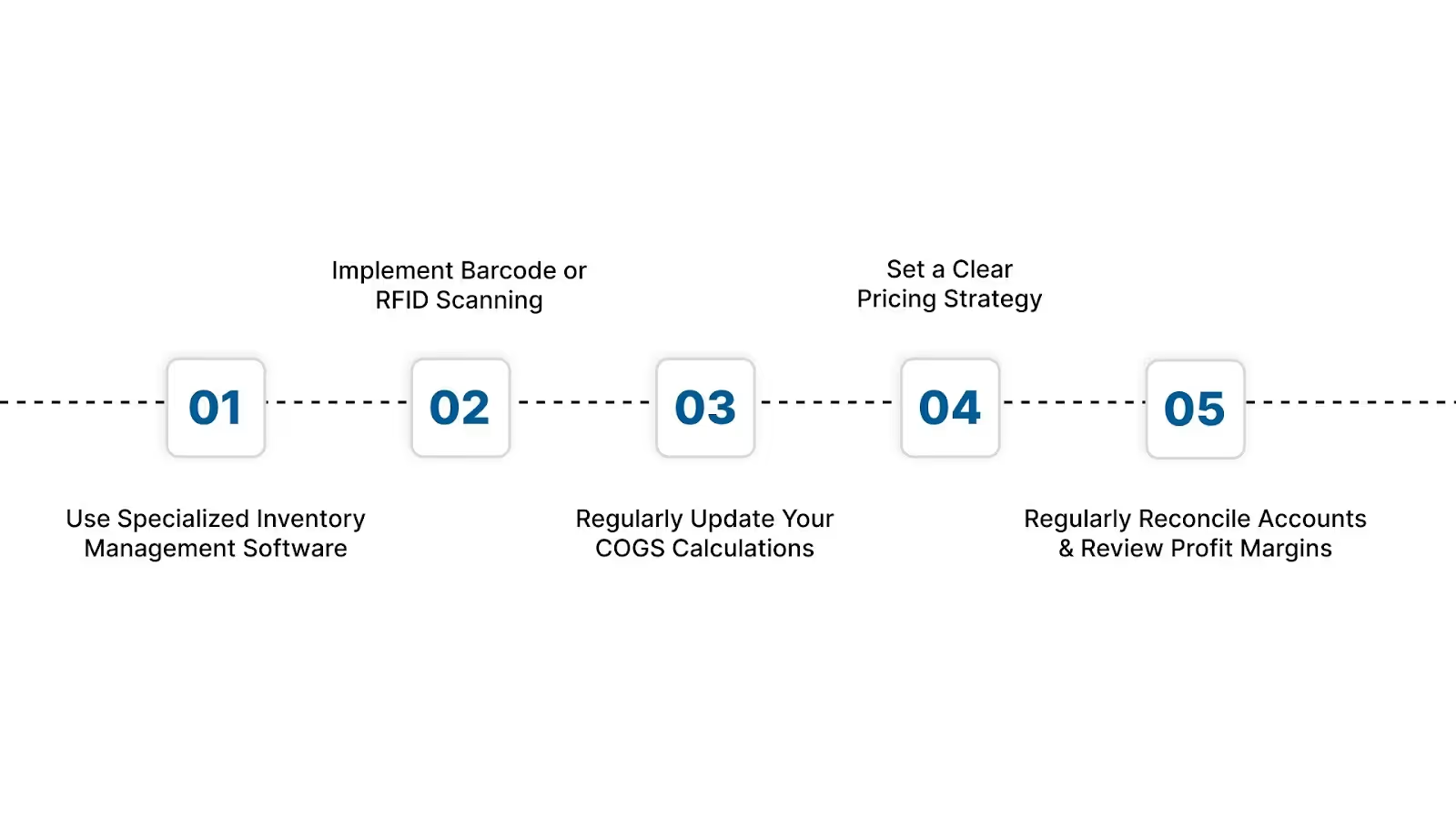
Running a jewelry business isn't just about creating beautiful pieces. Every material, from gold to diamonds, should be tracked and accounted for. Without a solid inventory and cost-tracking system, even the best designs can end up a financial headache.
Here are some best practices that will make managing your jewelry business's finances easier and more accurate.
Tracking the movement of high-value items like gold, diamonds, and precious metals can quickly become overwhelming. Manual tracking is not only inefficient but also prone to errors.
Let's say you've just crafted a custom ring using 5 grams of 18K gold and forgot to update the inventory. The next time you need gold, you might find yourself short or worse, overpaying because of poor tracking.
Jewelry items are small and valuable, and traditional inventory-tracking methods (such as written records) can lead to costly mistakes. Barcodes or RFID tags provide a more accurate and faster way to manage your inventory.
In the jewelry industry, material costs fluctuate constantly. If you're making a ring, the cost of gold may rise by 10% over the course of a month. If you don't update your COGS calculation, you could be underpricing the piece and eating into your profit margins.
Pricing jewelry isn't just about covering the cost of materials and labor; it's about setting a price that also accounts for future price fluctuations and market trends.
If you're crafting a necklace using gold and diamonds, and the price of gold increases, your current pricing strategy may no longer be valid. Instead of absorbing the cost, build in a price buffer to account for price variation, so you don't lose money if prices shift unexpectedly.
Reconciliation ensures that what you've recorded in your books matches up with actual stock levels, sales, and expenses. It's easy for discrepancies to sneak in, especially with high-value inventory. Regular checks ensure you spot problems before they become costly mistakes.
There you go! By following these accounting best practices, you'll:
These strategies will help you stay competitive, compliant, and profitable, ensuring that your jewelry business is built on a solid financial foundation.
At VJM Global, we provide cloud-based solutions to automate and simplify your accounting processes, ensuring you focus on what you do best - creating beautiful jewelry. Reach out now to learn how we can support your jewelry business with expert accounting solutions.
Accurate bookkeeping is the foundation of any successful business, and it's especially crucial in the jewelry industry. Given the unique nature of jewelry production, where costs can fluctuate with material prices and labor, maintaining clear financial records helps jewelers track profitability, control expenses, and make informed decisions.
But first, what actually is bookkeeping?
Bookkeeping involves the recording, organizing, and tracking of all financial transactions. This includes sales, expenses, and everything in between. For jewelers, this also means accurately recording:
A jeweler with poor bookkeeping may not realize they've overpaid on materials or missed essential tax deductions. Without a clear record, they risk failing to capture potential savings.
Regularly update your bookkeeping records to ensure you're always aware of your cash flow and profitability. Proper bookkeeping also helps with tax compliance, avoiding issues with sales tax or VAT.
Also Read: Key Differences Between Bookkeeping and Accounting Explained
In the jewelry business, bookkeeping errors can have serious consequences. The complexity of tracking raw materials and finished goods makes it easy to overlook certain transactions or misclassify expenses.
Maintain separate accounts for business and personal expenses. Bookkeeping errors can cost your company far more than you might think. With VJM Global's expert bookkeeping services, we help jewelers avoid common mistakes that lead to lost profits and tax issues.
So, let us handle your bookkeeping, and you can focus on growing your jewelry business with confidence.
In the U.S., there is no federal VAT; instead, most states impose a sales tax or "use tax." Sales tax rates vary by state, typically ranging from 2.9% to 7.25% at the state level, and local jurisdictions can add more on top.
Because jewelry is high-value and often sold online or across state lines, jewelers must carefully manage nexus (physical presence, inventory location, etc.) to know when they must collect sales tax for each state where a customer is located.
Failing to get this right can cause audits, fines, or penalties by state tax authorities.
Now, let's think globally. For jewelers sourcing materials globally or exporting finished jewelry:
This complexity makes it essential to maintain detailed records of all transactions, imports/exports, and material purchases.
Because state sales tax laws vary by state, 588 combined sales tax rate changes and new rules were recorded across U.S. states in 2024 alone. That's a lot of movement for a jeweler selling across states to track.
Misclassifying items, failing to collect tax, or using outdated rates can lead to audits, fines, back taxes, and lost profits. For exports or international sales, incorrectly handled VAT or customs duties can trigger delayed shipments, additional responsibilities, or legal compliance issues.
So here's what you, as a jeweler, should do to stay safe:
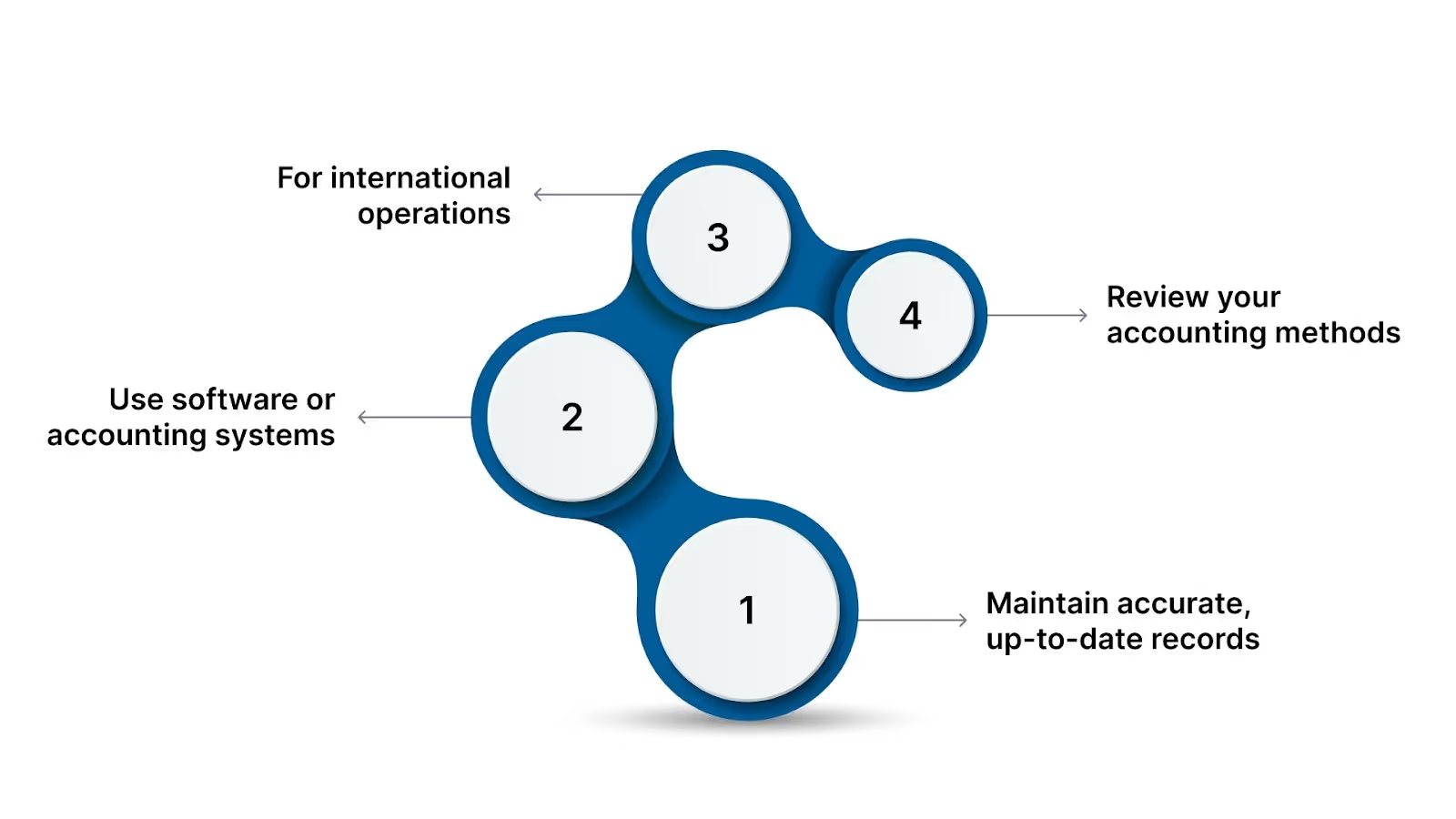
Tax and compliance are not optional extras. Mishandling them can cost more than gold itself. VJM Global's tax experts can help you process these complexities and ensure you remain compliant.
Schedule a consultation with us to remove the risk from your tax strategy and safeguard your jewelry business from costly mistakes.
The jewelry industry faces specific challenges from fluctuating material costs to complex inventory management, which means a generic accounting system won't cut it. Specialized accounting software can ease your operations, reduce errors, and make tax compliance easier.
Here are some top accounting software options for the jewelry industry:
Options are fine, but how do you decide the right one with all the suitable features?
When choosing the best accounting software for your jewelry business, here are a few must-have features:
No matter what you choose, make sure the software aligns with your unique needs and helps you stay compliant and profitable.
Running a jewelry business involves more than just selling beautiful pieces; it requires mastering the complexities of inventory, costs, taxes, and compliance. With the proper accounting practices in place, you can not only stay compliant but also improve profitability and ease operations.
At VJM Global, we specialize in helping jewelry businesses figure out these challenges with precision and expertise. Here's how we can assist:
Partner with VJM Global today to get expert accounting support, tax compliance, and strategic financial management tailored specifically for your jewelry business. Contact us now to learn how we can simplify your operations and set you up for long-term success.
Inventory for a jeweler includes raw materials (such as gold, silver, and gemstones), work‑in‑progress pieces, and finished jewelry ready for sale.
COGS must factor in the cost of precious materials used (metals, stones), labor for crafting, and any overheads related to production.
Because jewelry involves high‑value materials and fluctuating costs, accurate bookkeeping helps track every expense, revenue, and inventory change. This ensures margins and tax records stay correct.
While general tools might work for basic record‑keeping, jewelers benefit more from software that supports inventory tracking with raw materials, multi‑item valuation, and COGS calculations tailored to precious goods.
Jewelry sales typically require charging and remitting state sales tax (not a federal tax). Because rates and rules vary by state, jewelers selling across states, especially online, must track nexus and location-based tax rates and maintain accurate sales records.