%20(14).avif)
India’s media industry is experiencing a significant change, with digital media now commanding nearly 46% of the total advertising spend in 2025, up from 24% in 2020. This shift presents tremendous growth opportunities for entrepreneurs eager to capitalize on the booming digital space. However, the process of registering a media company in India from the U.S. can be complex, especially with the country’s intricate regulatory domain.
This blog will explore key steps, including choosing the right business structure, understanding legal requirements, and preparing the necessary documentation. We’ll also cover essential compliance and taxation aspects to ensure you’re fully equipped to handle the regulatory framework. Let’s get started.
A media company creates, curates, and distributes content to engage an audience. If you regularly produce content with professional editors or writers, you are operating in the media business. This content can take multiple forms and reach audiences through various channels.
.avif)
The activities of a media company typically include the following:
These activities enable media companies to evolve with the digital age and maximize their content’s impact.
Once you know what a media company does, it's important to choose the right structure to set your business up for success.
When starting a media business in India from the U.S., the right company structure is crucial for establishing credibility, protecting your assets, and managing risk. You can opt for one of the following structures:
Choosing the right structure for your media business ensures legal protection and sets a strong foundation for growth and success in India’s dynamic market.
Also Read: Benefits of LLP Registration in India
Now that you've selected your business structure, let's go through the steps needed to register your media company in India from the U.S.
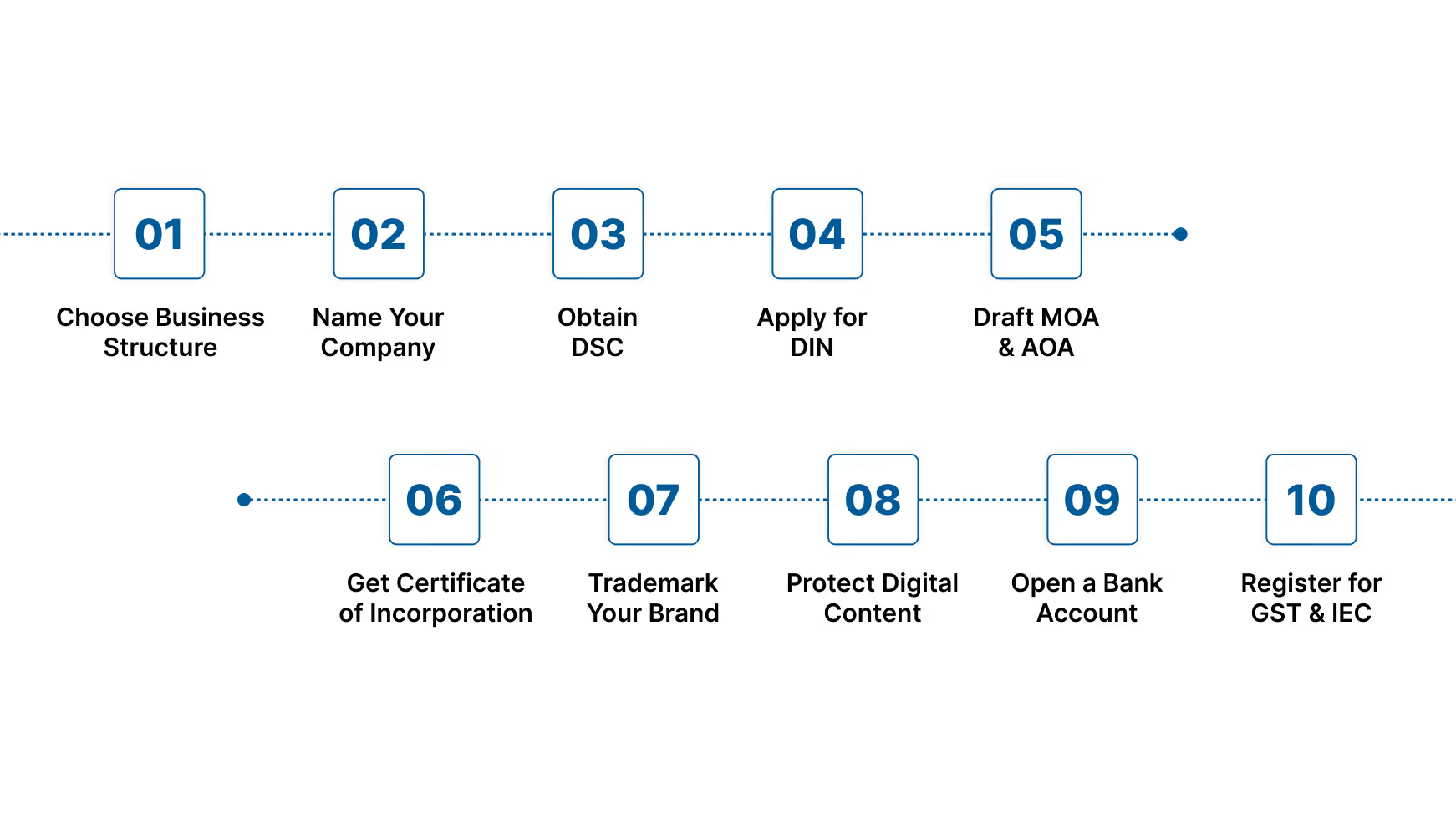
Registering a media company in India from the U.S.requires navigating several key steps. Here’s a concise guide to ensure a smooth setup:
Decide whether you want to set up as a Private Limited Company, One Person Company (OPC), or LLP. The right structure depends on your goals, revenue model, and the type of media work you plan to do (film production, broadcasting, digital publishing, etc.).
Select a unique name for your company that reflects the media focus. Check availability on the Ministry of Corporate Affairs (MCA) website. Filing Point helps reserve your chosen name through the SPICe+ Part A process, ensuring it is legally valid and brand-ready for future growth.
A Digital Signature Certificate (DSC) is required for all company directors to sign documents electronically. It’s essential to submit your registration documents online, which can be obtained from government-approved agencies.
A Director Identification Number (DIN) is a unique identification number issued by the MCA for each company director. The DIN application is usually processed during incorporation itself. This step is crucial to ensure that your directors are compliant with MCA regulations.
The Memorandum of Association (MOA) and Articles of Association (AOA) define your company's objectives and operational rules.
MOA (Memorandum of Association) defines your business objectives (e.g., content creation, broadcasting, publishing). AOA (Articles of Association) sets the internal rules and governance model for your company.
These documents form the backbone of your media business’s legal identity.
Submit the SPICe+ Form Part B along with the MOA, AOA, ID/address proofs, and PAN of directors.
Once approved, you’ll receive:
After submitting all required documents and paying the registration fees, the MCA will verify and issue a Certificate of Incorporation, officially registering your company.
Trademark your company name and logo to secure your brand identity. Protect your company’s name and logo under Classes like 41 (entertainment services) or 38 (broadcasting). Secure rights over films, scripts, music, or other creative works your company produces. This ensures your creative assets are legally protected from misuse.
In the current digital age, protecting your media content is essential. Consider these measures:
Once your company is incorporated, you can open a corporate bank account to handle financial transactions. This account will be essential for managing financial transactions, receiving payments from clients, and maintaining proper accounting records.
The bank will require documents like the Certificate of Incorporation, PAN card, proof of identity for directors, and company address proof.
GST is mandatory if your turnover exceeds the prescribed threshold (₹20–40 lakh, depending on the state). For international transactions, apply for an Import Export Code (IEC) to engage in cross-border trade legally. It also helps you claim input tax credits and ensures your business is tax-compliant.
Following these steps will ensure that your media company is registered, compliant, and ready to operate in India’s dynamic industry.
Also Read: Documents Needed For Company Registration In India From The US
At VJM Global, we guide you through every step of setting up your media company in India. Our experts ensure that your business is fully compliant with Indian tax laws, from choosing the right business structure to handling GST registration and securing your Import Export Code (IEC). Talk to our experts today!
Before launching your media company, make sure to implement the following legal steps to ensure you're fully compliant.
Before launching your media company, several legal procedures must be completed to ensure that your business is compliant with regulations and protected from potential liabilities. Here's what you need to do:
This will prevent any misunderstandings or legal disputes. Be precise in outlining expectations and include a disclaimer to protect yourself from potential liabilities.
Also Read: Company Registration Cost in India Explained
Completing these legal steps ensures that your media company is ready for launch while minimizing the risk of future legal complications.
With VJM Global's expertise, we ensure your media company meets all legal requirements and compliances. We offer tailored support throughout the incorporation process, right from registering directors to securing a registered office and managing capital requirements.
Next, let’s look at a simple checklist to help you ensure all necessary legal requirements are met for incorporating your media company.
When registering a media company in India from the U.S., several key legal requirements must be met to ensure compliance. Here’s a comprehensive checklist to guide you through the process:
Completing these steps ensures that your media company is legally registered and ready to operate within the regulatory framework in India.
Also Read: How to Close a Registered Company in India: Step-by-Step Guide
Now that you're familiar with the process, VJM Global is here to guide you every step of the way, making the process seamless and efficient. Here’s how.
Starting a media company in India from the U.S. can be overwhelming, but with VJM Global’s expertise, you can confidently manage the entire registration process. Here's how we can help:
If you’re looking to register and launch your media company in India with confidence and ease, VJM Global offers the expert support you need every step of the way.
Starting a media company in India from the U.S. offers exciting opportunities in a rapidly growing market. However, the registration process can be complex, requiring careful attention to legal, financial, and compliance details. Each step is crucial for setting up a successful business, right from selecting the right business structure to registering trademarks and ensuring tax compliance.
VJM Global simplifies this process, providing expert guidance every step of the way. Our tailored services ensure your media company meets all legal requirements while allowing you to focus on growth.
Let VJM Global help you launch your media company in India with assured confidence and compliance. Contact us today to get started!
Not registering your trademark or copyright exposes your brand and content to a range of risks. You could lose exclusive rights over your logo or creative works, making it easier for competitors to infringe or pirate your content.
Some of the top media companies in India include Eros International Media, PVR, TV 18, Balaji Telefilms Ltd., HT Media, Sun TV Networks, Sony Pictures Network, and Zee Entertainment Enterprises. These companies are leaders in broadcasting, entertainment, and content production.
Zee Entertainment Enterprises stands as India’s largest media company in terms of net sales. Its widespread presence across TV, digital platforms, and production studios solidifies its position as an industry giant.
Media companies primarily focus on creating, managing, and distributing content through various channels like TV, digital media, and print. They handle advertising, public relations, and media management to enhance their clients' brand image and engagement with the public.
Registering your content under copyrights and trademarks is essential. It helps protect your media company's assets, ensuring you have the legal grounds to act against any infringement and defend your intellectual property.