Mergers and acquisitions continue to dominate boardroom strategies, with a 2024 survey revealing that 72% of executives expect their next M&A deal to occur by the first half of 2025 18% before the end of 2024, and 54% in early 2025.
With deal activity accelerating, accurate valuation has never been more important, and so ASC 805 (Business Combinations) becomes essential.
ASC 805, issued by the Financial Accounting Standards Board (FASB), provides the framework for recognizing and measuring assets, liabilities, and goodwill during business combinations. For U.S. businesses expanding globally or acquiring offshore entities, understanding these rules ensures accuracy, compliance, and transparency in financial reporting.
If you’re managing an acquisition, VJM Global can support you in applying ASC 805 valuations correctly, ensuring your reports meet both U.S. and international expectations.
核心要点:
ASC 805 governs business combinations and ensures that mergers and acquisitions are reported accurately under U.S. GAAP.
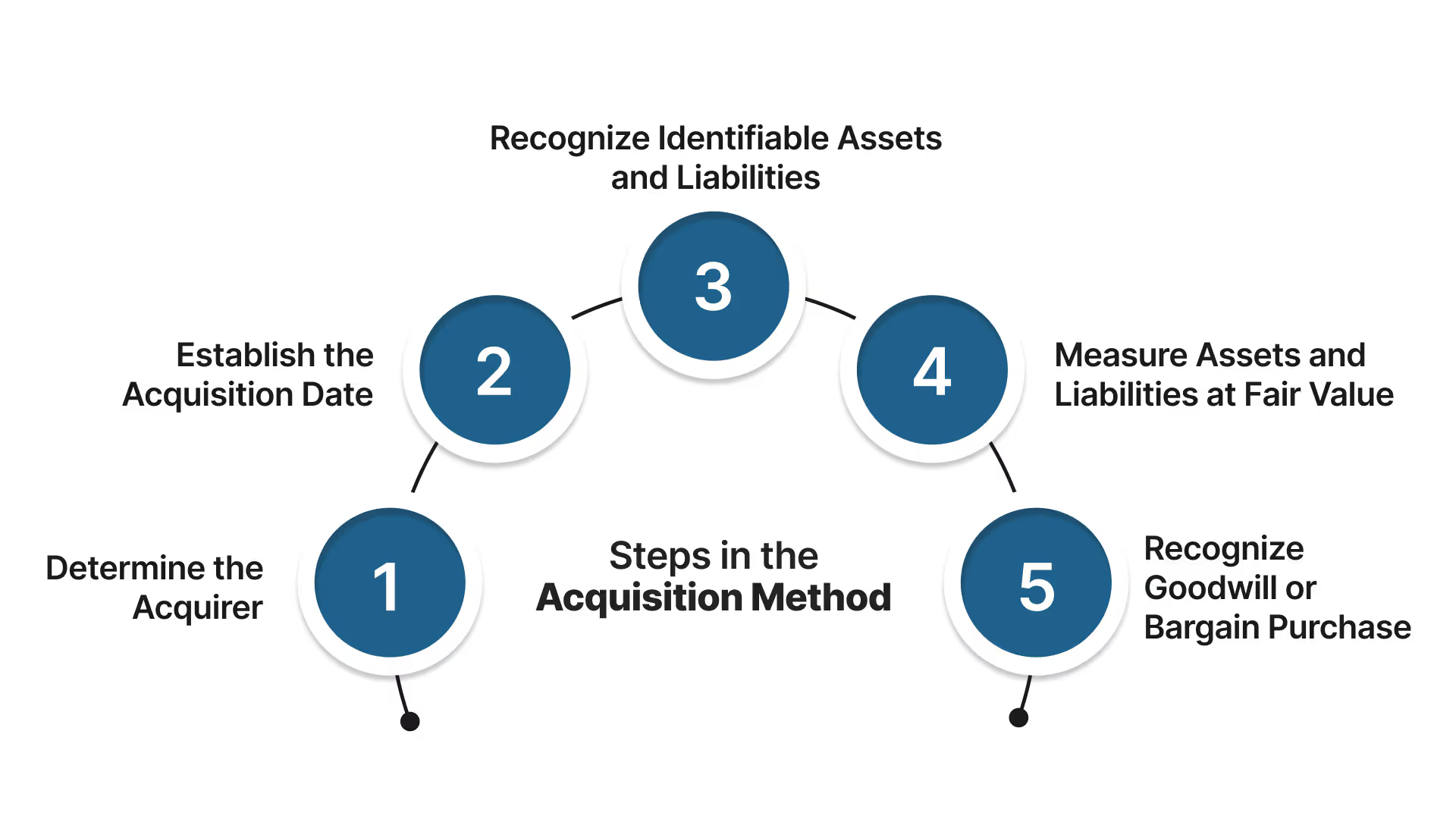
The acquisition method is mandatory, requiring identification of the acquirer, fair value measurement of assets and liabilities, and recognition of goodwill.
Purchase Price Allocation (PPA) is critical for assigning fair value to acquired assets and liabilities, with ASC 820 guiding valuation techniques.
Transparency builds investor confidence, and engaging third-party valuation experts helps ensure compliance, accuracy, and audit readiness.
Early preparation is key, aligning with valuation specialists before closing a deal can help avoid costly mistakes.
What Is ASC 805? (Definition and Purpose)
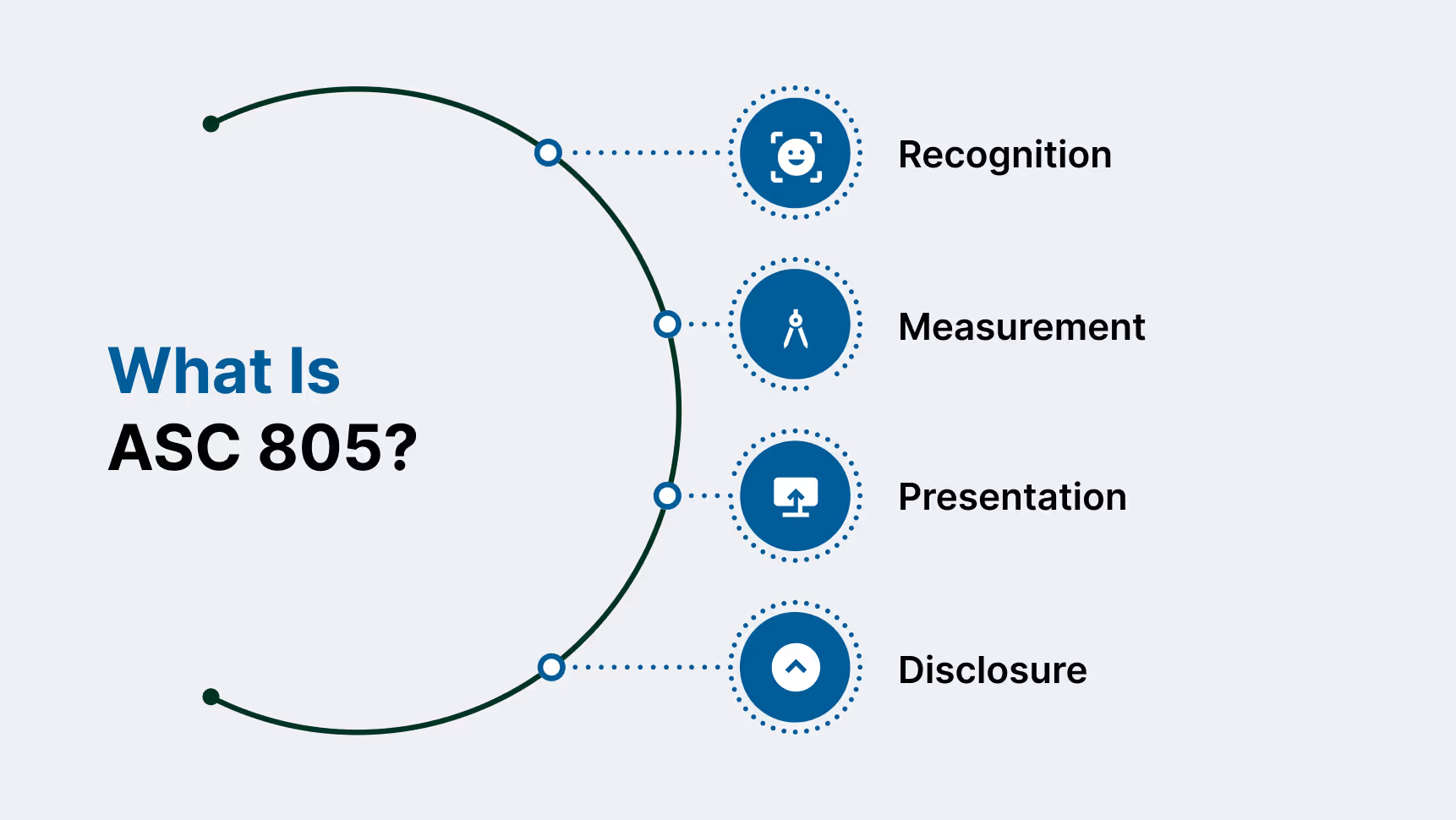
ASC 805 is the U.S. GAAP framework for accounting for business combinations. In simple terms, it establishes how companies recognize, measure, and disclose the assets, liabilities, and goodwill arising from mergers and acquisitions.
By standardizing M&A accounting, ASC 805 ensures that stakeholders see a clear, consistent, and transparent picture of how acquisitions affect a company’s financial position. It covers the following:
Recognition: Identifying whether a transaction qualifies as a business combination and which entity is the acquirer.
Measurement: Determining the fair value of acquired assets, assumed liabilities, and any resulting goodwill.
Presentation: Showing the impact of the acquisition on consolidated financial statements.
Disclosure: Providing investors and regulators with details about the transaction, valuation methods, and assumptions used.
ASC 805 gives businesses a structured approach to handling the complexities of acquisitions, making valuations more reliable and financial reporting more credible.
Outsource your bookkeeping and save time without compromising accuracy. Let us handle the books.
Once you understand what ASC 805 is, the next step is recognizing why it plays such a crucial role in financial reporting, especially in today’s deal-driven environment.
Why ASC 805 Matters for Your Financial Reporting
Accurate valuation in business combinations is more than just a technical requirement; it is a cornerstone of financial transparency and credibility.
Here’s why ASC 805 is important:
Investor Confidence: Proper valuation ensures stakeholders can trust that assets, liabilities, and goodwill are presented at fair value.
Audit Readiness: Clear purchase price allocations (PPA) reduce disputes with auditors and avoid costly restatements.
Regulatory Compliance: ASC 805 aligns reporting with U.S. GAAP standards, lowering the risk of SEC scrutiny or penalties.
Strategic Insights: Accurate valuation helps management evaluate the long-term impact of acquisitions, from asset performance to goodwill impairment.
Who Does ASC 805 Apply To?
Understanding which entities must comply with ASC 805 Valuations for Business Combinations is essential for accurate financial reporting in mergers and acquisitions:
Public companies reporting under U.S. GAAP must follow ASC 805 for all mergers and acquisitions. This ensures consistent treatment of fair value, goodwill, and disclosure requirements.
Private companies preparing GAAP-compliant financial statements are also subject to ASC 805, though certain disclosure requirements may be simplified compared to public entities.
Multinational corporations and foreign subsidiaries that report under U.S. GAAP (e.g., overseas entities of U.S.-listed firms) must apply ASC 805 when acquiring or merging with other entities.
Special-purpose acquisition companies (SPACs) and entities involved in reverse mergers are also directly impacted, as ASC 805 provides guidance on identifying the acquirer and applying the purchase method.
Entities outside GAAP reporting (e.g., small partnerships or firms using cash accounting) may not be required to adopt ASC 805 unless they transition to GAAP standards.
Pro Tip: Even smaller private companies should understand ASC 805 basics. During M&A, compliance is not optional, and missteps in purchase price allocation or goodwill valuation can lead to costly restatements and investor concerns.
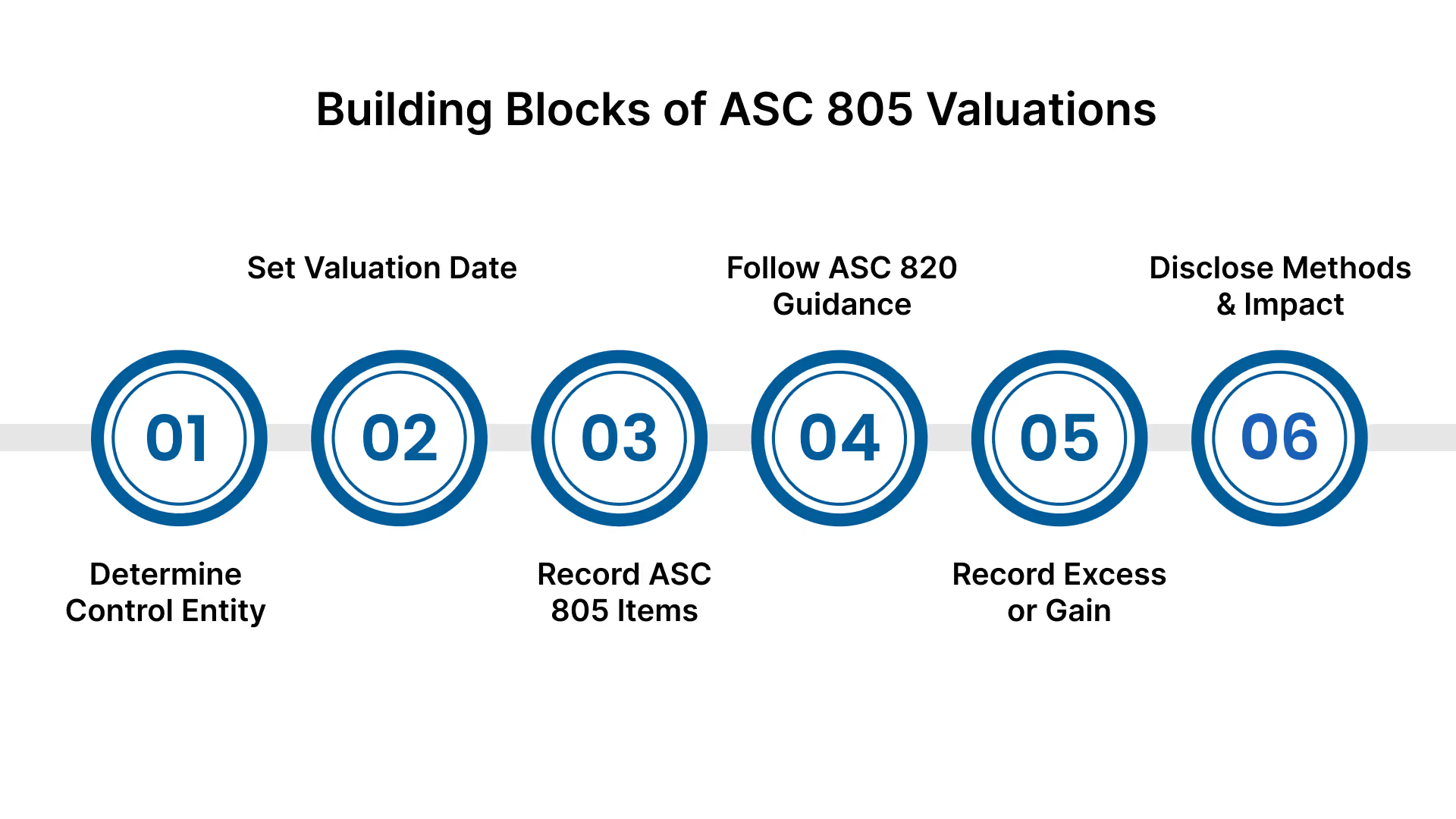
It’s essential to understand the core components that make up ASC 805 valuations. These elements set the foundation for accurate and transparent financial reporting in business combinations.


%20(1).avif)