


India is desirable for international businesses wishing to expand due to its enormous consumer base and quickly expanding economy. But, starting a business in India means negotiating a distinct and intricate regulatory landscape. A successful entry into this dynamic market requires an understanding of the many forms of business in India as well as the procedures involved in setting up a business in India. This blog post will walk international businesses through the important decisions and procedures involved in establishing a company in India.
India's large, young population, expanding middle-class consumption, and attractive Asian location offer foreign companies significant opportunities. The nation's diverse economy offers opportunities in technology, manufacturing, services, and retail.
Many Indian government projects, such as Made in India and Digital India, stimulate international investment and improve business conditions. The Indian market has drawbacks despite its benefits. International companies must be prepared for complex state-level laws and regulations.
Foreign firms establishing in India might select from several kinds of business entities. Business structure affects operational flexibility, tax liabilities, and legal constraints. Types of Business in India are:

To secure a seamless introduction into the Indian market and comply with Indian rules, foreign enterprises interested in setting up a business in India must undertake these steps:
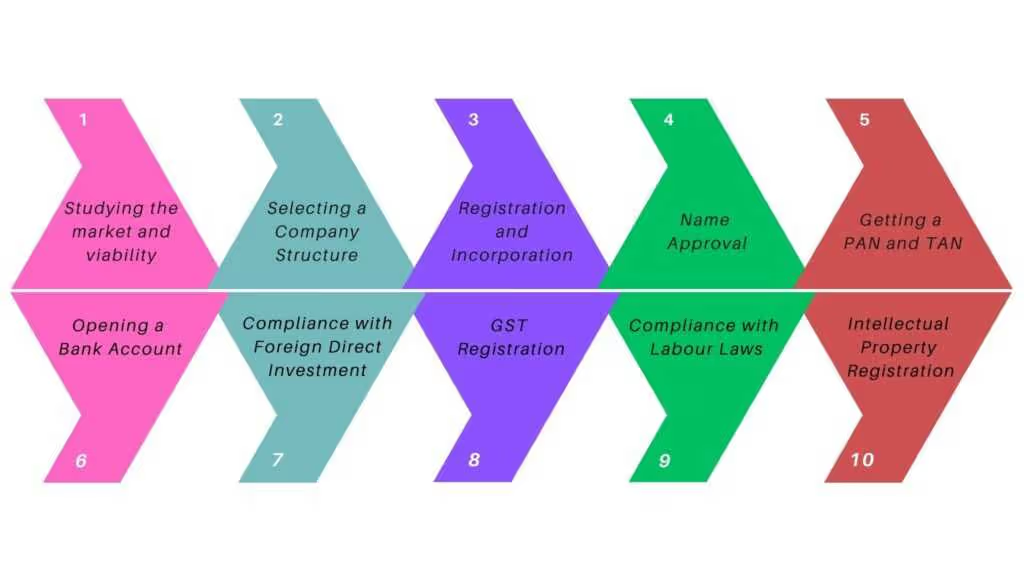
By setting Up a Business in India, foreign businesses can tap into one of the world's biggest and most dynamic marketplaces. Foreign enterprises can effectively build their presence in India by comprehending the diverse business types in the country and cautiously navigating the regulatory environment. With the appropriate plan, local partnerships, and legal compliance, foreign businesses can benefit from India's potential and help the nation's economy thrive.




