

%20(11).avif)
对于企业而言,理解财务合并可能是一项挑战,尤其是在管理可变利益实体中的权益时。ASC 810 在确定企业如何披露其与子公司及可变利益实体(VIE)之间的权益和关系方面发挥着至关重要的作用。如果不能清晰掌握 ASC 810,公司将面临合规性风险、报告不当以及财务报表错报,进而可能导致审计、罚款和利益相关者的信任危机。
本博客将解析 ASC 810 背后的核心原则,重点探讨财务报表合并的要求以及 VIE 的识别方法。您将获得确保合规并提高财务报告准确性所需的深刻见解。
ASC 810 是由财务会计准则委员会(FASB)制定的关键美国通用会计准则(U.S. GAAP),旨在指导公司进行财务报表合并。它确保拥有多个实体的企业在报告财务状况时保持合规,特别是在并购、收购或业务扩张期间。
该准则对于 SaaS 等行业尤为重要,因为这些行业的公司通常拥有复杂的投资和合作伙伴网络。ASC 810 帮助企业处理涉及收购、合资企业或使用可变利益实体(VIE)的情况。
ASC 810 提供了两种主要的合并模型:
这些模型对于理解如何确定控制权以及如何应用合并至关重要。
延伸阅读: 理解美国通用会计准则(US GAAP)租赁会计准则:综合指南
在定义了 ASC 810 之后,让我们了解它如何提高您财务报告的准确性和透明度。
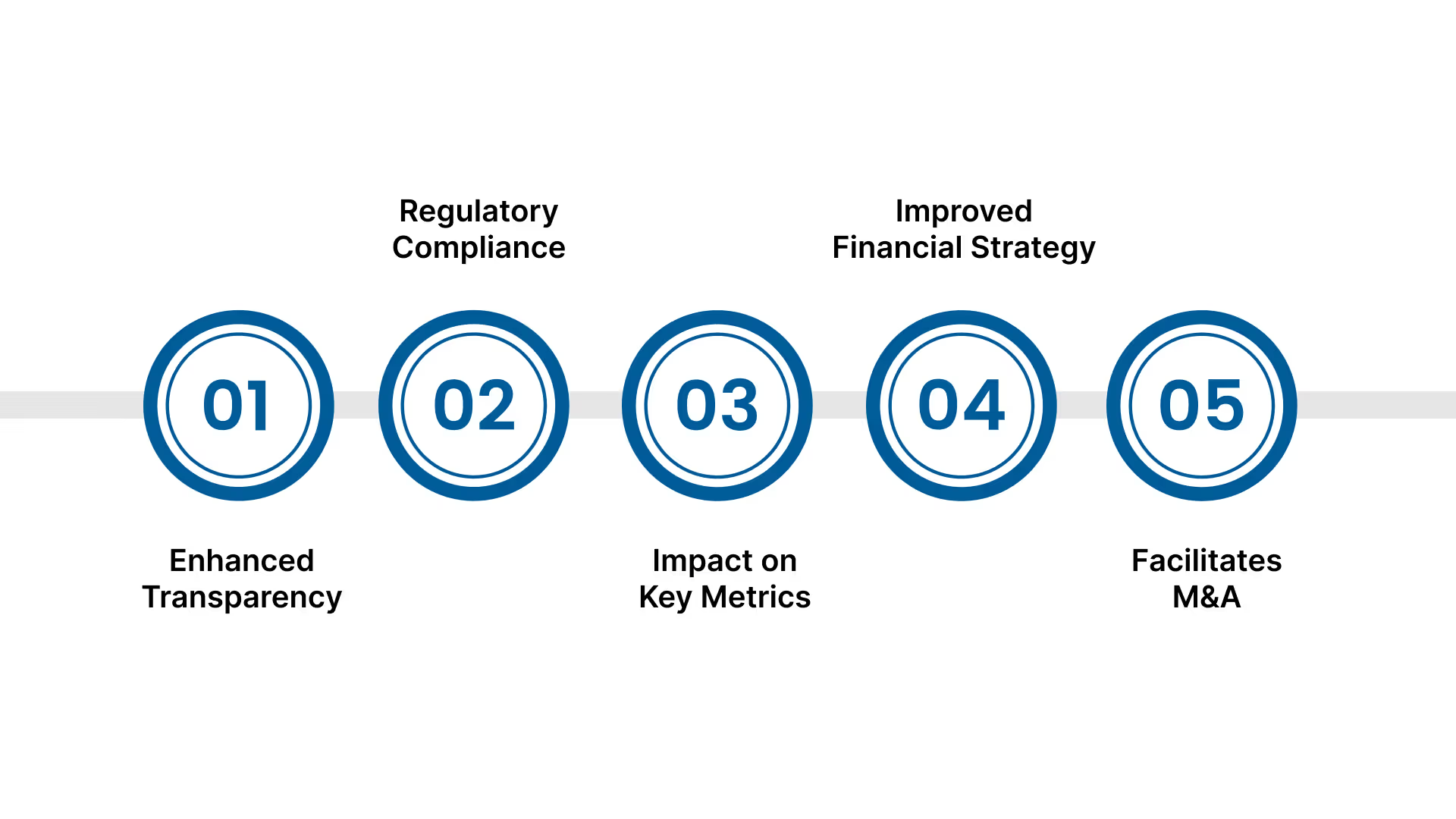
ASC 810 为跨多个实体的财务报表合并提供了明确的指导,为 SaaS 公司带来了多项益处:
将财务结果合并为一套报表,为投资者提供了清晰、统一的公司业绩视图。这降低了分析多个独立报表的复杂性,有助于投资者做出更明智的决策,并更准确地评估风险。
遵守 ASC 810 可确保 SaaS 公司符合美国通用会计准则(U.S. GAAP),这对拥有子公司或合资企业的企业至关重要。合规性能够建立投资者和监管机构的信任与信誉,防范法律风险并维持市场信心。
合并直接影响收入、盈利能力和现金流等关键财务指标。准确的合并确保这些指标反映了企业的真实财务状况,从而支持战略决策和融资工作。
合并后的财务视图有助于识别低效环节、精简运营并更有效地分配资源。通过合并财务数据,SaaS 公司可以更有效地在不同业务部门之间配置资源,并提高运营效率。
For companies involved in M&A, ASC 810 simplifies the integration process. It ensures accurate financial reporting, streamlines due diligence, and minimizes post-acquisition surprises.
ASC 810 strengthens financial transparency, compliance, and strategic planning, providing SaaS companies with a clearer path to growth and stability.
VJM Global can guide your SaaS company through the complexities of ASC 810, ensuring precise consolidation, full regulatory compliance, and a stronger financial strategy. Our expertise helps streamline the consolidation process, protect against financial misstatements, and provide clarity on key metrics that drive growth.
Next, let’s explore when a SaaS company should apply consolidation practices based on its financial structure and relationships.
A SaaS company must consolidate another entity’s financials if it has a controlling financial interest. There are two primary models used to assess control:
If a SaaS company owns more than 50% of the voting shares of another entity, it generally has control, and consolidation is required. The Voting Interest model assumes that ownership of more than half the voting shares gives the parent company control over the entity.
However, keep in mind that other contractual arrangements or circumstances could assign control to another party, even if the ownership stake is less than 50%.
In cases where contractual agreements define control, the VIE model applies. A VIE is an entity where the equity investors are not exposed to enough risk to absorb the expected losses or to enjoy the potential returns.
Instead, control is determined by operational or contractual arrangements. A SaaS company must consolidate a VIE if:
The VIE model ensures that companies consolidate entities that they truly control, even in situations where ownership doesn’t reflect control directly.
Here’s a comprehensive table summarizing the key differences between the Voting Interest Entity (VIE) model and the Voting Interest Entity model under ASC 810.
Each model addresses different types of control and helps determine the right approach for consolidating financials based on the nature of the entity’s structure and governance.
延伸阅读: 了解 GAAP 与 GAAS 之间的区别
Now that we understand when consolidation is necessary, it’s essential to understand the scope of ASC 810 and its application to your company’s specific situation.
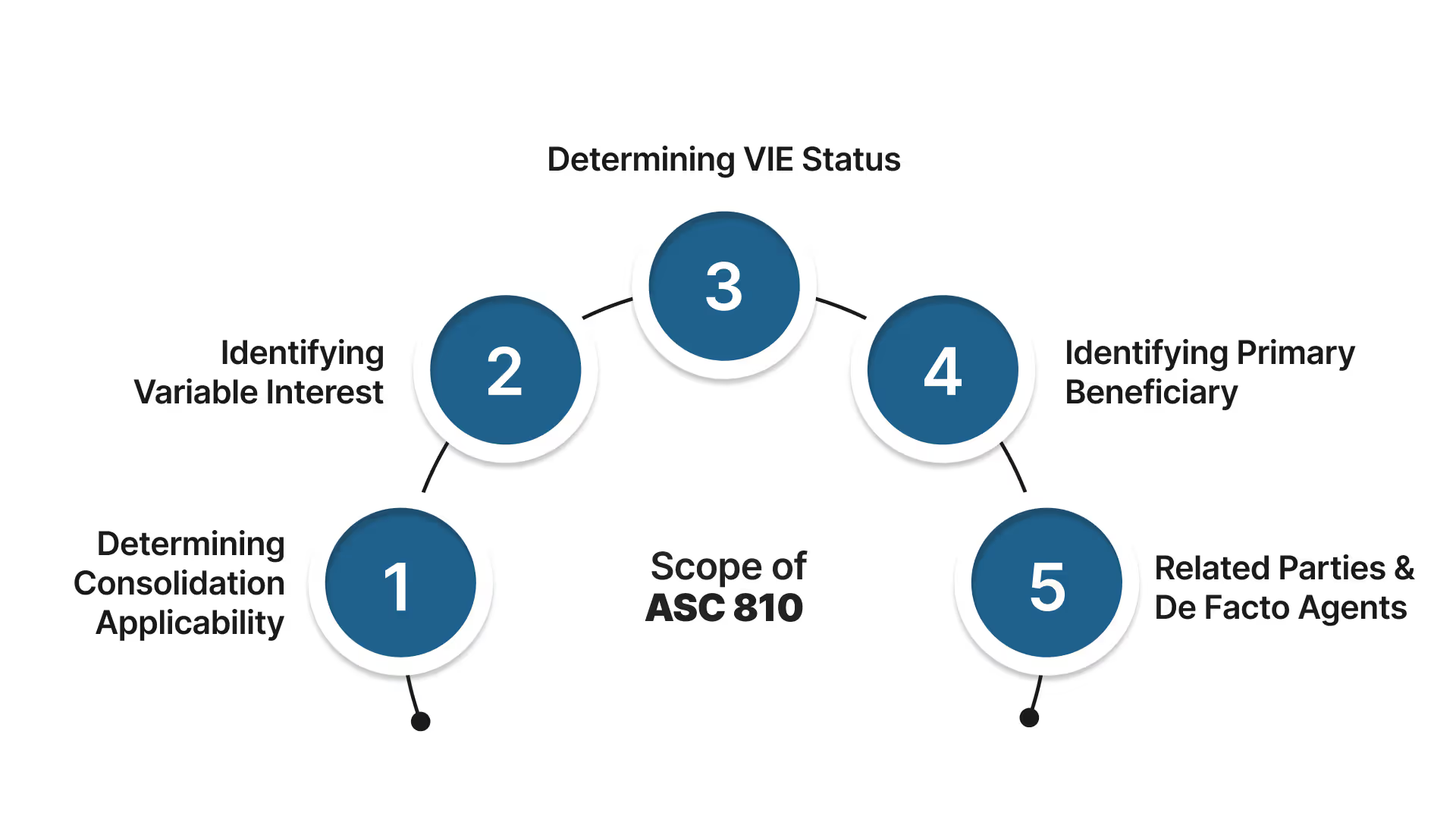
ASC 810 provides clear guidelines for determining when and how a company must consolidate its financial statements. Here's a breakdown of how it works:
在应用 ASC 810 之前,第一步是确定报告主体和法律实体是否均在合并指南和可变利益实体(VIE)模型的范围内。
大多数法律实体均属于 ASC 810 的一般合并指南范畴,但也有一些例外。如果实体属于 VIE 模型,则必须采取进一步的步骤。
可变利益是指任何随法律实体净资产变动而价值发生变化的合同、所有权或金钱利益。普通股就是一个简单的例子。随着公司资产价值的变化,股票价值也会随之波动。
一旦报告主体识别出可变利益,下一步就是确定该法律实体是否符合 VIE 的资格。如果法律实体满足以下条件,则被视为 VIE:
如果法律实体不在 VIE 模型的范围内,则适用投票权模型。在投票权模型下,如果报告主体持有多数投票权,则应对该法律实体进行合并。
如果实体被确定为 VIE,下一步是确定主要受益人,即合并该 VIE 的报告主体。当报告主体具备以下条件时,即合并 VIE:
关联方和事实代理人在 VIE 模型中至关重要。这些实体可能无法完全独立于报告主体追求自身利益,因此根据 ASC 810 对其进行评估至关重要。
要确定实体是否在 ASC 810 的范围内,请询问以下问题:
要确定实体是否为 VIE,请检查其是否具有以下特征:
Understanding the scope of ASC 810 is essential for accurate financial reporting, ensuring compliance, and making informed decisions about consolidation and variable interest entities.
Need guidance tackling ASC 810 and its complexities?
At VJM Global, we specialize in helping businesses like yours understand and implement the right consolidation strategies. Let us help you determine if your entity is subject to ASC 810’s VIE model and guide you through the process of compliance. Get started today for expert support and tailored solutions.
Also Read: Lease Taxation Explained: ASC 842 Impacts, IRS Rules, and State Tax Considerations
With ASC 810’s scope in place, let’s take a look at how VJM Global can help you tackle the complexities of financial consolidation.
At VJM Global, we specialize in helping businesses tackle the complexities of financial consolidation under ASC 810. Here’s how we can support you:
Partner with VJM Global to tackle ASC 810’s complexities and ensure your financial consolidation is handled efficiently and accurately.
ASC 810 plays a critical role in ensuring accurate financial consolidation, particularly when dealing with variable interest entities and voting interest entities. Understanding the scope, identifying variable interests, and applying the correct consolidation model are key to maintaining compliance and transparency in financial reporting.
If your business is handling the complexities of ASC 810, VJM Global is here to offer expert guidance and support. Reach out to us today to get started.
ASC 810 provides the accounting guidance for consolidating financial statements, focusing on when and how to consolidate entities based on their structure, such as variable interest entities (VIEs).
The VIE model applies to entities where equity holders lack decision-making rights or the ability to absorb losses. In contrast, the voting interest model applies to entities controlled through voting rights.
An entity is a VIE if it lacks sufficient equity to finance its activities or if the equity holders lack the power to direct significant economic activities.
The primary beneficiary is the reporting entity that has both the power to direct the significant activities of the VIE and the economics (i.e., the right to absorb losses or receive benefits).
ASC 810 ensures that your financial statements accurately reflect the control over and financial interests in subsidiaries, leading to more transparent and compliant reporting.




