Handling payroll in-house for U.S. businesses can feel like walking a tightrope. Between calculating tax deductions and staying compliant with the constantly changing state and federal regulations, the stakes are high. One mistake can lead to fines, damaged employee trust, or even legal trouble; yet, many businesses still handle payroll internally, adding stress to already full plates.
By outsourcing payroll, you can save time, reduce errors, and ensure your business stays compliant without the hassle of handling time-consuming calculations.
This blog will explain the benefits of outsourcing payroll functions from the US to India, covering everything from cost efficiency to minimizing risks. You’ll learn how outsourcing makes payroll easier and lets you focus on what truly matters: growing your business. Let’s jump in.
Payroll outsourcing involves partnering with an external service provider to manage your company’s payroll functions. These providers specialize in ensuring your payroll runs smoothly, accurately, and on time.
A payroll service provider handles tasks like processing employee payments, ensuring compliance with local laws, and securely managing payroll documentation. They ensure that all payroll funds are distributed according to your employee agreements, eliminating the stress of manual errors or missed deadlines.
Note: Payroll outsourcing does not cover HR services such as recruitment or employee benefits management. While some providers offer both payroll and HR services, they are separate functions with distinct responsibilities.
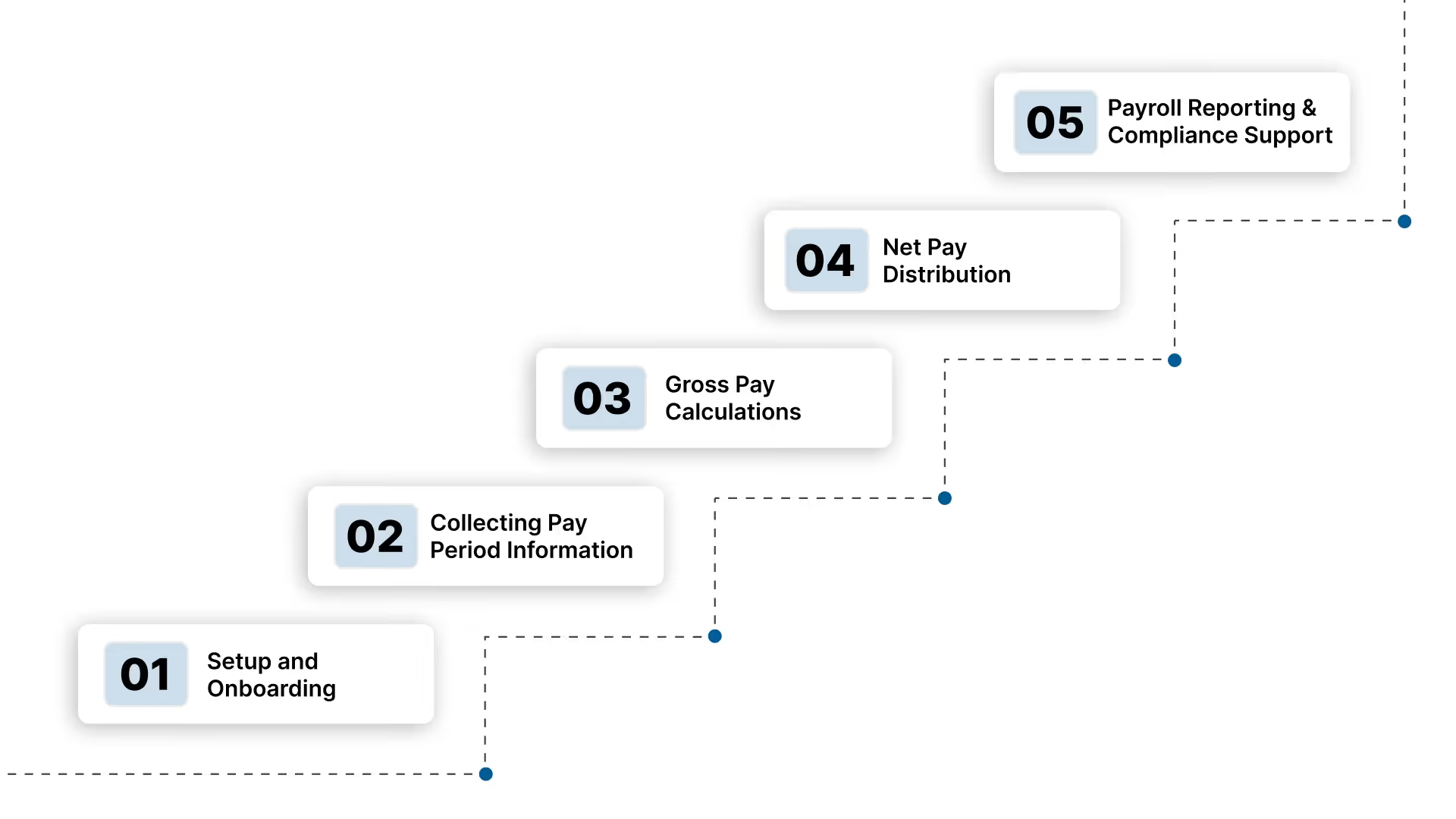
Outsourcing payroll can range from fully delegating the entire process to handling just a few tasks, depending on your business's specific needs and budget. Here’s a breakdown of how it works:
The first step is providing the payroll provider with essential details, such as employee names, roles, pay rates, and working hours. This ensures they have the necessary data for the first payroll run.
At the end of each pay period, you provide details such as hours worked, overtime, and commissions. The payroll provider uses this data to calculate gross pay.
For US businesses with employees located in multiple states, the payroll provider must account for each state’s unique overtime laws and local taxes. Some states have different overtime rules, which can complicate the payroll process.
Once the gross pay is determined, the provider applies necessary deductions such as income taxes, social contributions (Social Security & Medicare), retirement savings, and employee benefits.
In the US, this step includes FICA (Social Security and Medicare), state income tax, and federal income tax, as well as any local taxes or employee benefit deductions.
The provider calculates net pay after deducting taxes and distributes the funds to employees, typically through direct deposit or paper checks. They also handle tax filings and other statutory payments.
You’ll receive detailed payroll reports, offering visibility into wages, deductions, and compliance. These reports help maintain accurate records and ensure compliance during audits.
Depending on your needs, here are a few outsourcing options:
Outsourcing payroll to India helps your US business streamline operations, reduce errors, and stay compliant with less effort.
Also Read: Understanding Automated Payroll Processing: Benefits and Methods
Now that we understand what payroll outsourcing involves, let’s explore the top benefits it brings to your business.
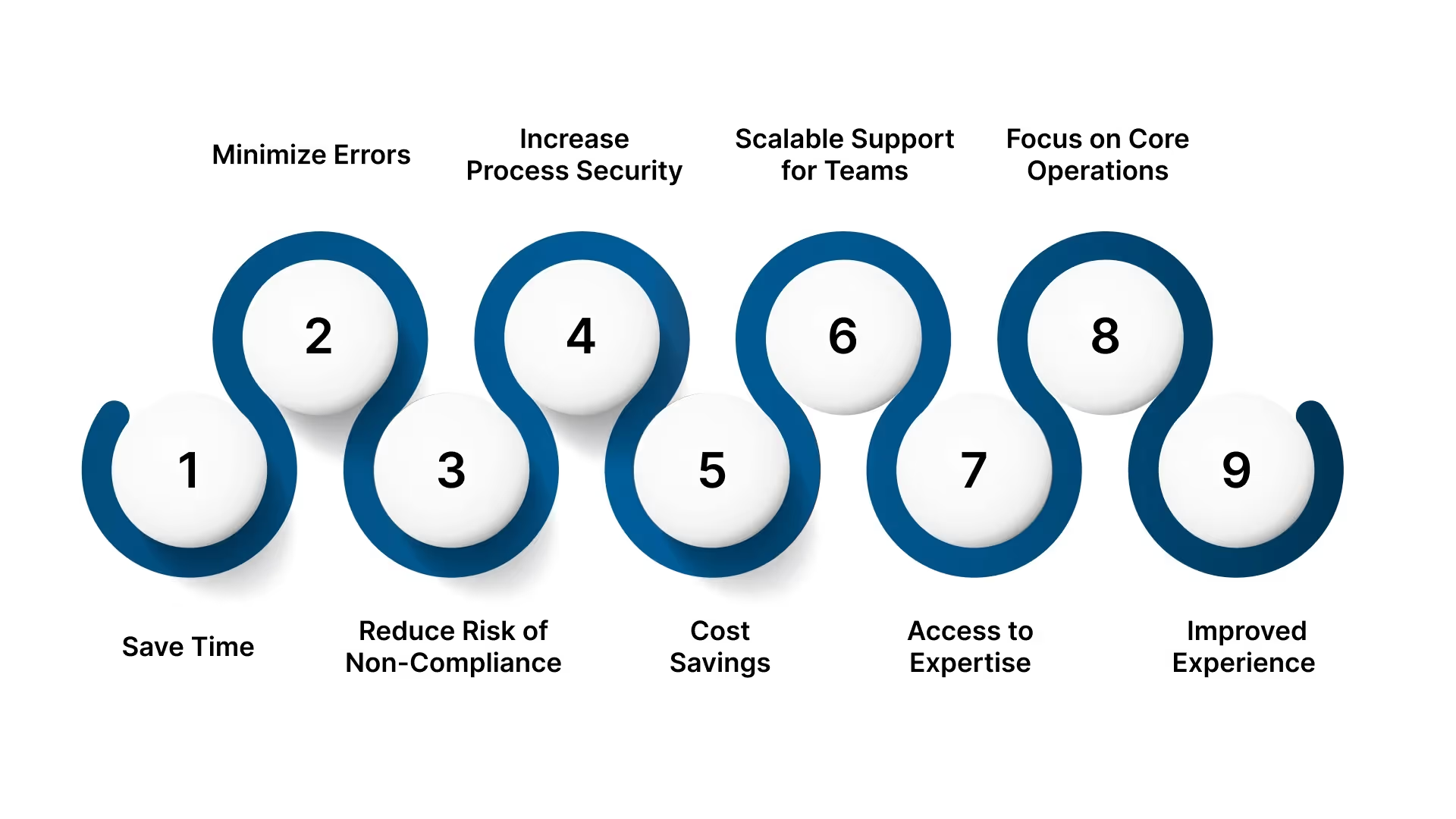
Outsourcing payroll can offer a wide range of advantages, including saving time and reducing errors. Here’s how outsourcing can significantly benefit your business:
Managing payroll in-house demands a high level of detail and can be incredibly time-consuming. For US businesses, especially those with employees across multiple states, this includes dealing with various state-specific tax regulations, overtime rules, and filing deadlines.
By outsourcing to experts, your HR team can focus on strategic initiatives, workforce development, and tasks that directly contribute to your business’s growth.
Payroll errors, whether related to miscalculated taxes or incorrect deductions, can be costly. For US businesses, such mistakes can result in IRS penalties and state fines. Outsourcing to specialized providers ensures that your payroll is processed with precision, reducing costly errors and administrative headaches.
Payroll services help your business stay compliant with complex tax laws and regulatory requirements. Payroll companies share the risk of non-compliance, ensuring that your taxes are paid on time and forms like Form 941 (quarterly) and Form 940 (annual) are filed accurately, even across multiple jurisdictions.
Handling sensitive employee data, such as bank account details and tax information, requires resilient security controls. In the US, this is especially relevant for compliance with laws such as the California Consumer Privacy Act (CCPA). If your business deals with EU residents, the General Data Protection Regulation (GDPR) may also apply.
Payroll providers typically deploy encryption, secure software, and privacy protocols to help protect against data breaches.
Building and maintaining an in-house payroll department can be costly, especially for global teams. For US companies, this includes staffing, training, and software costs (e.g., QuickBooks, ADP).
Outsourcing payroll services often proves more cost-effective by reducing the need for additional staffing, training, and software purchases. This allows businesses to redirect resources toward growth and strategic initiatives.
As your business grows, so do payroll complexities. Outsourcing helps ensure that your payroll processes keep pace with expansion, avoiding delays and errors. This is especially beneficial when entering new markets with intricate tax systems.
Outsourced payroll services bring advanced technology and industry expertise that may be beyond the reach of small or medium-sized businesses. With the latest tools and continuous updates, payroll providers ensure your payroll system is efficient, compliant, and accurate.
Managing payroll is time-intensive and diverts attention from core business operations. By outsourcing payroll, your team can redirect its efforts toward high-value activities like business development, strategic planning, and other operational priorities.
Delayed or incorrect payments can damage employee trust and morale. Many payroll outsourcing providers offer self-service portals, where employees can access pay stubs, tax documents, and other relevant information at any time, improving transparency and overall satisfaction.
By outsourcing payroll, your business gains time and cost savings, and access to advanced technology, specialized expertise, and enhanced security.
With VJM Global, you can leave the complexities of payroll behind and focus on growing your business. From cross-border payroll solutions to expert compliance management and smooth integration with your existing systems, we offer cost-effective, scalable payroll services that scale with your business. Talk to an expert today.
Also Read: Benefits of HR and Payroll Process Outsourcing From The US to India
With these benefits in mind, let’s compare the key differences between managing payroll in-house and outsourcing it.
Managing payroll in-house gives you direct control, but it also comes with a significant time and resource investment. The table below compares in-house payroll versus outsourced payroll across key factors:
While in-house payroll gives you direct oversight, outsourcing offers time savings, peace of mind, and professional handling of the complexities.
Also Read: How to Outsource Payroll for Small Businesses Expanding from the US to India
If you're looking to streamline your payroll process, VJM Global can help. Our expert team offers outsourced payroll services tailored to your business, ensuring timely processing, compliance, and reduced errors. Contact us today to learn how we can simplify your payroll management.
Understanding the pros and cons of in-house versus outsourced payroll leads us to consider the key factors when choosing a payroll provider.
Beyond paycheck processing, the best providers offer reliable support, compliance expertise, and scalable solutions for your growing business. Here’s what to consider:
Considering these factors helps you find a payroll outsourcing provider that fits your business’s specific needs, streamlines your processes, and supports long-term growth.
Once you know what to look for in a provider, it’s time to see how VJM Global can simplify and streamline your payroll process.
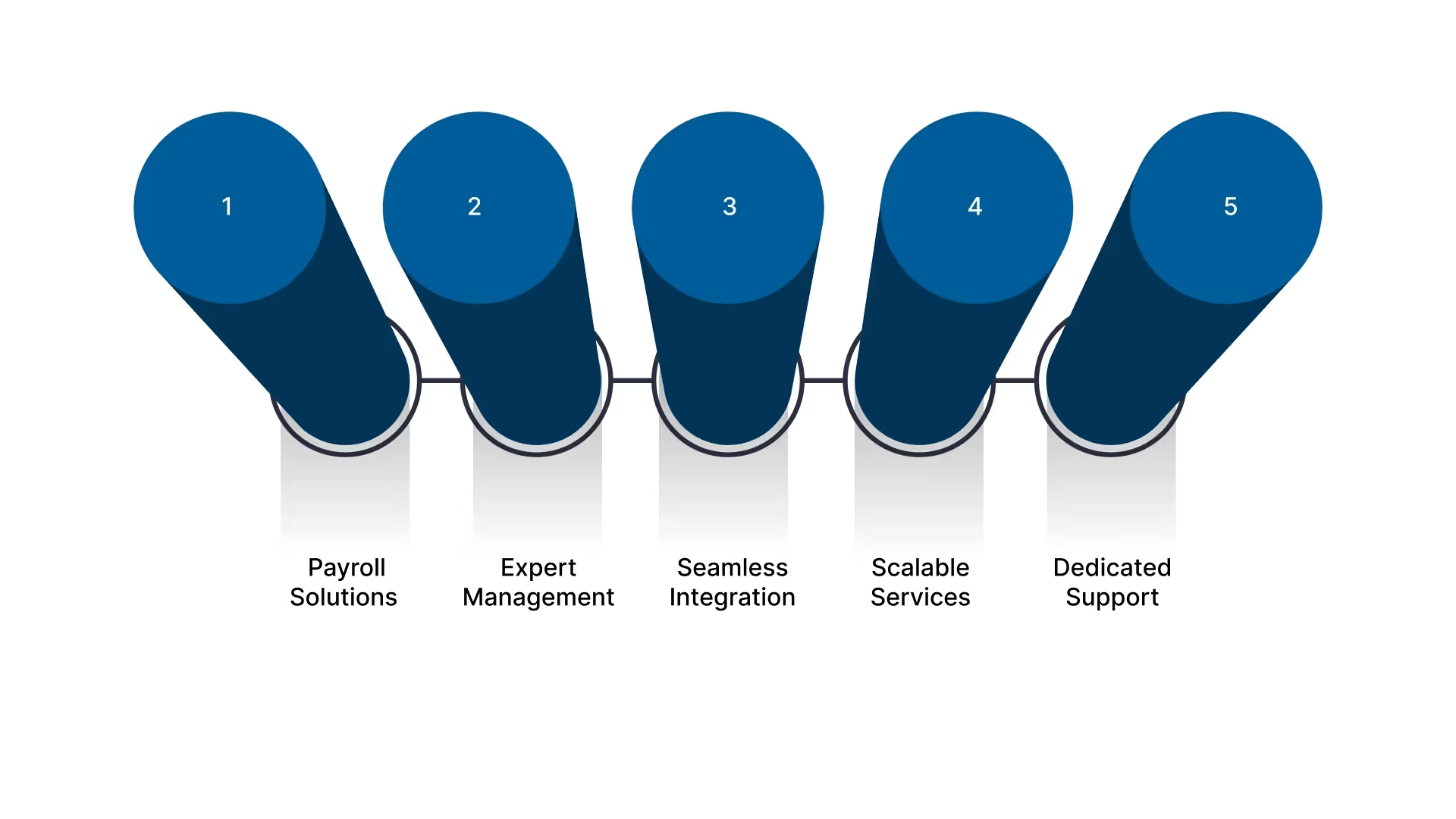
Managing payroll doesn't have to be a burden. With VJM Global, you gain a trusted partner dedicated to streamlining your payroll processes. Here's how we support your business:
Let us handle the complexities of payroll, so you can focus on growing your business with peace of mind.
Outsourcing payroll from the US to India can be very beneficial for businesses of all sizes. Entrusting this critical task to professionals frees up valuable time, reduces the risk of errors, and ensures compliance with both federal and state regulations that are constantly changing.
Choosing the right payroll outsourcing provider is essential to ensure accuracy, compliance, and efficiency. With VJM Global, you gain more than just payroll processing; you get a trusted partner with deep expertise in compliance, scalability, and efficiency.
Ready to simplify your payroll process? Reach out today, and let us show you how easy payroll can be when you have the right support.
Outsourcing payroll to India offers significant cost savings, reduces the risk of errors, and ensures compliance with both US federal and state tax laws and Indian labor regulations. It also frees up valuable internal resources, allowing businesses to focus on growth and strategic initiatives.
Payroll outsourcing providers specializing in US-to-India services stay updated with US tax laws, state-specific payroll requirements, and Indian labor laws. They ensure that your business remains compliant with changing tax regulations, reducing the risk of fines or penalties from the IRS or state authorities.
Yes! By outsourcing, you can save on costs related to hiring in-house payroll staff, investing in software, and training. Additionally, outsourcing helps reduce the risk of errors, which can be costly due to penalties or delayed filings.
Look for a provider with expertise in US and India payroll regulations, proven integration with your existing systems (like QuickBooks or Xero), and scalability as your business grows.
You can outsource various payroll services, including payroll processing, tax filings, compliance management, employee benefits administration, and multinational payroll services. Providers can handle everything from calculating wages and taxes to filing forms like Form 941 and Form 940.