

Flipping houses can be a lucrative investment strategy, but many U.S. investors overlook one crucial aspect: accounting. Without proper financial management, profits can evaporate, and tax liabilities can spiral out of control.
As a house flipper, understanding how to track expenses and report profits is essential for maximizing your return on investment.
This guide will cover everything you need to know about accounting for flipping houses, from managing expenses to implementing key accounting strategies. Let’s get started.
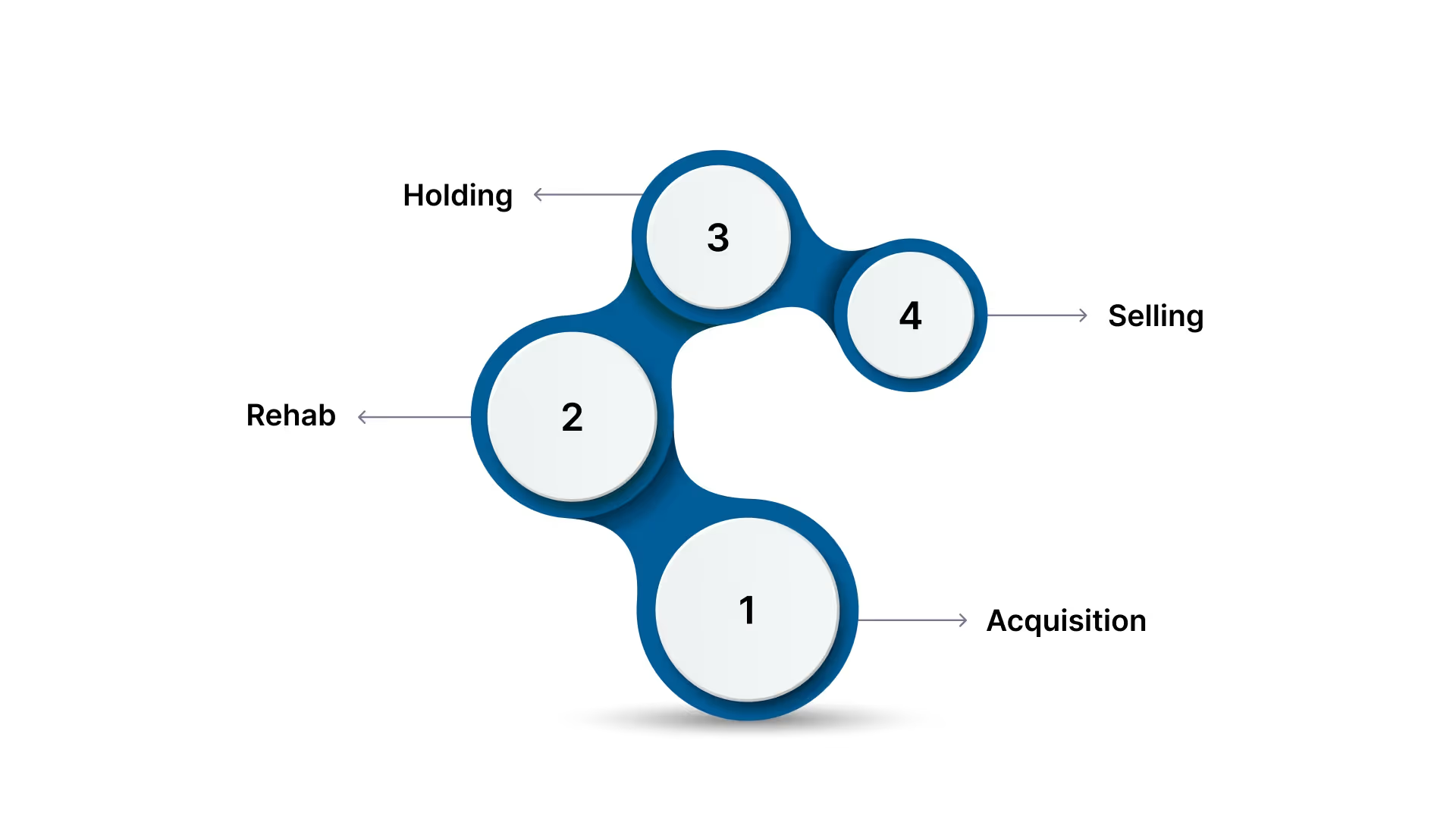
When flipping houses, it’s crucial to break down your investment into clear phases. Each phase has distinct costs and tax implications, so accurate tracking is essential.
The purchase price of the property is your starting point. This includes the home's price and any additional costs, such as closing fees, inspections, and agent commissions. These are direct costs that are factored into your total investment.
Rehab expenses include costs for renovating the property, such as labor, materials, permits, and design work. Keeping detailed records of these costs is essential, as they may be deductible and directly impact your taxable profits.
Holding costs include expenses you incur while waiting to sell, such as property taxes, insurance, utilities, and loan interest. These expenses can quickly add up, and proper categorization ensures they’re accounted for when calculating profit margins.
Selling costs cover agent commissions, advertising, and closing costs associated with the sale. These should be tracked and subtracted from your revenue to determine your final profit.
Accurately categorizing these costs is crucial for both accounting and taxes. From a tax perspective, improper categorization could lead to missed deductions or over‑reporting of taxable income. For example, rehab expenses may be deductible, reducing your taxable income, while holding costs impact the overall profitability of the flip.
Additionally, how long you hold onto the property before selling can affect whether your profits are taxed at short‑term or long‑term capital gains rates. Short‑term capital gains are taxed like regular income, which can be much higher, while long‑term gains may qualify for lower tax rates.
Properly categorizing these expenses and understanding their tax implications will ultimately help you maximize profits while minimizing taxes.
Now that you know how to categorize your costs, let’s explore why keeping track of these expenses is so important for your house flipping success.
Flipping houses without proper accounting can cause your profits to quickly slip away. Here’s why getting your finances right is essential:
Accounting practices minimize risks, support smarter decisions, and ultimately protect your profits throughout the entire house-flipping process.
VJM Global 专注于帮助房产翻新者管理现金流、追踪支出并处理税务规划。通过我们的专业会计服务,您可以掌控维修、贷款和供应商付款,在实现利润最大化的同时降低税务风险。立即开始。
另请阅读:了解月度记账成本与服务
With proper accounting in place, let’s look at some key accounting tips to ensure you stay on top of your finances throughout the flip.
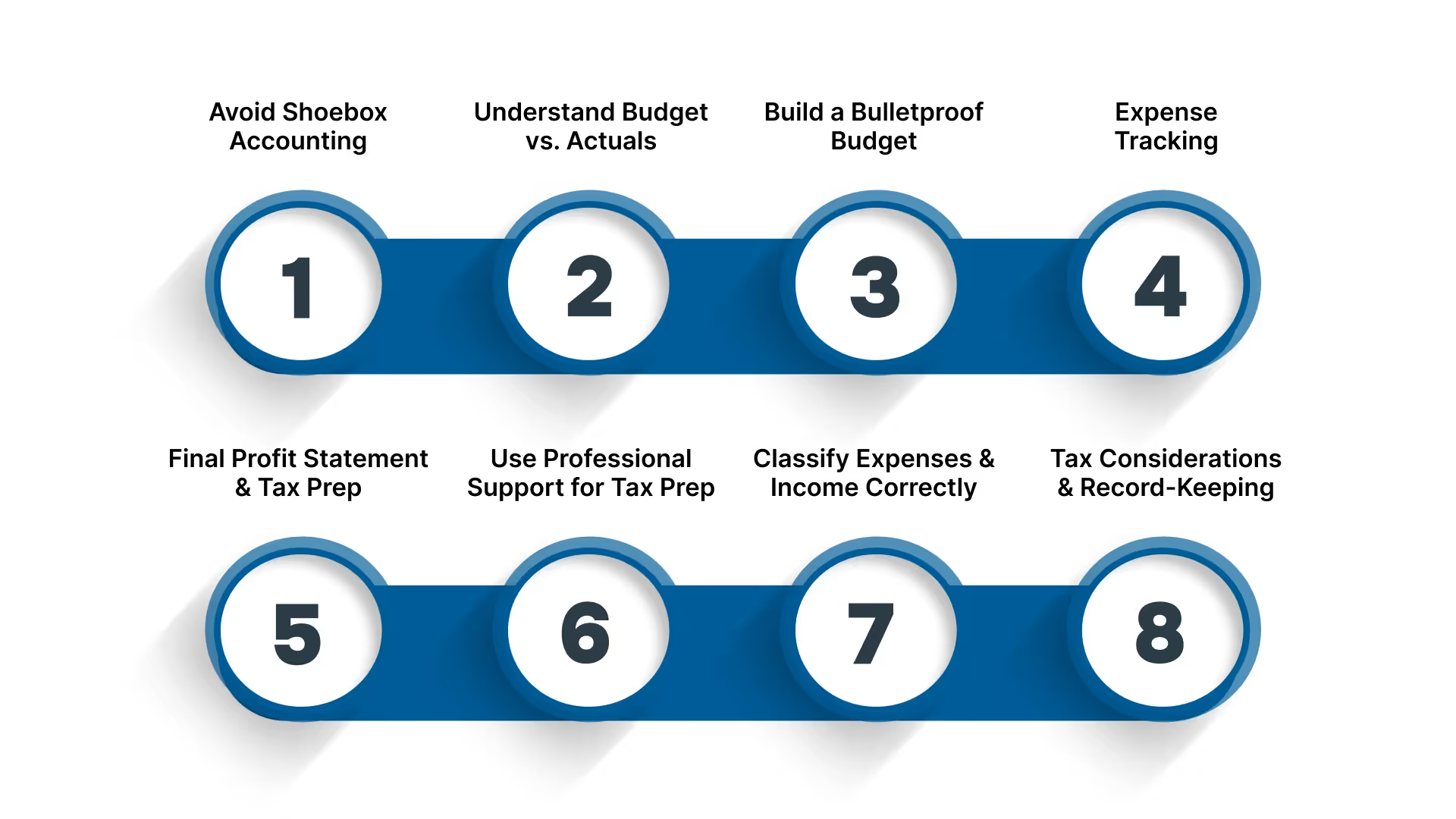
Flipping houses can be incredibly profitable, but without strong accounting practices, it’s easy to miss out on potential savings. Here’s how you can stay on top of your finances throughout the entire flip:
Relying on "shoebox accounting" (throwing receipts and invoices into a box or folder) can lead to chaos when it's time to report expenses or file taxes. It's essential to have a system in place to track every receipt and categorize each expense.
This ensures you don’t miss deductions or create unnecessary stress when filing your taxes. Proper organization helps you stay in control of your budget and financials.
Your budget is the foundation of your entire project. Start by creating a comprehensive budget that includes buying costs, holding costs, selling costs, financing costs, and, of course, repair costs.
Once you have your budget, diligently track the actual expenses as they occur. Regularly compare the two to identify discrepancies early and adjust your approach to keep costs under control.
Start your budget early in the process during your due diligence phase. This involves planning for every cost involved in the flip. Break down your costs into four main categories: Buying Costs (title fees, appraisal), Holding Costs (insurance, utilities), Selling Costs (real estate commissions), and Financing Costs (loan fees, interest).
Then, get into the specifics of repairs by breaking them down into categories like exterior work, interior demolition, and systems like plumbing and electrical.
Once the project is underway, the most critical part is tracking every single expense. From large contractor invoices to small purchases, keeping a detailed record is crucial. Record each receipt as soon as you make a purchase.
For example, a Home Depot receipt might contain expenses for both plumbing and electrical supplies. If you lump them together, you won’t know exactly how much you spent on each category, making it harder to track your budget and compare actuals.
房屋翻新完成后,别忘了记录最终售价并计算翻新项目的净收入。清晰且条理分明的记录不仅有助于追踪利润,还能让报税工作更轻松。正确分类支出并了解哪些费用可以抵扣,能确保您的税务准备工作顺利进行,从而最大限度地降低应纳税所得额。
对于房产翻新投资者而言,了解税务影响至关重要,而获得专业的支持则是成功的关键。VJM Global 提供专为房屋翻新需求量身定制的税务和会计服务。我们的专家团队将协助您正确分类支出,并识别可行的抵扣项,以最大限度地减少您的税务负担。
通过我们涵盖记账、税务准备和财务报告的全面服务,您可以专注于业务增长,而我们将确保您的税务申报准确且合规。立即开始。
请确保您正确分类了收入和支出。例如,维修费用通常可以抵扣,而改良费用则需要资本化并计入房产成本基础。此外,通过为翻新项目开设独立的银行账户和信用卡,将业务支出与个人支出区分开来。
了解融资选择带来的税务影响(例如贷款利息抵扣),并做好详尽的记录。务必追踪所有收购成本、翻新费用、水电费、保险费和承包商费用,因为其中许多费用是可以抵扣的。严谨的记录保存将确保您的税务申报准确且合规。
遵循这些建议,确保您的房产翻新项目保持良好的财务状况。
如果您准备简化会计流程并确保合规,VJM Global 的专家支持可以帮助您避免代价高昂的错误,让您的财务稳步前行。
VJM Global 致力于简化房屋翻新投资者的会计流程。我们的专家团队提供以下定制化服务,助力您的业务稳健发展:
让 VJM Global 为您处理会计事务,您可以专注于将房产转化为利润。
房屋翻新不仅仅是寻找合适的房产和处理装修,更在于掌握驱动成功的财务管理。如果没有正确的会计实践,您可能会面临预算超支、错过关键税务抵扣或在报税季缴纳不必要税款的风险。
房屋翻新需要周密的规划,尤其是在财务管理方面。VJM Global 为美国房产翻新投资者提供量身定制的专业会计和税务服务,从制定详细预算到确保合规,全程为您保驾护航。
别让财务管理不善阻碍您的盈利;让我们引导您完成每一步。立即联系我们,自信地掌控您的房屋翻新财务。
需要追踪的关键支出包括收购成本(购买价格、过户费)、翻新成本(材料、人工)、持有成本(保险、水电费)以及销售成本(佣金、广告费)。
请确保将维修费用归类为可抵扣支出,而改良费用则应资本化并计入房产成本基础。使用独立的账户来区分商业和个人支出会有所帮助。
会计软件可以帮助您追踪支出、分类交易、生成财务报表并监控预算。它还能通过整理您的记录,让报税工作变得更加轻松。
您可以针对维修费、水电费、保险费和贷款利息等成本申请抵扣。请保留所有支出的详细记录,以确保最大限度地利用抵扣额并降低税务负担。
VJM Global 为房屋翻新商提供专业的税务规划、记账、支出追踪和财务报告服务。我们致力于帮助您保持合规,实现利润最大化并降低税务负担。




