


The global jewelry market is worth roughly $233 billion in 2024 and is expected to reach more than $344 billion by 2032. With such high value per piece and rising demand, even a minor accounting error can seriously impact profits.
Jewelry businesses are not like regular retail shops. Pieces often involve precious metals, gemstones, custom designs, and fluctuating material costs. That makes tracking inventory, material purity, labor costs, and overhead far more complicated than in typical retail or service businesses.
If you run a jewelry shop or manage a gem‑export business, accounting practices that are customized to the jewelry industry can make a significant difference in your bottom line.
This blog will cover key tips for accounting for jewelers. Get actionable insights to manage your finances, reduce risk, and simplify operations.
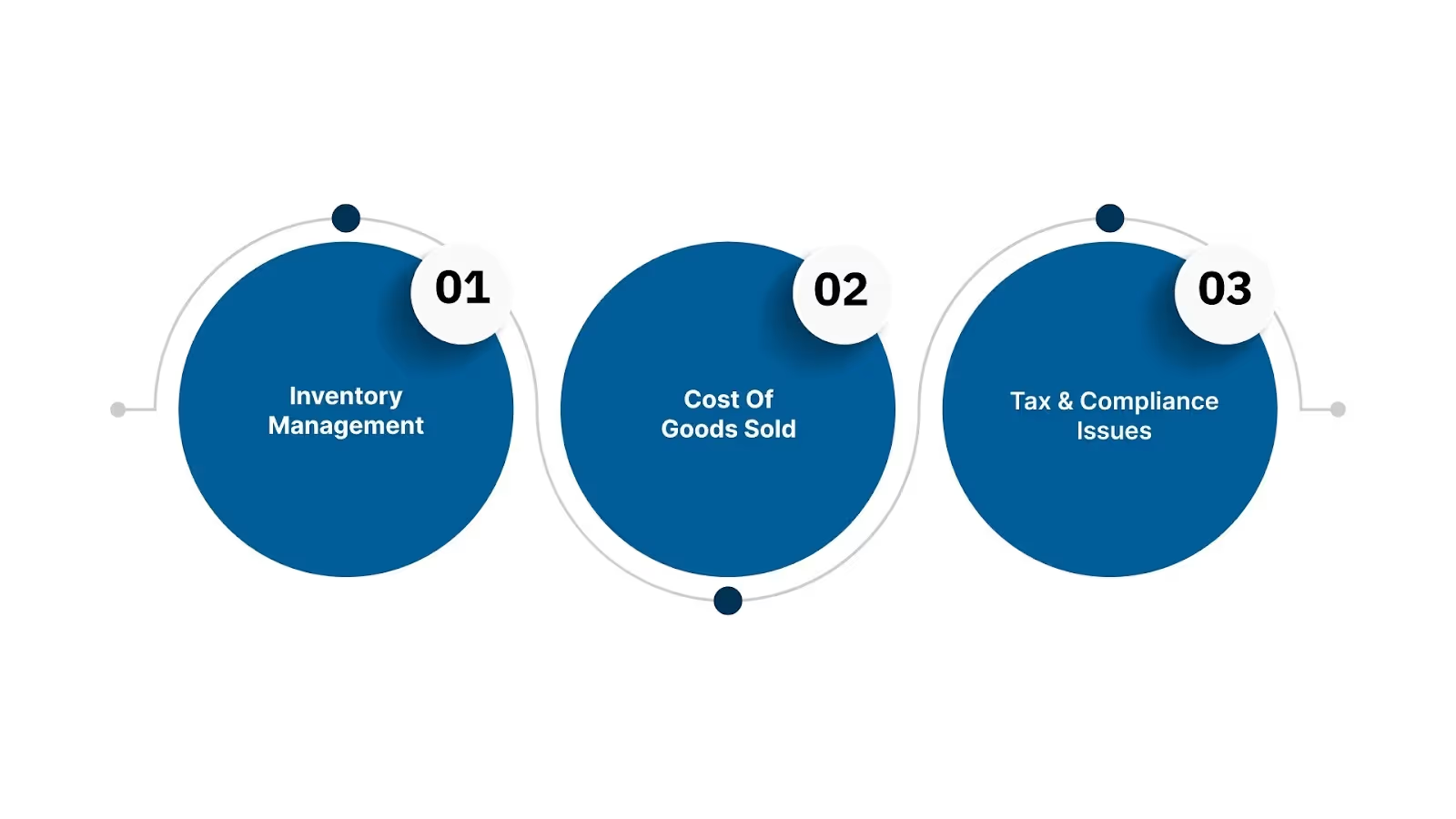
Accounting for jewelry businesses requires specialized knowledge that goes beyond traditional retail. Jewelers handle valuable materials, unique pricing, and intricate tax issues, which make their accounting needs distinct.
1. Inventory Management
Unlike typical retail businesses, jewelers manage precious metals, gemstones, and custom designs. These materials fluctuate in price and quality, which means proper inventory tracking is crucial.
For example, the price of gold changes daily, and without accurate tracking, you could overpay for materials or misprice your products.
2. Cost of Goods Sold (COGS)
COGS in the jewelry business isn't just about raw materials. It also includes labor costs involved in crafting a piece, which can be complex to calculate.
For example, when pricing a necklace, the COGS would include:
Failing to account for all these factors can lead to inaccurate profit margins and pricing, potentially underpricing your products or cutting into your profits.
3. Tax and Compliance Issues
Jewelry businesses face several tax challenges, including sales tax, VAT, and import/export duties. These taxes vary by region and can be challenging to navigate.
Without proper tax tracking, you risk running into compliance issues or even legal trouble.
推荐阅读:如何管理小型企业的会计工作
With an understanding of the unique accounting needs of jewelers, let's explore the best practices that will ensure your jewelry business runs smoothly and stays financially healthy.
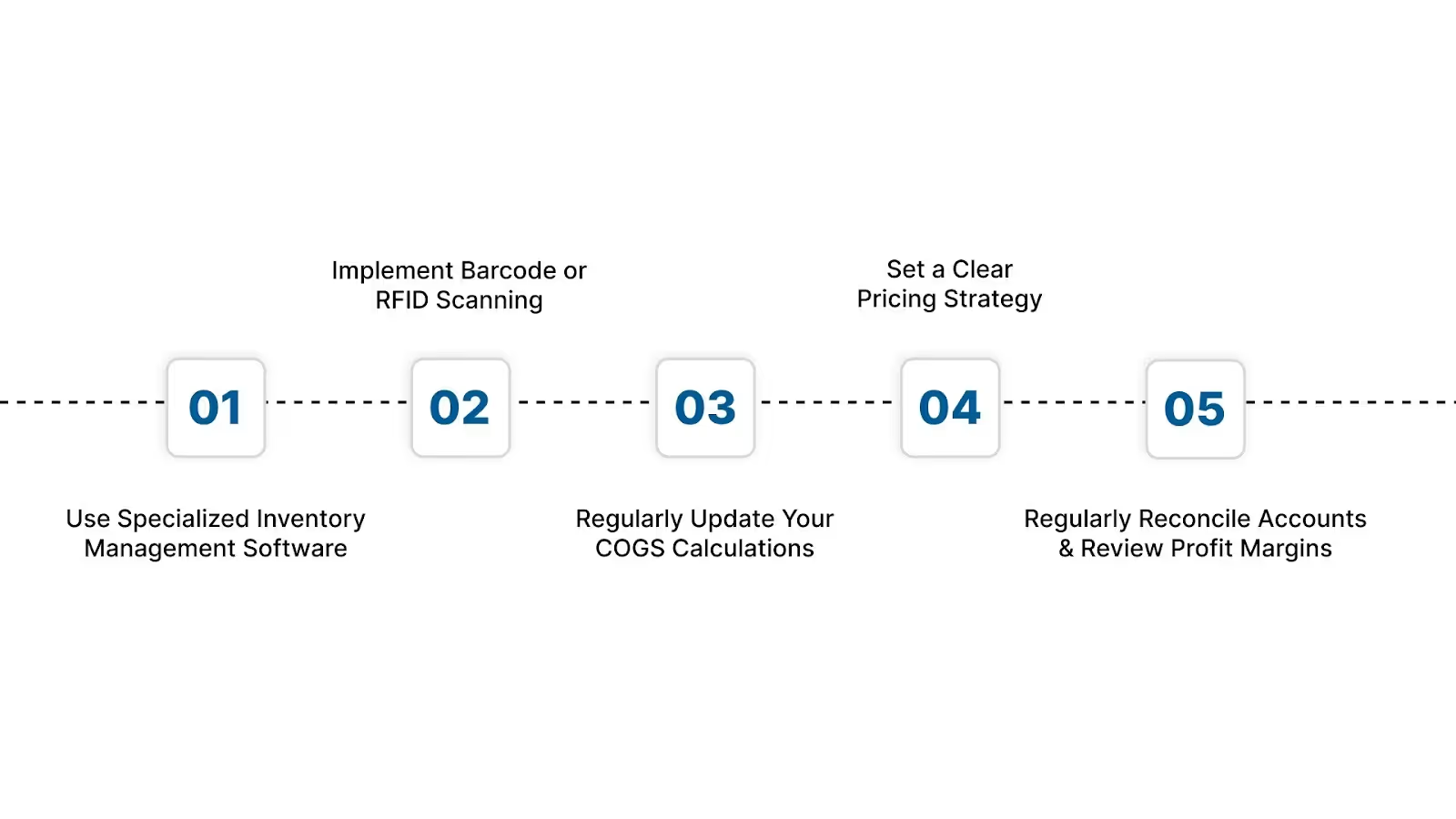
Running a jewelry business isn't just about creating beautiful pieces. Every material, from gold to diamonds, should be tracked and accounted for. Without a solid inventory and cost-tracking system, even the best designs can end up a financial headache.
Here are some best practices that will make managing your jewelry business's finances easier and more accurate.
Tracking the movement of high-value items like gold, diamonds, and precious metals can quickly become overwhelming. Manual tracking is not only inefficient but also prone to errors.
Let's say you've just crafted a custom ring using 5 grams of 18K gold and forgot to update the inventory. The next time you need gold, you might find yourself short or worse, overpaying because of poor tracking.
Jewelry items are small and valuable, and traditional inventory-tracking methods (such as written records) can lead to costly mistakes. Barcodes or RFID tags provide a more accurate and faster way to manage your inventory.
In the jewelry industry, material costs fluctuate constantly. If you're making a ring, the cost of gold may rise by 10% over the course of a month. If you don't update your COGS calculation, you could be underpricing the piece and eating into your profit margins.
Pricing jewelry isn't just about covering the cost of materials and labor; it's about setting a price that also accounts for future price fluctuations and market trends.
If you're crafting a necklace using gold and diamonds, and the price of gold increases, your current pricing strategy may no longer be valid. Instead of absorbing the cost, build in a price buffer to account for price variation, so you don't lose money if prices shift unexpectedly.
Reconciliation ensures that what you've recorded in your books matches up with actual stock levels, sales, and expenses. It's easy for discrepancies to sneak in, especially with high-value inventory. Regular checks ensure you spot problems before they become costly mistakes.
就是这样!遵循这些会计最佳实践,您将能够:
这些策略将助您保持竞争力、合规性与盈利能力,确保您的珠宝业务建立在稳固的财务基础之上。
在 VJM Global,我们提供基于云端的解决方案,旨在实现会计流程的自动化与简化,让您专注于最擅长的事——打造精美的珠宝。立即联系我们,了解我们如何通过专业的会计解决方案为您的珠宝业务提供支持。
准确的记账是任何成功企业的基石,在珠宝行业尤为关键。鉴于珠宝生产的特殊性,其成本会随材料价格和人工费用而波动,保持清晰的财务记录有助于珠宝商追踪盈利能力、控制支出并做出明智决策。
但首先,记账究竟是什么?
记账涉及对所有财务交易的记录、整理和追踪。这包括销售、支出以及其间的一切往来。对于珠宝商而言,这意味着必须准确记录:
记账不规范的珠宝商可能意识不到自己多付了材料费,或错过了必要的税收抵扣。如果没有清晰的记录,他们可能会错失潜在的成本节约机会。
定期更新记账记录,确保您始终了解现金流和盈利状况。规范的记账还有助于税务合规,避免销售税或增值税(VAT)方面的问题。
Also Read: Key Differences Between Bookkeeping and Accounting Explained
在珠宝行业,记账错误可能带来严重后果。由于追踪原材料和成品的复杂性,很容易忽略某些交易或错误归类支出。
请务必将业务支出与个人支出分开。记账错误给公司造成的损失可能远超您的想象。借助 VJM Global 的专业记账服务,我们能帮助珠宝商规避那些导致利润流失和税务问题的常见错误。
因此,将记账交给我们,您只需专注于自信地拓展您的珠宝事业。
在美国,没有联邦增值税(VAT);相反,大多数州征收销售税或“使用税”。销售税率因州而异,州级税率通常在 2.9% 到 7.25% 之间,地方司法管辖区还可能在此基础上额外征收。
由于珠宝属于高价值商品,且常通过网络或跨州销售,珠宝商必须谨慎管理“关联性”(如实体存在、库存所在地等),以明确何时需要为客户所在的各州代收销售税。
Failing to get this right can cause audits, fines, or penalties by state tax authorities.
Now, let's think globally. For jewelers sourcing materials globally or exporting finished jewelry:
This complexity makes it essential to maintain detailed records of all transactions, imports/exports, and material purchases.
Because state sales tax laws vary by state, 588 combined sales tax rate changes and new rules were recorded across U.S. states in 2024 alone. That's a lot of movement for a jeweler selling across states to track.
Misclassifying items, failing to collect tax, or using outdated rates can lead to audits, fines, back taxes, and lost profits. For exports or international sales, incorrectly handled VAT or customs duties can trigger delayed shipments, additional responsibilities, or legal compliance issues.
So here's what you, as a jeweler, should do to stay safe:
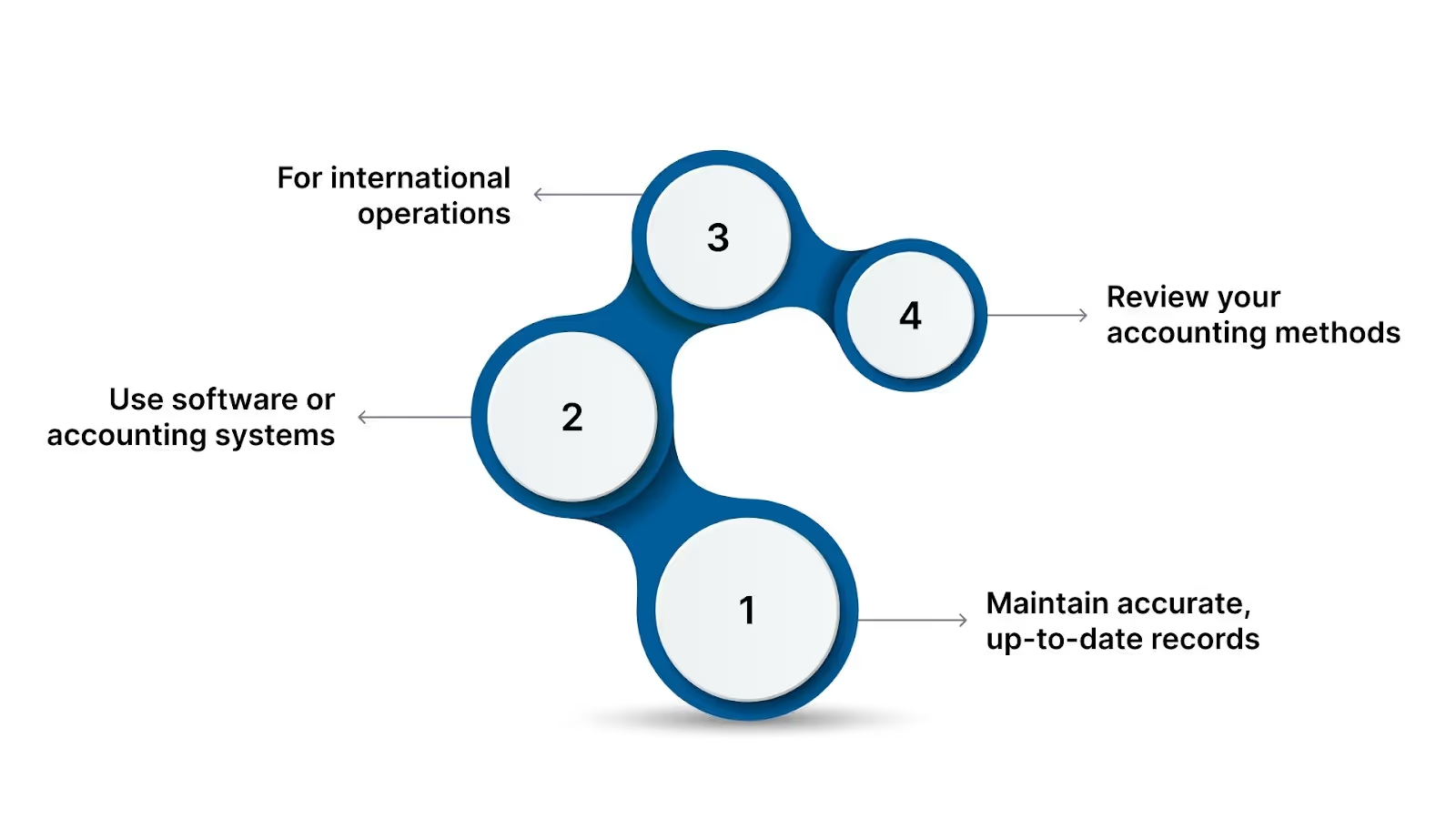
Tax and compliance are not optional extras. Mishandling them can cost more than gold itself. VJM Global's tax experts can help you process these complexities and ensure you remain compliant.
Schedule a consultation with us to remove the risk from your tax strategy and safeguard your jewelry business from costly mistakes.
The jewelry industry faces specific challenges from fluctuating material costs to complex inventory management, which means a generic accounting system won't cut it. Specialized accounting software can ease your operations, reduce errors, and make tax compliance easier.
Here are some top accounting software options for the jewelry industry:
Options are fine, but how do you decide the right one with all the suitable features?
When choosing the best accounting software for your jewelry business, here are a few must-have features:
No matter what you choose, make sure the software aligns with your unique needs and helps you stay compliant and profitable.
Running a jewelry business involves more than just selling beautiful pieces; it requires mastering the complexities of inventory, costs, taxes, and compliance. With the proper accounting practices in place, you can not only stay compliant but also improve profitability and ease operations.
At VJM Global, we specialize in helping jewelry businesses figure out these challenges with precision and expertise. Here's how we can assist:
Partner with VJM Global today to get expert accounting support, tax compliance, and strategic financial management tailored specifically for your jewelry business. Contact us now to learn how we can simplify your operations and set you up for long-term success.
Inventory for a jeweler includes raw materials (such as gold, silver, and gemstones), work‑in‑progress pieces, and finished jewelry ready for sale.
COGS must factor in the cost of precious materials used (metals, stones), labor for crafting, and any overheads related to production.
Because jewelry involves high‑value materials and fluctuating costs, accurate bookkeeping helps track every expense, revenue, and inventory change. This ensures margins and tax records stay correct.
While general tools might work for basic record‑keeping, jewelers benefit more from software that supports inventory tracking with raw materials, multi‑item valuation, and COGS calculations tailored to precious goods.
Jewelry sales typically require charging and remitting state sales tax (not a federal tax). Because rates and rules vary by state, jewelers selling across states, especially online, must track nexus and location-based tax rates and maintain accurate sales records.




