加密货币记账往往让人感到举步维艰,尤其是在将业务从美国拓展至印度时。当您独自处理跨境加密金融的复杂性时,将面临波动性、持续的数据对账以及复杂的报告要求等挑战。这些障碍可能会让您手忙脚乱。许多区块链和 Web3 领域的会计师在这一转型过程中也经历着同样的挫折。
本博客将为您介绍加密货币记账的组成部分、您将遇到的常见挑战,以及可以简化该流程的工具。我们还将探讨税务合规、保持条理的策略,以及更多有助于您在扩展业务时掌控加密财务的内容。
加密货币记账涉及记录和整理所有加密货币交易,以保持清晰、准确的财务记录。它包括追踪跨钱包和交易所的每一次买入、卖出、兑换和转账。每条记录都需注明日期、价值和费用,以便正确计算收益或亏损。
与传统记账不同,它处理的是去中心化资产和波动的市场价格。保持精确的记录对于税务报告和监管合规至关重要。它还能让企业清晰地了解其加密财务状况,并有助于做出更好的决策。简而言之,加密货币记账使数字资产管理井井有条、合规且随时可供审计。
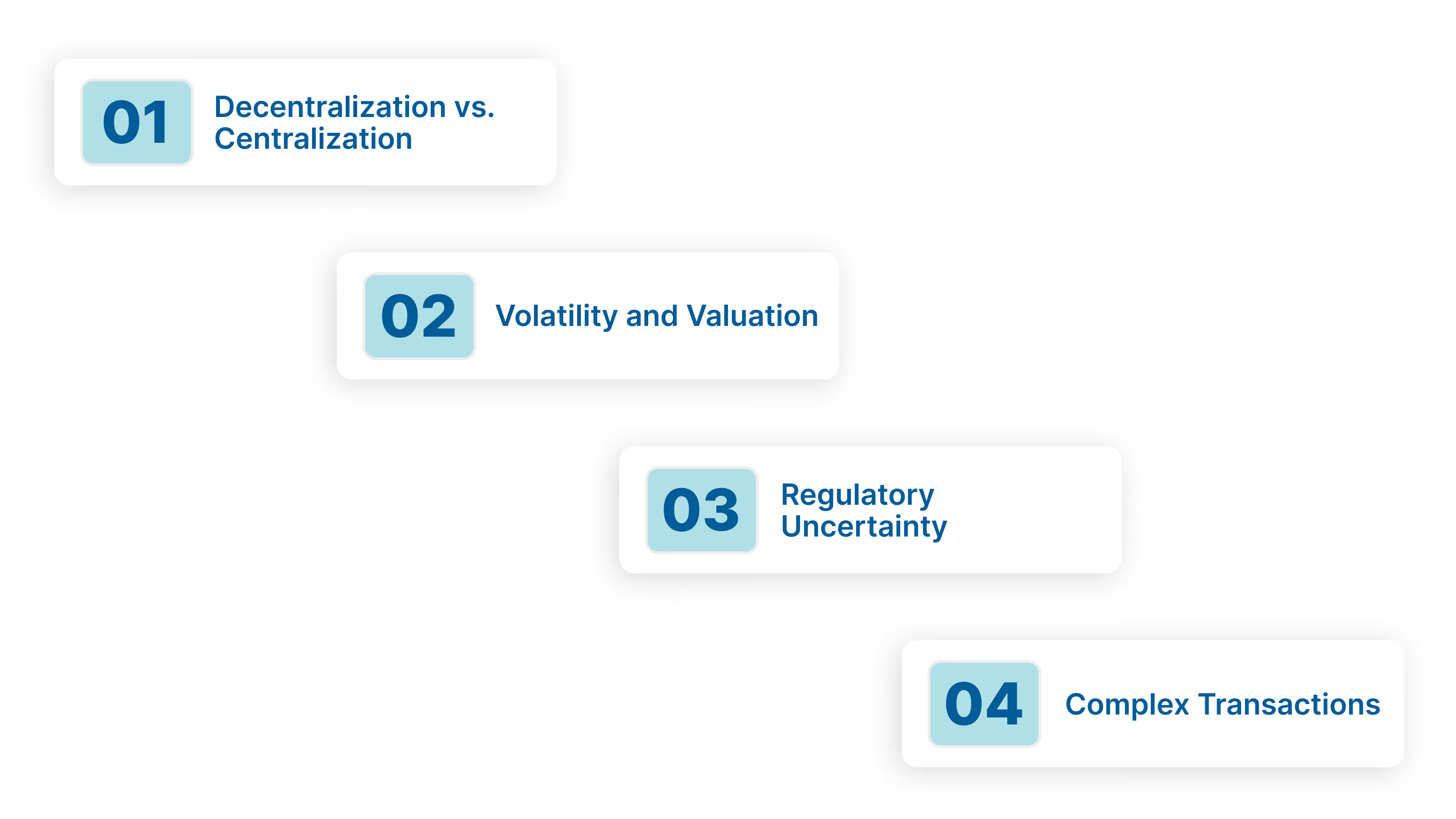
加密货币记账引入了使其区别于传统会计方法的复杂性。主要区别包括:
这些根本性的差异为管理数字资产的企业创造了一个充满挑战的环境。在处理这一复杂领域时,理解为何细致的记录至关重要显得尤为关键。
随着您将加密货币业务从美国扩展到印度,了解这两个地区的税务和合规期望变得至关重要。在美国,美国国税局(IRS)将加密货币归类为财产,这意味着每一次销售、交易或支付都可能触发应税事件。在印度,虽然法规仍在演变,但根据《所得税法》,加密货币交易利润需缴纳 30% 的统一税,转账需缴纳 1% 的源头扣缴税(TDS)。准确的记账有助于两国企业追踪收益和亏损,正确申报并避免合规问题。
除了税务之外,规范的加密货币记账还能清晰地呈现利润、亏损和现金流,这对财务透明度和投资者信任至关重要。它还有助于在波动的市场中管理风险,并通过自动化和可靠的数据确保运营效率。随着经合组织(OECD)的《加密资产报告框架》(CARF)等全球报告框架的出现,保持条理清晰的记录使企业能够在全球监管日益严格的情况下保持合规。
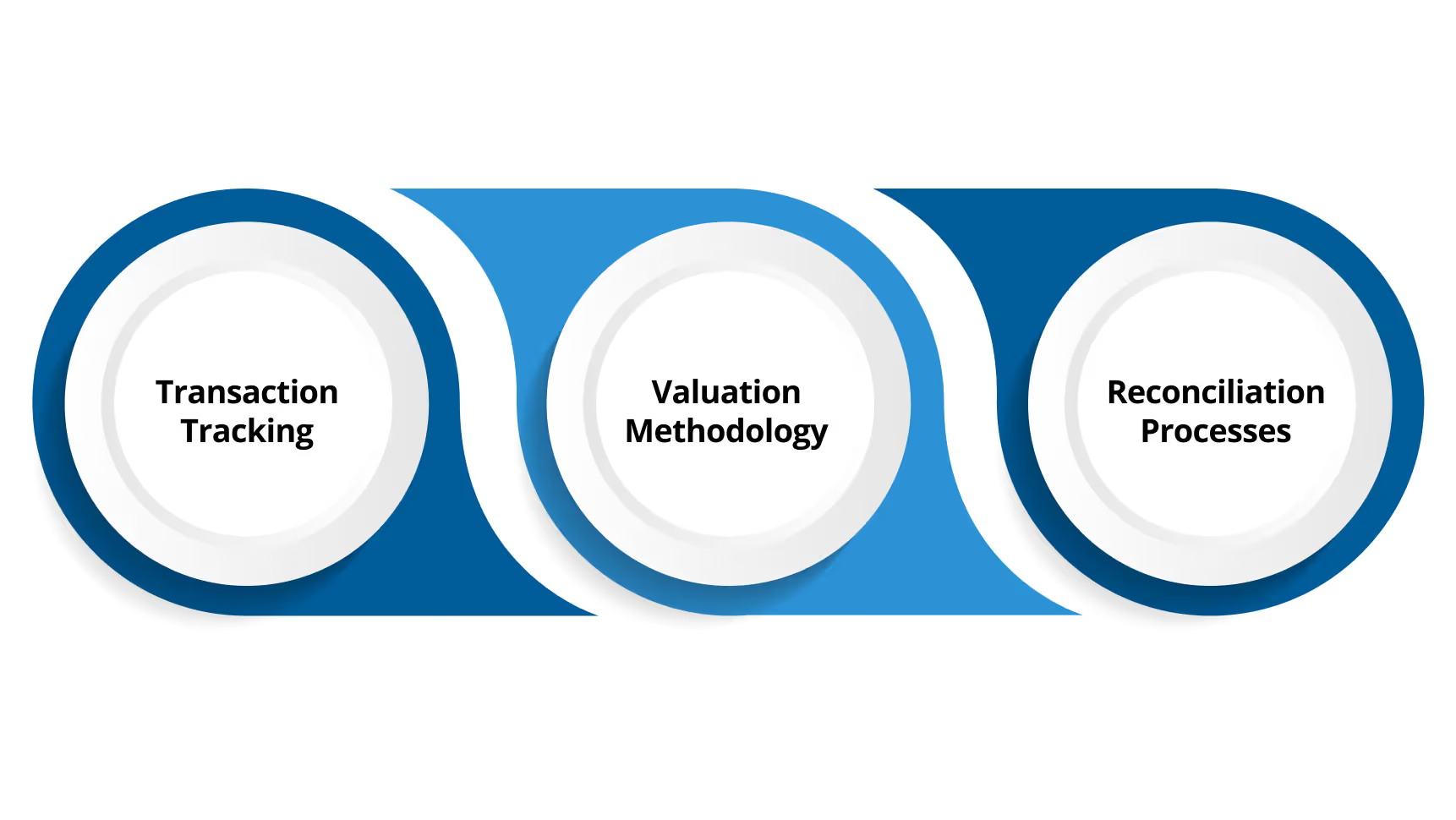
加密货币税务专业人员在数字记账中采取特定步骤,以准确记录贵公司的资本收益或亏损。如果没有系统的财务报告,您的公司将面临处罚风险。由于加密货币的去中心化和波动性,加密货币会计师会采用专门的方法来降低财务风险。
追踪每一笔加密货币交易是加密货币记账的基础。必须准确记录每一次买入、卖出、转账和交易,才能了解完整的财务状况。以下是需要追踪的内容细分:
由于加密货币价格的波动性,加密货币记账中的估值非常复杂。为了保持财务报表和税务计算的一致性,您必须采用适合您业务的估值方法。主要使用的方法包括:
对账是确保您的加密货币交易记录与钱包及交易所账户中的实际余额相符的关键步骤。准确的对账有助于防止因账目不符而导致的审计、漏报税款甚至潜在的金融欺诈。以下是对账的主要步骤:
即使对这些核心要素有了扎实的了解,企业在实践中仍会遇到重大障碍。加密货币生态系统带来的挑战可能会使即使是初衷良好的记账工作也难以推进。
管理加密货币交易面临着与传统业务不同的独特挑战。以下是加密货币记账所面临的主要障碍概述:
应对这些挑战不仅需要自动化,还需要技术与专家指导的完美结合。虽然加密货币记账工具可以简化交易跟踪,但它们无法解决国际税务、《外汇管理法》(FEMA) 合规或跨境架构等复杂领域的问题。这正是 VJM Global 的价值所在。凭借在加密货币会计、双重征税协定 (DTAA) 咨询以及印度商业落地方面的深厚专业知识,我们的团队能够帮助全球企业弥合监管差距并保持全面合规。 立即开始。
对于任何进行加密货币交易的企业而言,了解并遵守从美国到印度等各地的加密货币监管要求至关重要。然而,由于数字资产的波动性和独特性,制定和执行加密货币记账策略可能非常复杂。以下是实现高效加密货币交易管理的一些最佳实践。
一丝不苟地跟踪每一笔加密货币交易,包括日期、金额、加密货币类型、发送方/接收方信息、交易费用以及交易时的公允市场价值。这能确保税务合规并实现准确的财务报告。
为您的加密资产选择一种一致的估值方法。先进先出法 (FIFO)、后进先出法 (LIFO) 或加权平均成本法 (WAC) 等常用方法有助于确定税务计算和资本利得报告的成本基础。
使用加密货币记账软件自动导入并分类交易。这可以最大限度地减少错误并节省时间,从而轻松实现钱包与交易所之间的记录对账。
加密货币法规在不断演变。您的记账实践必须符合最新的税法和报告要求(例如美国国税局制定的要求),以避免受到处罚。
Protect your crypto data with robust security practices. Use hardware wallets for large holdings, enable two-factor authentication (2FA) on all accounts, and regularly back up financial data to safeguard against data breaches.
Establishing strong standalone crypto bookkeeping processes is essential, but most businesses don't operate in a crypto-only environment. The real transformation happens when digital asset tracking becomes part of your unified financial ecosystem.
Integrating crypto bookkeeping into your existing accounting systems adds another dimension to your financial processes. As cryptocurrency continues to gain traction in business transactions, this integration helps achieve a comprehensive overview.
Crypto bookkeeping involves tracking all digital asset transactions while managing traditional fiat currencies like USD and INR. For businesses operating between the US and India, this integration helps reconcile the flow of funds between wallets, exchanges, and bank accounts. A unified system gives finance teams a full picture of how crypto activity impacts cash flow, revenue, and taxation across jurisdictions.
Accurate crypto bookkeeping provides visibility into profits, losses, taxes, and liquidity across borders. Modern accounting software can automate much of this process, syncing data from exchanges and wallets while aligning with regional standards, whether it’s FASB’s fair value guidelines in the US or evolving Indian tax disclosure requirements under the Income Tax Act.
Strong bookkeeping practices are your best defense during audits or regulatory reviews. Maintaining detailed transaction records, especially cost basis and transfer details, is crucial for compliance in both regions. For India, accurate reporting supports TDS tracking and proof of source of funds, while in the US, it minimizes IRS audit risks. A consistent approach ensures transparency and protects your business from penalties or non-compliance.
Successfully integrating crypto into your financial infrastructure requires both technical know-how and strategic expertise. Partnering with specialists who understand both the digital asset space and international regulatory frameworks can make the difference between compliance and costly mistakes.
VJM Global is a distinguished Chartered Accountancy firm that specializes in providing comprehensive financial, taxation, and business advisory services to both domestic and international clients.
As crypto becomes part of mainstream business, bookkeeping is no longer just about compliance; it’s about building financial clarity across borders. For companies operating between the US and India, the real challenge lies in syncing two evolving regulatory landscapes while maintaining transparent, verifiable records.
The focus should be on creating systems that adapt, automating what’s repetitive, documenting what’s complex, and auditing what’s uncertain. Done right, crypto bookkeeping doesn’t just prevent penalties; it builds investor trust and strategic visibility into your digital asset flow.
While specialized tools can aid in crypto bookkeeping, integrating this process into your broader accounting strategy and utilizing expert services like VJM Global can help in financial management, especially for international taxation and business setups. Talk to our advisors today!
The 30-day rule in crypto, often referred to as the "wash sale rule," prevents taxpayers from claiming a tax deduction on a loss if they repurchase the same or substantially identical asset within 30 days. This rule is intended to discourage tax-loss harvesting through short-term sales.
在会计中记录加密货币时,需追踪交易日期、涉及的加密货币金额、交易时其法币的公允市场价值以及任何相关费用。从美国扩展业务至印度时,必须同时考虑两国的税务法规。加密货币交易应被视为资产,盈亏应根据价值变动进行记录,并确保符合美国和印度的税法。
要减少或避免加密货币的资本利得税,可以考虑将资产持有超过一年以适用长期资本利得税率,或者通过税收亏损收割(tax-loss harvesting)用亏损抵消收益。此外,向慈善机构捐赠加密货币也可能避免产生应纳税收益。
加密货币的四大主要类型包括:
是的,加密货币被视为应纳税收入。如果您因提供服务或商品而收到加密货币,其公允市场价值需作为收入纳税。此外,当您出售、交易或兑换加密货币获利时,还需缴纳资本利得税。