对于美国企业和投资者而言,海外资产申报是税务合规的关键环节,但它往往也是最容易被忽视的领域之一。随着美国国税局(IRS)日益关注《海外账户税收合规法案》(FATCA)和 8938 表格,未能申报海外资产可能会导致严重的罚款和法律纠纷。
了解这些法规对于保障您的财务和商业利益至关重要。
本博客将为您详细介绍有关 IRS 海外资产申报的所有必要信息,包括 FATCA 的复杂细节以及所持资产的具体申报要求。让我们开始吧。
海外金融资产是指在美国境外持有或维护的任何金融资产。这些资产是准确税务申报的关键,包括多种形式,例如:
IRS 要求美国纳税人(包括公民、绿卡持有者、居民和商业实体)在海外金融资产超过申报门槛时进行申报。8938 表格(特定海外金融资产声明)有助于追踪海外金融资产并确保履行税务义务。
另请阅读:IRS 工资扣押:如何预防与解决
现在我们了解了什么是海外金融资产,接下来让我们看看为什么申报这些资产如此重要。
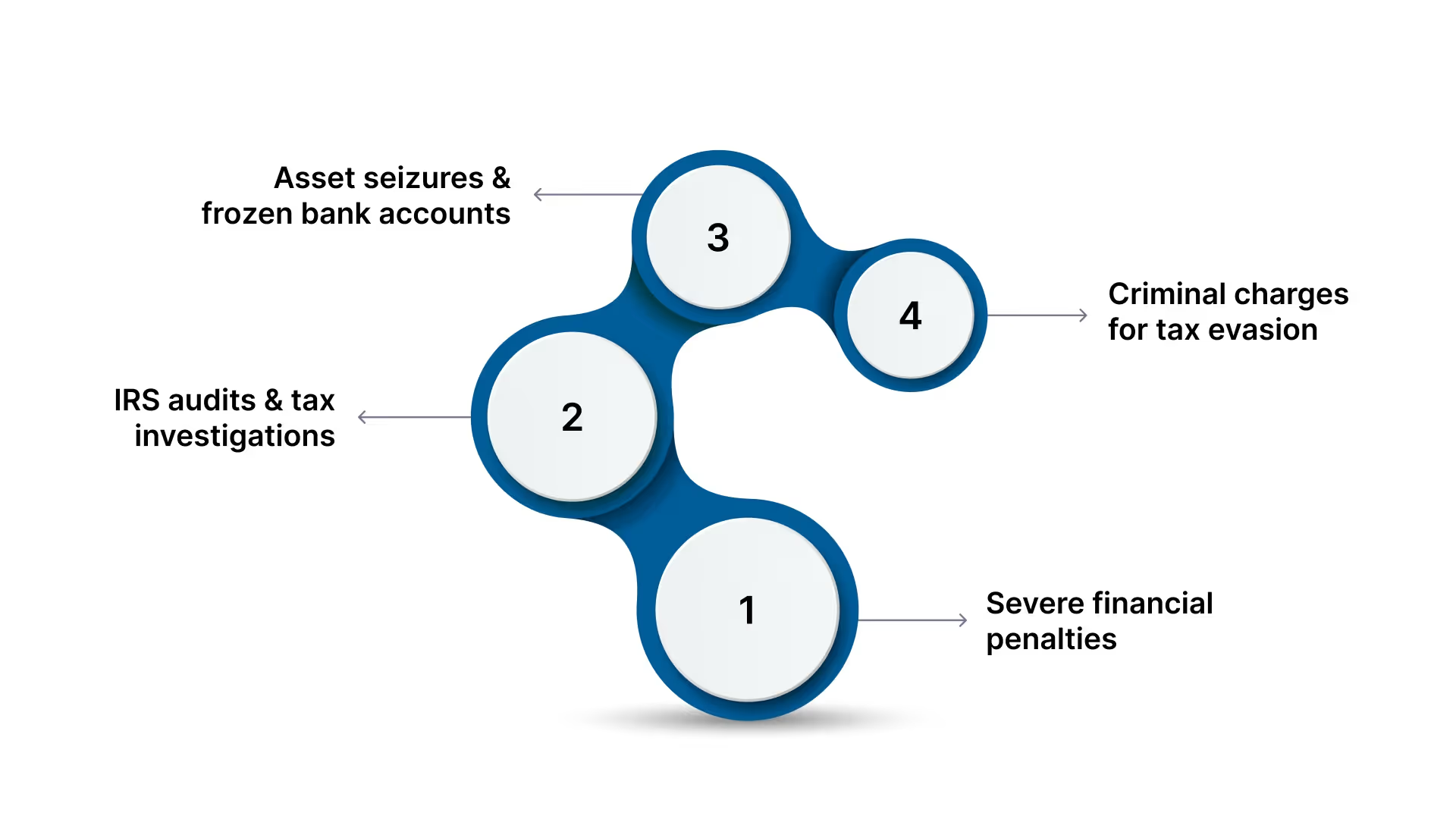
由于对逃税和洗钱的担忧,IRS 已大幅加大力度识别未申报的离岸资产。作为其中的一部分,FATCA 和全球税务条约现在要求外国银行向 IRS 报告美国账户持有人信息。
未能申报银行账户、房地产或投资等海外资产,可能会导致严重后果:
遵守海外资产申报要求对于规避这些风险并防止不必要的 IRS 审查至关重要。
在明确了利害关系后,了解 IRS 8938 表格在此过程中所起的关键作用就显得尤为重要。
IRS 8938 表格是美国政府遏制通过海外金融资产逃税的重要工具。虽然它与 FBAR(FinCEN 114 表格)类似,但 8938 表格有其独特的申报要求和门槛。
该表格是《海外账户税收合规法案》(FATCA)的一部分,旨在确保美国纳税人向 IRS 披露其海外金融持有情况。
如果您是持有超过美国国税局(IRS)申报门槛的外国金融资产的特定个人或特定国内实体,则必须提交 8938 表格。
美国国税局根据您的申报身份和居住地设定了具体的申报门槛。这些门槛决定了何时需要提交 8938 表格。
准确填写美国国税局 8938 表格可确保符合美国税法,并提高外国金融资产的透明度。
除 8938 表格外,美国纳税人可能还需要提交其他表格,以申报信托、商业利益和外国公司所有权等外国资产。
及时掌握这些额外的申报要求,可确保完全遵守美国税法,并有助于避免在持有外国资产方面出现问题。
接下来,让我们探讨一些您可能无需履行此项义务的情况。
虽然许多持有外国金融资产的美国纳税人都需要提交 8938 表格,但仍有一些值得注意的豁免情况:
然而,即使您无需提交 8938 表格,仍可能需要提交其他表格(如 FBAR,即 FinCEN 114 表格)来申报外国金融资产。
为了避免混淆,让我们对比一下 8938 表格与 FBAR 申报之间的主要区别。
许多纳税人会将 8938 表格与 FBAR 混淆。两者都涉及外国金融资产,但在规则、门槛和申报流程上有所不同。
8938 表格涵盖的外国资产范围更广,且由于它是年度纳税申报表的一部分,因此要求更详细的申报。FBAR 仅关注外国账户,有其独立的申报流程,即使无需提交纳税申报表也适用。
注意:同时达到两项门槛的纳税人必须提交两份表格,并确保在两份表格中一致地申报相同的账户。
延伸阅读:了解 K-1 表格(1065 表格附表)
在了解了需要提交哪些表格后,以下是正确申报外国资产的方法。
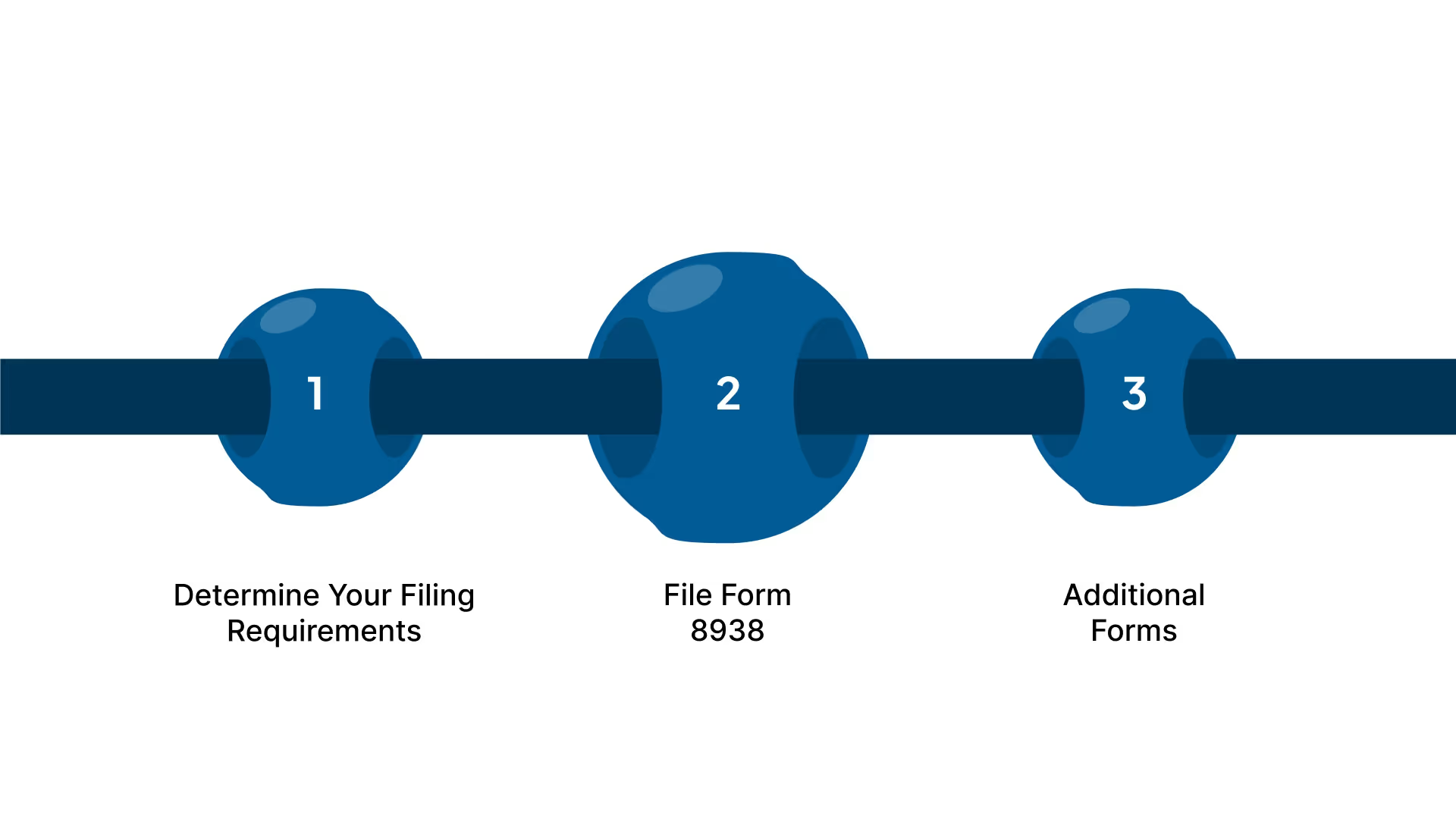
Reporting foreign assets is a critical step in ensuring compliance with U.S. tax and financial disclosure regulations. Here’s a streamlined guide for U.S. taxpayers on how to report foreign financial assets:
Not all U.S. taxpayers must report foreign assets. If the combined value of your foreign financial accounts exceeds $10,000 at any point during the year, you must file FinCEN Form 114, the Report of Foreign Bank and Financial Accounts (FBAR). This is filed electronically with FinCEN, not the IRS.
If your foreign assets meet specific thresholds, you must file Form 8938, the Statement of Specified Foreign Financial Assets, with your tax return (usually Form 1040). This provides more details on your foreign financial assets.
Any income earned from your foreign assets, such as interest, dividends, or rental income, must also be reported on your U.S. tax return.
Depending on your situation, other forms may be required. For instance, Form 5471 is needed for foreign corporations, while Form 3520 or 3520-A may be required for foreign trusts. It's essential to keep accurate records of all your foreign assets and transactions. This will support your filing in case of an audit.
Taxpayers living abroad typically use Form 1040, but may need additional forms such as Form 2555 (Foreign Earned Income Exclusion) or Form 1116 (Foreign Tax Credit). Always refer to the latest IRS guidelines to ensure compliance.
Also Read: Outsourced Tax Services to India: A Guide for US Companies
You’ll need records of your foreign accounts, investments, and other assets, including the maximum value of each asset during the year.
For foreign accounts, use the highest value during the year. For other assets, use their fair market value at year-end, converting values to U.S. dollars at the year’s closing exchange rate.
Foreign real estate is not typically reported unless it's held through an entity or generates income, such as rental income. Review IRS guidelines for specific real estate reporting rules.
FATCA requires U.S. taxpayers to disclose their foreign assets and mandates that foreign financial institutions report U.S. account holders to the IRS. This law helps the IRS detect and prevent tax evasion related to foreign accounts.
If you hold foreign assets, FATCA may impose additional reporting obligations on both you and the foreign financial institutions holding your assets. Accountants assisting clients with foreign assets should be familiar with FATCA’s implications, ensuring that all assets are properly reported and that clients are aware of their obligations.
Missing a foreign asset disclosure deadline or making errors can lead to costly penalties. VJM Global specializes in helping U.S. businesses and investors manage the complexities of FBAR, Form 8938, and other foreign asset reporting requirements. With expertise in cross-border tax compliance and audit support, we ensure your disclosures are accurate and timely, keeping your operations fully compliant with IRS regulations. Get started today.
But what happens if you fail to report these assets? Let’s take a look at the penalties for non-compliance.
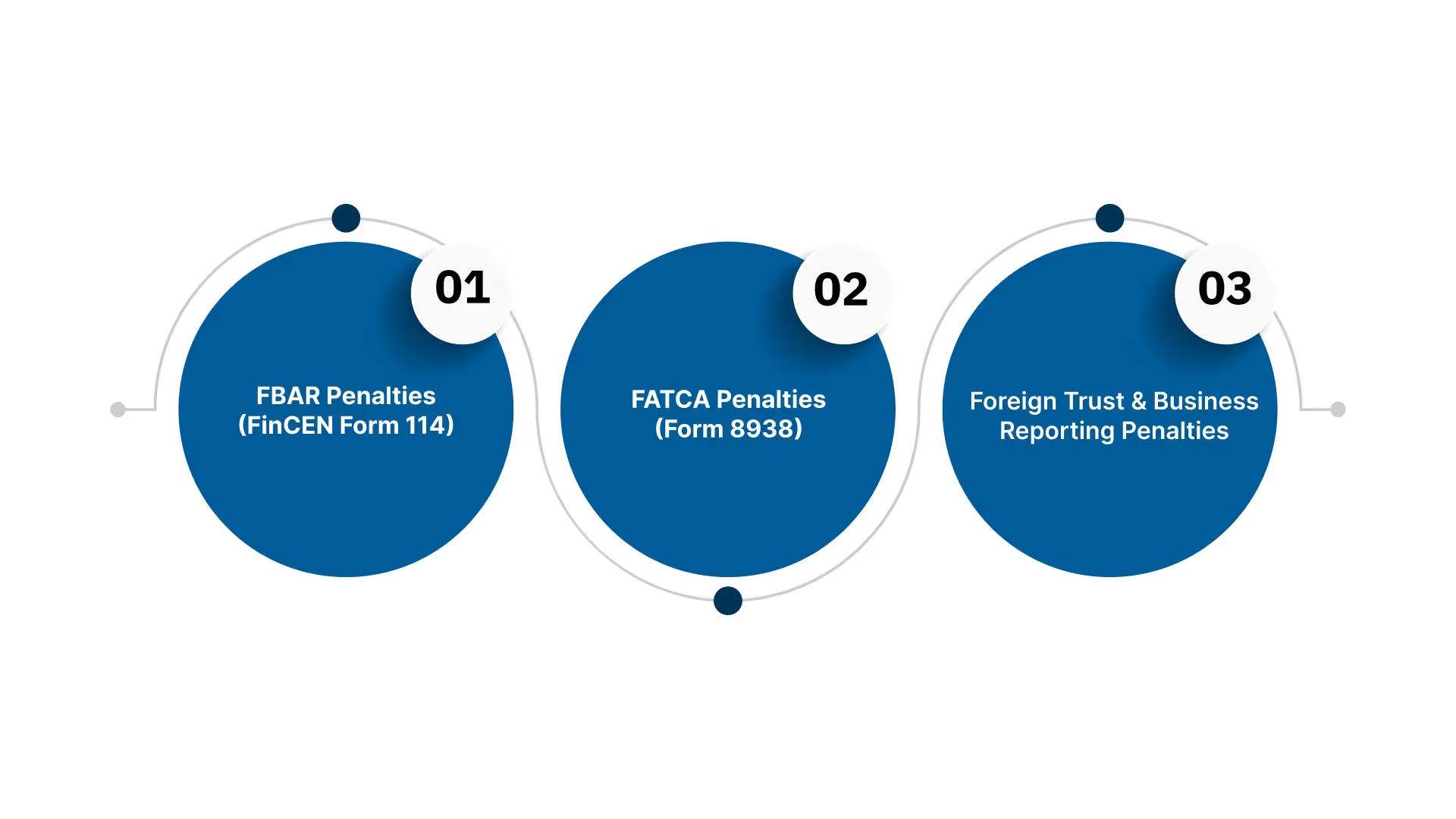
Failure to disclose foreign assets can result in severe financial penalties, civil cases, and criminal charges. Here’s a breakdown of the penalties associated with non-compliance:
Keeping accurate records and filing on time is the best way to ensure compliance and avoid the costly consequences of non-disclosure.
To wrap things up, here are some practical tips to ensure you file IRS Form 8938 correctly and remain compliant.
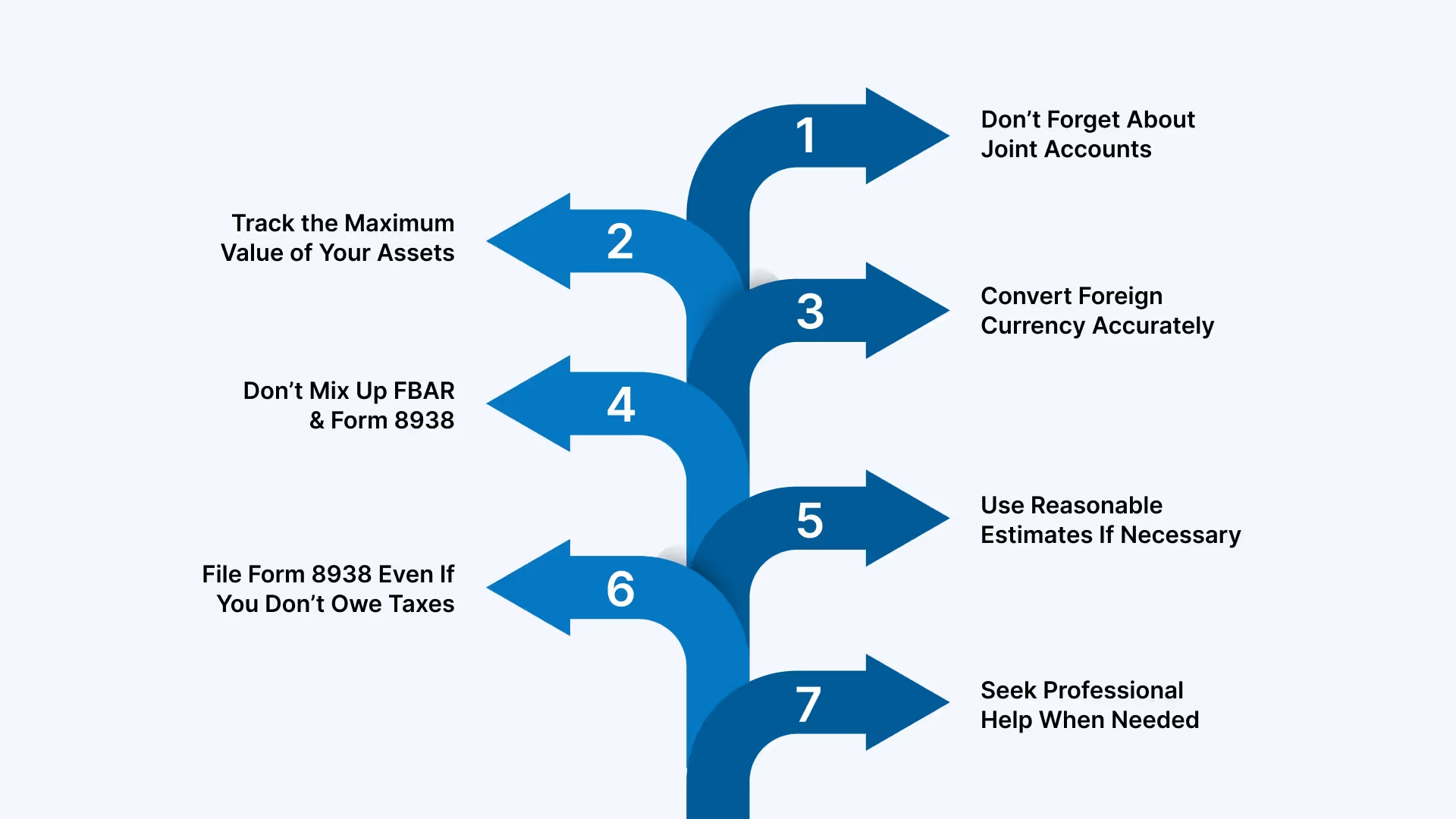
Filing IRS Form 8938 can seem daunting, especially when dealing with foreign financial assets. To help you tackle the process, here are some valuable tips to ensure you stay compliant:
Joint ownership affects how you report assets. If you’re filing jointly with a spouse, report the full value of jointly owned assets once. For joint ownership with individuals who are not your spouse, report the full value of the asset. This rule applies regardless of whether the other joint owner is a business partner, friend, or relative.
You must report the maximum value of your foreign assets during the year, not just their value at year-end. Use account statements to identify the highest value of your foreign assets during the tax year.
When converting foreign assets into U.S. dollars, use the exchange rate on December 31st of the tax year. If you sold or closed an asset before the year-end, still use the exchange rate on December 31st.
Both FBAR (FinCEN Form 114) and Form 8938 require reporting of foreign assets, but their filing requirements differ:
You may need to file both forms, depending on your assets.
If you’re unsure of an asset’s exact value, you can use a reasonable estimate based on available information. For example, use financial statements or publicly available market data to estimate values. Be sure to document how you arrived at your estimate in case the IRS asks for clarification.
You are required to file Form 8938 even if you don’t owe any U.S. taxes. The IRS uses this form to track foreign financial assets, so it must be filed regardless of your tax liability.
Filing Form 8938 can be complicated, especially when dealing with foreign assets. If you’re unsure about any part of the filing process, consult a professional. VJM Global offers U.S.‑trained CPA & CA teams, Form 8938/FBAR cross‑border compliance, and full accounting‑outsourcing support for U.S. companies with Indian operations, so you can stay compliant with ease.
Following these tips simplifies the Form 8938 filing process, ensures you meet IRS requirements, and helps you avoid penalties.
Accurately reporting foreign assets is a regulatory requirement and a crucial step in avoiding significant penalties. The complexity of international tax laws and foreign asset disclosure can be tricky, but ensuring compliance is essential for the long-term financial health of U.S. businesses and investors.
VJM Global’s specialized services ensure your compliance with U.S. tax regulations, including FBAR and Form 8938. Here’s how we can help:
Get in touch with our expert team today to ensure your foreign asset disclosure is handled seamlessly and in full compliance with U.S. tax laws.
FBAR (Foreign Bank and Financial Accounts Report) is required for U.S. taxpayers who have foreign financial accounts exceeding $10,000 in aggregate value at any point during the year. If you meet this threshold, you must file FinCEN Form 114.
Penalties for non-compliance can be severe, including civil fines up to $10,000 per violation for non-willful failures and up to $100,000 or 50% of the account balance for willful violations. Criminal charges may also apply in cases of intentional non-compliance.
Form 8938 is required for U.S. taxpayers with specified foreign assets exceeding certain thresholds. It must be filed with your annual tax return (Form 1040) if your foreign assets meet these thresholds.
VJM Global offers comprehensive support with FBAR, Form 8938, and other foreign asset disclosures. We provide tax preparation, audit support, and international tax advisory services to ensure full compliance with U.S. regulations.