


India offers fertile ground for innovation and expansion in the software industry. For US entrepreneurs eyeing international growth, registering a software company in India presents a practical and strategic opportunity. With its deep talent pool, cost-effective operations, and strong digital infrastructure, India remains one of the most attractive destinations for global tech businesses.
According to NASSCOM’s 2024 report, India’s technology industry reached $254 billion in revenue, with software exports accounting for over 50 percent of that value. The country is also home to more than 30,000 tech startups, making it the third-largest startup ecosystem globally.
In this article, you’ll learn what defines a software company, why India is a smart choice for starting one, and how to register it legally and efficiently. Whether you’re launching a fresh venture or expanding an existing one, this guide will walk you through the process of registering an IT company in India with clarity and confidence.
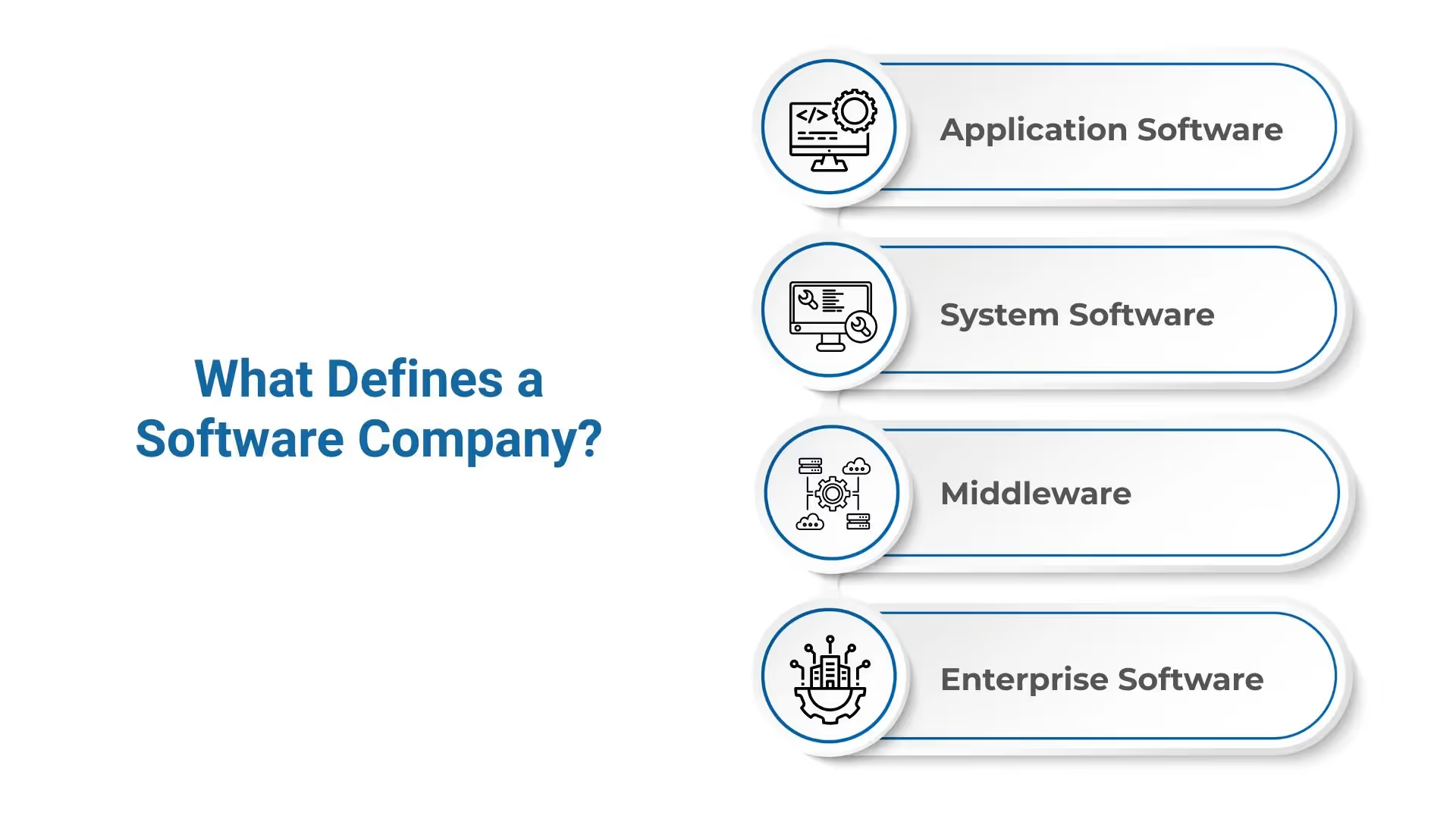
A software company is a business entity primarily focused on designing, developing, distributing, and supporting software products or services. Unlike companies that produce physical goods, software companies create intangible digital solutions that help individuals, businesses, and organizations automate tasks, solve problems, and improve efficiency.
Software companies can specialize in various types of software, including but not limited to:
These companies may operate on different business models, such as selling software licenses, offering subscription-based software-as-a-service (SaaS), providing custom software development, or delivering cloud-based solutions.
In addition to software creation, many software companies also provide ongoing support, updates, and maintenance to ensure their products continue to meet user needs and adapt to evolving technology standards.
Now, let's discuss the various types of software companies that exist.
Also Read: How to Register a Holding Company in India
Software companies fall into several categories, depending on their business model, product type, and service offerings:
Choosing the right type depends on your long-term goals, technical expertise, and market approach.
So, why should you register an IT company in India? Let us look at the advantages that it serves.

India stands out as a strategic location for IT ventures, especially for US businesses and entrepreneurs looking to expand globally. Understanding the importance and potential of this market is key before you register an IT company in India.
Why Register an IT Company in India?
在印度注册 IT 公司不仅仅是建立一个商业实体,更是将自己置于蓬勃发展的科技生态系统核心,从而获取全球人才并开拓新市场。无论您的目标是建立开发中心、提供 IT 服务还是开发创新产品,印度都能为您提供一个快速且低成本的增长平台。
现在,让我们为您详细介绍在印度注册软件公司的具体流程。
建议阅读:如何注销在印度的注册公司:分步指南

印度已迅速崛起为全球软件开发、IT 服务和科技创新的中心。对于美国企业家而言,在印度注册公司意味着能够接触到技术精湛的人才库、享受有利的成本结构以及融入繁荣的商业生态系统。然而,注册过程涉及法律、税务和监管等多个环节。
以下是一份详细的实用指南,旨在帮助您顺利完成在印度的 IT 公司注册。
公司的法律结构将决定其税务处理、合规要求以及所有权管理方式。印度提供多种实体类型,每种类型都适用于不同的业务目标。外资科技公司最常见的结构包括:
提示: 大多数美国企业家选择私人有限公司 (Private Limited Company),因为其具备有限责任保护、易于融资且受到全球认可。
由于所有公司注册申请均通过印度企业事务部 (MCA) 门户网站在线完成,因此每位拟任董事都必须持有数字签名证书 (DSC)。此数字密钥用于验证董事身份并授权在线文件。
提示: 请尽早开始此流程。许多外国申请人因验证问题而面临延误;因此,建议通过 eMudhra 或 Sify 等认证服务商,使用准确的护照和地址信息进行申请。
A Director Identification Number (DIN) is a unique ID issued to each director of a company in India. It guarantees the government can track a person’s involvement in multiple companies and hold them accountable for compliance.
提示: 通过 SPICe+ 表格提交申请时,最多可同时生成三位董事的 DIN。如果您是直接进行公司注册,则无需单独申请 DIN。
您的公司名称必须符合 MCA 的命名准则,并能清晰反映您的业务。在注册前,您需要通过RUN (Reserve Unique Name) 系统申请名称核准。
提示: 请先在 MCA 门户网站上进行初步的名称可用性查询。避免使用通用名称,并加入“Technologies”、“Software”或“Solutions”等行业特定词汇,以加快审批速度。
SPICe+ 是一项集成的在线表格,旨在简化公司注册流程。它涵盖了公司注册、PAN(永久账号)和 TAN(扣缴税款账号)分配、GST(商品及服务税)注册以及其他服务。您需要提交的关键文件包括:
提示:聘请当地的公司秘书或注册专家来协助起草 MoA 和 AoA。这些文件应准确反映您公司的技术重点和未来目标。
对于在印度申报所得税而言,永久账号 (PAN)至关重要。同时,扣缴税款账号 (TAN)则是从工资或供应商发票等款项中预扣税款所必需的。
提示:如果您使用 SPICe+ 表格,则无需单独申请这些号码。它们会在公司注册过程中自动处理。只需仔细核对表格中的详细信息是否准确即可。
如果您的 IT 公司提供应税服务或出口软件,则必须进行商品及服务税 (GST) 注册。GST 是适用于全印度的联邦税,是开具发票和合规所必需的。
提示:即使您的收入来自国际客户,注册 GST 也能让您申请进项税抵免,并获得零税率出口资格。
公司注册完成并收到 PAN 和注册证书后,下一步是与一家信誉良好的印度银行开立往来账户,用于处理所有业务交易。
提示:选择一家拥有强大在线银行服务和国际转账支持的银行;ICICI、HDFC、Axis 或 SBI 在外资企业中很受欢迎。一些银行甚至提供企业创业套餐,并配备专门的顾问来支持客户。
根据您的办公地点和商业模式,您可能需要以下许可:
提示:咨询当地的特许会计师或商业顾问,以确定各州的具体要求,并尽早避免合规漏洞。
那么,在印度注册软件公司时,企业必须满足哪些法律要求呢?让我们在下面了解一下。
公司注册后,必须持续遵守印度的法律和监管框架,以避免处罚并保持良好的信誉。
1. ROC 备案:所有根据《公司法》注册的公司都必须向公司注册处 (ROC) 提交年度申报表和经审计的财务报表。这包括 AOC-4 和 MGT-7 等表格。不合规可能导致滞纳金或董事资格被取消。
2. 所得税合规: 公司必须每年申报所得税,并在适用时缴纳预缴税款。对于作为美国实体子公司运营的软件公司,需遵守转让定价法规。这要求公司保留相关文档,以证明与美国母公司交易的合理性,并在适用时提交 3CEB 表格。
3. 商品及服务税 (GST) 注册与申报: 软件和 IT 服务通常需缴纳 18% 的 GST。企业必须进行 GST 注册,开具正规发票,并根据营业额按月或按季度申报(GSTR-1 和 GSTR-3B)。软件服务出口可能适用零税率,但必须根据承诺书 (LUT) 计划提供相应的证明文件。
4. 雇佣与劳动法合规: 在印度招聘员工需遵守当地劳动法。这包括签署正式的劳动合同,在适用情况下缴纳公积金 (EPF) 和员工国家保险 (ESI),并遵守有关酬金、休假政策和解雇程序的规定。公司还必须遵守所在邦的《商店与机构法》。
5. 数据保护与网络法律: 如果您的业务涉及收集、存储或处理用户数据,则必须遵守印度的《信息技术 (IT) 法》及其相关规则。随着《数字个人数据保护法》(DPDPA) 即将实施,企业应主动采取数据治理措施,例如建立明确的同意机制、进行用户数据审计以及制定跨境数据传输协议,以符合即将出台的法律框架。
6. 其他许可与当地注册: 根据您的办公地点,您可能需要办理营业执照、专业税登记或根据当地市政法规进行注册。这些通常是各邦特有的要求,外国创始人往往容易忽略。
那么,在印度创办软件公司会面临哪些挑战呢?让我们在下文中详细探讨。
您可能还喜欢:印度独资企业注册指南
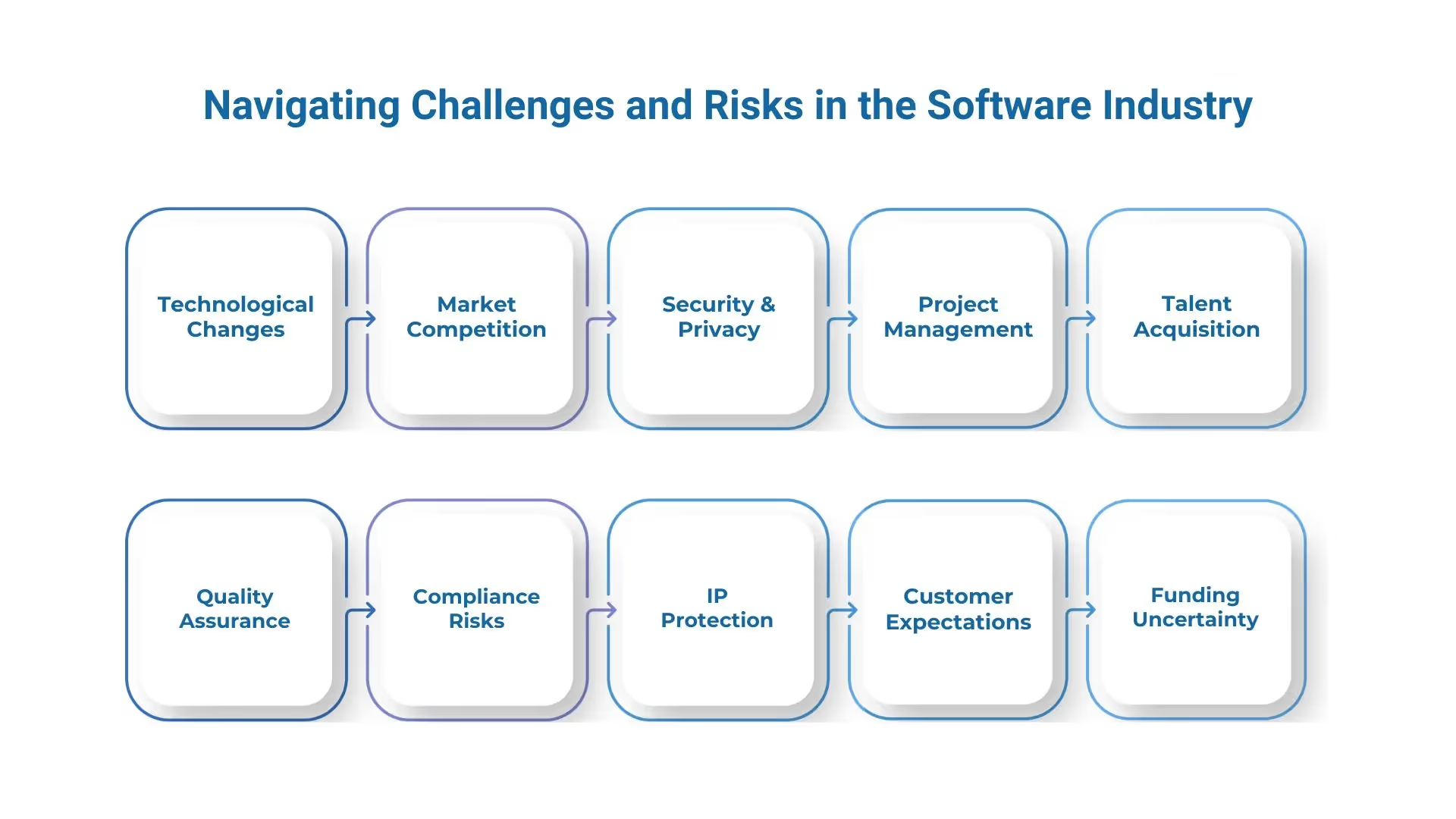
注册公司仅仅是第一步。对于在印度经营软件公司的美国企业家来说,日常运营可能非常复杂,尤其是在处理当地合规、税务法规和人才管理方面时。
软件行业的技术进步极其迅速。新的编程语言、框架、工具和平台层出不穷,需要持续的学习和适应。企业往往难以保持团队技能的同步,这可能导致技能过时、生产力下降或错失市场机会。
软件开发的准入门槛相对较低,导致市场竞争拥挤。初创企业和成熟公司都面临着激烈的竞争,因此差异化和创新至关重要。如果没有独特的价值主张,产品很容易在众多的替代品中被淹没。
软件系统是网络攻击(包括恶意软件、勒索软件和数据泄露)的主要目标。保护用户数据和维护应用程序安全需要持续投入安全实践,并遵守 GDPR 和 CCPA 等不断演变的法规。未能做到这一点可能会导致高昂的法律罚款和声誉受损。
软件项目在范围界定、时间估算和资源分配方面经常面临挑战。规划不当可能导致延期、成本超支和交付成果不尽如人意。管理跨职能团队,特别是在远程或分布式环境中,更增加了复杂性。
对熟练软件工程师、UX 设计师和其他技术专业人员的需求超过了供给。由于薪资竞争、公司文化和职业发展机会等因素,招聘和留住顶尖人才仍然是一项重大挑战。高离职率会破坏业务连续性并增加招聘成本。
Delivering high-quality software requires rigorous testing and bug tracking. However, tight deadlines often force teams to cut corners, leading to software defects that affect user experience and increase maintenance costs. Balancing speed and quality remains a persistent challenge.
As software increasingly touches regulated industries such as healthcare, finance, and telecommunications, companies must comply with specific standards and laws. Non-compliance can result in severe financial penalties and operational restrictions.
Protecting proprietary code, algorithms, and software designs from infringement or theft is critical. The global nature of software distribution complicates IP enforcement, exposing companies to risks of piracy and unauthorized use.
End-users expect smooth, intuitive, and constantly improving software products. Keeping pace with these expectations while managing costs and timelines requires agile development and strong customer feedback mechanisms.
Startups and small companies often rely on venture capital and external funding, which can fluctuate with economic cycles. Budget constraints may limit R&D, marketing, and scaling efforts, jeopardizing growth plans.
Now that we know everything about setting up a software company in India, let's explore how VJM Global helps diverse businesses establish their operations here.
Starting a software company in India requires more than just a great idea. It demands legal clarity, regulatory compliance, and precise execution. From choosing the right business structure to navigating tax registrations and foreign investment regulations, every step must be handled with care.
A well-structured incorporation process sets the foundation for long-term success. Entrepreneurs who get this right early on gain operational clarity, compliance confidence, and a faster route to funding and scalability.
Take control of your business setup journey today. VJM Global offers tailored company registration solutions that empower software entrepreneurs, both domestic and foreign, to launch in India with ease and confidence:
With evolving regulations and growing demand for digital services, more tech founders are turning to VJM Global to register their software companies in India quickly, compliantly, and affordably.
Ready to launch your tech startup in India? Partner with VJM Global and lay the right foundation for your business. Contact us today to get started.
Ans. You need to decide the company structure (Private Limited, LLP, or Sole Proprietorship), obtain Digital Signature Certificates (DSC), Director Identification Number (DIN), and file incorporation forms with the Ministry of Corporate Affairs (MCA). Additionally, registering for GST and other applicable licenses might be necessary.
答:通常情况下,注册流程需要 7 到 15 个工作日,具体取决于文件准备情况和政府审批进度。
答:主要文件包括董事和股东的身份及地址证明(如 Aadhaar 卡或护照)、注册办公地址证明、业主出具的无异议证明(NOC),以及公司拟定名称和业务详情。
答:可以。非居民印度人和外国人均可在印度注册软件公司,但需遵守外国直接投资(FDI)政策及印度储备银行(RBI)的相关规定。




