


接受联邦资助的企业和组织正面临日益严格的审查,以确保其管理合规。对于美国的非营利组织、部落实体和政府承包商而言,满足“单一审计”(Single Audit)要求对于展示问责制并保持未来联邦奖项的申请资格至关重要。
单一审计由管理和预算办公室(OMB)的《统一指南》(Uniform Guidance)监管,为财务报表审计及联邦奖项合规性审计提供了一种标准化方法。从2025财年开始,审计门槛将从75万美元提高到100万美元,这将影响哪些组织必须接受此项全面审查。
本博客将为您介绍单一审计的内容,解释最新的要求,重点说明常见的合规挑战,并提供实用建议,帮助您为顺利通过审计做好准备。
单一审计(有时称为《统一指南》审计)是对组织财务报表及其对联邦奖项要求合规性的一项全面审查。它适用于接收并支出联邦资金的非联邦实体,旨在确保资金使用的问责制。
单一审计由管理和预算办公室(OMB)通过《统一指南》(2 CFR Part 200 Subpart F)进行管理,将财务报表审计与针对主要联邦项目的详细合规性审查相结合。这包括测试内部控制、核实支出以及评估对法规的遵守情况。
了解单一审计要求对于组织保持联邦资助资格并符合美国政府标准至关重要。
现在您已经了解了什么是单一审计,接下来让我们探讨一下单一审计的流程。
.avif)
单一审计遵循一套结构化的流程,以确保组织全面满足联邦财务和合规要求。了解这些步骤有助于组织进行有效准备。
此阶段涉及收集所有联邦拨款文件、编制财务报表以及创建联邦奖项支出明细表(SEFA)。审计师还将评估组织控制措施,并确定审计范围和时间表。
审计师将审查财务记录,评估针对联邦资金的内部控制,并测试对项目特定要求的合规性,例如允许的成本、采购规则和报告要求。抽样技术和访谈有助于评估风险和合规性。
编制单一审计报告,内容包括财务报表、SEFA、审计师对合规性的意见,以及任何发现的问题或存疑成本。该报告必须在监管截止日期前提交至联邦审计信息交换中心。
如果审计中发现问题,组织必须制定并实施纠正行动计划(CAP)。持续的监控可确保问题得到解决,从而维持联邦资助资格。
现在您已经了解了单一审计的运作流程,让我们来看看组织在审计过程中面临的一些常见问题。
Also Read: Understanding Company Audits: Key Processes and Types
During Single Audits, several issues frequently arise that organizations should be aware of to stay compliant and avoid costly problems.
Many organizations miss federal awards originating from state grants or other sources and exclude them from the Schedule of Expenditures of Federal Awards (SEFA). This leads to incomplete reporting and potential material weaknesses in audit findings.
Failure to submit performance and compliance reports on time or submitting reports with errors can result in significant audit findings and jeopardize continued federal funding.
Deficiencies often appear in control design or execution over financial reporting, eligibility verification, and compliance monitoring. These weaknesses can expose organizations to misstatements and compliance risks.
Organizations sometimes charge costs that are unallowable, unsupported, or improperly allocated, especially payroll and indirect costs, leading to questioned costs and audit findings.
Not appropriately monitoring or assessing risk in subrecipients, failing to verify unique entity identifiers (UEI), and not performing timely risk assessments are common problems that affect compliance.
Audit findings often reveal noncompliance with procurement standards, including sole-source justifications, vendor suspension checks, lack of written policies, or poor documentation supporting procurement decisions.
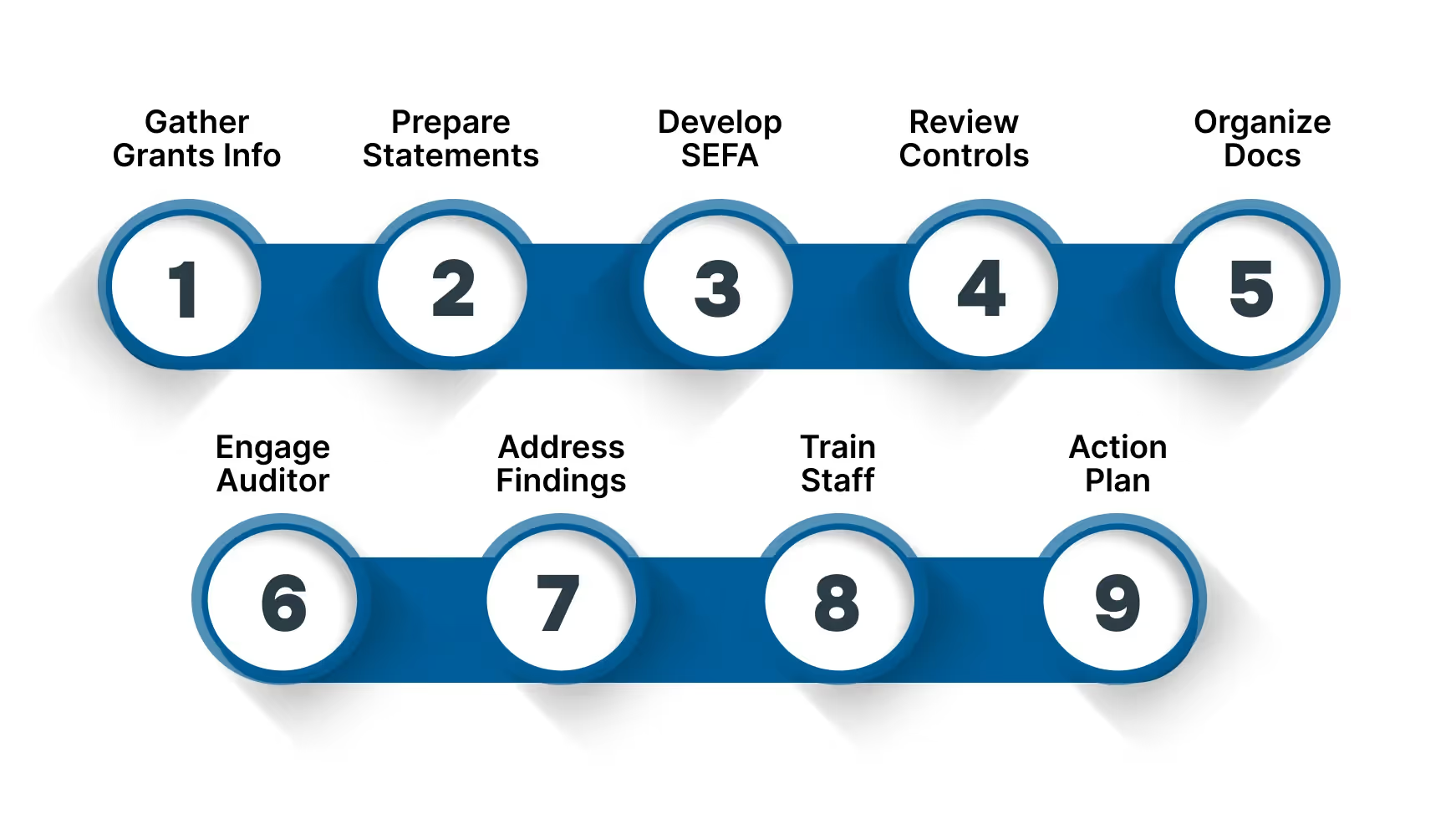
Preparing for a Single Audit can seem overwhelming, but careful planning and organization make all the difference. By following best practices and staying proactive, your organization can manage the process smoothly and reduce the risk of audit findings.
Collect complete details of all federal awards your organization received during the fiscal year, including direct awards and pass-through funding. Accurate records ensure your Schedule of Expenditures of Federal Awards (SEFA) is complete.
Ensure your financial statements are updated, accurate, and prepared according to Generally Accepted Accounting Principles (GAAP). Include all necessary notes and disclosures for transparency.
Create a precise SEFA that aligns with your financial records and clearly lists all federal grants, with award numbers and expenditure amounts.
Assess your organization's internal controls related to federal award management, including segregation of duties, authorization processes, and recordkeeping. Update policies where gaps exist.
Gather supporting documents such as grant agreements, invoices, timesheets, procurement records, and reports. Maintain organized, accessible files to provide auditors with clear evidence.
Clarify audit scope, deadlines, and expectations in advance. Discuss any new awards or changes in processes to help auditors plan effectively.
Review previous Single Audit reports and ensure corrective actions have been implemented. Prepare documentation demonstrating progress on past recommendations.
Educate personnel involved with federal awards on compliance policies and audit processes. Encourage open communication to resolve questions before the audit begins.
If findings arise during the audit, have a process ready to address and document corrective actions promptly to maintain compliance and funder confidence.
另请阅读:了解美国通用会计准则(US GAAP)收入确认标准
VJM Global provides expert Single Audit support that helps U.S. businesses and CPA firms meet federal compliance efficiently. With knowledge of Indian regulations and U.S. standards, they prepare your financial records for audit and minimize risks.
By handling these critical tasks, VJM Global helps you meet Single Audit requirements smoothly and efficiently. Request a call back now to get started with expert Single Audit assistance tailored for your needs.
A Single Audit is a comprehensive financial and compliance review required for organizations that spend $750,000 or more in federal funds annually. It evaluates your financial statements, internal controls, and compliance with federal program requirements.
任何接收并支出联邦奖项金额超过规定阈值的非联邦实体或组织,均须根据联邦法规进行单一审计。
VJM Global 负责整理您的财务记录、审查内部控制,并提供离岸审计支持,以确保您的审计工作井然有序、准确无误且按时完成。
关键文件包括财务报表、联邦奖项支出明细表 (SEFA)、拨款协议、工资记录和采购档案。VJM Global 将指导您高效地收集和整理这些资料。
具体时间取决于业务复杂程度,但在 VJM Global 的协助下,准备时间将得到优化,确保您能在联邦规定的截止日期前完成,避免临阵磨枪。




