

Accurate financial reporting builds trust, drives decisions, and ensures compliance. That’s why accrual accounting plays a central role in how U.S. businesses manage and present their finances. Unlike cash accounting, which records transactions only when money changes hands, accrual accounting aligns income and expenses with the periods they impact, providing a clearer view of performance.
According to a 2024 report, 82% of small businesses now use cloud-based accounting software, reflecting a strong shift toward automation and structured financial practices that support accrual-based accounting. If you operate a growing business or seek funding, you can’t ignore the importance of this approach. In fact, Generally Accepted Accounting Principles require the accrual basis of accounting for most organizations in the U.S. This article explores how accrual accounting works, when to use it, and why it remains the preferred method under GAAP.
Accrual accounting is a method of financial recording that recognizes revenues and expenses when they are earned or incurred, regardless of when the actual cash is received or paid. Unlike cash-basis accounting, which records transactions only when money changes hands, accrual accounting provides a more accurate picture of a company’s financial health by matching income with the expenses incurred to generate that income within the same period.
For US businesses and entrepreneurs, understanding and implementing accrual accounting is crucial, especially as companies grow and seek to maintain compliance with Generally Accepted Accounting Principles (GAAP). The accrual method provides a clearer understanding of long-term profitability, cash flow management, and financial obligations, making it easier to plan, budget, and attract investors or lenders.
Now, let's examine the types of accruals in accounting and their significance to your business in detail below.

Accrual accounting plays a crucial role in providing an accurate financial picture of a business by recognizing revenues and expenses when they are earned or incurred, rather than when cash is actually exchanged. For U.S. businesses and entrepreneurs, understanding the different types of accruals is essential to ensure compliance with Generally Accepted Accounting Principles (GAAP) and to maintain clear, transparent financial records that support informed decision-making and accurate tax reporting.
Here are the main types of accruals that businesses commonly encounter:
These are revenues that a business has earned by delivering goods or services but has not yet received payment for by the end of the accounting period. For example, a software consulting firm in New York may complete a project in June but invoice the client in July. Under accrual accounting, revenue is recognized in June, reflecting the actual timing of work performed rather than the receipt of payment.
Why it matters: Recording accrued revenues guarantees entrepreneurs reflect all earned income in the correct period, which improves financial forecasting and tax planning.
Accrued expenses represent costs a business has incurred but not yet paid. This can include wages owed to employees, utilities used but not yet billed, or interest on loans that have accumulated and remain unpaid by the end of the period.
For example, a small manufacturing business in Ohio might have employees who worked the last week of the month but won’t receive paychecks until the following month. Recording accrued wages in the current month guarantees that expenses align properly with the period during which the labor was provided.
Why it matters: Properly accruing expenses helps maintain an accurate liability picture and prevents underreporting costs, which can distort profitability.
These are taxes that a business owes but has not yet paid. This includes income taxes, payroll taxes, or sales taxes collected but not remitted to the appropriate authorities. For US businesses, accurately accruing taxes at period-end guarantees compliance with IRS regulations and prevents surprises during tax audits or filings.
Why it matters: Failing to accrue taxes can result in underreporting liabilities, which can trigger penalties, interest charges, and increased audit risks. Accurate accruals help businesses stay compliant and prepared for upcoming tax payments.
Accrued interest refers to interest expenses or income that accumulate over time but have not been settled by payment. For example, suppose a business has a loan with monthly interest due on the 15th but its accounting period ends on the 30th. In that case, it needs to record interest expense for the unpaid portion as accrued interest.
Why it matters: This type of accrual ensures that interest costs are matched with the periods to which they relate, providing a more accurate representation of financing costs.
If a business occupies leased premises but the rent payment is due after the accounting period closes, it should recognize the rent expense for the period in which the space was used. For entrepreneurs operating retail stores or offices in the US, this aligns expenses with the benefits received.
Why it matters: Accruing rent ensures that occupancy costs are recorded in the correct accounting period, supporting accurate profit-and-loss reporting. It also prevents overstating cash reserves and underestimating liabilities.
So, how does accrual accounting work in business? Let us understand this in detail below.
Also Read: What Are the Key Considerations in Accounting for Startup Costs in 2025
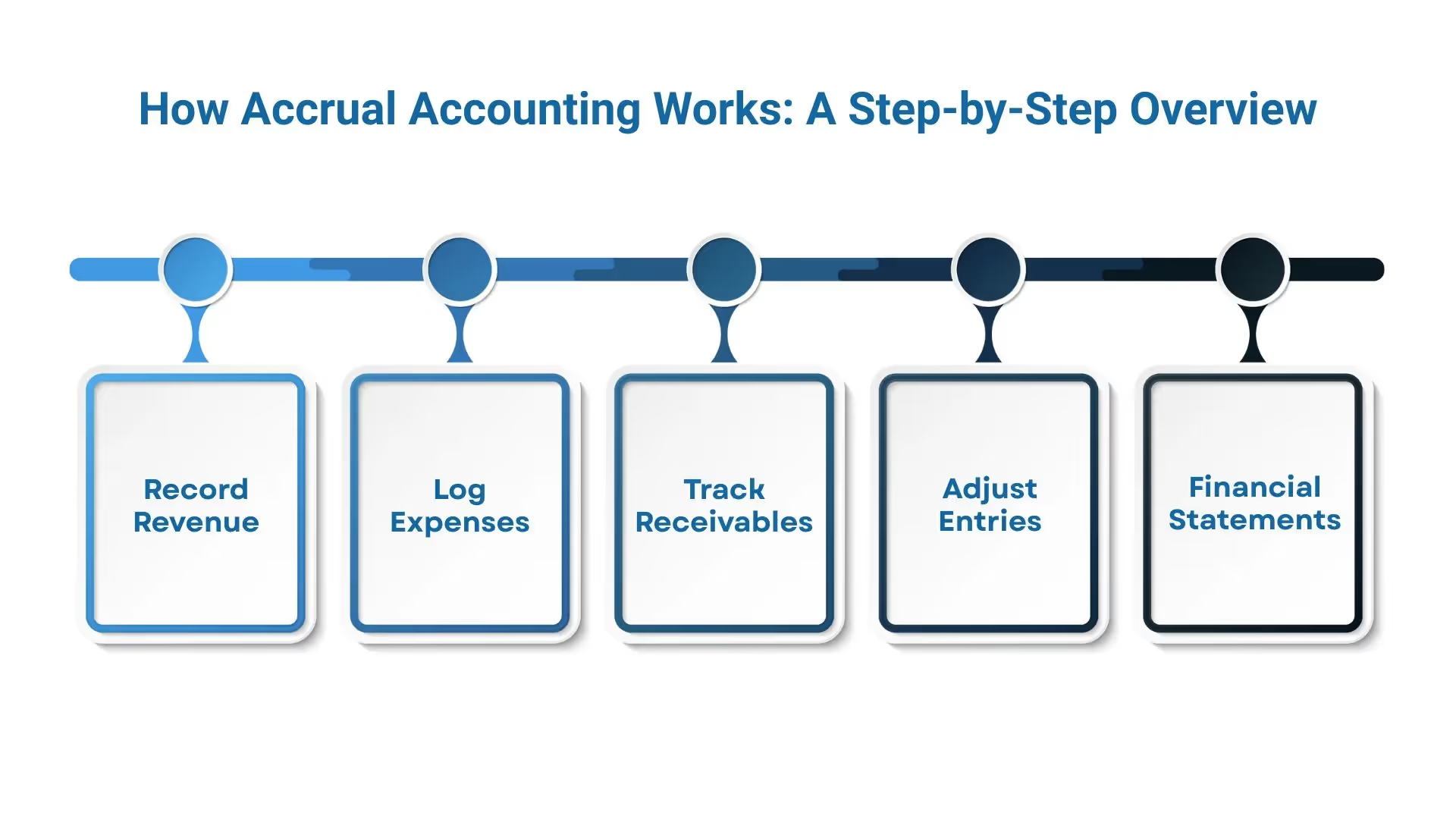
Accrual accounting works by recording financial transactions at the time they happen, not when the cash is actually received or paid. This means you recognize revenues when you deliver goods or services, and you record expenses when you incur them, regardless of whether money has exchanged hands. This system gives you a clear and timely view of your company’s financial position and performance.
Here’s how accrual accounting works step by step for US businesses and entrepreneurs:
Now, let us explore what purpose accruals in accounting serve for the financial stability of your business.
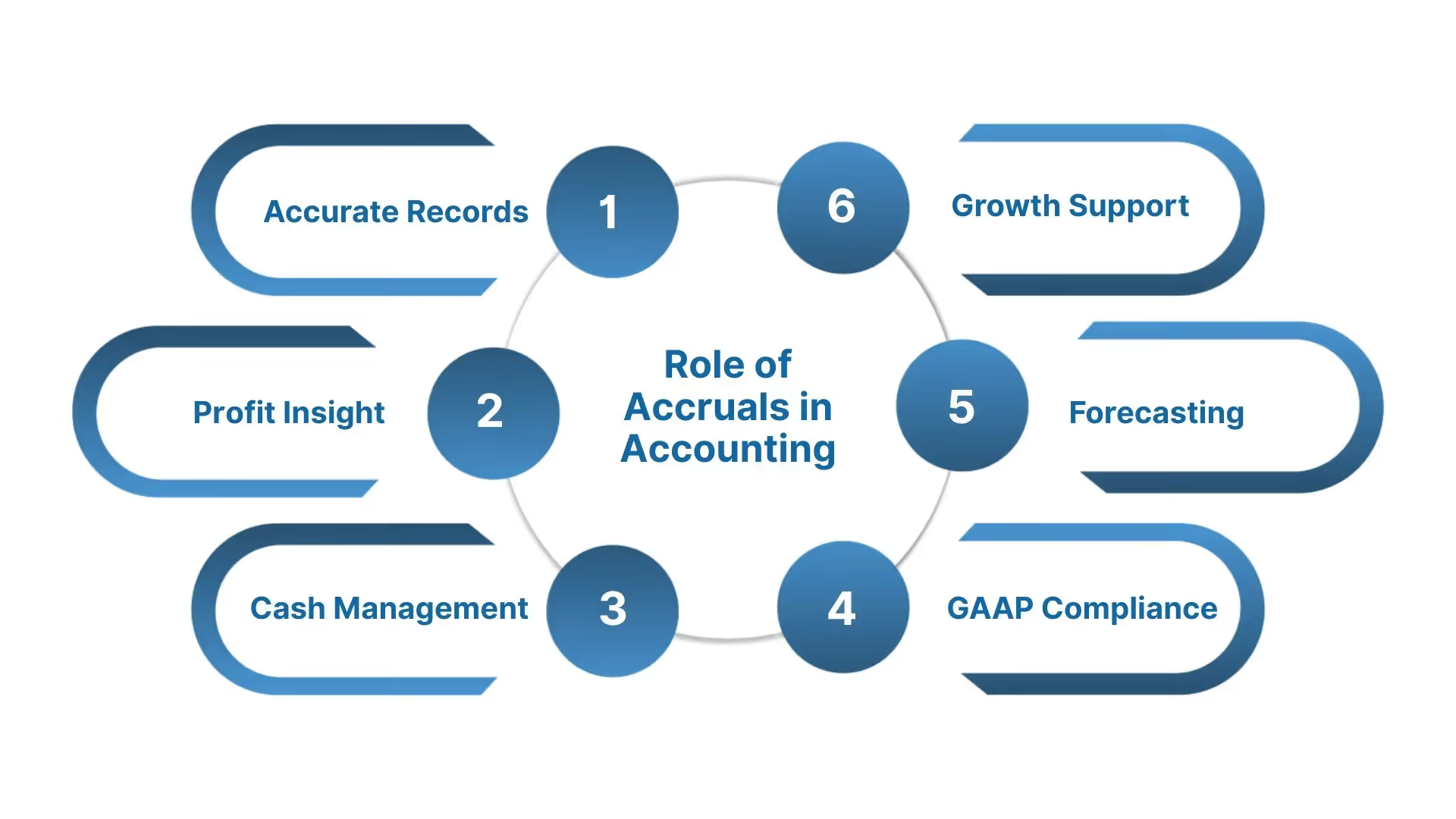
Accrual accounting plays a crucial role in helping U.S. businesses and entrepreneurs gain a clear and accurate picture of their financial health. Here’s why accruals matter:
So, what is the difference between accrual accounting and cash accounting? Let us understand the difference below.
Suggested Read: Benefits of Offshore Accounting for Business Success
Choosing the right accounting method is a foundational decision for any business. In the US, small businesses often start with cash accounting because it’s simple and easy to manage. But as a company grows, accrual accounting becomes critical for accurate financial planning, compliance, and scalability.
Cash accounting may be suitable for small businesses with simple transactions. However, as operations scale, accrual accounting provides the rigor and visibility necessary to manage growth effectively.
So, when should businesses use accrual basis accounting? Let us explore the situations below.
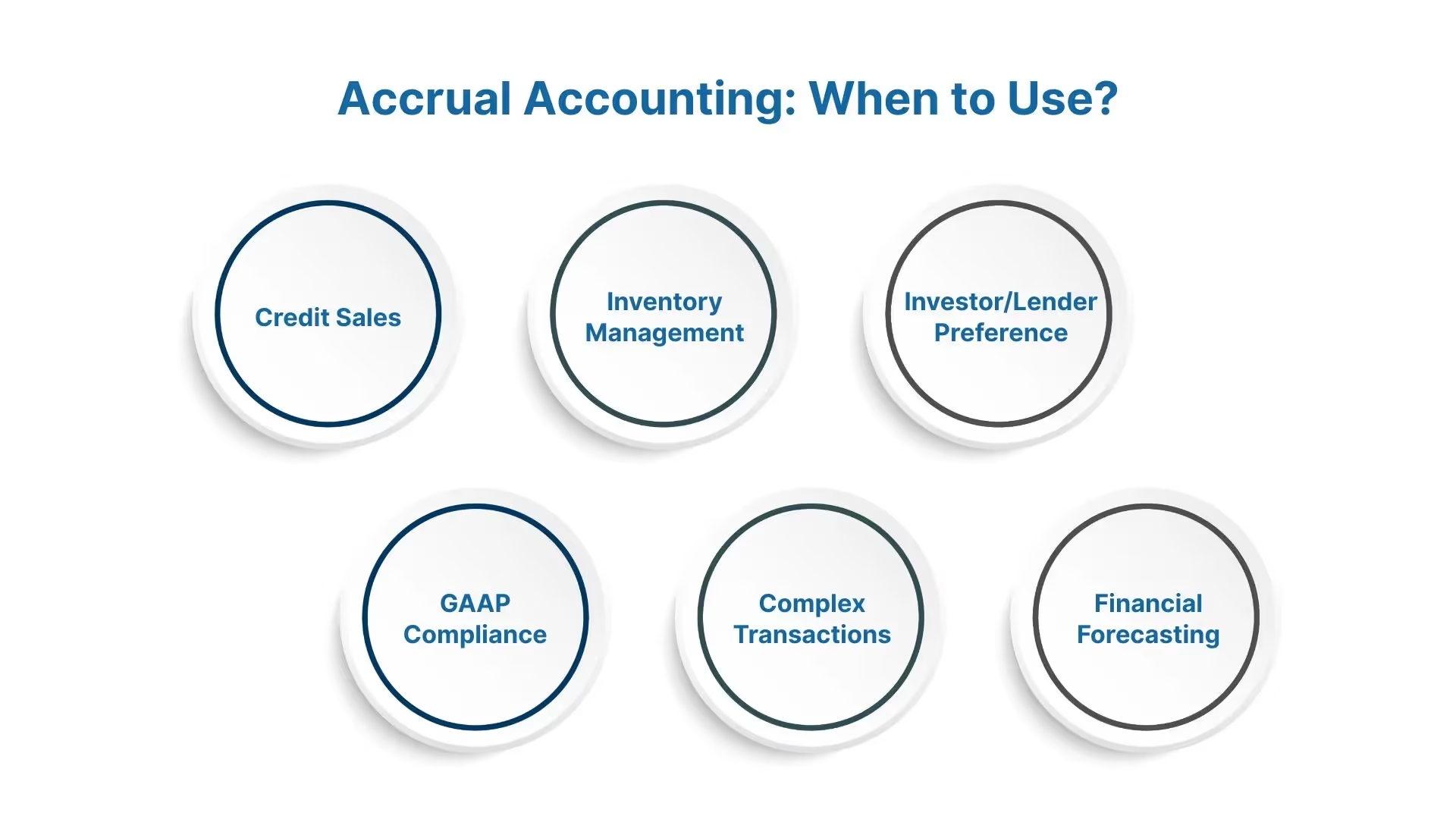
权责发生制会计在收入赚取或费用发生时即进行记录,而无论现金是否实际收付。这种方法能更准确地反映公司在一段时间内的财务健康状况。对于许多美国企业和创业者而言,它具有极高的价值。以下是您应考虑使用权责发生制会计的情况:
如果您的企业以赊销方式提供产品或服务,即先向客户开具发票并预期在日后收款,权责发生制会计可帮助您在交易发生时立即追踪这些销售额。这避免了收入因未收到现金而延迟入账,并能让您更清晰地了解自己的收益和未收回的应收账款。
持有库存的企业必须在相关销售发生的同一期间内核算销售成本(COGS)。权责发生制会计将库存费用与收入相匹配,从而反映出销售的真实盈利能力。它还能确保您符合美国国税局(IRS)的规定,特别是当您企业的年总收入超过 2500 万美元 时。
投资者和贷款方通常更青睐根据权责发生制会计编制的财务报表,因为它们提供了企业经营业绩和财务状况的全面概览。这种透明度可以提高您获得融资的机会,因为它不仅突显了现金流,还展示了负债和已赚取的收入。
美国大多数大型企业和上市公司都必须遵循 GAAP,而该准则强制要求使用权责发生制会计。如果您的公司计划发展壮大或上市,尽早采用这种方法可以使未来的转型更加轻松。
权责发生制会计更适合拥有多种收入来源、长期合同或递延费用的企业,因为它能更准确地呈现其财务状况。它提供了收入与费用在相应期间内更详细、更精确的匹配,这对准确的财务分析和决策至关重要。
由于权责发生制会计记录的是已赚取的收入和已发生的费用,而不受现金流时间的影响,因此它能更清晰地展现未来的现金需求。这种洞察力有助于您规划预算、管理营运资金并自信地做出战略决策。
那么,为什么企业认为权责发生制会计对企业的财务稳定性如此重要?让我们在下文中一探究竟。
您可能还会喜欢: 如何管理小型企业的会计工作
权责发生制会计是许多美国企业首选的核算方法,因为它能提供更准确、更全面的公司财务状况视图。与仅在现金收付时记录收入和费用的收付实现制会计不同,权责发生制会计在交易赚取或发生时即进行追踪,而无论付款何时发生。
这种方法有助于企业保持合规、更有效地管理现金流,并为长期增长做好规划。
如果您在问“权责发生制符合 GAAP 吗?”或“GAAP 是否要求采用权责发生制会计?”,答案是肯定的。对于大多数美国公司而言,GAAP 要求采用权责发生制会计,以生成准确且合规的报告。
接下来,让我们更详细地了解会计软件如何帮助企业进行权责发生制会计核算。
对于美国企业和企业家来说,准确的财务管理至关重要。权责发生制会计在收入赚取或费用发生时(而非现金收付时)进行记录。它能提供更清晰的财务状况,但手动处理非常复杂。这时,会计软件就派上了用场。
1. 自动化处理复杂的交易跟踪:权责发生制会计需要精确跟踪应收账款和应付账款。软件通过在开具发票时记录收入、在收到账单时记录费用(无论付款时间如何)来实现自动化。这减少了人工操作,最大限度地降低了错误,并确保了财务数据的准确性。
2. 提高财务报告的准确性:大多数美国企业必须遵守 GAAP,而 GAAP 通常要求采用权责发生制会计。软件可根据最新数据实时生成损益表和资产负债表等报告。这有助于做出更明智的决策、优化税务规划,并为吸引投资者做好准备。
3. 简化税务准备与合规工作:权责发生制会计会影响应纳税所得额的申报。软件会在收入和费用发生时保留详细记录,帮助企业遵守美国国税局(IRS)的规定,降低审计风险,并简化跨州或复杂的税务申报流程。
4. 改善现金流管理:权责发生制会计提供了全面的财务视角,但可能会使现金流管理变得复杂。账龄分析报告等软件工具可以帮助跟踪未结发票和即将到期的账单,以便企业家提前规划,避免现金短缺。
5. 支持成长型企业的可扩展性:随着业务增长,交易量和复杂性也会增加。会计软件易于扩展,并可与薪资、库存和客户关系管理(CRM)等系统集成。这确保了在业务扩张的同时,权责发生制记录依然准确无误。
6. 实现远程访问与协作:许多美国企业家远程办公或拥有分散的团队。基于云的会计工具可随时随地进行实时访问,从而方便与会计师和顾问协作,确保权责发生制数据保持最新。
借助合适的会计软件,美国企业可以简化权责发生制会计流程,提高合规性,并为长期增长做出明智的财务决策。而这正是 VJM Global 的专长所在。让我们探讨一下它如何帮助企业实现财务稳定。
Also Read: Guide to Outsourcing in Finance and Accounting Functions
权责发生制会计通过在收入和费用发生时(而非仅在现金收付时)进行确认,提供了公司财务状况的全面视图。这种方法能更准确地反映业务绩效和财务状况,对于做出明智决策至关重要。
通过实时捕捉所有经济活动,权责发生制会计使企业能够监控盈利能力、管理现金流预测并遵守监管要求。它支持透明度和问责制,这对投资者、贷款方和管理团队等利益相关者至关重要。
VJM Global 为美国 CPA 事务所提供离岸会计解决方案,旨在帮助其掌握权责发生制会计的复杂性,并提高财务报告的准确性。
随着监管要求的提高和客户期望的演变,与 VJM Global 合作将为您的 CPA 事务所带来战略优势,在优化成本和运营效率的同时,提供高质量的权责发生制会计支持。
准备好提升您事务所的权责发生制会计能力了吗?立即联系 VJM Global,了解我们的离岸会计专业人员如何帮助您提高财务准确性、降低成本并提供卓越的客户服务。
答:权责发生制会计在收入赚取或费用发生时进行记录,无论现金何时收付。收付实现制会计仅在收到或支付现金时记录交易。权责发生制会计能更准确地反映公司在一段时间内的财务健康状况。
Ans. Companies use accrual accounting because it matches revenues with related expenses in the same period, giving a clearer view of profitability and financial position. This approach is essential for larger businesses, investors, and lenders who require reliable and timely financial information.
Ans. Generally Accepted Accounting Principles (GAAP) and International Financial Reporting Standards (IFRS) require accrual accounting for publicly traded companies and many larger private firms. Smaller businesses may be permitted to use cash accounting unless regulations or lenders require the use of accrual methods.
Ans. Accrual accounting improves decision-making by reflecting all earned revenues and incurred expenses within the correct accounting periods. This comprehensive view helps managers assess performance, forecast cash flow needs, and plan investments more effectively.
Ans. Accrual accounting can be complex to implement and maintain due to the need to estimate accrued revenues and expenses, as well as track receivables and payables. It also requires more robust accounting systems and expertise, which may increase operational costs for smaller businesses.




