Managing your laundry business involves more than just maintaining machines and serving customers. You must track daily revenue from multiple sources, manage operational expenses, and maintain tax compliance across different jurisdictions.
The US laundry and dry-cleaning market is projected to grow at 6.3% annually, highlighting both the opportunity and competitive nature of the industry. These financial complexities can distract you from focusing on capitalizing on this growth and serving customers.
Proper accounting for laundry business operations provides the framework to manage these financial demands effectively. Implementing specialized systems gives you clear visibility into your profitability and operational efficiency.
This guide explains the core principles of laundry business accounting. You will learn about essential methods, compliance requirements, and best practices to maintain accurate financial records for your laundry operation.
Laundry business accounting refers to specialized accounting practices designed for coin-operated, commercial, and residential laundry service providers. This field addresses the unique financial aspects of laundry operations that standard accounting approaches cannot adequately cover.
This accounting specialization manages the tracking of multiple revenue streams from washers, dryers, fold services, and vending machines. It focuses on accurate cost tracking for utilities, supplies, equipment maintenance, and depreciation.
The approach also handles the complex sales tax compliance requirements across different state and local jurisdictions.
Also read: Benefits of Outsourcing Accounts Receivable for Businesses
Understanding this specialized definition reveals why accurate accounting is critical for your business success.
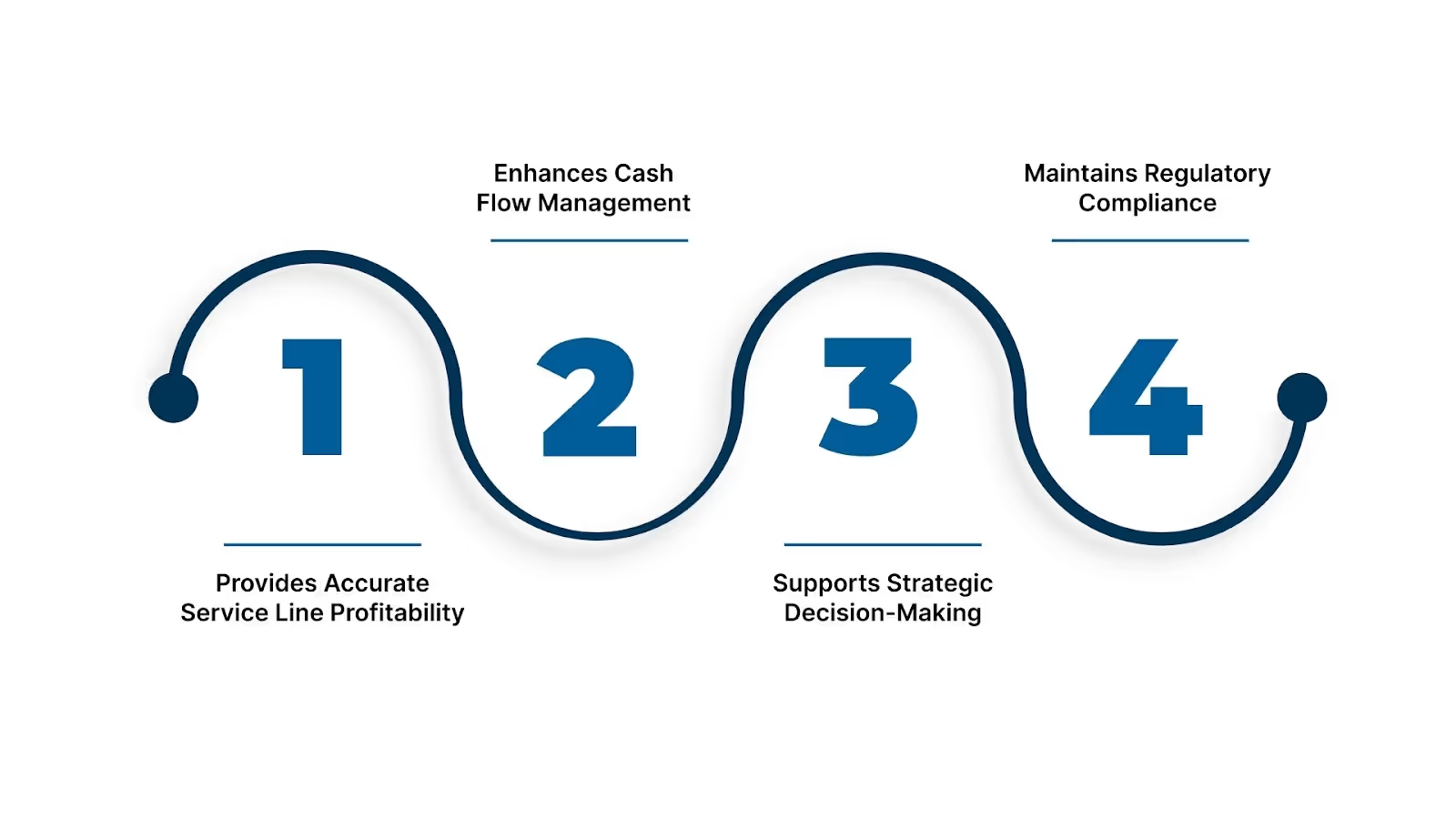
Implementing proper accounting practices provides significant strategic advantages for your laundry business. These systems deliver crucial financial insights that support informed decision-making and regulatory compliance.
These benefits highlight the value of laundry-specific accounting:
Specialized accounting tracks revenues and expenses by service category, equipment type, and location. You gain clear visibility into which machines and services generate the most profit. This detailed cost accounting helps you make informed decisions about pricing and resource allocation.
Laundry accounting provides visibility into daily cash collections, accounts payable, and operational expenses. You can anticipate cash flow needs and plan for equipment upgrades accordingly. Better cash forecasting helps maintain financial stability throughout seasonal fluctuations.
Historical financial data helps you analyze customer trends, equipment performance, and operational efficiency. You can evaluate the financial impact of potential business changes and expansion opportunities. This analytical approach supports both operational adjustments and long-term strategic planning.
Proper accounting systems ensure you meet all sales tax requirements and business licensing obligations. You maintain appropriate records for tax filings and potential audit reviews. Accurate documentation supports your positions in case of inquiries from tax authorities.
Are you getting clear insights into which machines and services are most profitable? VJM Global specializes in the accounting systems that provide this visibility for laundry businesses. Contact us to implement the right processes.
Also Read: Understanding the Three Financial Statements and Their Connections
These benefits are achieved by managing the specific aspects that make laundry accounting unique.
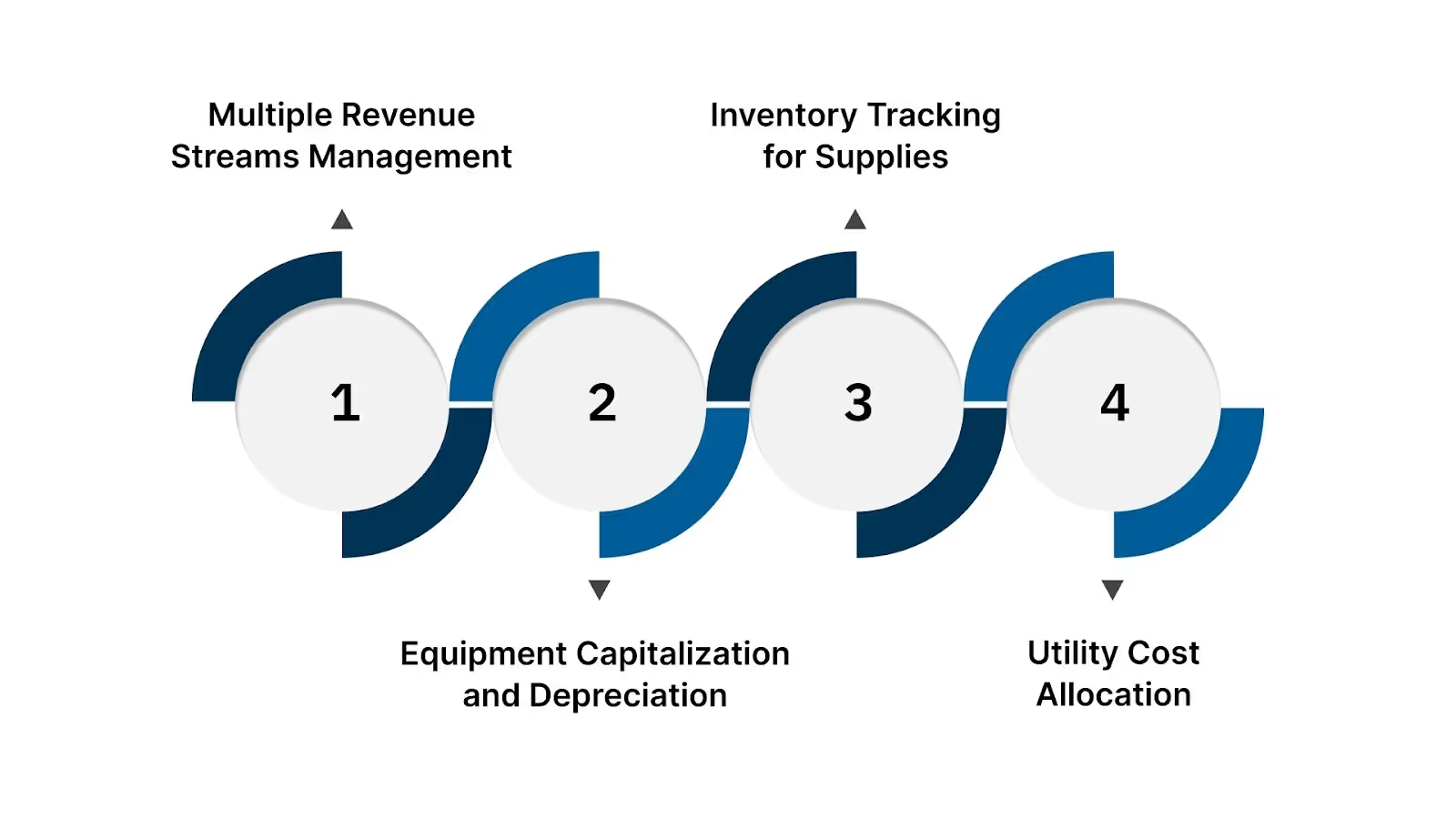
Laundry business accounting demands specific approaches that distinguish it from standard accounting practices. These differences stem from the unique operational characteristics of laundry services and their financial implications.
These key areas require specialized accounting attention:
Laundry businesses generate income from various sources, including self-service machines, drop-off services, and vending operations. You must track and categorize each revenue type separately to understand true profitability. This detailed tracking helps identify your most profitable services and equipment.
Laundry operations involve significant investments in washers, dryers, and other specialized equipment. You must properly capitalize these assets and calculate depreciation over their useful lives. Accurate equipment accounting affects your balance sheet strength and provides realistic expense allocation.
Laundry businesses maintain an inventory of detergents, fabric softeners, and other cleaning supplies for both vending and service use. You need systems that track inventory levels, cost of goods sold, and reorder points. Proper inventory accounting ensures you maintain adequate supplies without excessive carrying costs.
Laundry operations involve substantial water, gas, and electricity expenses that must be properly allocated. You need systems that assign these utility costs accurately across different equipment and services. Proper allocation ensures you understand the true cost of providing each service.
To manage these unique aspects effectively, laundry owners must perform several essential accounting tasks.
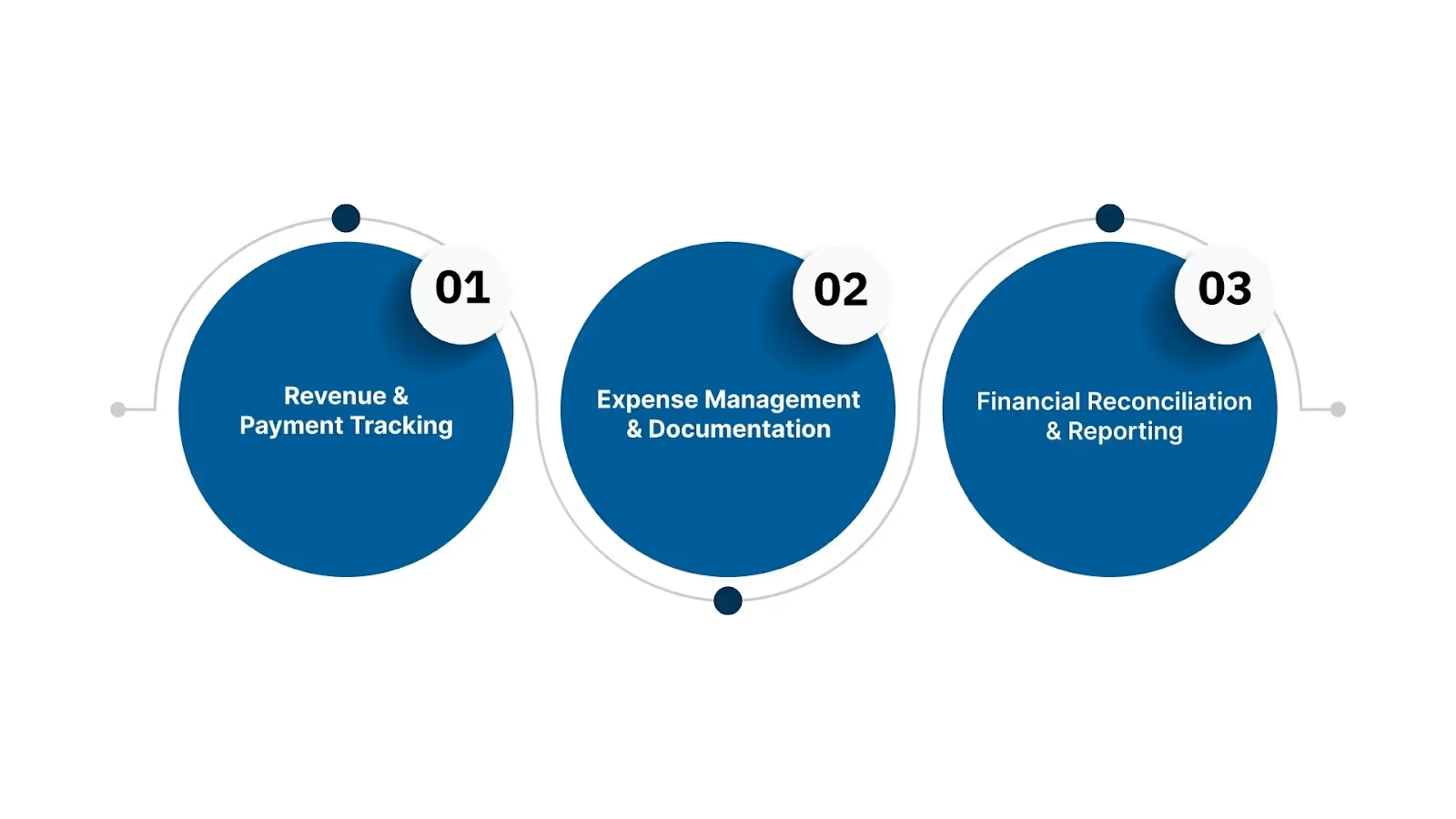
Implementing disciplined accounting practices ensures accurate financial reporting for your laundry business. These routine tasks provide the structure needed to manage daily operations effectively:
Handling these daily tasks correctly is crucial for meeting your tax planning and compliance obligations.
Also read: Company Audit Checklist Guide for Businesses
Laundry businesses face specific tax obligations that require careful planning and documentation. Understanding these requirements helps minimize your tax liability while maintaining regulatory compliance.
These tax areas affect laundry businesses:
Laundry services must collect and remit sales tax in most states where they operate. You need systems that calculate correct rates for different services and generate accurate filings. Proper sales tax management prevents penalties and interest charges from state authorities.
Laundry operations qualify for various deductions, including equipment depreciation, supplies, and utility expenses. You must maintain proper documentation to support these deductions. Professional tax guidance identifies all eligible benefits for your business.
Many laundry business owners must make quarterly estimated tax payments to avoid penalties. You need systems to calculate required amounts based on projected annual income. Timely payments prevent year-end tax surprises and cash flow disruptions.
Laundry businesses with employees must comply with federal and state payroll tax requirements. You need processes to calculate withholdings, file returns, and make timely deposits. Proper payroll tax management maintains your compliance with labor regulations.
Also Read: Understanding Company Audits: Key Processes and Types
A foundational decision that impacts both daily tasks and taxes is your choice of accounting method.
Selecting the appropriate accounting method affects how you report revenue and expenses. The method you choose must provide accurate financial reporting while meeting tax requirements.
Understand these accounting method options:
This method records transactions at the moment cash is exchanged.. Revenue appears when payment is received, and expenses are recorded when bills are paid. This approach offers simplicity but may not match revenue with related expenses in the same period.
This approach records revenue when earned and expenses when incurred, regardless of cash movement. This method provides a better picture of profitability by matching revenues with related costs. Most growing laundry businesses use accrual accounting for better financial reporting.
This comparison outlines the key differences:
Your accounting method choice affects financial reporting, tax planning, and business analysis. You must consider your business size, growth plans, and reporting requirements. Professional accounting advice helps select the method that best fits your specific situation.
Selecting the right method helps you avoid the common accounting mistakes that plague many laundry businesses.
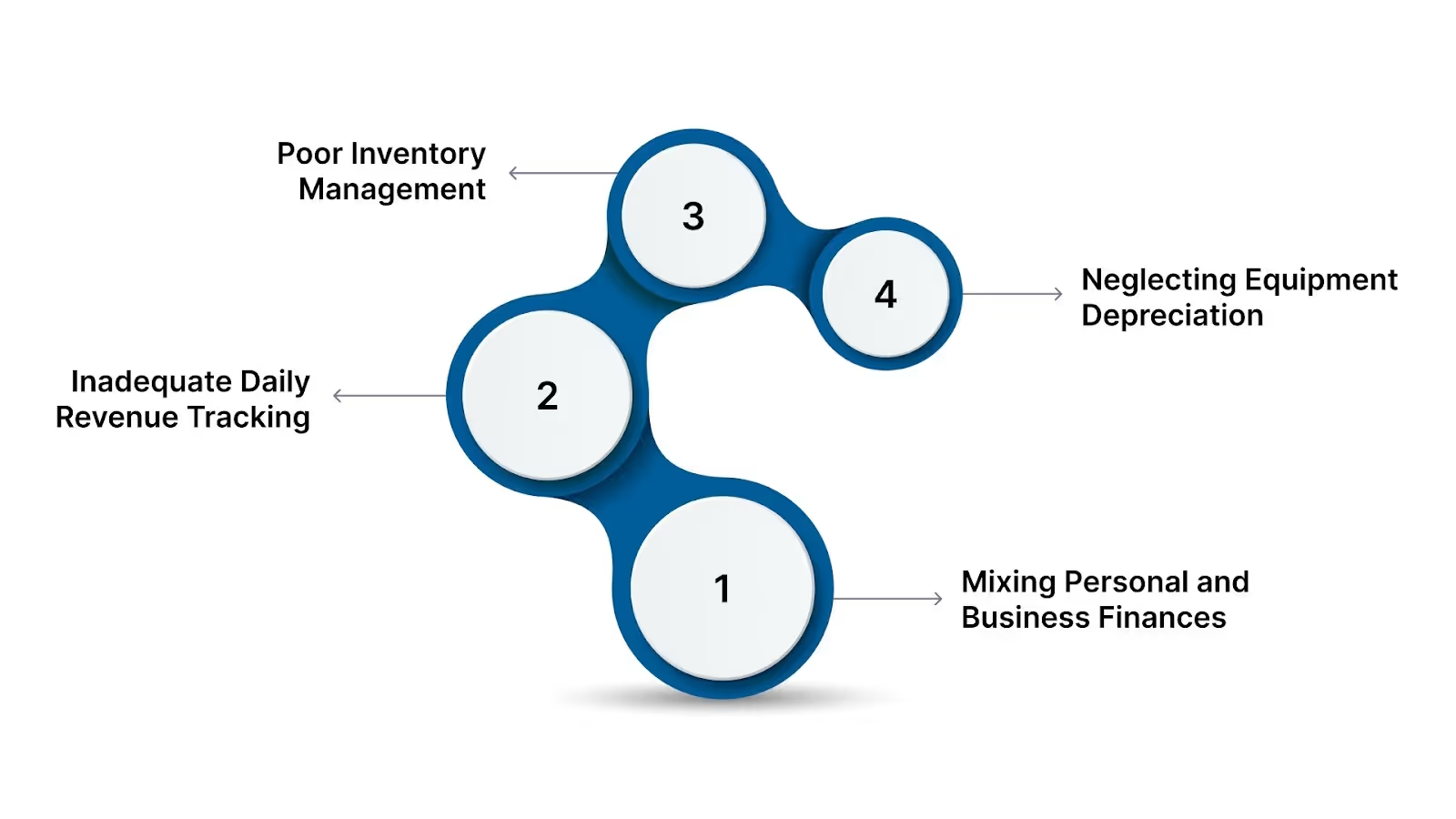
Laundry business owners often make accounting errors that affect financial accuracy and compliance. Understanding these pitfalls helps you implement effective processes and controls.
Avoid these common laundry accounting mistakes:
Using business accounts for personal expenses complicates accounting and tax preparation. You should maintain separate bank accounts and credit cards for business transactions. Proper segregation simplifies record-keeping and supports tax compliance.
Failing to reconcile daily collections with machine readings can lead to revenue leakage. You need systems to track all payment methods and verify deposits. Regular reconciliation ensures all revenue is properly recorded.
Inadequate tracking of detergent and supply inventory leads to stockouts or excessive carrying costs. You need systems to monitor inventory levels and track the cost of goods sold. Proper inventory management ensures adequate supplies without tying up excessive capital.
Failing to properly depreciate washers and dryers distorts financial statements and tax positions. You must calculate and record depreciation expenses using appropriate methods. Accurate depreciation provides realistic expense allocation and asset valuation.
If avoiding these common mistakes is challenging, VJM Global can provide the structured processes and oversight you need. We help implement controls to protect your revenue and ensure compliance. Get in touch today.
For many owners, avoiding these pitfalls and managing complexities is best achieved with professional support.
Professional accounting support provides significant advantages for laundry businesses facing complex financial management challenges. External expertise helps implement systems designed for industry-specific requirements while maintaining compliance.
An experienced accounting firm delivers these benefits:
Specialized accountants understand the unique aspects of laundry business financial management. They implement systems designed for multiple revenue streams and equipment-intensive operations. This expertise ensures your accounting practices meet industry standards.
Professional accountants identify all eligible deductions and credits specific to laundry operations. They prepare and file required forms accurately and on time. This comprehensive approach minimizes tax liability while maintaining full compliance.
Accounting firms help select and configure software designed for laundry management needs. They establish systems to track revenue, expenses, and operational metrics. Proper technology implementation provides better data for decision-making.
Professional accountants produce financial statements that accurately reflect your laundry operation's performance. They implement proper revenue recognition and expense allocation methods. Reliable reporting supports better strategic planning and operational decisions.
Also read: Strategic Tax Planning Services for Businesses
VJM Global applies this specialized accounting support directly to the operational and financial needs of US laundry businesses.
Managing laundry business accounting requires specialized knowledge of industry practices and compliance requirements. Without proper systems, you risk inaccurate reporting, missed deductions, and compliance issues that affect your operation's financial health.
VJM Global provides specialized accounting services for US laundry businesses. Our team understands the unique aspects of laundry financial management and compliance requirements.
Our laundry accounting services include:
Why Choose VJM Global:
Our approach provides US laundry businesses with accurate financial information and compliance support. We help you implement systems that capture the data needed for operational decisions and regulatory requirements.
Proper accounting transforms how you manage and grow your laundry business. It moves you from simply tracking cash to understanding the precise profitability of each service and machine. This financial clarity is fundamental for making strategic decisions that drive your business forward.
VJM Global's expertise in accounting supports US owners in the laundry and cleaning services sector. Our understanding of industry-specific requirements helps clients implement appropriate financial systems and controls.
Book a demo with VJM Global to discuss how our specialized accounting services can support your laundry business requirements. Our team provides the industry knowledge and technical expertise needed for your financial management needs.
Most laundry businesses use the accrual method for more accurate financial reporting of revenue and expenses. This approach matches revenues and related costs in the correct accounting period. Some smaller operations may qualify for cash basis accounting for tax purposes.
You should monitor gross profit per machine, cost per load, and customer acquisition cost. These metrics help identify your most profitable services and equipment. Regular tracking also reveals opportunities to improve operational efficiency and pricing strategy.
You should implement systems that separate income from self-service machines, drop-off services, and vending operations. Point-of-sale systems and machine monitoring technology help categorize each revenue type. Detailed tracking provides insights into your most profitable services.
Laundry operations may qualify for various deductions, including equipment depreciation, supply costs, and utility expenses. Specific provisions exist for energy-efficient equipment and business property improvements. Professional tax guidance identifies all eligible benefits for your situation.
VJM Global provides specialized accounting services for US laundry businesses from our India-based team. We manage accounting, tax filing, and financial statement preparation using our knowledge of US accounting standards. Our team understands the unique aspects of laundry operations and compliance requirements.