Managing a hotel’s finances isn’t just about balancing the books, but also about ensuring every transaction aligns with the complexities of daily operations. The US hotel industry is projected to employ over 2.17 million people by 2025. With total wages and salaries reaching over $128.47 billion, the scale of payroll and financial management in hospitality is enormous. For hotel owners and managers, this presents a significant challenge: maintaining accurate, compliant, and efficient bookkeeping to keep operations running smoothly.
This guide will walk you through the essential aspects of hotel bookkeeping, from managing revenue and expenses to ensuring tax compliance and optimizing inventory control. Let’s jump in and simplify the complexities of hotel bookkeeping.
Hotel bookkeeping is the process of managing your hotel’s financial records. It tracks all income, from room bookings and food to drinks and other services. It also logs all expenses, such as staff wages, supplies, and maintenance costs.
For a hotel to succeed, it’s vital to maintain accurate records, have sufficient cash flow, and ensure on-time vendor payments.
Hotel bookkeeping is essential for managing the complex financial operations of your hotel. From day-to-day transactions to payroll and compliance, here are the key tasks every hotel bookkeeper handles:
Also Read: In-House vs Outsourced Accounting: Pros and Cons Analysis
Hotel bookkeeping covers a wide range of tasks that contribute to the overall efficiency and profitability of your hotel.
While managing day-to-day tasks is essential, hotels also face unique challenges that complicate financial operations.
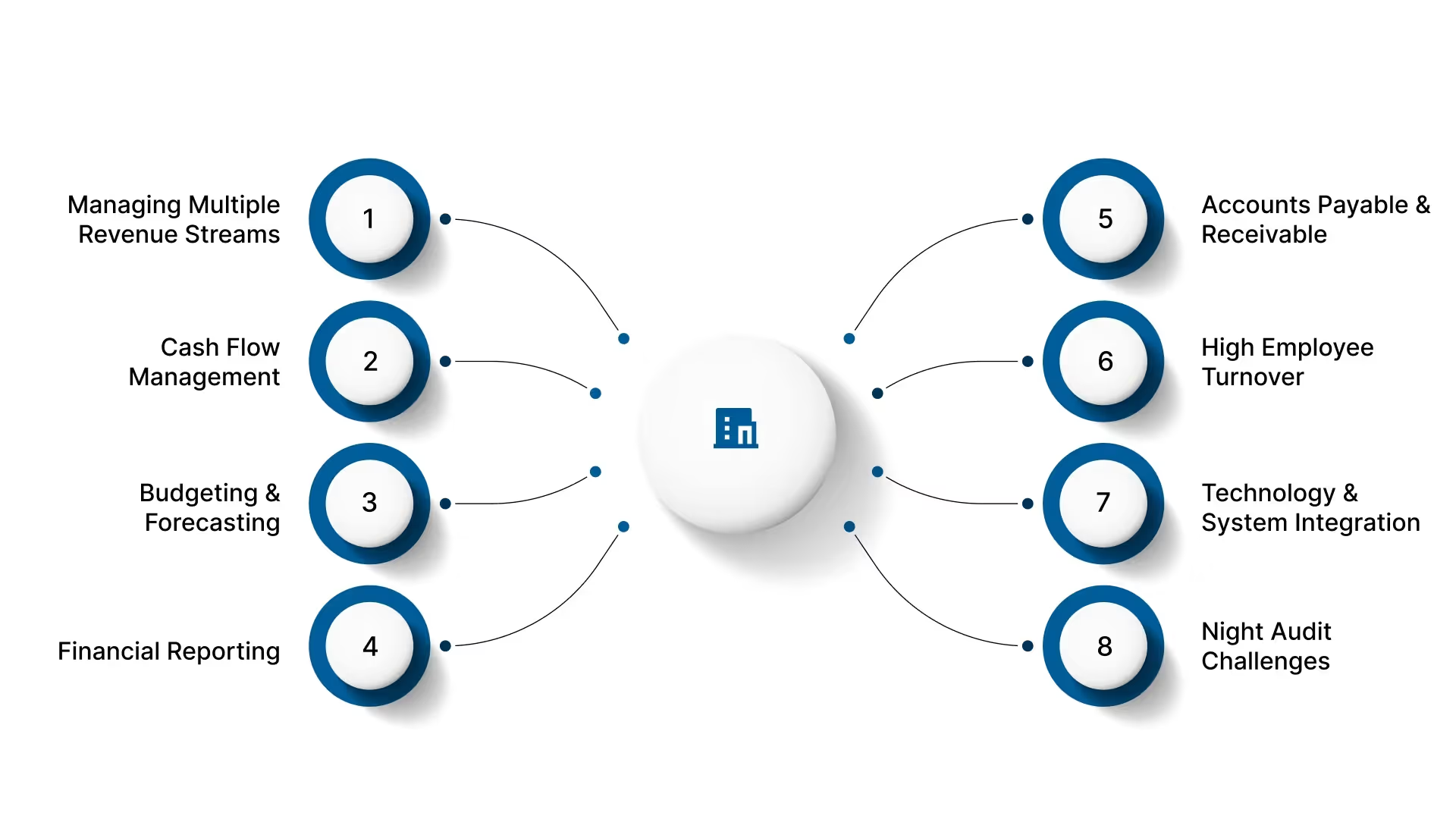
Managing hotel finances comes with a unique set of challenges that go beyond standard bookkeeping practices. Here are the key challenges hotels face:
Hotels generate income from various sources, including room rates, restaurants, events, and credit card payments. For US hotels, accurately tracking these revenue streams is complicated by the varying state and local tax laws, as well as the complexities of credit card processing fees.
With multiple sources of revenue and ongoing expenses like payroll, utilities, and inventory, managing cash flow is critical. Hotels must carefully track income and expenses to ensure they can cover costs while staying profitable.
Creating and managing accurate budgets for different departments, such as housekeeping, food and beverage, and front desk operations, requires precise tracking of revenue and expenses.
Changes in occupancy rates, seasonal demand, and operating costs make it hard to maintain accurate, up-to-date forecasts, which are crucial for staying within budget and ensuring profitability.
Hotels need accurate, timely financial statements for investors, lenders, and regulators. In the US, this includes complying with IRS regulations (e.g., Form 941, Form 940) and state-specific reporting requirements that vary across jurisdictions. These reports must meet GAAP standards and be delivered on time to avoid IRS penalties.
With numerous vendor invoices, guest payments, and credit card transactions, managing accounts payable and receivable is time-consuming. Errors can cause delays, and reconciling discrepancies can be a complex process.
The hospitality industry experiences significantly higher employee turnover rates compared to most other sectors. This constant influx of new employees results in frequent retraining, which slows down workflow and increases the risk of errors or fraud in financial records.
Hotels often rely on multiple systems for POS, reservations, payroll, and inventory management. The lack of system integration can create inefficiencies, as bookkeepers must manually enter and cross-check data, leading to errors and wasted time.
Night auditors play a critical role in reconciling daily transactions and flipping the date. However, finding qualified candidates willing to work overnight shifts can be tough. Without a reliable night auditor, it’s difficult to maintain accurate financial records.
Each of these challenges highlights the need for a tailored, efficient approach to hotel bookkeeping. With the right expertise, hotels can streamline their financial processes, reduce errors, and ensure financial stability.
At VJM Global, we deliver comprehensive solutions that integrate every aspect of your hotel’s financial operations. From optimizing cash flow management to providing custom financial reporting, we help you manage finances with precision and ease. Get started today.
Understanding these challenges is the first step. Now, let’s explore the best practices that can help simplify and streamline your hotel’s bookkeeping.
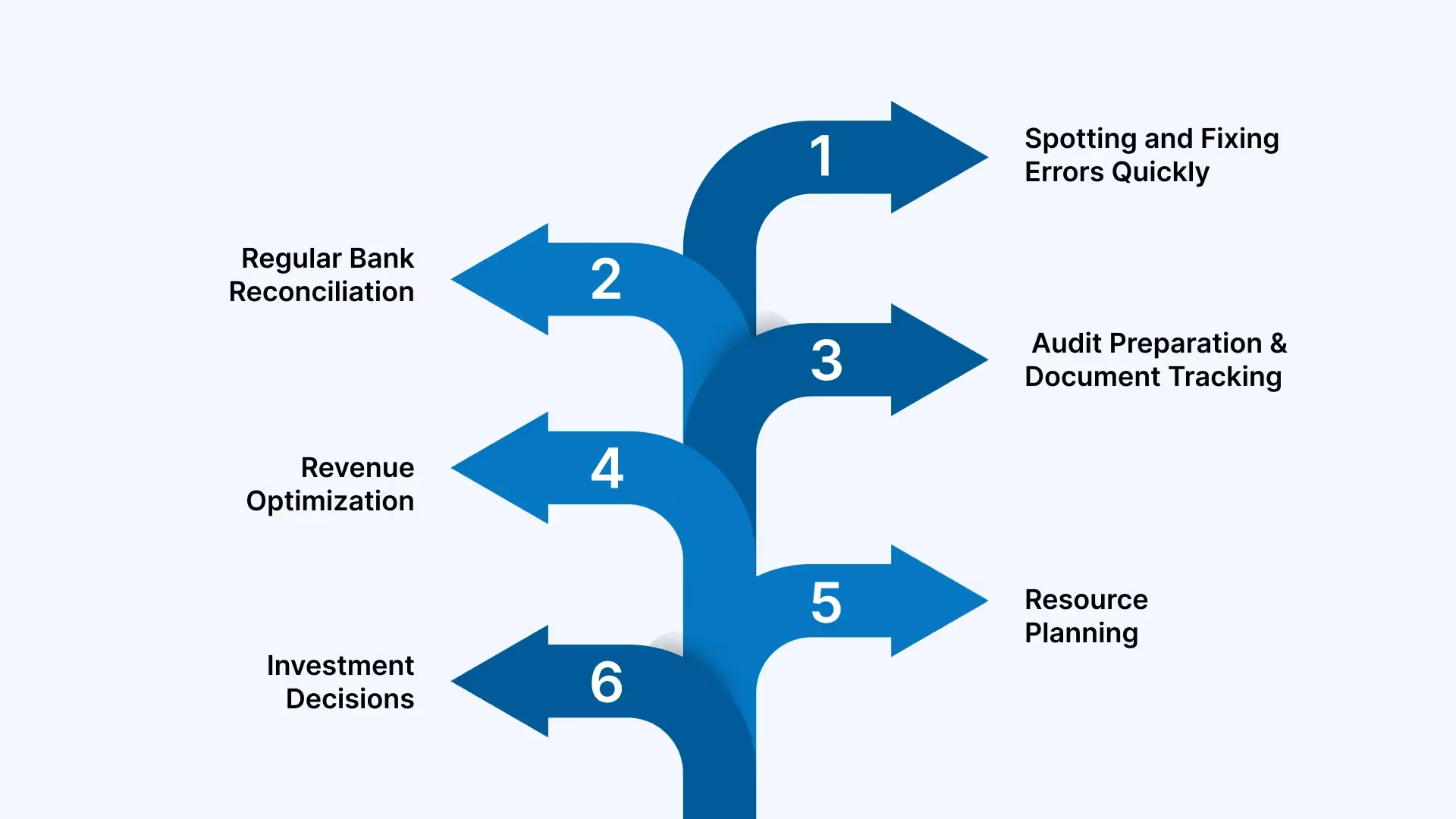
Effective hotel bookkeeping is crucial for accurately managing your finances. Here are the best practices for keeping your hotel’s finances running smoothly:
Even the smallest mistake in hotel bookkeeping can spiral into major problems. A dedicated bookkeeper helps identify these errors early and correct them before they turn into costly mistakes. An experienced bookkeeper can spot discrepancies between what’s recorded and what’s actually reflected in the hotel’s bank statements or invoices.
Bank reconciliation is the process of comparing the hotel’s internal financial records with the actual bank statements. This ensures that every entry in the hotel’s accounting system is reflected in the bank and that no transactions are missed.
Regular reconciliation prevents discrepancies that could affect cash flow, especially with multiple revenue streams such as room bookings, F&B, and event management.
Good bookkeepers are proactive in keeping all essential documents organized and accessible. This includes tax records, invoices, payment receipts, and other key documents needed for potential audits. Maintaining a well-organized archive of financial records makes audits easier and protects your hotel from fines and legal trouble.
By analyzing financial data, bookkeepers can help identify the most profitable services or areas of the hotel. For instance, offering package deals for F&B services or focusing on high-demand seasons for room bookings could help raise revenue.
Regularly reviewing financial performance allows hotel managers to fine-tune pricing strategies and promotional campaigns. This is essential for maximizing Revenue per Available Room (RevPAR) or Average Daily Rate (ADR). These are critical metrics for US-based hotels, where regional competition and local tax regulations can significantly impact pricing and occupancy strategies.
In the US, where labor laws and tax structures vary by state, a detailed budget helps prevent overspending and ensures that financial resources are allocated efficiently.
A proactive approach to budgeting can also help prepare for unexpected expenses, such as maintenance costs or emergency repairs, which are common in the hospitality industry.
In the US, where tax incentives and local grants may be available, knowing where to invest can lead to long-term growth and improved hotel services. Sound financial advice ensures that you make wise investments in areas that will drive business expansion.
Also Read: Key Differences Between Bookkeeping and Accounting Explained
Following these best practices helps hotel managers and owners enhance profitability, streamline operations, and make more informed decisions.
At VJM Global, we specialize in providing cross-border payroll and bookkeeping solutions that help US-based hotels streamline their financial processes.
Our expert team ensures your hotel remains compliant with US federal and state tax laws as well as Indian tax regulations for international operations. Talk to an expert today.
Next, let's learn why many hotels are turning to outsourced bookkeeping services to handle the complexities more efficiently.
More and more hotels are turning to outsourced bookkeeping services, and for good reason. Here’s why this shift makes sense for many hotel owners:
Outsourcing bookkeeping ensures that your finances are in the hands of experts, giving you peace of mind and more time to focus on enhancing the guest experience.
Now, let’s see how VJM Global can make this process even easier for your hotel.
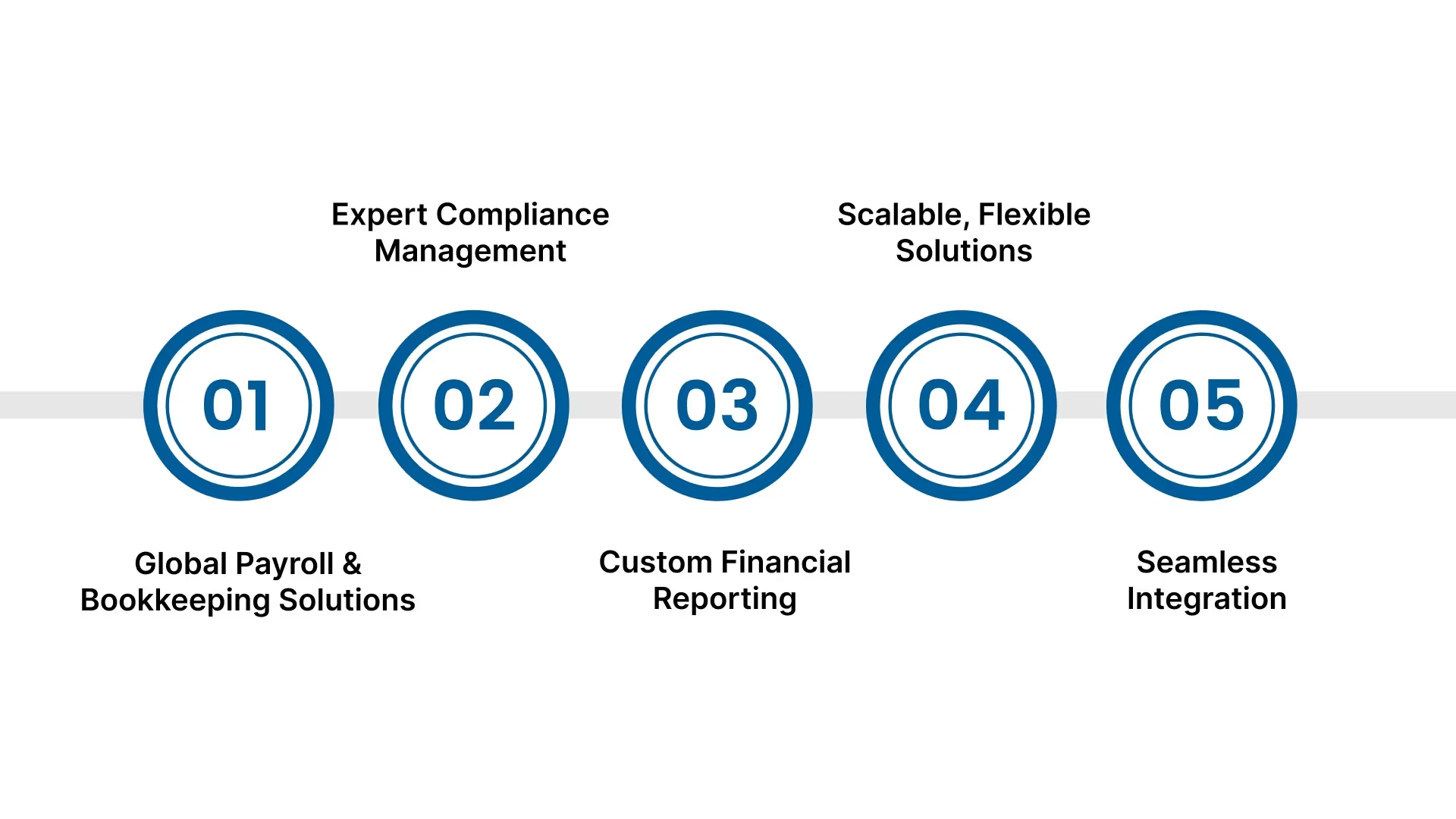
At VJM Global, we specialize in providing comprehensive bookkeeping solutions that help US-based hotels stay on top of their finances while ensuring full compliance with both US and Indian regulations.
Our services include:
Outsourcing your hotel bookkeeping and payroll to VJM Global allows you to focus on the most important aspects of your business, guest experience, revenue growth, and expanding your hotel brand.
Hotel bookkeeping helps create a clear, accurate financial picture that supports decision-making and drives business growth. Whether you're managing room revenue, payroll, or tax filings, following best practices in bookkeeping ensures your hotel runs smoothly, remains compliant, and maximizes profitability.
With VJM Global, you can simplify complex financial tasks, stay compliant, and focus on growing your business. Contact VJM Global today to learn how our customized bookkeeping services can simplify your operations.
Hotel bookkeeping is essential for tracking daily transactions, ensuring compliance with tax laws, managing payroll, and making informed financial decisions. It helps hotel owners stay on top of their finances, prevent errors, and avoid penalties.
Outsourcing hotel bookkeeping helps streamline financial processes, reduces the risk of errors, ensures compliance with US and local tax laws, and allows you to focus on core operations like guest services and business growth.
Key metrics include Revenue per Available Room (RevPAR), Average Daily Rate (ADR), and Occupancy Rate. These metrics provide insight into a hotel’s performance, profitability, and pricing strategies.
By staying organized, regularly reconciling accounts, and working with an experienced bookkeeper, hotels can ensure compliance with IRS requirements, state and local tax laws, and labor regulations. Using automated systems can help reduce errors and simplify tax filings.