

%20(4).avif)
厘清 FASB 与 GAAP 之间的关系,对于确保您的财务报告符合美国商业的最高标准至关重要。这些概念直接影响公司编制和呈现财务报表的方式,而这对于维护透明度以及建立与利益相关者的信任至关重要。
但这些术语对您的业务究竟意味着什么?它们又是如何影响您的财务报表的?
在本篇博客中,我们将剖析其中的关键差异,并解释 FASB 和 GAAP 如何共同作用,从而塑造您的财务报告体系。
美国财务会计准则委员会(FASB)是一个独立的私营部门机构,负责制定美国的财务会计和报告准则。FASB 的作用在于确保企业遵循清晰、一致的财务报告规则,从而使投资者、监管机构和其他利益相关者能够更轻松地理解和比较财务数据。
FASB 的准则适用于美国的上市公司、私营企业以及非营利组织。它们确保了财务报告的一致性、透明度和准确性,这对于任何企业的信誉都至关重要。
延伸阅读:企业审计清单指南
这一框架为理解财务报告的更广泛背景奠定了基础,这也引出了 FASB 在确保财务报表准确性方面所发挥的重要作用。
FASB 在美国金融领域发挥着关键作用。通过制定和维护 GAAP,它帮助建立了一套所有美国企业都必须遵循的统一标准。以下是 FASB 至关重要的原因:
了解 FASB 如何影响财务报告,对于掌握 GAAP 框架的核心至关重要。
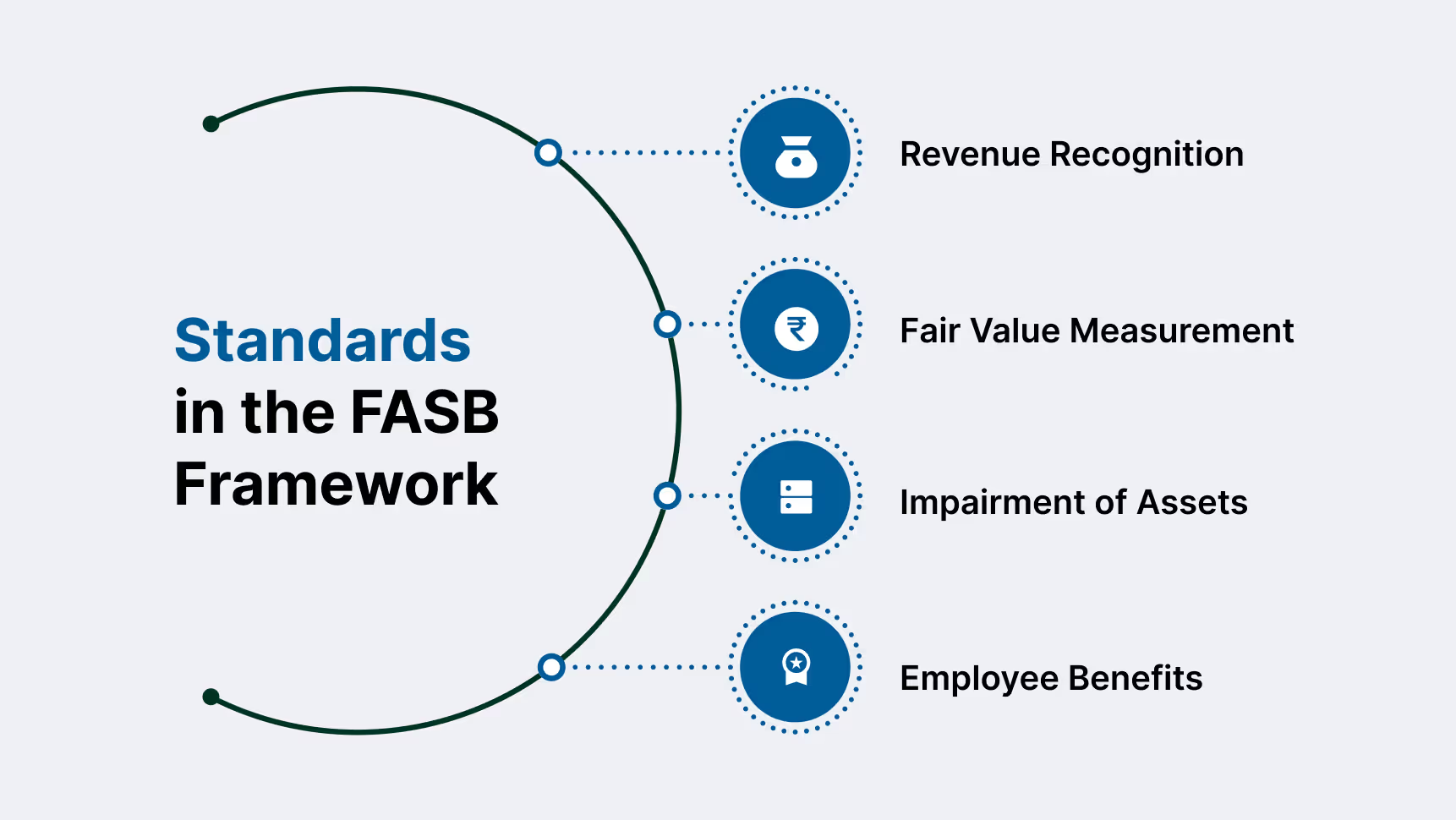
FASB 框架是一套综合性的会计准则,供美国企业使用,以确保财务报告的清晰度、透明度和一致性。以下是指导企业编制财务报表的具体 FASB 准则:
FASB ASC 606 提供了一个收入确认的五步模型,包括识别合同、履约义务和交易价格。当商品或服务的控制权转移给客户时,收入即被确认。这确保了公司在实际赚取收入的期间报告收入,从而反映了合同义务的完成情况。
ASC 820 建立了一个基于三级层次结构的资产和负债公允价值计量框架:第一级(活跃市场中的报价)、第二级(可观察输入值)和第三级(不可观察输入值)。该准则确保企业能够准确计量和报告资产,特别是那些没有现成市场价格的资产。
根据 ASC 360,如果出现迹象表明长期资产的账面价值可能无法收回,公司必须对其进行减值测试。如果账面价值超过可收回金额,则应确认减值损失。该准则有助于确保企业仅报告那些仍可能提供经济利益的资产价值。
ASC 715 governs the accounting for employee benefits, including pensions and retirement plans. It provides guidelines for measuring pension liabilities, recognizing changes in pension obligations, and disclosing pension plan assets and liabilities. This ensures businesses properly account for long-term employee benefits on their balance sheets.
Each of these FASB standards ensures businesses report their financial data with consistency, accuracy, and transparency, allowing stakeholders to make well-informed decisions based on reliable and comparable financial statements.
At VJM Global, we help US businesses overcome the complexities of financial reporting, ensuring compliance with FASB standards and optimizing financial management. Our solutions help maintain accuracy and transparency while cutting operational costs, allowing businesses to focus on growth as we manage financial complexities efficiently.
Now that we understand the foundational role of FASB, let’s explore what GAAP is and how it builds upon these standards to provide detailed accounting rules.
GAAP stands for Generally Accepted Accounting Principles. It is a set of accounting standards and procedures used to prepare financial statements in the US. These principles provide a uniform framework that companies must follow, ensuring consistency and transparency in financial reporting.
In practice, GAAP covers a wide range of accounting activities, including how revenue is recognized, how expenses are matched with revenues, and how assets and liabilities are measured. While FASB sets the standards, GAAP is the comprehensive set of rules that businesses must apply when creating their financial statements.
延伸阅读: 了解 GAAP 与 GAAS 之间的区别
Understanding GAAP is critical, but to fully appreciate its importance, let’s explore why adhering to these principles is essential for businesses and stakeholders.
GAAP is crucial for businesses as it provides a standardized framework for financial reporting. GAAP is vital for businesses for several reasons:
For US businesses, complying with GAAP is not just about following rules; it’s about maintaining credibility and trust with stakeholders.
While GAAP ensures consistent reporting, it’s also crucial to understand the specific standards it enforces, so let's examine the standards under the GAAP framework.
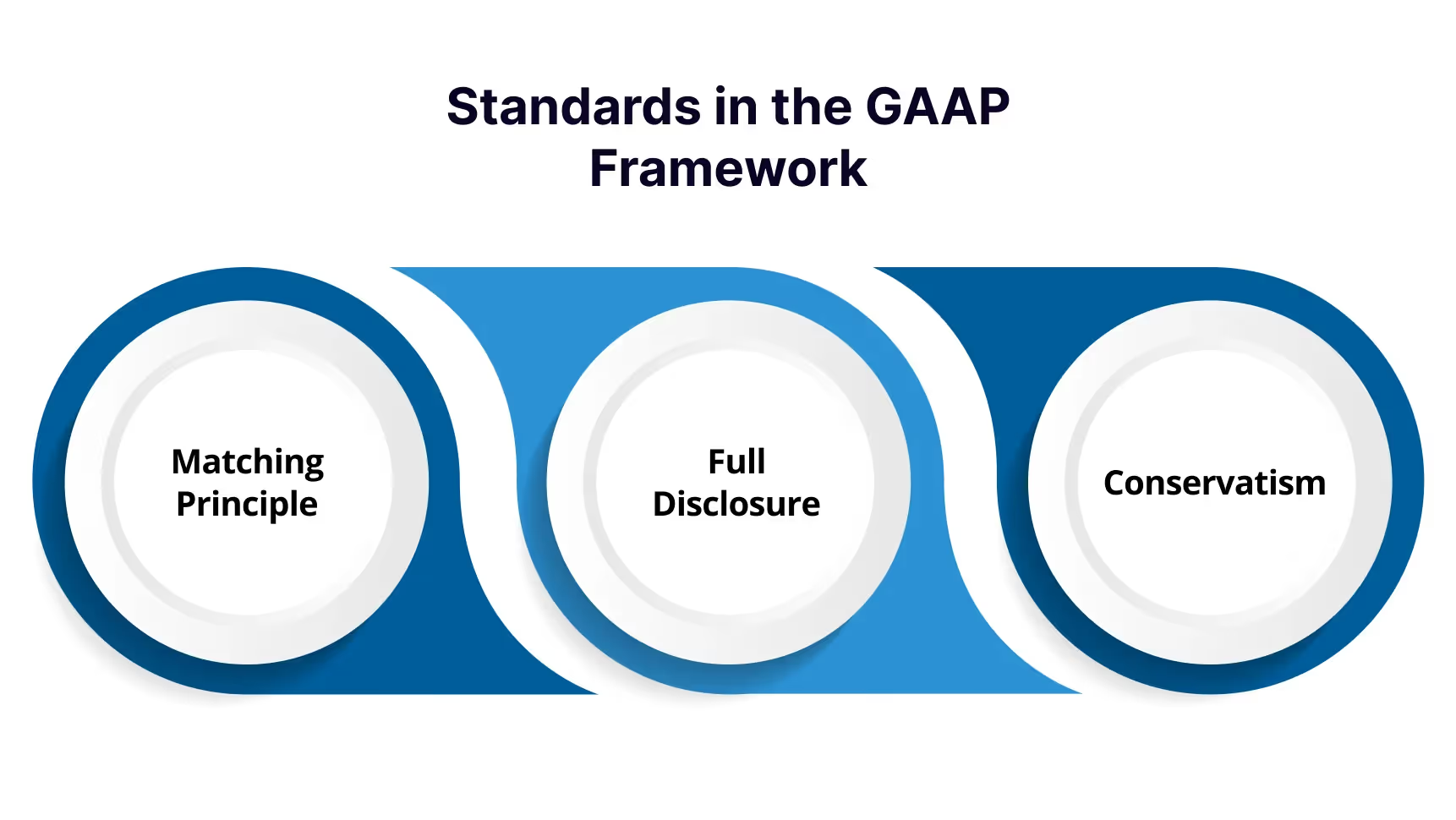
The GAAP framework is structured around specific standards that guide businesses in preparing financial statements. Below are key standards within US GAAP:
Under ASC 720, expenses should be matched with the revenue they help generate in the same period. For example, costs directly related to producing goods or services are recognized alongside the revenue they generate, ensuring that businesses report accurate profit margins for each period.
ASC 275 emphasizes that all relevant financial information, such as contingent liabilities and risks, should be disclosed in the financial statements. This ensures that users of financial reports have a complete picture of the company's financial position, including any off-balance-sheet items.
ASC 450 guides businesses to adopt a conservative approach when recognizing revenue and estimating liabilities. When faced with uncertainty, businesses should report the least optimistic outcome to avoid overstating assets or income. This prevents companies from presenting an overly optimistic view of their financial health.
These GAAP standards ensure that businesses follow a consistent approach to reporting, promoting transparency, reliability, and comparability in financial statements.
At VJM Global, our accounting outsourcing services are designed to help businesses streamline their financial processes while ensuring full compliance with GAAP standards. By outsourcing your accounting needs, you can reduce operational costs and focus on strategic growth.
As we explore how GAAP operates, it’s important to compare its standards with FASB’s, which are the backbone of both frameworks, to understand how they align and differ in practice.
While FASB and GAAP are closely connected, it’s important to understand the distinction between them. Below are key differences in standards that highlight the role and application of each:
In essence, FASB is the body that establishes the GAAP standards, and businesses must follow GAAP to ensure their financial statements meet the required reporting standards.
Also Read: How to Find The Right Accounting Outsourcing Services for USA Business?
Understanding the difference between FASB vs GAAP is critical for US business owners and entrepreneurs. FASB creates and maintains the GAAP standards, which ensure consistency, transparency, and reliability in financial reporting. By adhering to GAAP, businesses can provide accurate financial statements that investors and stakeholders can trust.
For businesses aiming to ensure compliance with financial reporting standards such as FASB and GAAP, VJM Global provides tailored solutions to meet your specific needs. Our expert team helps optimize your financial operations while ensuring full compliance with regulatory bodies.
Schedule a demo with VJM Global to discuss how we can assist in aligning your financial management with FASB and GAAP standards.
FASB stands for the Financial Accounting Standards Board, which is the organization responsible for setting the accounting standards in the United States.
FASB impacts your business by setting the rules for preparing financial statements, ensuring that your company follows consistent and transparent accounting practices.
No, FASB is the organization that establishes and updates GAAP standards, while GAAP refers to the specific set of rules businesses must follow when preparing financial statements.
Following GAAP is essential for ensuring consistency in financial reporting, building trust with investors, and maintaining compliance with regulatory bodies like the SEC.
Generally, US companies are required to use GAAP for financial reporting, as GAAP is based on the standards set by the Financial Accounting Standards Board (FASB). FASB is responsible for creating and maintaining the GAAP standards, which are mandatory for companies operating in the US.




