

.avif)
Managing a business means finding ways to improve productivity while keeping costs under control. Yet many small and mid-sized companies struggle with hidden gaps that quietly raise expenses and limit growth. A recent Gartner survey found that a third of accountants make several errors each week due to capacity constraints, while 59% admit to making several errors per month. These issues are often linked to increased workloads from new regulations and economic volatility.
This is where a management audit proves valuable. Unlike a financial audit that focuses only on numbers, it looks at how your business actually operates. From communication and decision-making to workflows and systems, it uncovers gaps that hold back performance. By providing clear, practical recommendations, a management audit helps you optimize resources, avoid costly mistakes, and align operations with your long-term goals.
A management audit is a detailed examination of a company’s internal processes, organizational structure, and leadership practices. It evaluates areas such as decision-making, planning, reporting systems, and resource allocation to see how well they support overall business objectives. The audit looks at both formal systems and informal practices, assessing whether workflows are efficient, roles are clearly defined, and communication channels function effectively.
By analyzing these elements, a management audit provides an objective view of how management operates, highlighting both strengths to build on and weaknesses that need attention. It serves as a roadmap for improving management practices, aligning operations with strategic goals, and ensuring the organization is well-positioned for future growth.
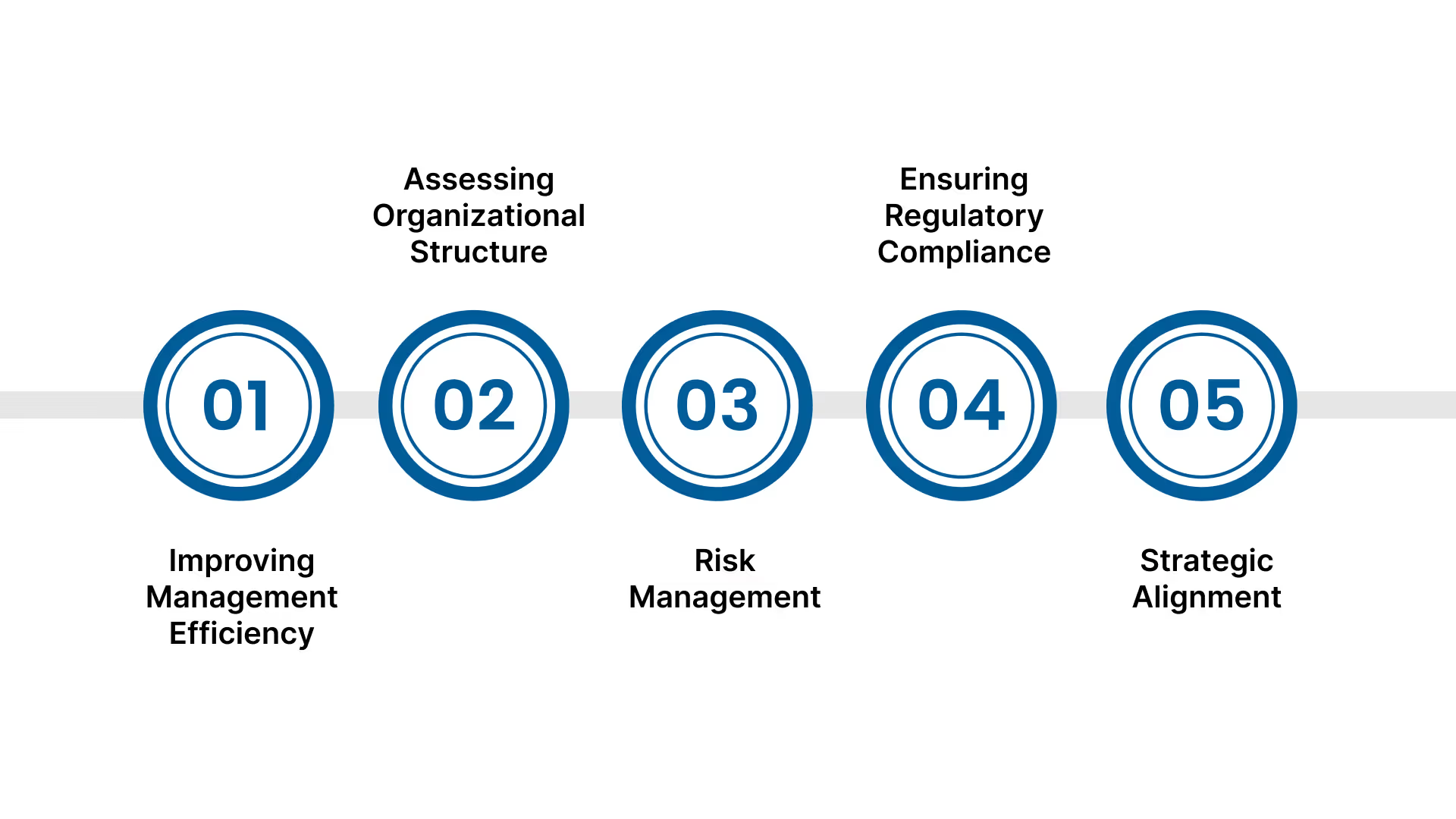
Management audits offer several advantages, helping businesses improve productivity, strengthen decision-making, and align strategies with long-term goals.. With the audit outsourcing service market projected to grow steadily in the coming years, it’s clear that organizations are placing more value on structured management reviews. Below are some of the key uses of management audits.
A management audit identifies gaps in management processes. By evaluating decision-making, communication flows, and resource allocation, the audit helps simplify operations, which results in improved productivity, reduced costs, and more effective management practices.
The audit reviews the company's organizational structure to ensure that it supports the business’s strategic objectives. It evaluates leadership roles, reporting lines, and departmental interactions. A well-structured organization ensures smooth decision-making and more effective leadership, which are important for business success.
A key part of the management audit is identifying potential risks within the organization. The audit examines various business operations, financial processes, and regulatory compliance to uncover any risks, whether operational, financial, or compliance-related. Addressing these risks proactively helps prevent future problems and ensures smoother business operations.
The audit also helps ensure that the company is in compliance with relevant laws, regulations, and industry standards. By evaluating internal policies and external regulations, the audit ensures that the business adheres to legal requirements, which helps avoid costly penalties and reputational damage.
A management audit assesses whether the company’s current management strategies align with its long-term goals. It evaluates how effectively management is driving the business towards its objectives. If any misalignment is identified, the audit provides recommendations to adjust strategies and improve overall alignment with the company's mission.`
Management audit helps improve productivity, assess organizational structure, manage risks, ensure compliance, and align strategies with business goals. By conducting regular management audits, businesses can enhance decision-making and performance, ultimately driving growth and success.
At VJM Global, we specialize in helping businesses optimize their management processes through thorough audits, ensuring alignment with strategic goals and enhanced operational productivity. Our expert team provides customized audit services that drive performance improvements and ensure compliance with industry standards.
不同类型的审计各有其独特目的,管理审计侧重于评估领导力和运营效率。而其他审计(如财务审计、合规审计和内部审计)则专注于财务准确性、法律合规性和风险管理等领域。
审计类型的选择取决于公司的具体需求。管理审计非常适合用于提升领导力和运营水平,而其他审计则侧重于财务准确性、合规性和风险管理。
Also Read: Understanding Company Audits: Key Processes and Types
管理审计并非一帆风顺。企业在审计过程中常会遇到各种障碍,这些障碍可能会影响审计结果。克服这些挑战是确保审计提供有价值见解的关键。以下是企业在开展管理审计时面临的五个主要挑战。
开展管理审计的首要挑战之一是缺乏清晰、明确的目标。如果没有具体的目标,审计工作就会失去方向,无法触及企业最关键的问题。例如,如果审计缺乏对关键绩效指标 (KPI) 或特定运营流程的关注,那么最终得出的结论可能毫无意义。
为缓解这一问题:
拥有明确的目标可以确保审计提供有价值的见解,并推动可落地的改进措施。
员工的抵触情绪是影响管理审计成功的另一个挑战。员工可能会觉得审计是一种干扰,或者担心审计会暴露自身弱点并导致负面后果。这种担忧会导致员工不愿提供真实的反馈或分享相关数据,从而影响审计的准确性。
为解决这一问题:
通过妥善处理员工的顾虑并确保他们的配合,审计将能得出更准确、更全面的结果。
管理审计在很大程度上依赖于准确且最新的数据。收集可靠的数据可能既耗时又困难,尤其是当公司缺乏高效的数据管理系统时。不准确或不完整的数据会导致误导性的结论,最终影响审计质量。
为克服这一挑战:
确保审计所使用的数据准确且全面,对于得出有效的结论和建议至关重要。
Many businesses, particularly smaller ones, face resource constraints that make conducting a thorough management audit difficult. Limited internal expertise and the lack of dedicated audit teams can hinder the audit process, potentially leading to incomplete assessments or overlooked areas.
To resolve this:
Using external expertise or developing internal capabilities can ensure a more comprehensive and effective audit process.
The real value of a management audit lies in the implementation of its recommendations. However, many businesses struggle to turn audit findings into concrete actions. Recommendations often sit on paper without clear action plans, timelines, or accountability, which means the audit’s potential impact is lost.
为解决这一问题:
By ensuring that audit recommendations are acted upon, businesses can realize the full benefits of the management audit, driving continuous improvement and operational success.
延伸阅读: 管理离岸审计工作:常见挑战与解决方案
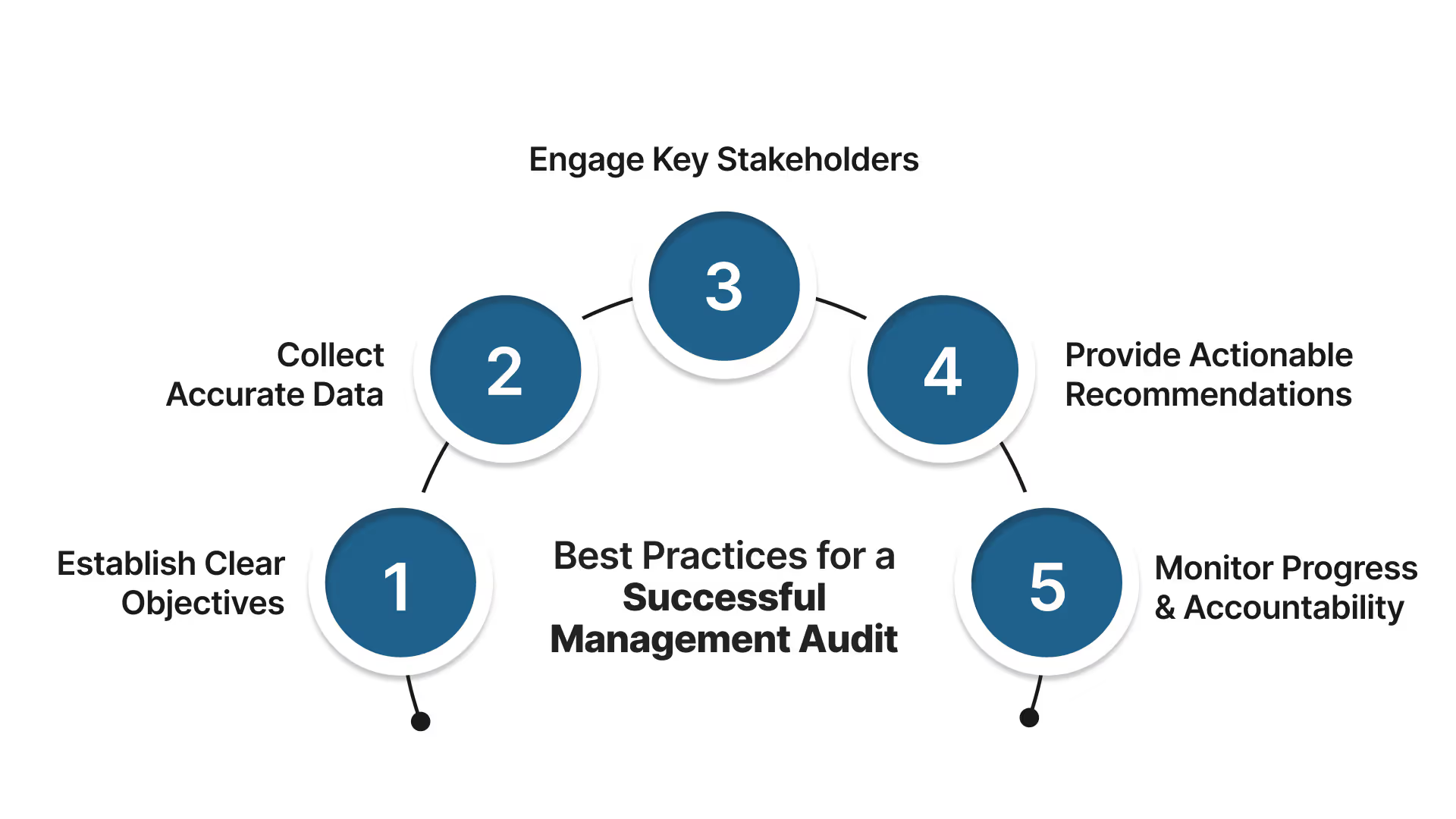
A management audit is an essential process that evaluates the effectiveness of an organization's management system, offering a clear picture of its strengths, weaknesses, and overall alignment with business goals. By following certain best practices, organizations can ensure that the audit delivers valuable insights and drives improvement. Here are five best practices for a successful management audit.
The first step in any management audit is to define clear, specific objectives. These objectives should address the core areas you want to evaluate, be it leadership effectiveness, financial performance, operational productivity, or organizational strategy. Without well-defined goals, the audit may lack focus and fail to provide actionable insights. A clear purpose allows you to tailor the audit process to the unique needs of your organization, ensuring that the findings are relevant and beneficial.
For instance, if the objective is to evaluate financial management, focus on key areas such as budgeting, cash flow management, and compliance with accounting standards. If leadership is the focus, assess decision-making processes, communication, and management style.
Data is the backbone of any management audit. Without accurate, up-to-date, and comprehensive data, the audit will not provide the insights needed for improvement. Data should be collected from a variety of sources within the organization, including financial statements, employee performance reviews, operational processes, and customer feedback. Gathering both quantitative and qualitative data provides a complete view of the organization's management practices.
To ensure data accuracy, rely on reliable sources and systems. For example, financial records from tools like QuickBooks or Xero can provide an accurate picture of financial performance. Similarly, employee surveys and feedback mechanisms can offer valuable qualitative insights into leadership effectiveness and operational productivity.
Involving key stakeholders in the audit process ensures that the audit is not only comprehensive but also aligns with the organization's strategic goals. Stakeholders such as senior management, department heads, and employees are integral to the process because they have a deep understanding of the day-to-day workings of the organization. Their input provides context, identifies potential blind spots, and ensures the audit addresses all relevant aspects of management.
此外,在流程早期让利益相关者参与进来,能提高他们在审计建议实施阶段的配合度。这有助于培养主人翁意识,并获得组织各层级的支持,从而在审计结束后更轻松地推动积极变革。
管理审计不应仅仅是指出问题,还必须提供清晰、实用且可操作的建议。只有当组织能够采取具体步骤时,发现改进领域才有价值。建议应当切合实际、可衡量,并与公司的整体战略和目标保持一致。
例如,如果审计发现会计流程中存在漏洞,建议可以包括实施基于云工具的简化系统,或为财务团队提供额外培训。建议应具备足够的可操作性,以便管理层能立即着手实施,确保审计成果转化为实质性的改进。
管理审计流程的最后一步是确保建议得到有效落实。审计只有在带来切实改进时才有价值。建立定期跟进系统,以跟踪审计建议的实施进度。将每个行动点的责任分配给相关经理或部门,并设定明确的完成期限。
定期的审查和沟通有助于识别实施过程中的障碍,并使管理层能够在必要时进行调整。监控进度可确保审计报告不会沦为一纸空文,而是成为持续改进的动态工具。
通过遵循这些最佳实践——设定明确目标、收集全面数据、让关键利益相关者参与、提供可操作的建议并监控进度,组织可以确保管理审计行之有效,并带来有意义的变革。将审计视为一个持续的过程而非一次性事件,企业便能推动持续改进,并保持与长期目标的步调一致。
A management audit can reveal hidden gaps, simplify operations, and help your leadership make smarter, data-driven decisions. At VJM Global, we work closely with businesses to provide tailored audit services that align management processes with your long-term goals.
为了优化您的运营、提高生产力并增强战略协同,请让我们的团队引导您完成全面的管理审计。
管理审计是组织提高生产力和简化运营的重要工具。通过评估领导力、决策流程和组织结构,企业可以发现差距并确定改进机会。
此项审计超越了财务分析,提供了一份全面的评估,使管理实践与整体业务目标保持一致。执行良好的管理审计有助于企业明智地利用资源、降低风险并保持战略一致性,从而提升整体绩效。
在 VJM Global,我们深知企业在优化管理实践方面所面临的挑战。凭借多年开展全面管理审计的专业经验,我们帮助组织发现差距、提升运营绩效,并将管理流程与业务目标对齐。我们的专业团队与企业紧密合作,提供能够推动积极变革和促进增长的洞察。无论您是希望改善决策、简化运营还是确保合规,VJM Global 都将全力支持您的发展。
准备好优化您的管理实践了吗? 联系 VJM Global,了解我们定制化的管理审计服务如何提升您的业务运营并助您实现战略目标。让我们助您释放组织的全部潜力。
是的。通过审查领导力、沟通和组织结构,审计可以发现影响士气的问题。审计建议通常会带来更明确的职责分工、更公平的流程以及更科学的决策,从而提升员工满意度。
大多数组织每 2-3 年进行一次审计会受益匪浅。此外,在合并、领导层更迭或业务快速扩张等重大转型期间,也建议进行审计。
Yes. Small businesses can scale the scope to match resources. Targeted audits or outsourcing to experts make it cost-effective while still offering valuable insights.
Yes. It not only improves productivity but also helps ensure compliance with strict industry standards. This reduces risks in sectors like healthcare, finance, and manufacturing.
It highlights gaps, strengthens leadership practices, and aligns operations with business goals. The result is better performance, compliance, and employee engagement.




