


When the IRS garnishes wages, it takes a share of an employee’s paycheck to recover unpaid taxes, without needing a court order.
This swift action can strain personal finances and add compliance pressure on employers, making it one of the most serious tools in the IRS’s collection arsenal.
As of 2019, more than one in every 100 U.S. workers faced wage garnishment for delinquent debt, with the average garnishment lasting five months and consuming approximately 11% of their gross earnings during that time. This highlights the disruptive impact of garnishment on both employees and employers.
For U.S. businesses and employees alike, understanding how wage garnishment works is critical. Companies must know their responsibilities when receiving a garnishment notice, while individuals need to recognize their rights and the options available to stop or prevent it.
In the following sections, we will explore how IRS wage garnishment works, identify the early warning signs, and provide practical strategies to prevent or resolve the issue.
IRS wage garnishment is a collection action where the Internal Revenue Service (IRS) requires an employer to withhold a portion of an employee’s paycheck and send it directly to the government to settle unpaid federal tax debts. Unlike other creditors, the IRS does not need to go through court proceedings to initiate wage garnishment.
Once a taxpayer has received a Final Notice of Intent to Levy and failed to act within 30 days, the IRS can issue Form 668-W to the employer, who must then comply by deducting wages until the debt is resolved.
The amount withheld is not arbitrary. It is calculated based on IRS Publication 1494, which determines the amount of income an individual can keep, depending on their filing status, exemptions, and dependents. The remainder is sent to the IRS until the outstanding tax liability is satisfied.
For employees, wage garnishment can create immediate financial pressure, reducing take-home pay and limiting flexibility in meeting daily expenses. For U.S. businesses, it adds an administrative burden: employers are legally obligated to process garnishment orders accurately and in a timely manner.
Failure to comply can make the employer directly liable for the amounts not withheld.
For businesses and professionals expanding into or operating across U.S.-India boundaries, understanding IRS wage garnishment becomes even more important.
Cross-border entrepreneurs, particularly those with staff in the U.S., must ensure that their payroll and compliance processes are managed accurately to avoid disruptions. Mismanagement could not only damage employee trust but also expose the business to penalties and reputational risks.
At VJM Global, we help U.S. companies, CPA firms, and entrepreneurs stay compliant with IRS rules while keeping costs low through offshore support. From managing tax records to prevent garnishment to providing payroll and audit assistance, our team ensures compliance and reliability every step of the way.
.avif)
Understanding the mechanics of IRS wage garnishment is critical for both employees and businesses. Below are the key stages and legal considerations that determine when and how the IRS can initiate wage garnishment.
The IRS has unique authority compared to other creditors. While creditors typically need a court order to garnish wages, the IRS can issue a tax levy under the Internal Revenue Code (IRC) §6331 without judicial approval. A levy allows the IRS to seize assets, including wages, bank accounts, or property, to cover unpaid tax liabilities.
在工资扣押的情况下,美国国税局(IRS)会指示雇主扣留员工工资的一部分,并直接汇缴给政府。这种权力使得国税局的扣押成为最直接且最具破坏性的税收征收手段之一。
在开始扣押之前,法律要求国税局必须向纳税人发出通知。
通常,国税局会发出:
一旦发出最终通知,纳税人有 30 天的时间申请征收正当程序(CDP)听证。如果在规定时间内未作出回应,国税局有权继续执行工资扣押。
这一流程强调了在收到国税局通知时及时回应的重要性。忽视国税局的信函几乎总是会导致更严厉的强制执行措施。
如果纳税人在通知期结束后仍未解决债务,国税局会直接向雇主发出 668-W 表格,即《工资、薪金及其他收入征收通知》。一旦收到该表格,雇主在法律上有义务按照国税局的指示开始扣留工资。
雇主必须在规定的时间内履行义务。否则,雇主可能需要对未汇缴的金额承担个人责任。这不仅给面临扣押的员工带来了压力,也给处理工资单的企业带来了压力。
对于拥有美印业务的公司而言,准确的工资单外包对于避免错误至关重要。
国税局不会扣押纳税人的全部工资,而是会留出一部分作为基本生活费用。
该豁免金额取决于:
国税局使用第 1494 号出版物来计算免于扣押的收入金额。
超出该金额的任何部分都将被征收,直到债务全额付清或达成其他安排。例如,一名没有受抚养人的单身纳税人,其工资中可能仅剩下一小部分用于个人开支。
这种计算通常会导致实发工资大幅减少,如果未采取任何行动,员工可能难以应付日常开支。
建议阅读:将税务准备工作从美国外包至印度:CPA 2025 指南
美国国税局(IRS)的工资扣押通常并非毫无预兆。
IRS 遵循一套结构化的流程,当扣押即将发生时,会有明显的预警信号。识别这些早期迹象,可以让个人和企业在 IRS 开始扣除工资之前,有足够的时间采取行动。
在启动工资扣押程序之前,IRS 通常会发送一系列通知,其中包括:
在此阶段,纳税人有 30 天的时间申请 征收正当程序(CDP)听证会或安排付款。若未能直接处理这些通知,将直接导致工资被扣押。
另一个预警信号是提交了 联邦税收留置权通知(NFTL),IRS 通过此举记录在案,以确保其对纳税人财产的追索权。虽然留置权不等同于征收,但它表明如果债务仍未偿还,IRS 正准备强制执行征收。
此外,未能回复 IRS 的信函,或错过上诉、听证会或分期付款协议的截止日期,往往会加速扣押进程。
如果情况升级,IRS 将直接联系纳税人的雇主,并提供 668-W 表格(工资、薪金及其他收入征收通知)。这是最后的预警信号之一;到了这一步,扣押已迫在眉睫。
雇主在收到征收表格后,必须立即按照 IRS 的指示开始扣缴工资。若不遵守规定,雇主可能需要对本应扣缴的金额承担个人责任。
对于员工而言,得知雇主被联系可能会感到突然,但这通常是此前与 IRS 数月沟通的结果。密切关注早期的通知对于避免走到这一步至关重要。
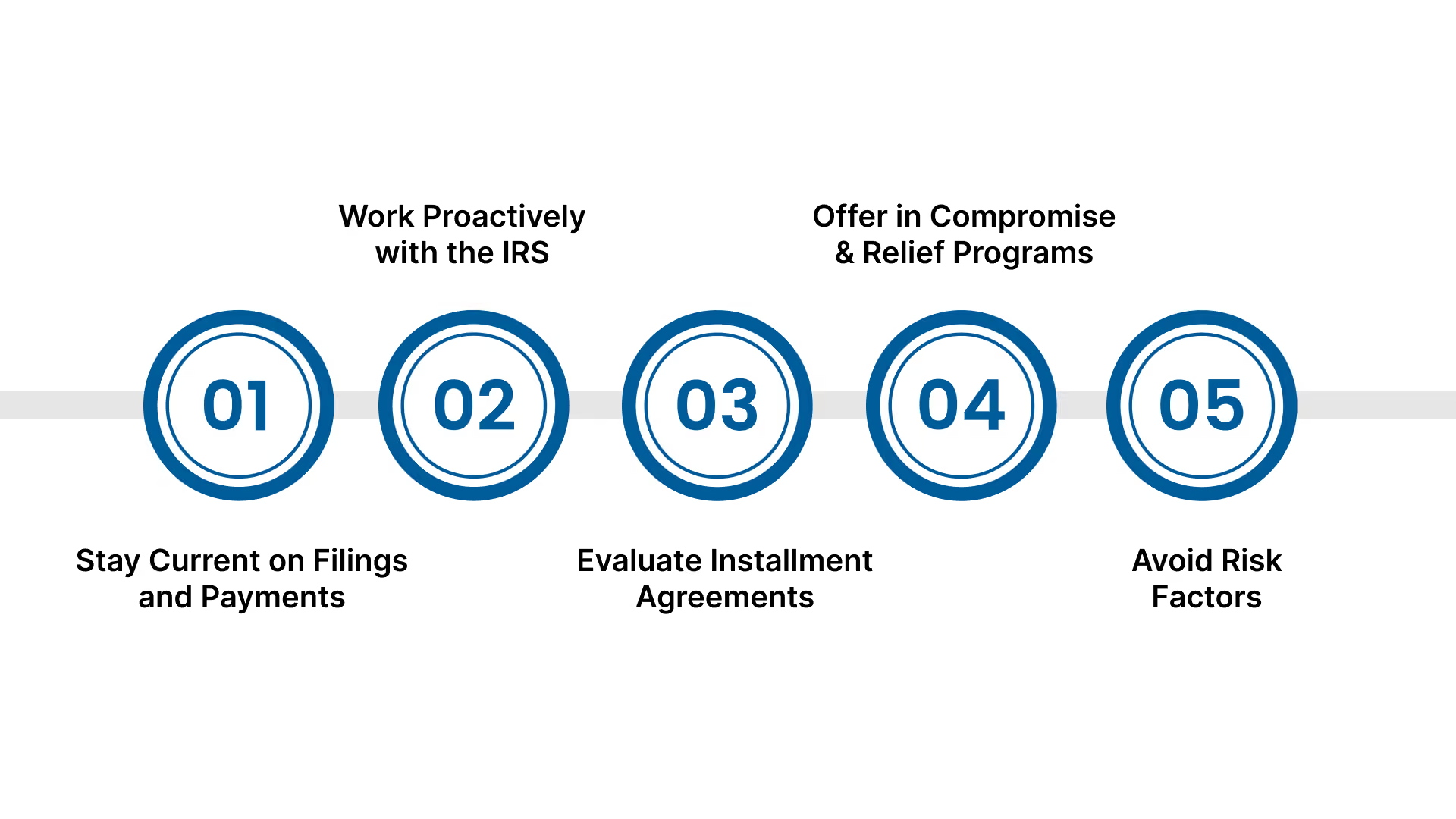
应对 IRS 工资扣押的最佳方法是防患于未然。
一旦 IRS 开始扣缴工资,选择余地就会变小,财务压力也会随之增加。幸运的是,个人和企业可以采取多种主动措施,走在 IRS 前面,从而完全避免扣押。
导致 IRS 采取行动的最常见诱因之一是未能按时提交纳税申报表或支付欠款。
即使您无力支付全部欠款,也务必提交申报表或申请延期申报。按时申报可以减少罚款,并向 IRS 展示您的诚意。
IRS 特别建议,保持所有当前和逾期申报的合规性,是避免扣押或征收行动的第一步。
与美国国税局保持畅通的沟通至关重要。如果您收到有关欠税的通知,请尽快联系国税局讨论您的具体情况。
在许多情况下,如果纳税人能够证明存在经济困难,国税局愿意接受分期付款或暂时推迟追缴。
尽早处理问题可以防止事态升级至工资扣押。法律专家也强调,表现出积极配合的态度,往往更容易协商出有利的还款条款。
如果无法一次性付清欠款,纳税人可以申请分期付款协议,通过每月支付可负担的金额来偿还债务。
务必避免违约。一旦违约,国税局将立即获得恢复追缴行动的授权,包括扣押工资。设定切合实际的还款条款,既能确保合规,也能防止国税局采取更激进的强制措施。
如果全额偿还税款会造成严重的经济困难,纳税人可能有资格申请减免方案(OIC)。只要符合国税局的严格标准,该项目允许符合条件的纳税人以低于全额欠款的金额结清债务。
其他救济选项包括申请暂时无力偿还(CNC)状态,对于因经济困难而无法缴税的纳税人,该状态可暂时中止国税局的追缴行动。
忽视国税局的信函、错过截止日期或拒绝沟通,是导致工资被扣押的最快途径。拖延处理会向国税局释放信号,促使其采取更强硬的执法手段。
及时回应、寻求专业支持并采取行动(无论多么微小),对于解决问题或防止工资被大比例扣押都至关重要。
凭借精通国税局流程的专业团队,VJM Global 协助美国纳税人和企业处理税务申报、与国税局进行谈判,并避免工资被扣押。
如果国税局已经开始扣押工资,并不意味着这种情况是永久性的。
目前有多种法律和行政手段可以减少、停止或重组扣押方案。迅速采取行动至关重要,因为忽视问题只会延长您的经济压力。
第一步是确认国税局的扣押是否合法。请仔细核对收到的国税局通知(通常为 668-W 表格),以确保:
如果发现错误,应立即向国税局报告。
如果工资扣押造成了过度的经济困难,或者扣押行为本身存在错误,国税局可能会解除扣押。纳税人可以通过证明扣押导致其无法支付必要的生活费用来申请解除。
根据国税局的规定,解除扣押的有效理由包括:
如果扣押是在《征收意向最终通知》发出后进行的,纳税人有30天的时间申请征收正当程序(CDP)听证会。在此期限内提出申请,可以暂停扣押,直至上诉得到解决。
CDP听证会为纳税人提供了对债务提出异议、提出替代方案或质疑扣押合法性的机会。
在许多情况下,与国税局协商新的还款安排是最实际的解决方案。根据财务状况,有以下几种选择:
允许纳税人通过每月还款的方式分期偿还债务。一旦获得批准,只要按时还款,扣押措施即可解除。
这是一种和解计划,如果纳税人能证明全额还款会导致经济困难,则可以支付低于欠款总额的金额。该方案的批准需要经过国税局的严格审查。
如果纳税人证明其无力支付基本生活费用,国税局可能会将该账户标记为“暂时无力偿还”。虽然这并不能免除债务,但可以暂时停止扣押和催收行动。
在特定条件下,申请破产可以停止国税局的工资扣押,但这并非万能的解决方案。
部分税款债务 可能被免除,而其他债务在破产后仍需偿还。此外,破产会对个人信用及未来的财务选择产生重大影响。
It should only be considered after all other options have been explored with professional guidance.
Once the IRS confirms a levy release, employers must stop withholding wages. However, delays can occur if communication between the IRS and the employer is not immediate.
Taxpayers should proactively confirm with their payroll department that garnishment has ended to avoid unnecessary deductions.
At VJM Global, our U.S.-focused tax support team helps individuals and businesses navigate IRS negotiations, appeal hearings, and debt restructuring, enabling garnishment to be resolved quickly.
While the IRS wage garnishment process is generally clear, there are unique situations where the rules may be applied differently. Understanding these edge cases helps taxpayers and businesses avoid unexpected complications.
Sometimes, wage garnishment is triggered by an error or by a tax debt that does not fully belong to the individual. If you believe you do not owe the tax, you can dispute the liability through an appeal or by filing for reconsideration.
In cases involving joint returns, a taxpayer may also request Innocent Spouse Relief, which removes responsibility for taxes caused by a partner’s reporting errors or omissions.
Legal practitioners emphasize that disputing liability must be done promptly, ideally within the appeal windows provided.
If a taxpayer works more than one job, the IRS can send levy notices to each of their employers. This can result in multiple garnishments, significantly reducing take-home pay. Unlike state garnishment limits, IRS rules apply separately to each income stream.
Employers receiving a levy must comply independently, meaning garnishment will continue from each job until the debt is resolved.
The IRS does not limit garnishment to base wages alone. Bonuses, commissions, and incentive pay are also subject to levy. Employers are required to apply the garnishment rules to all forms of compensation, including wages, salaries, and other forms of compensation.
This means even irregular income, such as quarterly bonuses or one-time commission payments, will be withheld and applied toward tax debt.
Wage garnishment is only one collection method. The IRS may also levy bank accounts, rental income, or physical property. In some cases, these actions can occur alongside wage garnishment, increasing financial pressure.
An IRS levy gives the government the legal authority to seize a taxpayer’s assets. This can include garnishing wages, withdrawing funds directly from bank accounts, and taking ownership of property such as vehicles, real estate, or other personal assets to recover unpaid tax debt.
The IRS can also apply tax debts against federal payments through the Federal Payment Levy Program (FPLP). This includes Social Security benefits, certain government salaries, and federal retirement income. Refunds from tax returns may also be applied to offset outstanding liabilities.
This means even if wage garnishment is not in effect, federal tax debt can still be collected through other government programs.
Suggested Read: Settle Tax Debt with Confidence: Relief Options For US Businesses
When dealing with the IRS, professional support can make the difference between ongoing financial hardship and achieving a workable resolution.
VJM Global offers customized solutions to U.S. businesses, CPA firms, and entrepreneurs that extend beyond standard accounting to help manage IRS-related risks, including wage garnishment.
VJM Global is uniquely positioned to support U.S. companies and CPA firms with outsourcing needs in India. From ensuring IRS compliance to assisting CPA practices during peak tax seasons, we bridge the gap by pairing U.S. accounting expertise with cost-effective offshore solutions.
VJM Global’s teams assist clients in preparing appeals, responding to IRS notices, and developing compliance strategies that prevent enforcement actions such as garnishment. We help with:
This ensures our clients have a clear path forward while reducing the stress of direct IRS negotiations.
Beyond federal tax support, we handle state filings, payroll, and reconciliations to keep businesses compliant. Our remediation services address past issues, while ongoing support helps prevent future IRS actions, such as garnishment.
Choosing VJM Global means partnering with experts in both U.S. tax law and Indian regulations. Our dual expertise provides cost-effective support that reduces overhead while keeping U.S. businesses and CPA firms compliant and protected against IRS risks, such as wage garnishment.
Choose VJM Global for tailored IRS and compliance support!
IRS wage garnishment is one of the toughest collection measures, but it can be avoided. Staying current on filings, responding to notices quickly, and arranging payment plans are the best ways to protect income and reduce financial strain. Acting early is key, as options shrink once garnishment begins.
Even then, solutions like installment agreements, Offers in Compromise, or hardship relief can help restore stability. The right path depends on each case, whether negotiating directly with the IRS or seeking professional support to manage appeals and compliance.
在 VJM Global,我们为美国企业、会计师事务所和企业家提供主动合规及工资扣押后的解决方案。我们的目标是最大限度地降低风险,高效解决问题,让您在处理复杂的税务事宜时能够高枕无忧。
如果您收到了美国国税局(IRS)的通知,或者担心工资被扣押,下一步应寻求专业指导。请联系 VJM Global 对您的情况进行评估,并探索最适合您的解决方案。
该流程始于 IRS 发出的多份通知,并在债务付清、制定还款计划或纳税人证明存在经济困难时结束;如果 IRS 在收到有效请求后解除扣押,扣押措施也可以停止。
IRS 不仅可以扣押常规薪水,还可以扣押奖金、佣金、激励性薪酬以及大多数其他基于雇佣关系的报酬。
是的,IRS 可以向每位雇主发出扣押令,从而导致针对不同收入来源的多次扣押。
纳税人应立即联系 IRS 对扣押提出异议、申请征收正当程序听证会,或请求因经济困难而解除扣押,如果理由充分,扣押可能会被停止或减轻。
是的,雇主必须将 IRS 扣押通知的副本提供给受影响的员工,以便他们进行审查或做出相应回应。




