Cost of Setting Up a GCC in India: A Complete Guide

Published on:
November 10, 2025

Table of contents

Talk to Us
Thank you! Your submission has been received!
Oops! Something went wrong while submitting the form.

One Firm,
Global Solutions

We support cross-border business with confidence and clarity.
Book a Call

India has emerged as one of the top destinations for Global Capability Centers (GCCs). The sector has gone through significant growth, with a 14% increase in revenue in fiscal year 2025, contributing to 4.5% of India's GDP.

This expansion is driven by factors such as access to a skilled workforce, cost efficiencies, and supportive government policies. However, establishing a GCC in India involves various costs that need careful consideration.

In this blog, we will take you through a detailed breakdown of the costs associated with setting up a GCC in India and share insights on how to plan effectively for long-term success.

Key Takeaways

  • Setting up a Global Capability Center (GCC) in India offers businesses access to a skilled workforce, cost efficiencies, and a growing business ecosystem.
  • The cost of setting up a GCC is influenced by various factors such as the choice of legal structure, location, infrastructure, labor costs, and regulatory compliance.
  • Proper legal structure selection and compliance with India’s complex regulations are essential to avoid hidden costs and ensure smooth operations.
  • With the right strategies in place, businesses can set up a successful and cost-effective GCC in India that supports global operations while driving long-term growth.

What Is a GCC?

A Global Capability Center (GCC) is an operational facility set up by multinational companies to centralize and manage critical business functions such as technology development, finance, HR, customer service, and supply chain management in a foreign country.

These centers act as hubs for innovation, cost optimization, and efficiency, handling functions that support the company’s global operations while reducing costs and improving business processes.

GCCs are increasingly playing a strategic role in driving growth, supporting global expansion, and enabling companies to apply global talent pools for core functions.

While many countries offer outsourcing opportunities, India has become the top destination for setting up GCCs due to its numerous advantages. Let's explore them in detail.

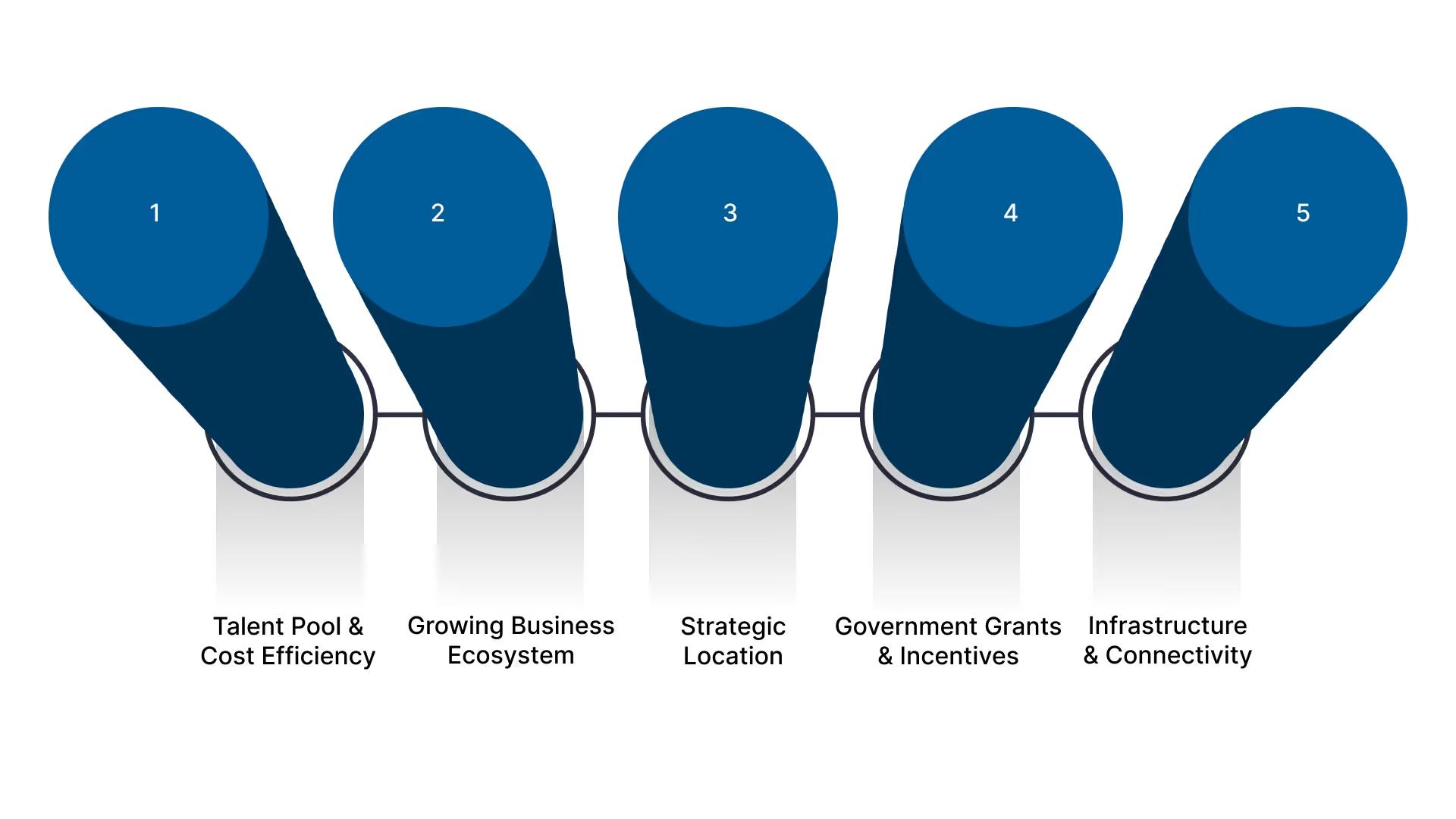
Top 5 Reasons to Set Up a GCC in India

Top 5 Reasons to Set Up a GCC in India

India has become a preferred location for GCC setups due to several compelling reasons, especially for businesses expanding from the U.S. to India:

1. Talent Pool and Cost Efficiency

India showcases one of the largest and most diverse talent hubs in the world. With a highly skilled workforce in fields such as IT, finance, customer support, and engineering, India offers significant advantages in talent acquisition.

2. Growing Business Ecosystem

India has seen a boom in tech infrastructure, R&D initiatives, and business support services, allowing global organizations to run sophisticated operations with efficiency. India’s push towards becoming a hub for digital innovation and technologies, such as AI, machine learning, and cloud computing, has further strengthened its appeal as a GCC destination.

3. Strategic Location

India’s strategic location in South Asia allows businesses to extend their footprint across key markets in Asia and the Middle East. It is an ideal gateway for companies aiming to tap into emerging markets or set up cross-border operations. 

India’s time zone advantage (GMT +5:30) also offers smooth 24/7 operations, ensuring continuous business cycles across regions.

4. Government Support and Incentives

India’s government provides attractive incentives to encourage foreign direct investment (FDI), positioning the country as a leading destination for Global Capability Centers (GCCs). These incentives include:

  • Tax Exemptions: Similar to the Opportunity Zones in the U.S., which offer tax incentives for businesses operating in economically distressed areas, India provides tax holidays for companies operating within Special Economic Zones (SEZs). This allows businesses to benefit from significant tax relief for a defined period, reducing the initial financial burden of establishing a GCC.
  • Financial Assistance: Much like the U.S. Economic Development Administration (EDA) grants and state-level tax incentives, the Indian government offers subsidies for infrastructure development and capital expenditures. These financial incentives help businesses reduce the upfront investment needed to build or scale their operations.
  • Policy Support: Similar to the Foreign-Trade Zones (FTZs) in the U.S., which provide regulatory relief for companies involved in international trade, India’s government has implemented several Ease of Doing Business reforms.
  • These include simplified company registration processes and simplified customs regulations, designed to reduce bureaucratic delays and improve the ease of setting up operations in India.

These incentives, combined with India’s business-friendly policies, make it an attractive option for companies looking to set up or expand their GCCs. 

5. Infrastructure and Connectivity

India has a world-class infrastructure that supports the seamless operation of GCCs. Major cities like Bengaluru, Hyderabad, and Pune offer state-of-the-art office spaces with modern facilities, ensuring a conducive work environment. 

Additionally, India's well-developed transportation network, including international airports and efficient local transit systems, ensures easy accessibility for both local and global teams. 

India’s combination of a large, cost-effective talent pool, strong technological infrastructure, favorable government policies, and strategic location makes it the preferred choice for establishing GCCs.

Now that we’ve highlighted the key advantages of setting up a GCC in India, let’s turn our attention to the key cost factors that come into play during the setup process.

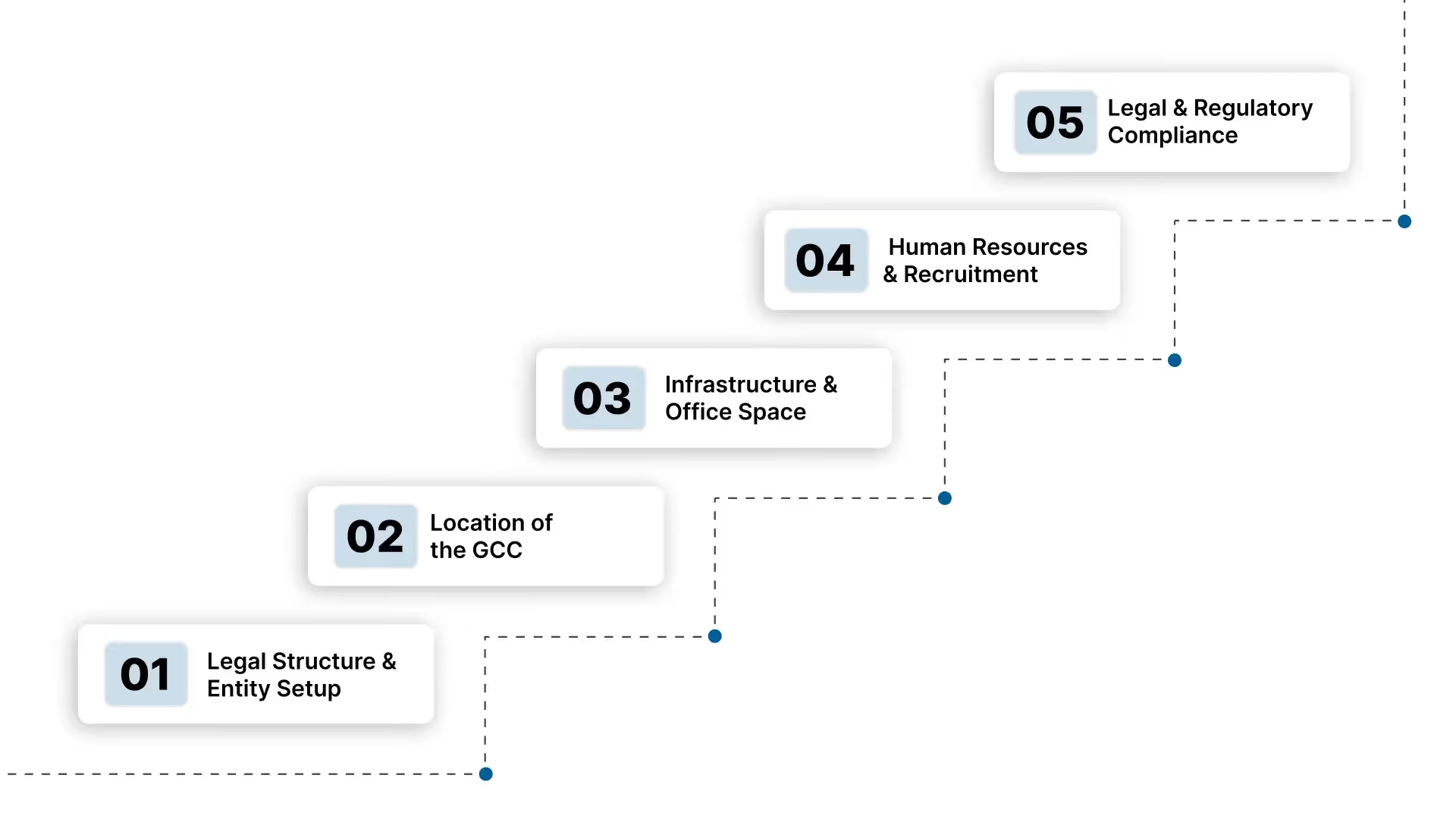
Factors Influencing the Cost of Setting Up a GCC in India

Factors Influencing the Cost of Setting Up a GCC in India

Understanding the factors that influence the cost of setting up a GCC in India is crucial for effective budgeting and planning. These can differ based on the type of GCC, location, scale, and the specific business needs of the company.

Here are the key elements that impact the overall cost of setting up a GCC in India:

1. Legal Structure and Entity Setup

Choosing the right legal structure for your GCC is one of the first and most important decisions. The legal entity setup determines the operational framework and the associated costs. The most common structures for a GCC in India include:

  • Private Limited Company (PLC): Offers the flexibility of limited liability and is suitable for businesses planning to engage in long-term operations. In the U.S., this is similar to a Corporation (Inc.), where shareholders have limited liability. Setting up a PLC involves registering with the Ministry of Corporate Affairs (MCA) and adhering to local laws.
  • Limited Liability Partnership (LLP): Similar to a Limited Liability Company (LLC) in the U.S., an LLP in India provides a flexible structure with few regulatory requirements, suitable for smaller operations or joint ventures.
  • Branch Office: Permits a foreign company to establish a presence in India for limited functions, such as marketing or research, with fewer compliance obligations.
  • Liaison Office: This is akin to a representative office in the U.S., where a foreign company establishes a limited presence to conduct activities such as market research, but without engaging in direct revenue-generating activities. A liaison office in India is a cost-effective option for businesses looking to test the market or build brand presence without full-scale operations.

Each legal structure has different registration fees, tax obligations, and compliance requirements, which directly influence the setup costs.

Selecting the right legal structure for your GCC is critical for long-term success in India. VJM Global brings extensive experience in guiding MNCs through the complexities of entity setup and compliance. Whether it’s a PLC, LLP, Branch, or Liaison Office, we’ll help you choose the most efficient, tax-effective option for your needs. Get in touch today

2. Location of the GCC

India offers a variety of locations to set up your GCC, from Tier-1 cities to Tier-2 cities, and the cost of setting up operations can differ based on where you select to establish your center.

  • Tier-1 Cities (e.g., Mumbai, Bangalore, Delhi): These cities are business hubs with access to a skilled workforce and excellent infrastructure. However, they come with higher real estate costs, salaries, and operational expenses. For example, office rentals in these cities can be 30–40% higher compared to Tier-2 cities.
  • Tier-2 Cities (e.g., Pune, Chennai, Hyderabad): These cities offer lower operating costs, including cheaper office spaces, lower salaries, and more affordable infrastructure. Many businesses prefer these cities for their balance of cost and talent availability.

Choosing the right city involves balancing operational needs with cost considerations. Tier-1 cities may offer higher operational efficiency, while Tier-2 cities can be more cost-effective.

3. Infrastructure and Office Space

The office space rental costs can vary significantly based on the city and the location within that city. In major metropolitan areas, office rents tend to be higher, whereas costs in smaller towns are generally more affordable. 

The setup also includes expenses for IT infrastructure, such as purchasing hardware, establishing secure network systems, and implementing technology solutions. These costs are influenced by the specific requirements of the business, such as the level of customization needed for office design, technology, and security systems. 

4. Human Resources and Recruitment

One of the most significant costs for any GCC is recruitment, employee compensation, and benefits. However, the costs associated with hiring and retaining skilled talent depend on several factors:

  • Salaries: Employee salaries vary depending on the role, experience, and location, with higher compensation typically seen in senior or specialized positions and in major cities.
  • Recruitment Costs: Recruiting talent can be a costly affair, especially for niche roles. The cost of hiring through recruitment firms, advertising job openings, and conducting interviews can be significant.
  • Employee Benefits: Indian labor laws require companies to provide benefits such as Provident Fund (PF), Employees’ State Insurance (ESI), and Gratuity, which contribute to the employee's cost. 

Human resources costs are an ongoing expense that should be factored into the overall GCC budget.

5. Legal and Regulatory Compliance

Complying with India’s legal and regulatory requirements adds to the cost of setting up a GCC. Businesses must register with multiple government agencies, including:

  • Ministry of Corporate Affairs (MCA): In India, businesses must register with the MCA to establish a Private Limited Company or Limited Liability Partnership (LLP). This is similar to the U.S. Secretary of State filings required to incorporate a company at the state level, where businesses must meet local governance and compliance standards. 
  • Reserve Bank of India (RBI): For foreign investment approvals (if applicable) and repatriation of profits. This is much like the U.S. Department of the Treasury regulations governing cross-border investments. In India, foreign investments in specific sectors are subject to approval under Foreign Direct Investment (FDI) norms.
  • Tax Registration: Similar to obtaining an EIN in the U.S., Indian entities must apply for a Permanent Account Number (PAN), register for Goods and Services Tax (GST), and comply with Tax Deducted at Source (TDS) obligations if applicable.

Legal and regulatory hurdles can slow down your GCC setup, but with VJM Global’s deep expertise in Indian corporate laws and tax regulations, you can rest assured your GCC will be compliant from day one. 

We specialize in handling the intricate details of entity registration with MCA, RBI approvals for foreign investment, tax registrations, and RoC filings to ensure your business operates smoothly. Talk to our experts.

Suggested read: Offshoring Audit Work from the US to India: Key Challenges and Fixes

Having explored the factors that influence the cost of setting up a GCC, it’s now time to break down these costs in detail. Let’s take a closer look at the financial implications of the entire setup.

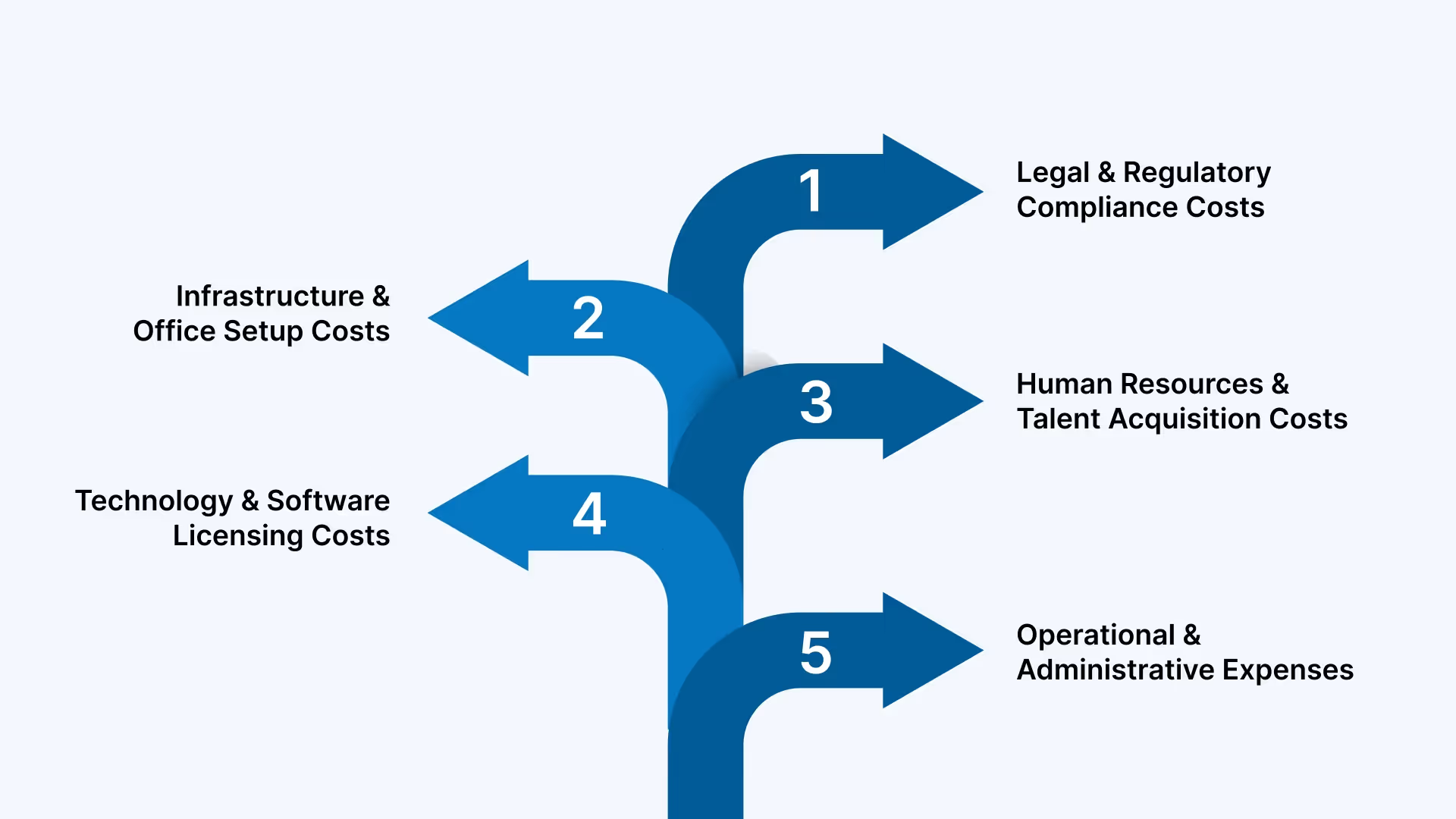
Detailed Breakdown of GCC Setup Costs in India

Detailed Breakdown of GCC Setup Costs in India

Establishing a Global Capability Center (GCC) in India involves a multifaceted investment strategy, containing legal, infrastructural, human resource, and operational expenditures. Below is a comprehensive breakdown of the key cost components associated with setting up a GCC in India:

1. Legal and Regulatory Compliance Costs

Establishing a legal entity in India is the foundational step. Costs include:

  • Incorporation Fees: Registering a Private Limited Company or Limited Liability Partnership (LLP) in India typically incurs costs ranging from ₹1 lakh to ₹5 lakh. This includes expenses for obtaining Digital Signature Certificates (DSC), Director Identification Numbers (DIN), and filing with the Ministry of Corporate Affairs (MCA).
  • Regulatory Approvals: If the GCC operates in a Special Economic Zone (SEZ), additional approvals from the Reserve Bank of India (RBI) and the Directorate General of Foreign Trade (DGFT) may be required, adding to the setup costs.

2. Infrastructure and Office Setup Costs

Infrastructure costs are significant and vary based on location and scale:

  • Office Space Rental: Grade A office spaces in Tier-1 cities like Bengaluru, Hyderabad, and Pune can cost between ₹50 - ₹100 per square foot per month. For instance, a 50,000 sq. ft. office space could cost approximately ₹25 lakh to ₹50 lakh per month in rental expenses.
  • Fit-Out and Furnishing: Initial setup costs for office interiors, including furniture, lighting, and HVAC systems, can range from ₹50 lakh to ₹2 crore, depending on the scale and customization.
  • IT Infrastructure: Setting up IT systems, including servers, networking equipment, and software licenses, may require an investment of ₹1 crore to ₹5 crore, depending on the technological requirements.

3. Human Resources and Talent Acquisition Costs

Labor costs in India are competitive, offering substantial savings compared to Western countries:

  • Salaries: The annual salary for a software engineer in India is approximately $15,000, significantly lower than the $100,000 in the U.S.
  • Recruitment Costs: Hiring specialized talent, onboarding, and training can incur costs between $20,000 and $100,000, depending on the GCC size and the complexity of roles.
  • Employee Benefits: Employers are required by law to contribute to employee benefits such as Provident Fund (PF), Employees’ State Insurance (ESI), and Gratuity, which can add 10-15% to employee salaries annually.

4. Technology and Software Licensing Costs

Investing in technology is crucial for the efficient operation of a GCC:

  • Software Licenses: Enterprise software, cloud services, and ERP systems can incur initial costs ranging from ₹10 lakh to ₹30 lakh (approximately $12,000 to $36,000 USD).
  • Ongoing IT Maintenance: Annual maintenance and support services can cost between ₹5 lakh and ₹15 lakh (approximately $6,000 to $18,000 USD).

5. Operational and Administrative Expenses

Day-to-day operational costs include:

  • Utilities: Electricity, water, and internet services can cost between ₹5 lakh and ₹10 lakh (approximately $6,000 to $12,000 USD) annually.
  • Office Supplies: Consumables and administrative expenses can range from ₹2 lakh to ₹5 lakh (approximately $2,400 to $6,000 USD) per year.
  • Travel and Communication: Expenses related to business travel and communication can vary based on the scale of operations.

While the setup costs can be significant, the long-term benefits make India a compelling destination for establishing a Global Capability Center.

At VJM Global, our full-service consultancy ensures every aspect of your GCC setup is covered, from transfer pricing strategy to FEMA & RBI compliance.

With our GCC Engagement Models, including DIY, BOT, and Hybrid BOT, we offer flexibility to meet your specific needs. Whether you prefer managing the setup in-house with expert guidance or entrusting us with complete control for speed and scale, we’ve got you covered. Connect with our team today.

Also read: Key Steps for Conducting Organizational Assessments: Why US Firms Outsource to India

Next, let’s explore the associated challenges and hidden costs of setting up a Global Capability Center in India. 

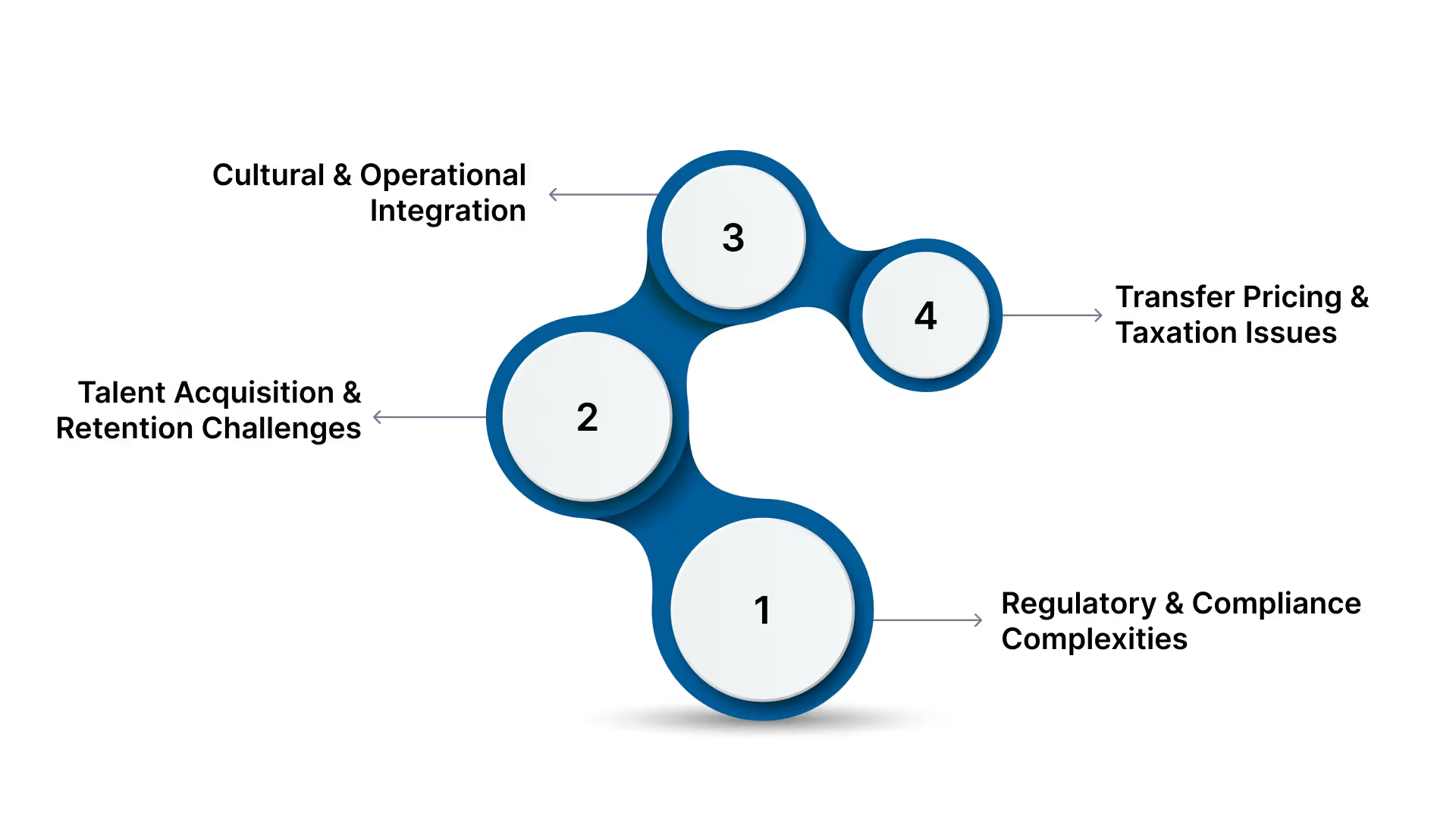
Challenges and Hidden Costs in Setting Up a GCC in India

Challenges and Hidden Costs in Setting Up a GCC in India

Establishing a Global Capability Center (GCC) in India offers numerous advantages. However, businesses must be aware of several challenges and hidden costs that can impact the success of their GCC operations.

1. Regulatory and Compliance Complexities

India’s regulatory landscape can be intricate for foreign companies. Key challenges include:

  • Multiple Registrations and Approvals: Setting up a GCC requires registration with various authorities, including the Ministry of Corporate Affairs (MCA), Reserve Bank of India (RBI), and Goods and Services Tax (GST) authorities. Each of these registrations involves specific documentation and compliance requirements.
  • Changing Labor Laws: India's labor laws are subject to frequent changes. For instance, recent amendments to labor codes have introduced new compliance requirements related to employee benefits, working hours, and termination procedures.
  • Data Protection Regulations: With the enactment of the Digital Personal Data Protection Act, 2023, GCCs must ensure that their data handling rules comply with stringent data protection norms.

2. Talent Acquisition and Retention Challenges

Attracting and retaining top talent in India presents several challenges:

  • High Attrition Rates: The technology sector in India experiences annual attrition rates ranging from 20% to 30%. High turnover leads to more recruitment and training expenses, as well as potential disruptions in project continuity.
  • Skill Gaps in Niche Areas: While there is an abundance of talent in general IT and engineering fields, specialized skills in areas like semiconductor design and advanced analytics are in short supply. This scarcity can lead to increased hiring costs and longer recruitment cycles.

3. Cultural and Operational Integration

Integrating a GCC into a global organization involves overcoming cultural and operational differences:

  • Communication Barriers: Differences in communication styles and time zone challenges can lead to misunderstandings and delays. Establishing clear communication protocols and overlapping working hours can mitigate these issues.
  • Alignment of Business Objectives: Ensuring that the GCC's goals align with the parent company's strategic objectives is crucial. Misalignment can lead to inefficiencies and missed opportunities.
  • Resistance to Change: Employees in the GCC may resist adopting new processes or technologies introduced by the parent company. Change management strategies and continuous training programs are crucial for enabling smooth transitions.

4. Transfer Pricing and Taxation Issues

Managing intercompany transactions between the parent company and the GCC requires careful planning:

  • Transfer Pricing Compliance: India's tax authorities scrutinize transfer pricing arrangements to ensure that intercompany transactions are conducted at arm's length. Companies must maintain detailed documentation and may need to obtain Advance Pricing Agreements (APAs) to mitigate the risk of audits and adjustments.
  • Indirect Tax Implications: Engaging in cross-border transactions can attract Goods and Services Tax (GST) and other indirect taxes. Understanding the tax implications of these transactions is vital to avoid unexpected liabilities.
  • Repatriation of Profits: Repatriating profits from the GCC to the parent company may involve withholding taxes and compliance with foreign exchange regulations. Planning for these aspects ensures smooth financial operations.

Managing transfer pricing and taxation issues between your parent company and the GCC requires expertise and careful planning. To simplify your tax operations and ensure compliance, get expert guidance tailored to your business needs. Learn more about our Transfer Pricing services.

Final Thoughts

Setting up a Global Capability Center (GCC) in India offers numerous advantages, including cost savings, access to a skilled workforce, government incentives, and a strategic location for global operations.

However, it’s essential to understand the comprehensive costs involved. Adopting the right strategies and utilizing India’s funding options, businesses can optimize their setup and operational costs, ensuring a smooth and efficient GCC launch.

Partner with VJM Global to establish and operate your Global Capability Centre (GCC) in India with complete legal, tax, and operational support.

Here’s how we can help:

  • Entity structuring and incorporation: We help you set up a Wholly Owned Subsidiary, LLP, or other compliant structure under Indian laws.
  • IP Advisory: We offer strategic guidance on IP ownership, cross-border IP transfers, and royalty payments, enabling you to navigate tax implications efficiently.
  • R&D Tax Optimization: We support the structuring of R&D expenses to maximize tax deductions and guide you through India’s R&D incentive programs.
  • Guidance on Transfer Pricing: We ensure that your IP development and associated costs are structured to comply with Indian regulations, minimizing risks and enhancing tax efficiency.
  • FEMA and RBI compliance: We provide guidance on capital inflows, share allotment, and repatriation as per Indian regulations.
  • Expatriate tax planning: We assist with DTAA benefits, payroll structuring, and tax optimisation for expatriate employees.

VJM Global GCC Engagement Models
To suit your specific business needs, VJM Global offers flexible GCC engagement models:

  • DIY (Do It Yourself) Model: You execute the setup with VJM's strategic advisory, templates, and compliance toolkits. Ideal for in-house-led builds needing expert guidance.
  • BOT (Build-Operate-Transfer) Model: We take full charge of building and operating your GCC, and then transfer it once it is stabilized. Perfect for MNCs seeking speed, scale, and lower risk.
  • Hybrid BOT Model: A flexible blend of BOT and DIY, where clients manage core operations, while VJM ensures legal, tax, and compliance excellence.

Contact VJM Global today to learn how we can support your GCC setup in India and help you manage the complexities of cost management, compliance, and local regulations.

FAQs

Q1. How long does it take to set up a GCC in India?

The process of setting up a GCC in India typically takes 6 to 12 months, depending on factors such as legal registrations, infrastructure setup, and recruitment efforts.

Q2. What are the main challenges companies face when setting up a GCC in India?

The challenges include managing complex regulatory frameworks, managing high attrition rates, and ensuring compliance with labor laws and tax regulations.

Q3. Can a foreign company set up a branch office or liaison office as a GCC in India?

Yes, foreign companies can set up branch offices or liaison offices in India. However, these structures are limited in terms of activities and cannot engage in revenue-generating operations.

Q4. What are the key cost components involved in setting up a GCC in India?

The main cost components for setting up a GCC in India include legal and regulatory compliance (entity registration, approvals), office infrastructure (rent, IT setup, furnishings), talent acquisition (salaries, recruitment costs), technology and software (licenses, cybersecurity), and operational expenses (utilities, office supplies). 

Recent Blogs

Contact Us

We'd love to hear from you! Please fill out the form and we'll get back to you as soon as possible.