If you purchase $250,000 worth of equipment this year, you may be able to deduct the full amount from your taxable income in the same year. This tax rule is called bonus depreciation, and it can free up cash for other business needs.
In 2025, the law still allows 100% bonus depreciation, which means qualifying assets can be written off immediately instead of over several years.
This can make a big difference in cash flow and help you plan larger investments without waiting for long-term tax benefits.
In the next sections, we’ll explain how bonus depreciation works, what assets qualify, and how to use it effectively for your business or clients.
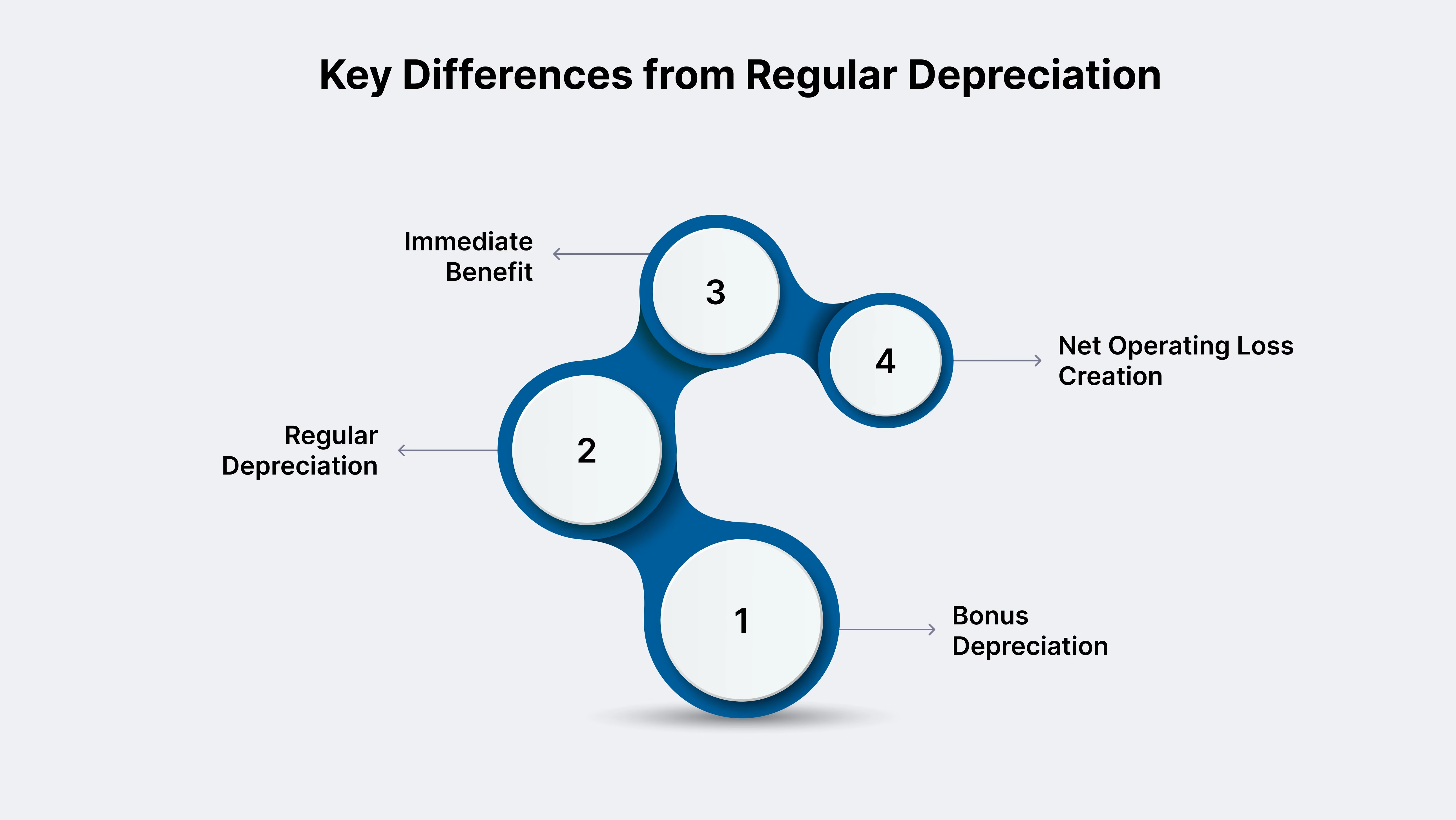
Bonus depreciation, officially called the additional first-year depreciation deduction under Section 168(k), lets you deduct the entire cost of qualifying assets in the year they’re placed in service.
Instead of spreading out write-offs across five, seven, or even twenty years, you claim the full tax benefit upfront. For U.S. businesses, this means bigger deductions and faster cash flow relief.
Traditionally, asset purchases (like machinery or computers) were written off annually. For example, a $100,000 equipment purchase would result in $20,000 deductions over five years. With bonus depreciation, you deduct the whole $100,000 in year one, putting that money back into your business immediately.
Bonus depreciation started as a stimulus measure at 30% in 2002. Over the years, Congress increased rates, reaching 100% after the Tax Cuts and Jobs Act (TCJA) in 2017.
The TCJA set up a phase-out: 100% for assets placed in service through 2022, then dropping by 20% each year, set to reach 0% in 2027.
In July 2025, the “One Big Beautiful Bill Act” permanently restored 100% bonus depreciation. To qualify, property must be acquired and placed in service after January 19, 2025.
If it was acquired before this date, even if placed in service later, it only qualifies for the previous year’s lower rate (40% for 2025).
If you want to learn which assets qualify and how to maximise this tax break, keep reading, next, we’ll break down eligibility rules and qualifying property under Section 168(k).
延伸阅读:了解企业为何采用权责发生制会计
Now that you know the basics, let’s look at which types of property actually qualify for bonus depreciation and what rules you’ll need to follow.
只有根据美国国税局(IRS)规定被归类为合格财产的资产,才能申请额外折旧。
主要类型包括:
MACRS 财产(修正加速成本回收系统):回收期为 20 年或以下的实物商业资产。这涵盖了机械、重型设备、家具、计算机和车辆。
计算机软件:为商业用途购买的现成软件可能符合条件。
车辆与设备:商用车辆(卡车、货车、重型 SUV)、办公家具、制造设备等。注意:重量低于 6,000 磅的乘用车有首年扣除额上限,请查看当前的 IRS 限额。
合格改良财产 (QIP): 纳税人对非住宅(商业)建筑进行的内部改良,例如新的暖通空调 (HVAC)、照明、干墙或天花板。建筑扩建、电梯、自动扶梯或结构框架不符合条件。
合格生产财产 (QPP): 对于制造业企业,根据 OBBBA 法案,2025 年 1 月 19 日之后专门为生产而建造或购置的资产,有资格享受 100% 的费用化处理。
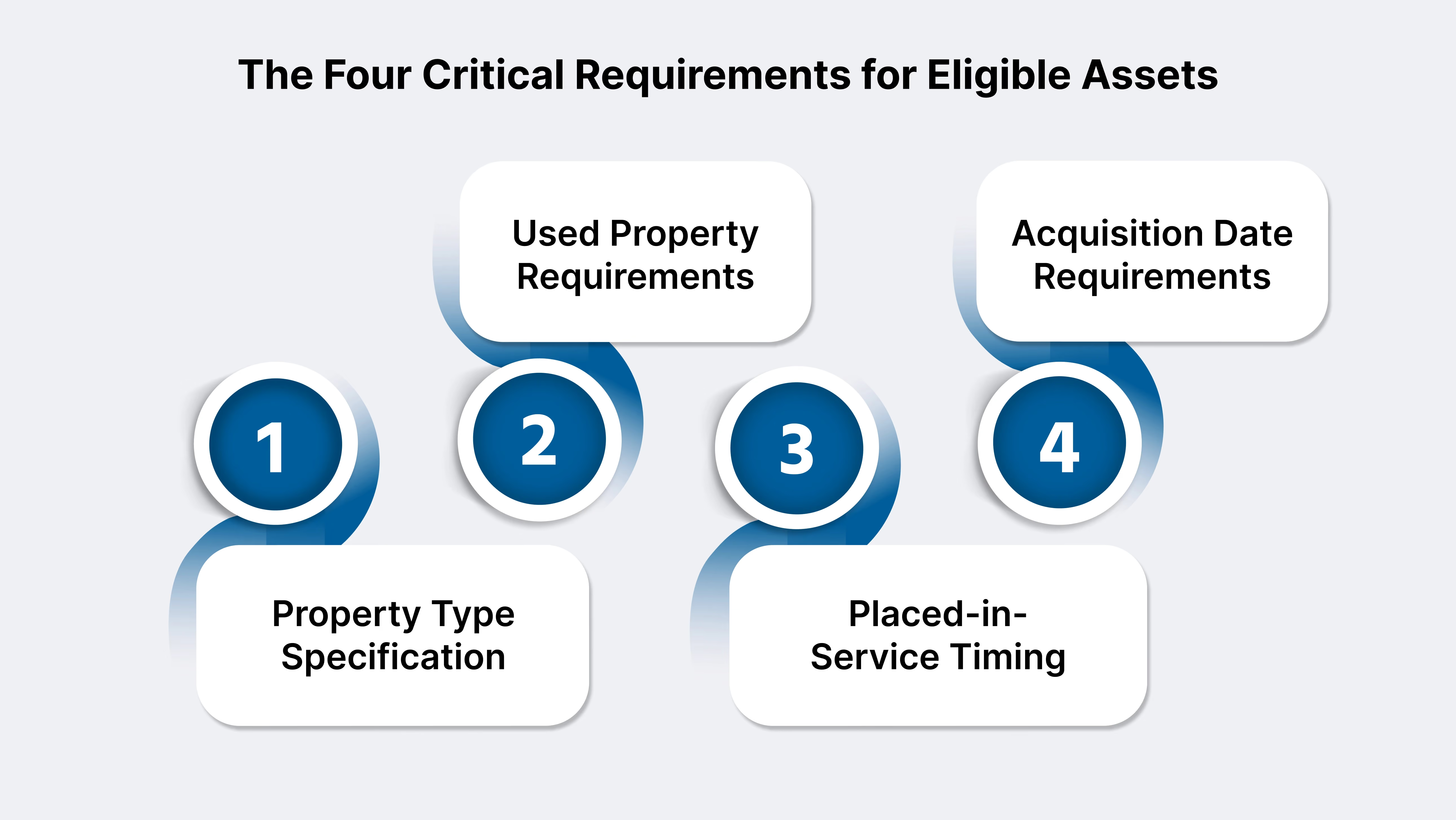
只有回收期为 20 年或以下的实物财产(包括某些软件和改良项目)才符合条件。
新财产符合条件。二手财产若通过公平交易获得且纳税人此前未使用过,也符合条件。
关联方或纳税人此前使用过的资产被排除在外;这旨在避免通过“倒手”资产来获取额外扣除额。
资产必须在 2025 年 1 月 19 日之后投入您的业务使用,方可享受 100% 的额外折旧资格。如果在此日期或之前购置,则适用之前的(较低)税率。
根据 2025 年 1 月 19 日之前签署的具有约束力的书面合同购置的财产,即使在此日期之后投入使用,也不符合 100% 的税率,仅能享受上一年度较低的税率。
额外折旧的购置日期是指签署具有约束力合同的日期,而非您实际取得占有权的日期。
以下类型的资产不符合额外折旧条件:
延伸阅读:如何管理小型企业的会计工作
如果您希望快速核销新资产并释放现金用于其他投资,请确认资产符合美国国税局的定义,在2025年1月19日之后购入,且切勿从关联方处购买。
对于混合用途房产、建筑升级或通过并购获得的资产购买等复杂情况,请咨询您的税务顾问或 VJM Global 的专家,以确保您的企业充分利用额外折旧政策。
在确认资产符合条件后,下一步就是确定如何准确计算您的额外折旧扣除额。
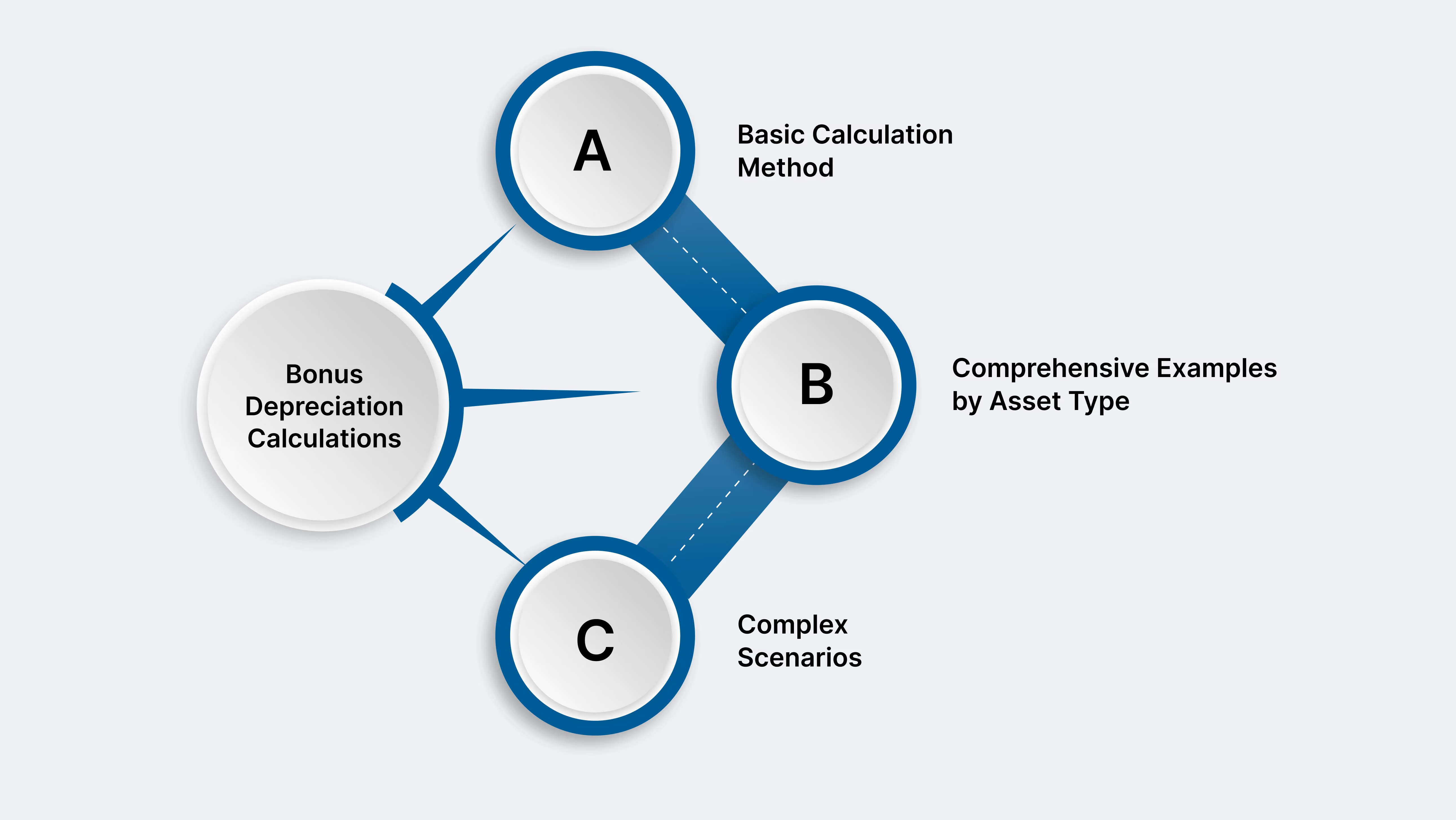
额外折旧可以成为您企业税务规划中的制胜法宝。以下是如何自信地计算并最大化这一扣除额的方法。
让我们拆解额外折旧的计算步骤:
额外折旧扣除额 = (资产成本 - 第179条扣除额 - 税收抵免) × 额外折旧率
假设您购买了 500,000 美元的制造设备。您已申请了 150,000 美元的第 179 条扣除额。根据 OBBBA,符合条件的采购在 2025 年的额外折旧率为 100%,否则为 40%。
税务节省影响:
您的企业可以保留更多现金用于再投资或支付开支。
您在软件和计算机系统上投资了 50,000 美元。未申请第 179 条扣除。
常规折旧会将此金额分摊到几年内,从而限制了即时的税收节省。
商务用车通常符合条件,但乘用车在第一年的扣除额上有上限。对于 2025 年投入使用的豪华车辆:
重型 SUV 和卡车(总车辆重量超过 6,000 磅)不受此限制,可以利用全额额外折旧,但较轻的乘用车需遵循这些国税局 (IRS) 的上限规定。
如果您购买了多种资产(设备、计算机、车辆):
对于超过第 179 条限额的采购(例如 2025 年超过 122 万美元),请先应用第 179 条扣除至上限,然后对剩余部分应用额外折旧,最后对最终基数使用常规折旧。
如果您购买了包含多个组成部分(如建筑物、固定装置、土地改良设施)的房产,成本核算研究(Cost Segregation Study)可以将符合条件的资产进行拆分,以便您对回收期在 20 年或以下的资产申请额外折旧。
对于复杂的资产购置,这能带来更可观的首年扣除额,从而实现更多的现金税收抵免。
延伸阅读:什么是完工百分比会计法?
在规划扣除额时,了解额外折旧与第 179 条款(Section 179)之间的区别,有助于您充分利用每种方案的优势。
在规划企业资产购置时,了解额外折旧与第 179 条款的差异,是实现税务利益最大化的关键。以下是您需要了解的内容:
大多数企业会优先应用第 179 条款。一旦达到第 179 条款的限额或收入限制,再将额外折旧应用于剩余的资产基数。
这种两步法既能最大化当年的扣除额,又能为未来年度保留灵活性。
了解每种方法的优势和局限性,有助于您把握重大采购的时机、预测税务结果,并为客户提供明智的规划建议。
如果您需要关于如何为您的美国企业量身定制第 179 条款和额外折旧方案的建议,VJM Global 团队将为您提供全程指导,助您留存更多收益并将其投入到未来的增长中。
延伸阅读:应付票据与应付账款:关键区别解析
有时,申请所有可用的扣除额并非最佳选择——让我们探讨一下您为何以及何时可能选择放弃额外折旧。
选择放弃额外折旧是一项战略举措,可能会影响您当前及未来的税务责任。了解何时以及如何放弃,有助于您实现税务利益最大化、避免意外情况,并进行精准规划。
为什么要放弃即时额外折旧,而将扣除额分摊到几年内呢?以下情况说明了这种做法的合理性:
1. 收入平滑:如果您的企业预计未来几年利润会更高,通过选择不适用额外折旧来保留扣除额,可以让您抵扣未来的收入,而不是在低收入年份将其用掉。
2. 替代性最低税 (AMT):额外折旧可能会触发或增加 AMT 税负。选择不适用可以降低风险,让您更好地掌控折旧对税务状况的影响。
3. 未来年度规划:如果您正在追踪收入激增的情况(如大额合同、业务出售或其他重大事件),您可能希望在未来获得稳定的扣除额。选择不适用能为您提供这种灵活性。
4. 州税一致性问题:并非每个州都允许联邦额外折旧。选择不适用可以避免产生在州税申报中可能无法使用的巨额联邦税扣除额,从而省去复杂的调整工作。
5. 被动活动损失限制:对于面临被动损失限制的投资者或企业,额外折旧可能会产生无法使用的损失。选择不适用可以将这些扣除额保留到更合适的年份使用。
如果您决定选择不适用,请务必按正确流程操作;一旦出错,很难撤销!
放弃额外折旧看似违背直觉,但它能让您有力地掌控扣除额的使用时间和方式。
花时间分析您的年终策略、未来增长和州税状况,将有助于您为企业做出最佳选择。
延伸阅读:CPA 准备税表的收费标准是多少
If you’re looking to truly optimize your tax outcomes, advanced planning strategies can make a significant difference to your bottom line.
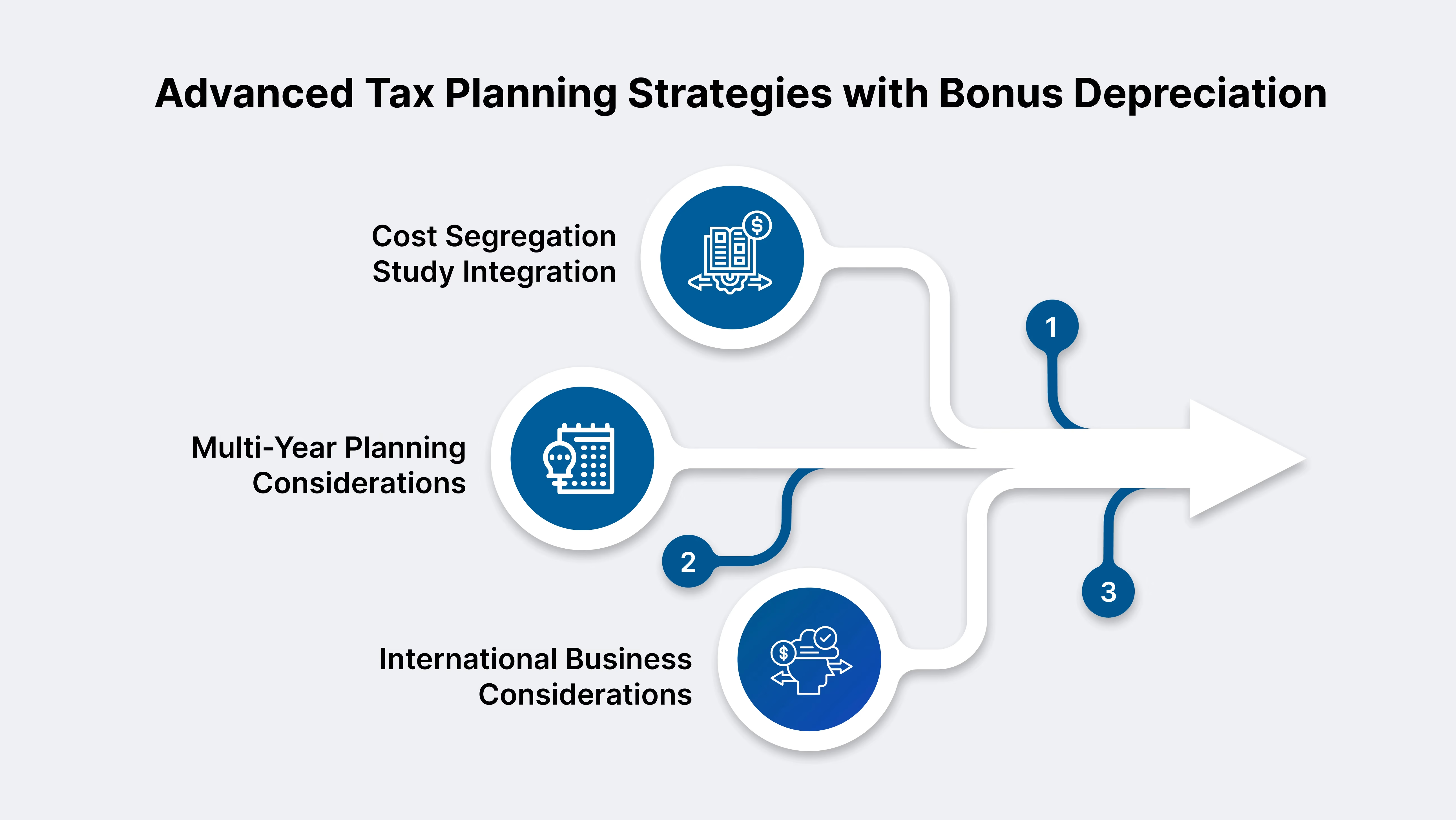
Bonus depreciation tax planning unlocks powerful opportunities for U.S. businesses to supercharge cash flow, strategically time deductions, and optimize real estate and international expansions. Here’s how to level up your strategy:
Wondering how to get maximum upfront deductions on your property investments? A cost segregation study is your answer.
This analysis breaks down a building’s cost into shorter-lived components, think carpets, electrical, and HVAC. Even specialty equipment, which can be depreciated over five, seven, or fifteen years instead of the standard 39 or 27.5 years.
With 100% bonus depreciation now permanent for most eligible assets placed in service after Jan. 19, 2025. Every dollar allocated to short-life property through cost segregation can be written off immediately.
That means real estate investors and business owners can unlock sizable first-year tax deductions and accelerate cash flow.
For best results, engage specialists who understand both engineering and IRS compliance to ensure assets are classified correctly and documentation stands up to audit scrutiny.
Getting the timing right on asset purchases and deductions is crucial. Here’s how to plan for continuous savings, year after year:
Don’t forget state-level planning: Some states decouple from federal bonus depreciation, so coordinate federal and state schedules to avoid unwanted surprises.
Cross-border asset investments require careful planning to capture bonus depreciation benefits and avoid complications:
1. U.S. Subsidiary Structures for Foreign Companies: Setting up a U.S. subsidiary allows foreign businesses to utilize bonus depreciation on qualified assets if placed in service domestically. Structure acquisitions to maximize eligibility and document all contracts and placed-in-service dates.
2. Cross-Border Acquisition Planning: When acquiring assets for a global expansion, check U.S. and foreign-country depreciation rules. Bonus depreciation can make U.S. expansion much more attractive from a tax and cash-flow standpoint.
3. India Expansion Implications: If your U.S. business is expanding into India, VJM Global guides you through navigating local depreciation rules and synchronizing asset purchases and entity structures on both sides.
This ensures your cross-border investment is tax-optimized and compliant with both IRS and Indian regulatory requirements.
另请阅读:企业战略税务规划服务
With these strategies in mind, you’re ready to put a concrete action plan in place to maximize your bonus depreciation benefits in 2025.
As you plan your investments for 2025, these steps can help you maximize bonus depreciation and keep more cash in your business:
延伸阅读:全面的跨境税务筹划策略
Deciding when to engage with tax experts is crucial:
With these strategies in mind, you’re ready to put a concrete action plan in place to maximize your bonus depreciation benefits in 2025.
Bonus depreciation remains one of the most effective tax tools for U.S. businesses, especially with the permanent 100% rate for qualifying assets acquired after January 19.
From accelerating deductions on equipment, vehicles, and QIP to leveraging cost segregation for real estate, the opportunities extend far beyond a single tax year.
The right strategy can boost cash flow, support expansion, and lower overall tax liability while keeping your operations fully compliant.
However, bonus depreciation planning requires precision; missteps in timing, documentation, or asset classification can reduce or eliminate the benefit. Professional guidance ensures every deduction is optimized, every rule followed, and every opportunity captured.
Ready to maximize your bonus depreciation benefits?
Contact VJM Global's expert team for personalized strategies that align with your business goals and ensure full compliance. With expert planning, you can invest confidently today and enjoy sustainable tax savings for years to come.
Bonus depreciation doesn’t apply directly to land or buildings, but qualified improvement property (QIP), like interior upgrades to nonresidential buildings, does qualify. A cost segregation study can help identify eligible building components.
Yes. Taxpayers can elect out of bonus depreciation on a class-by-class basis. This election must be made when filing your return with Form 4562, and is generally irrevocable for that year.
The OBBBA permanently reinstated 100% bonus depreciation for assets acquired and placed in service after January 19, 2025, eliminating the previous phaseout. This means you can fully deduct qualifying property without yearly reductions.
Yes. If bonus depreciation exceeds your taxable income, it can create a net operating loss, which can be carried forward to offset future income.
Section 179 lets you selectively expense assets up to $2.5M (2025 limit) and is limited by taxable income, while bonus depreciation has no dollar or income cap and applies automatically to all eligible assets unless you opt out.
Report bonus depreciation on IRS Form 4562 when filing your federal tax return for the year the property is placed in service. Attach documentation for acquisition and the placed-in-service dates.