Managing a US agriculture business involves unique financial complexities across different regions. You must track biological assets, manage regional growing cycles, and navigate specialized IRS provisions. This sector is vital to the economy, generating over $9.5 trillion in value.
These specific demands require accounting expertise that general firms often lack. Proper agriculture accounting provides the framework to manage these distinct challenges effectively. This approach also ensures compliance across all your agricultural activities in various US regions.
In this guide, we will explain the core principles of agriculture accounting for US businesses. You will learn about essential metrics and federal and state tax requirements. We will also cover the best practices to maintain accurate financial records for your operations.
Key Takeaways
Agriculture accounting requires specialized treatment of biological assets, crop cycles, and inventory valuation methods.
Key metrics like yield per acre, cost of production, and operating profit margin drive better decision-making.
Tax compliance involves specific IRS forms, including Schedule F for farm income and Form 943 for agricultural labor.
Common challenges include managing revenue volatility, biological asset valuation, and complex input costing.
Professional accounting support helps implement proper systems for accurate reporting and compliance.
What Is Agriculture Accounting In A Cross-Border Context
Agriculture accounting comprises specialized practices for the farming and agribusiness sectors. It addresses unique financial aspects of agricultural production that standard accounting methods cannot adequately cover.
This field manages the tracking of biological assets like crops and livestock across extended production cycles. It also handles complex inventory valuation for commodities with fluctuating prices.
For US businesses with international dimensions, such as suppliers in India, it ensures compliance with both IRS provisions and international standards. This specialized knowledge is essential for reconciling different reporting requirements and managing costs across currencies.
Free up your team's time, outsource accounting to VJM Global and focus on growth.
Understanding these specialized principles reveals why agriculture accounting is critical for your business success.
Importance of Agriculture Accounting
Implementing proper agriculture accounting practices provides significant strategic advantages for your farming operation. These systems deliver crucial financial insights that support informed decision-making and regulatory compliance.
Here is why specialized agriculture accounting matters for your business:
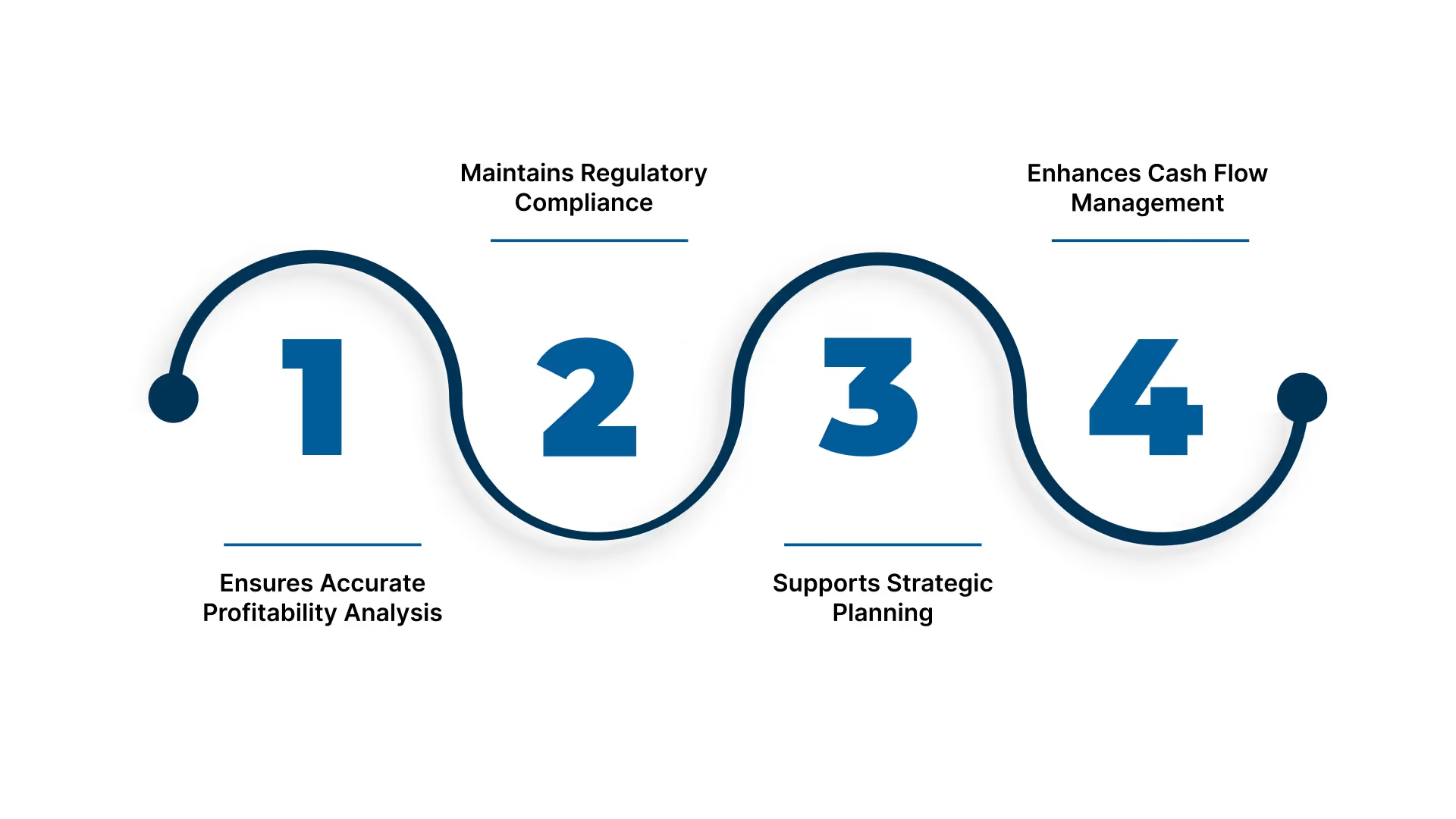
1. Ensures Accurate Profitability Analysis
Agriculture accounting tracks costs against specific crops, livestock, or production activities. You gain clear visibility into which operations generate the most profit. This detailed cost accounting helps you make informed decisions about resource allocation and operational focus.
2. Maintains Regulatory Compliance
Proper systems ensure you meet IRS requirements for agricultural operations. You maintain appropriate records for specific tax provisions like income averaging and deductions. Accurate documentation supports your positions in case of audit reviews.
3. Supports Strategic Planning
Historical financial data helps you forecast yields, plan crop rotations, and budget for equipment purchases. You can analyze trends across growing seasons to identify improvement opportunities. This forward-looking analysis supports both operational and investment decisions.
4. Enhances Cash Flow Management
Agricultural accounting provides visibility into seasonal revenue patterns and expense cycles. You can anticipate cash flow gaps during planting seasons and plan financing needs accordingly. Better cash forecasting helps maintain financial stability throughout production cycles.
To effectively measure this importance, you need to track the right financial and operational metrics.
Key Metrics Of Agriculture Accounting
Tracking the right financial and operational metrics provides crucial insights into your agricultural business performance. These indicators help you identify strengths, weaknesses, and opportunities for improvement across your operations.
These essential metrics should form the core of your agricultural financial analysis:
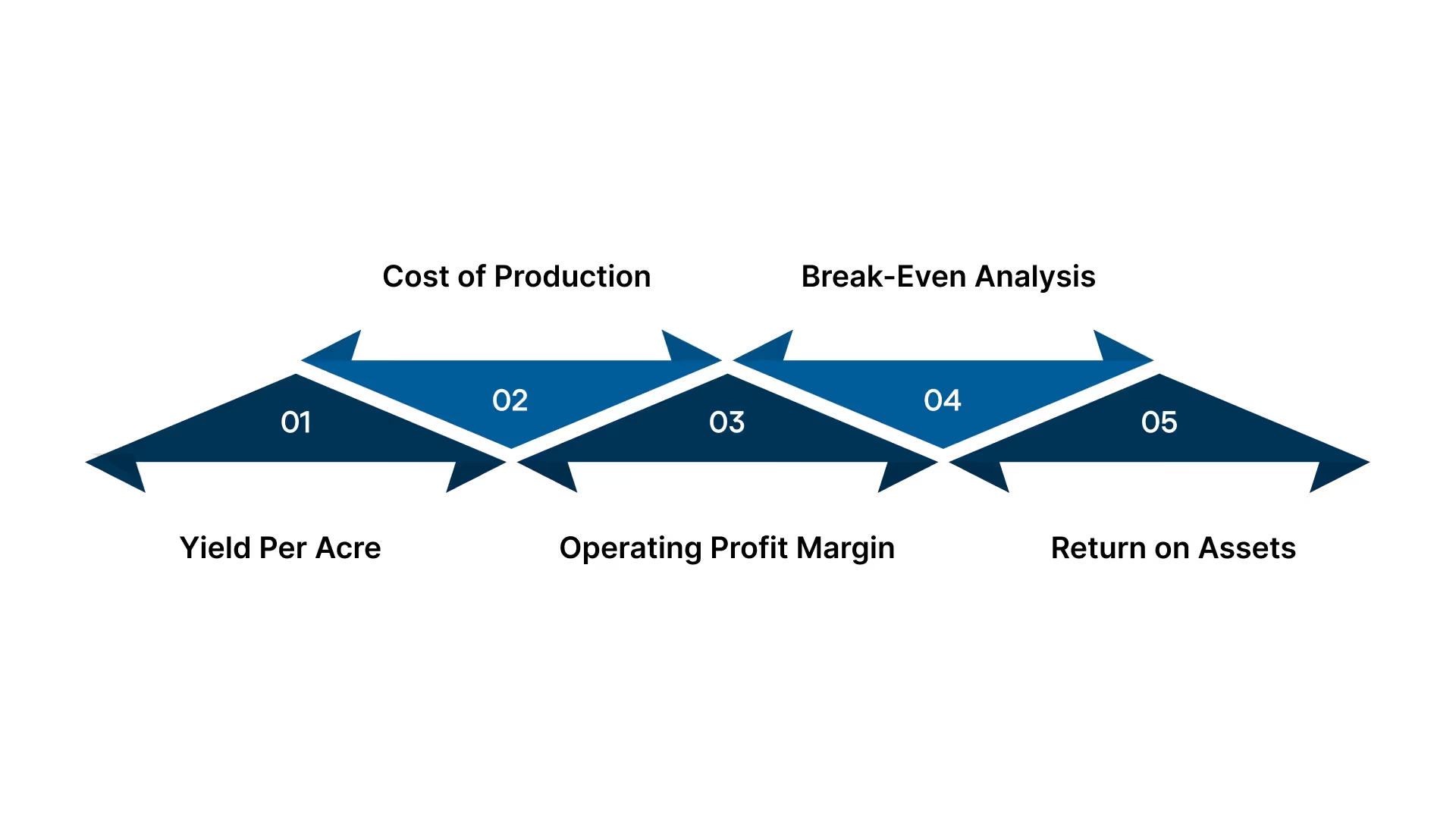
1. Yield Per Acre
This measurement calculates the production output relative to your land investment. Monitoring yield trends helps evaluate cultivation effectiveness and soil management practices. You can compare performance across different fields, crop varieties, and growing methods.
2. Cost of Production
This metric captures all expenses associated with producing specific agricultural commodities. It includes direct costs like seeds, fertilizers, and labor alongside allocated overhead. Understanding true production costs informs your pricing strategies and profitability analysis.
Are you tracking the right metrics for your operation? VJM Global can help you implement a reporting system that provides clarity on yield per acre and operating profit margin. Our team can set up the dashboards you need for better decision-making. Get started today.
3. Operating Profit Margin
This percentage reveals what portion of your revenue remains after covering operating expenses. It measures your operational efficiency independent of financing decisions and tax strategies. Tracking margins over time helps identify efficiency improvements or emerging cost issues.
4. Break-Even Analysis
This calculation determines the production level or price point where total revenue equals total costs. It helps assess the financial viability of new crops or expansion plans. Understanding break-even points guides your risk management and operational decision-making.
5. Return on Assets
This ratio measures how effectively your agricultural assets generate profits. It evaluates your efficiency in utilizing land, equipment, and facilities. This metric helps prioritize investment decisions and identify underperforming assets.
Accurate metrics are vital, but they must be managed within a framework of strict tax compliance.
Tax Planning And Compliance For Agriculture Accounting
Agricultural operations qualify for several specialized tax provisions that require careful planning and documentation. Understanding these opportunities helps minimize your tax liability while maintaining full compliance with IRS regulations.
Key tax forms for agricultural businesses include:
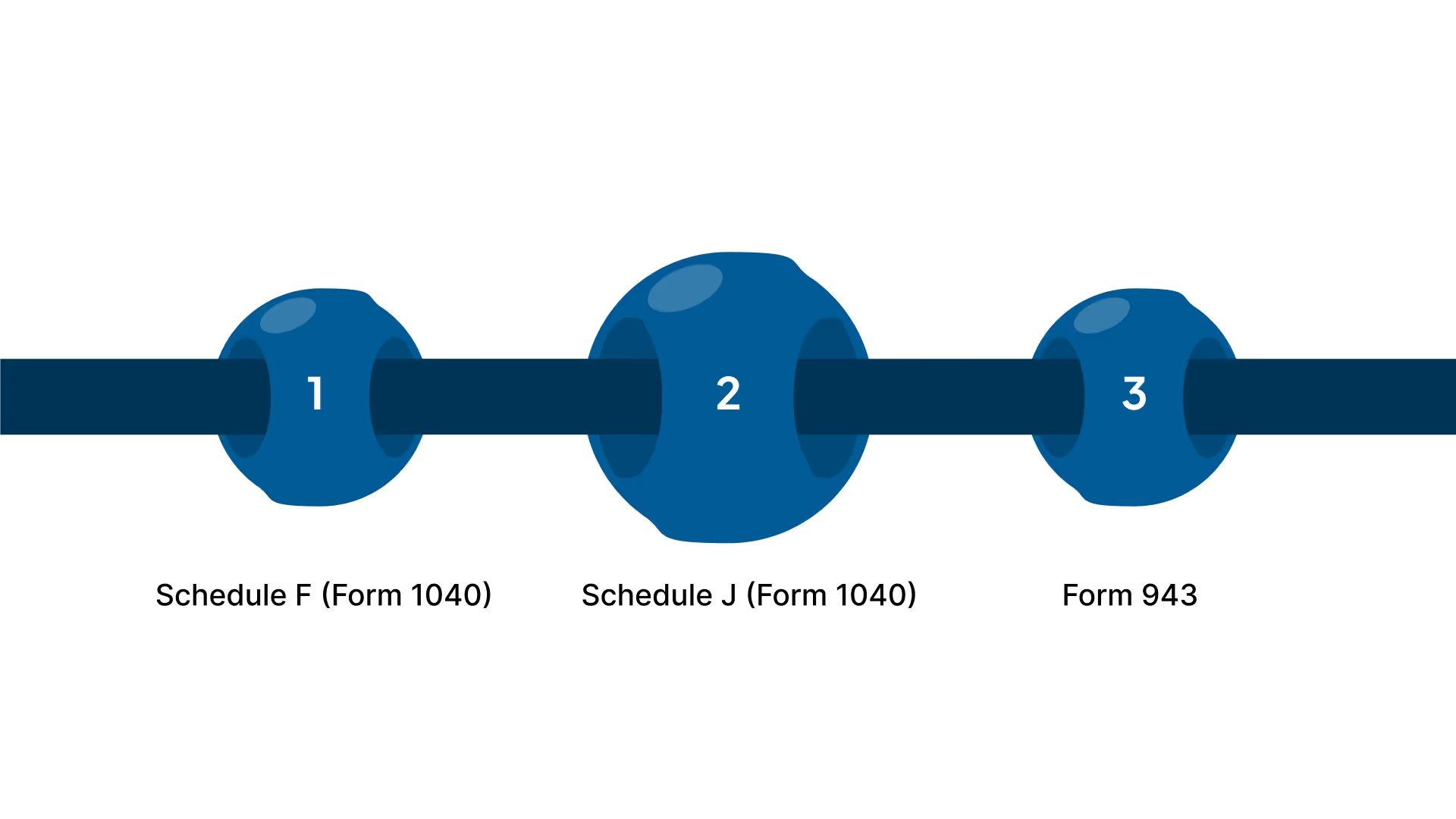
1. Schedule F (Form 1040)
This form reports profit or loss from farming operations. You deduct ordinary and necessary expenses from your farming revenue to calculate taxable income. Proper expense categorization throughout the year simplifies the completion of this form.
2. Schedule J (Form 1040)
This form enables income averaging for farmers and fisherpersons. This provision helps reduce your tax liability by spreading income over multiple years. This method accounts for the significant revenue fluctuations common in agricultural operations.
3. Form 943
This document reports annual federal income tax withheld from agricultural employees. You must file this form if you pay wages to farm workers that exceed specific thresholds. Timely filing and payment avoid penalties and interest charges.
Beyond tax strategy, implementing day-to-day best practices is key to maintaining financial control.
Best Practices For Agriculture Accounting
Implementing disciplined accounting practices ensures accurate financial reporting and supports operational decision-making. These methods provide the structure needed to manage the unique aspects of agricultural financial management.
Follow these established practices to maintain control over your agricultural finances:
1. Implement Accrual Accounting
This method records revenue when earned and expenses when incurred, regardless of cash movement. It provides a more accurate picture of profitability by matching inputs with resulting outputs. This approach effectively captures the complete production cycle of agricultural operations.
2. Maintain Detailed Production Cost Records
Track all inputs and labor against specific crops, livestock, or fields throughout production cycles. Detailed records provide the data needed for accurate cost analysis and profitability assessment. This granular approach supports both operational decisions and tax documentation.
3. Conduct Regular Inventory Valuations
Schedule consistent assessments of crop and livestock inventories using appropriate valuation methods. Accurate inventory records ensure your balance sheet reflects true asset values. Proper valuation also affects your cost of goods sold calculations and taxable income.
4. Reconcile Accounts Monthly
Match all transactions against bank statements and supporting documentation each month. Regular reconciliation identifies discrepancies early when they are easier to resolve. This practice maintains the integrity of your financial records throughout the year.
5. Use Specialized Accounting Software
Implement systems designed to handle agricultural production cycles and inventory requirements. Specialized software provides templates for common agricultural transactions and reporting needs. These tools streamline compliance with industry-specific accounting standards.
Implementing accrual accounting and detailed cost tracking is complex. VJM Global specializes in establishing these disciplined practices for US agriculture businesses. Let us help you build a more accurate financial foundation for your farm or agribusiness. Contact us now.
Even with strong practices in place, agricultural businesses face distinct accounting challenges.
Challenges In Agriculture Accounting
Agricultural operations face several unique accounting difficulties that require specialized knowledge and systems. Understanding these challenges helps you implement effective processes and controls.
These common issues complicate financial management for agricultural businesses:
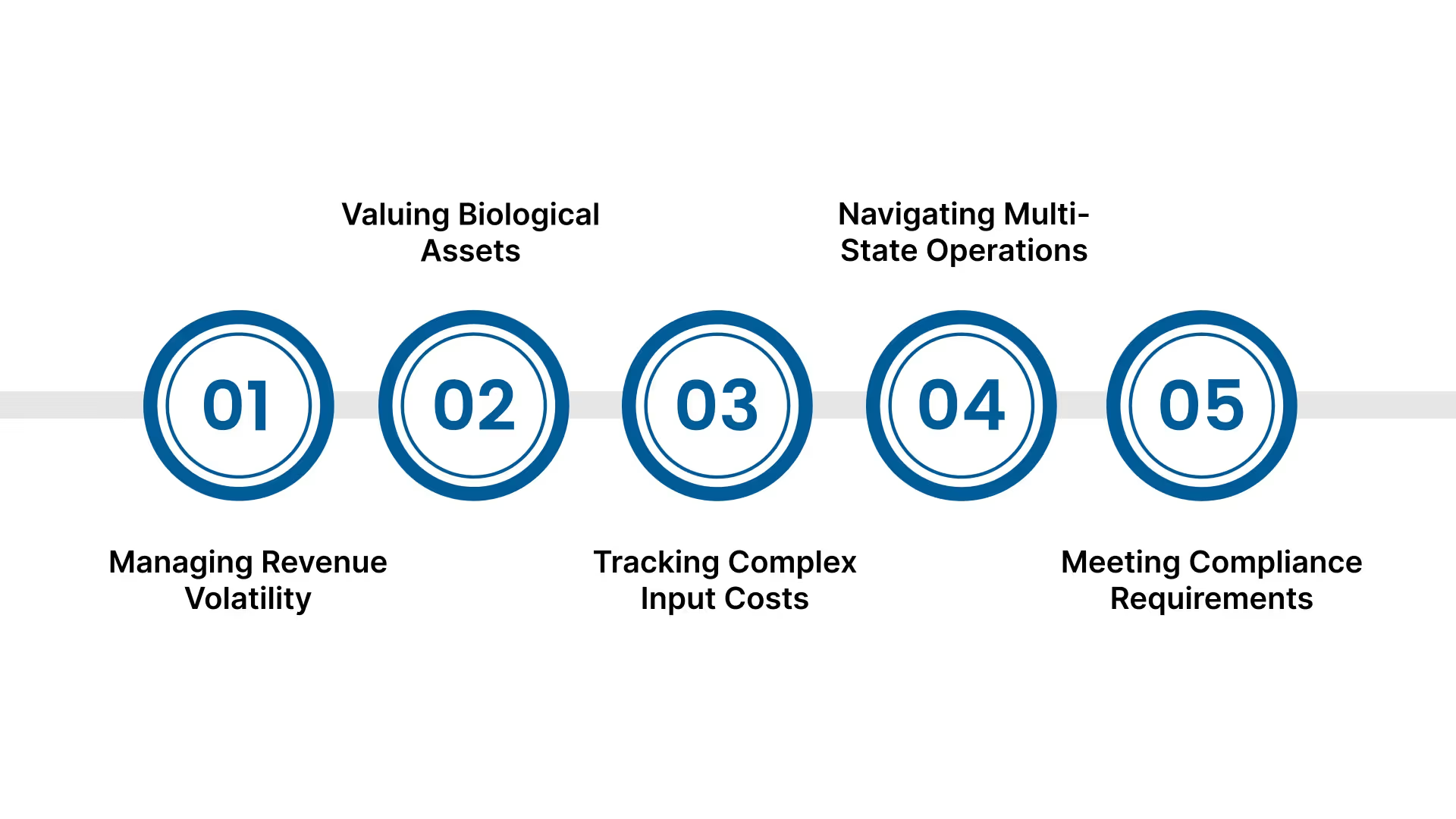
1. Managing Revenue Volatility
Agricultural income fluctuates significantly due to weather conditions, commodity price changes, and yield variations. This volatility complicates cash flow forecasting and financial planning. Effective accounting systems must accommodate these fluctuations while maintaining accurate records.
2. Valuing Biological Assets
Crops and livestock present unique valuation challenges as they grow and change throughout production cycles. Determining accurate values for these assets requires specialized knowledge of agricultural accounting standards. Improper valuation distorts both balance sheet strength and income statements.
3. Tracking Complex Input Costs
Agricultural operations use numerous inputs with costs that must be allocated across multiple production cycles. Properly assigning these expenses to the correct products and accounting periods requires detailed tracking systems. Inadequate cost allocation leads to inaccurate profitability analysis.
4. Navigating Multi-State Operations
Farming businesses operating across state lines face different tax regulations and reporting requirements in each jurisdiction. Compliance complexity increases with each additional state where you conduct business. Accounting systems must accommodate these varying requirements while maintaining consistency.
5. Meeting Compliance Requirements
Agricultural operations must comply with both general accounting standards and industry-specific regulations. Tax provisions like income averaging and agricultural deductions require proper documentation and eligibility verification. Maintaining compliance demands ongoing attention to regulatory changes.
These common challenges highlight the value of partnering with a specialized accounting firm.
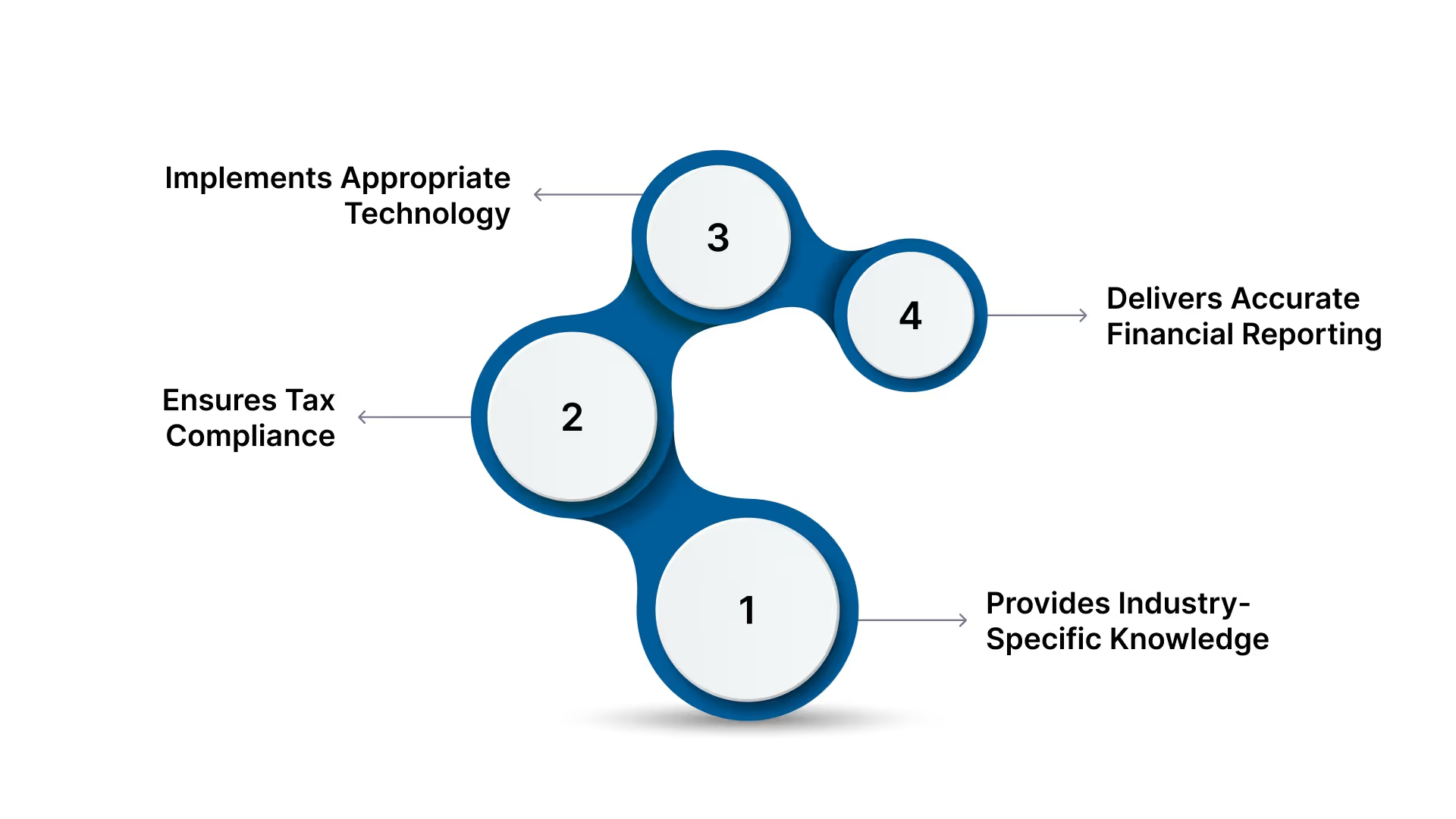
How An Outsourced Accounting Firm Can Help With Agriculture Accounting
Specialized accounting support provides significant advantages for agriculture businesses facing complex financial management challenges. External expertise helps implement systems designed for industry-specific requirements while maintaining compliance.
An experienced accounting firm delivers these benefits:
1. Provides Industry-Specific Knowledge
Specialized accountants understand the unique aspects of agricultural financial management. They implement systems designed for crop cycles, livestock accounting, and commodity valuation. This expertise ensures your accounting practices meet industry standards and best practices.
2. Ensures Tax Compliance
Professional accountants identify all eligible deductions and credits specific to agricultural operations. They prepare and file required forms, including Schedule F and Form 943, accurately and on time. This comprehensive approach minimizes tax liability while maintaining full compliance.
3. Implements Appropriate Technology
Accounting firms help select and configure software designed for agricultural management needs. They establish systems to track production costs, inventory values, and operational metrics. Proper technology implementation provides better data for decision-making while reducing administrative burdens.
4. Delivers Accurate Financial Reporting
Professional accountants produce financial statements that accurately reflect your agricultural operation's performance. They implement proper revenue recognition and expense allocation methods for agricultural cycles. Reliable reporting supports better strategic planning and operational decisions.
How VJM Global Can Help Your Business With Agriculture Accounting Needs
Managing agriculture accounting requires specialized knowledge of industry practices and compliance requirements. Without proper systems, you risk inaccurate reporting, missed deductions, and compliance issues that affect your operation's financial health.
VJM Global provides specialized agriculture accounting services for US businesses. Our team understands the unique aspects of farm financial management and compliance requirements.
Our agriculture accounting services include:
Specialized bookkeeping for agricultural operations using appropriate methods for crop and livestock accounting.
Tax planning and preparation with expertise in Schedule F, income averaging, and agricultural deductions.
Cost accounting systems to track production expenses by crop, field, or livestock enterprise.
Inventory valuation for crops, livestock, and stored commodities using proper accounting methods.
Financial reporting designed for agricultural businesses with relevant operational metrics.
Our approach provides US agriculture businesses with accurate financial information and compliance support. We help you implement systems that capture the data needed for operational decisions and regulatory requirements.
Ensure error-free financial reporting with our seasoned accounting experts.
Conclusion
Effective agriculture accounting provides the financial clarity needed to manage a successful farming operation. Specialized practices address the unique aspects of biological assets, production cycles, and agricultural taxation.
Proper systems deliver accurate data for strategic decisions while maintaining regulatory compliance. VJM Global's expertise in agriculture accounting supports US farming businesses and agribusinesses.
Our understanding of industry-specific requirements helps clients implement appropriate financial systems and controls. Get started today to discuss how our specialized accounting services can support your agriculture business requirements.
Our team provides the industry knowledge and technical expertise needed for your financial management needs.
FAQs
Q. What accounting method should a farm business use?
Most farm businesses use the accrual method for more accurate financial reporting of production cycles. This approach matches revenues and expenses to the correct accounting period. Some smaller operations may qualify for cash basis accounting for tax purposes.
Q. How do you account for crops in process in agriculture accounting?
Crops in process are recorded as biological assets on the balance sheet. You capitalize all direct costs associated with growing the crop until harvest. At the harvest point, these costs transfer to inventory at their fair value.
Q. What tax benefits are available to agricultural businesses?
Agricultural operations may qualify for income averaging, current year deduction of pre-production costs, and capital gains treatment on certain breeding livestock. Specific deductions exist for conservation expenses and fertilizer costs.
Q. How does VJM Global support US agriculture businesses with accounting?
VJM Global provides specialized accounting services for US agriculture businesses from our India-based team. We handle bookkeeping, tax preparation, and financial reporting using our knowledge of US agricultural accounting standards.