


Day to day bookkeeping plays a crucial role in managing your business’s finances. With 82% of businesses failing due to cash flow problems, it’s clear that maintaining accurate financial records is vital to your success. Whether it’s tracking expenses, managing accounts payable and receivable, or preparing financial reports, bookkeeping is an ongoing task that demands accuracy and attention to detail.
In this blog, we will cover the core principles of day to day bookkeeping, including how to set up a system for your business, record transactions, manage cash flow, and avoid common mistakes. This guide will help small business owners understand why bookkeeping is essential and how to refine these processes for efficiency.
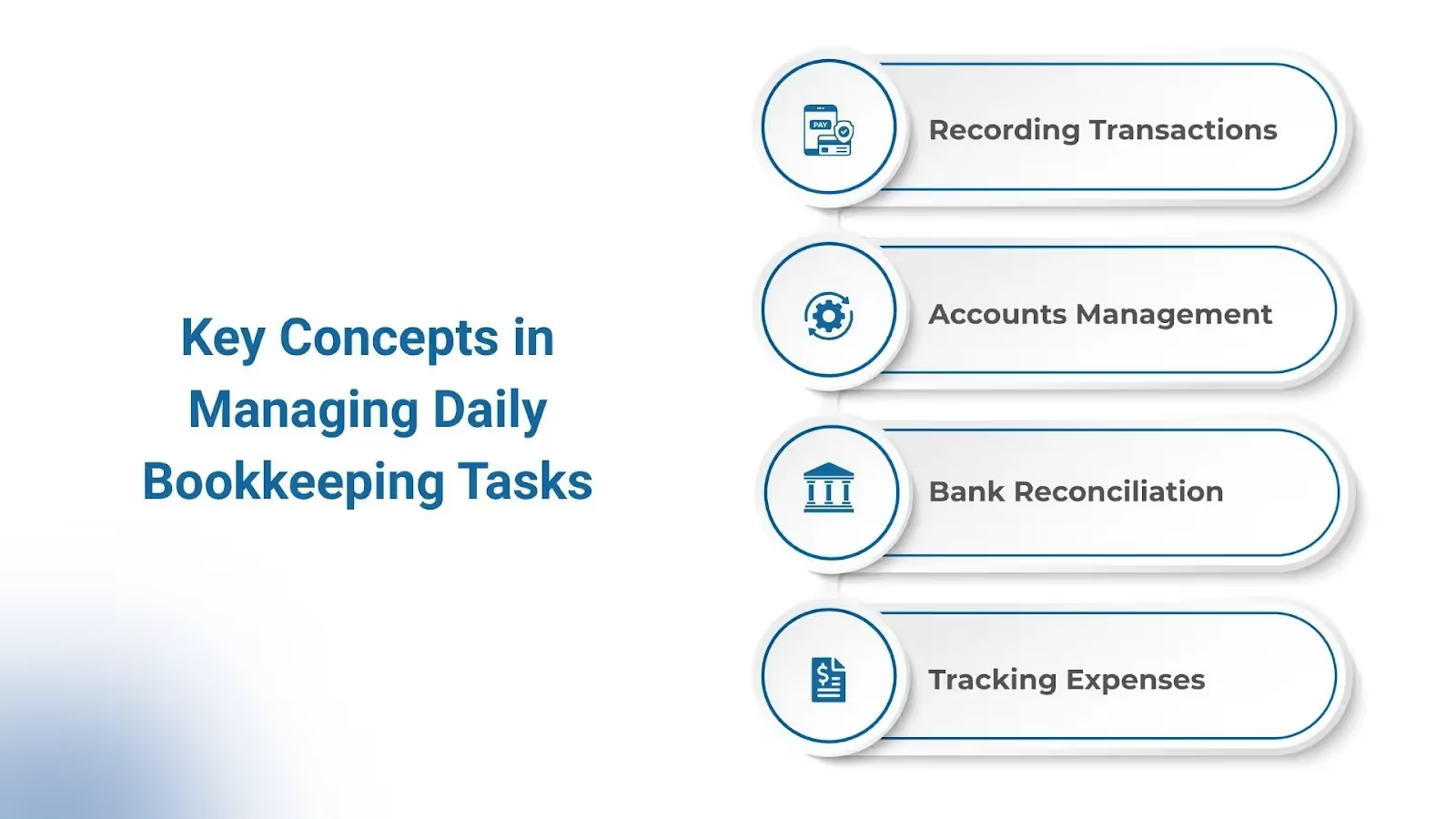
Day to day bookkeeping is essential for small businesses, ensuring that financial data is accurate, organized, and easily accessible for decision making. The core tasks involved in day to day bookkeeping include:
To simplify day to day bookkeeping, many businesses rely on accounting software such as QuickBooks and Xero to automate tracking transactions, reconciling accounts, and generating reports.
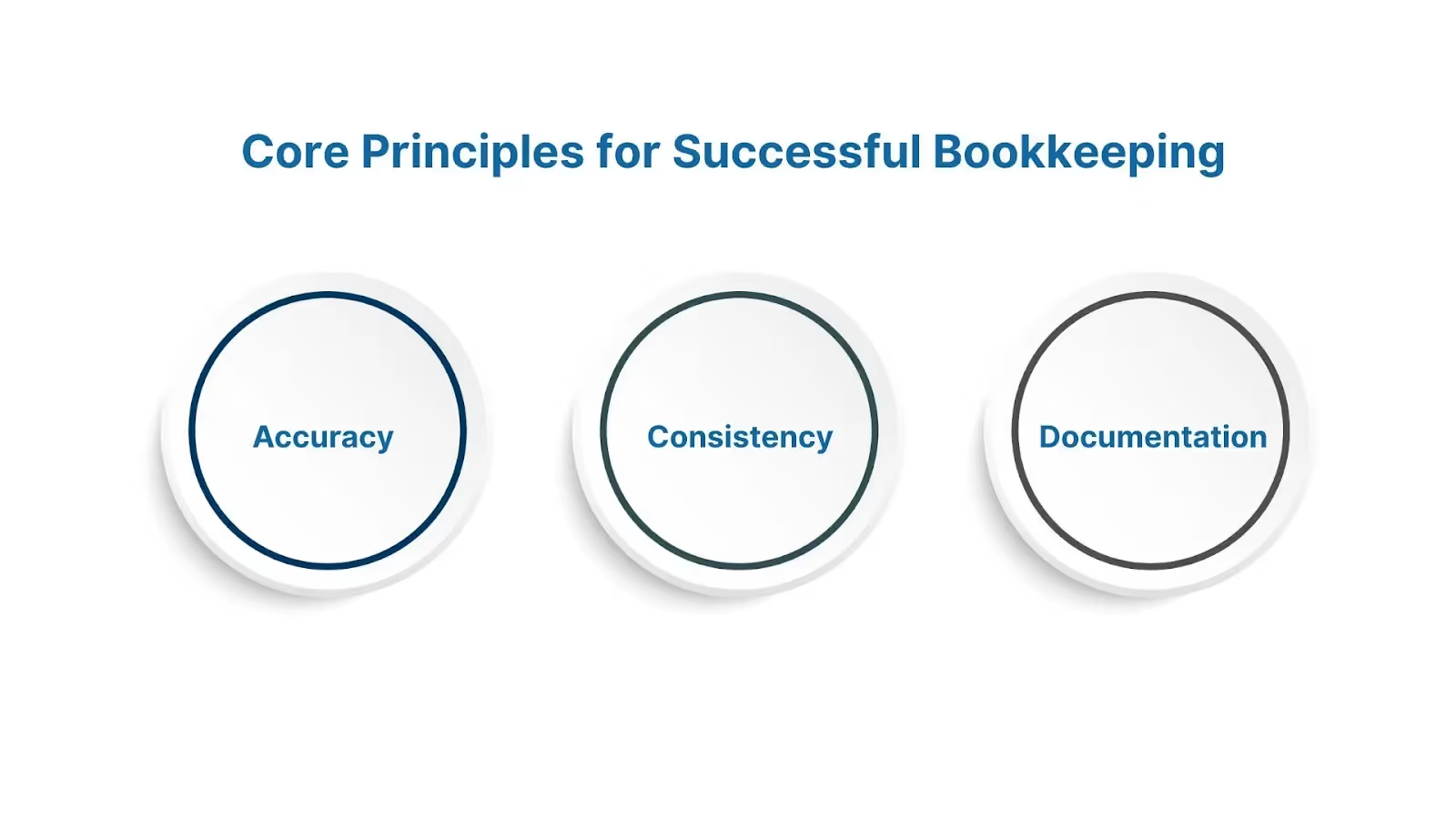
Bookkeeping is the backbone of your business’s financial health, and adhering to key principles can help avoid costly mistakes.
Now that we have a good understanding of the fundamental principles of day-to-day bookkeeping, let's look at how you can set up an efficient bookkeeping system for your business.
Lectura obligatoria: Los 5 principales errores a evitar al elegir servicios de externalización contable para firmas de contabilidad en EE. UU.
A well-structured bookkeeping system is essential for business success, helping keep your financial records accurate and accessible.
Establishing a proper bookkeeping system from the outset ensures that your business’s financial data is well organized and accessible. Here are the key steps to set up an effective bookkeeping system:
In bookkeeping, businesses generally choose between two main accounting methods: cash basis and accrual basis accounting.
The chart of accounts is a system that categorizes all financial transactions of a business. It includes accounts for assets, liabilities, equity, income, and expenses. A well-organized chart of accounts helps ensure that all financial transactions are appropriately classified, making it easier to track financial data, generate reports, and file taxes.
Una parte esencial de la contabilidad es organizar recibos, facturas y otros documentos financieros para garantizar que los registros sean precisos y fáciles de encontrar. Estas son algunas de las mejores prácticas para organizar sus documentos:
Guarde copias digitales de facturas, recibos y contratos en soluciones de almacenamiento en la nube para facilitar el acceso y las copias de seguridad. Esto minimiza el riesgo de perder documentos importantes.
Mantenga los gastos personales separados de los gastos de su negocio utilizando cuentas bancarias y tarjetas de crédito diferentes para las transacciones comerciales.
Adquiera el hábito de actualizar periódicamente sus libros y registros financieros para evitar retrasos y errores, especialmente durante los periodos de mayor actividad.
Una vez que haya configurado su sistema de contabilidad y organizado sus registros financieros, es importante mantenerse al día con las tareas contables diarias para garantizar que todo funcione sin problemas.
Lea también: Cómo iniciar una empresa emergente en la India
La contabilidad diaria es esencial para mantener unas operaciones financieras fluidas en cualquier pequeña empresa. Al registrar correctamente las transacciones, gestionar las cuentas y conciliar sus extractos bancarios, se asegura de que sus datos financieros sean precisos y estén actualizados.
El registro preciso de las transacciones diarias es la base de una buena contabilidad. Ya sea que una transacción sea en efectivo o a crédito, es importante registrar cada detalle correctamente en su sistema contable. Cada venta, compra o pago realizado debe registrarse de inmediato para evitar retrasos.
Un aspecto clave de la contabilidad diaria es la gestión de sus cuentas por cobrar y cuentas por pagar. Las cuentas por cobrar rastrean el dinero que le deben, mientras que las cuentas por pagar rastrean lo que usted debe a otros. Asegurarse de que estos registros se mantengan con precisión ayuda a gestionar el flujo de caja de su empresa y evita pagos atrasados o la pérdida de oportunidades para pagar las facturas a tiempo.
El uso de informes de antigüedad ayuda a realizar un seguimiento de los pagos vencidos. Al identificar las cuentas vencidas, puede tomar medidas para cobrar los pagos rápidamente, reduciendo el riesgo de deudas incobrables. Del mismo modo, supervisar las cuentas por pagar garantiza que las facturas se paguen a tiempo, manteniendo relaciones sólidas con los proveedores y evitando recargos por mora.
La conciliación bancaria es una parte crucial de sus tareas contables diarias. Consiste en comparar los registros financieros de la empresa con el extracto bancario para asegurarse de que ambos coincidan. Una conciliación periódica garantiza que no pase desapercibida ninguna discrepancia. Ayuda a detectar errores, como transacciones omitidas o entradas duplicadas, desde el principio, evitándole problemas mayores más adelante.
Aunque la conciliación diaria es lo ideal para mantener unos libros precisos, como mínimo, debería realizarse semanalmente para evitar que se acumulen errores financieros.
Now that you understand the core day to day tasks involved in bookkeeping, let's explore when it might be time to bring in a professional bookkeeper to handle these responsibilities.
A bookkeeper plays a central role in managing the financial tasks of a business. Their expertise in handling daily bookkeeping ensures that your business stays organized, compliant, and on top of its financial responsibilities.
Small business owners often start out handling bookkeeping themselves, but as the business grows, so do the complexities of managing financial tasks. When basic financial tools or spreadsheets become inadequate, it’s time to hire a bookkeeper. They bring specialized knowledge and tools that allow for more efficient and accurate bookkeeping, which is essential as the volume of transactions increases.
A bookkeeper’s responsibilities go beyond just entering transactions. They ensure that all financial activities are tracked accurately, create reports for tax filings, and maintain compliance with accounting standards. They handle accounts payable and receivable, ensure timely payments, and keep records organized. Depending on the business needs, they will manage weekly, monthly, and quarterly tasks as well.
Por ejemplo:
As essential as it is to hire a bookkeeper, there are certain challenges that come with managing day to day bookkeeping. Let’s explore common pitfalls that businesses should avoid.
Further Read: Online Accounting Services To Transform Business
Managing day to day bookkeeping can be overwhelming for small business owners. Understanding common mistakes and challenges is critical to keeping your financial records in order.
To maintain accurate financial records, it's crucial to avoid common bookkeeping mistakes that could lead to discrepancies or compliance issues. Here are some key pitfalls to watch out for:
Balancing day to day bookkeeping with running a business can be a time consuming task. Without proper systems in place, it can quickly become overwhelming.
Outsourcing bookkeeping tasks to a professional can also alleviate the burden of time management, allowing you to focus on growing your business while ensuring your finances remain organized and compliant.
Effective day to day bookkeeping is essential for any business, as it keeps the financial operations in check, helps you stay compliant, and saves valuable time for entrepreneurs. By accurately recording transactions, managing accounts, and ensuring timely reconciliations, businesses can avoid financial mishaps and focus on growth.
With VJM Global’s expertise, your business can access a range of professional bookkeeping services that align with your financial needs. Whether you are expanding your business internationally or optimizing domestic accounting processes, our team is ready to support your success.
To make sure your business stays on track with its bookkeeping and financial management, contact VJM Global today for expert guidance and assistance.




