


If you’re a small business owner, you might be wondering, “Why hire a bookkeeper?” Well, managing finances can become overwhelming without proper systems in place. In fact, 82% of businesses struggle with cash flow management due to poor financial tracking.
Hiring a bookkeeper ensures that your financial data is accurate, well-organized, and compliant with tax regulations, saving you time and reducing the risk of costly errors.
In this blog, we’ll explain why having a professional bookkeeper is crucial for your small business’s financial success. From understanding the role of a bookkeeper to recognizing warning signs that you need one, we will provide insights into how hiring a bookkeeper can help refine your operations and save you money in the long run.
A bookkeeper plays a crucial role in maintaining the financial stability of a small business. Their primary responsibility is to manage the day-to-day financial operations, which include maintaining accurate financial records, categorizing expenses, tracking accounts receivable and payable, and preparing financial statements.
Bookkeepers are responsible for recording all transactions, ensuring that each one is properly categorized to reflect the true financial position of the business. Unlike accountants, who typically provide more strategic financial guidance, bookkeepers focus on the daily tracking of money, ensuring everything is in order for year-end tax filings and audits.
These tasks are vital for ensuring the accuracy of financial reports, compliance with tax laws, and smooth overall financial operations. Without proper bookkeeping, a small business could face errors, financial confusion, and legal issues with the IRS.
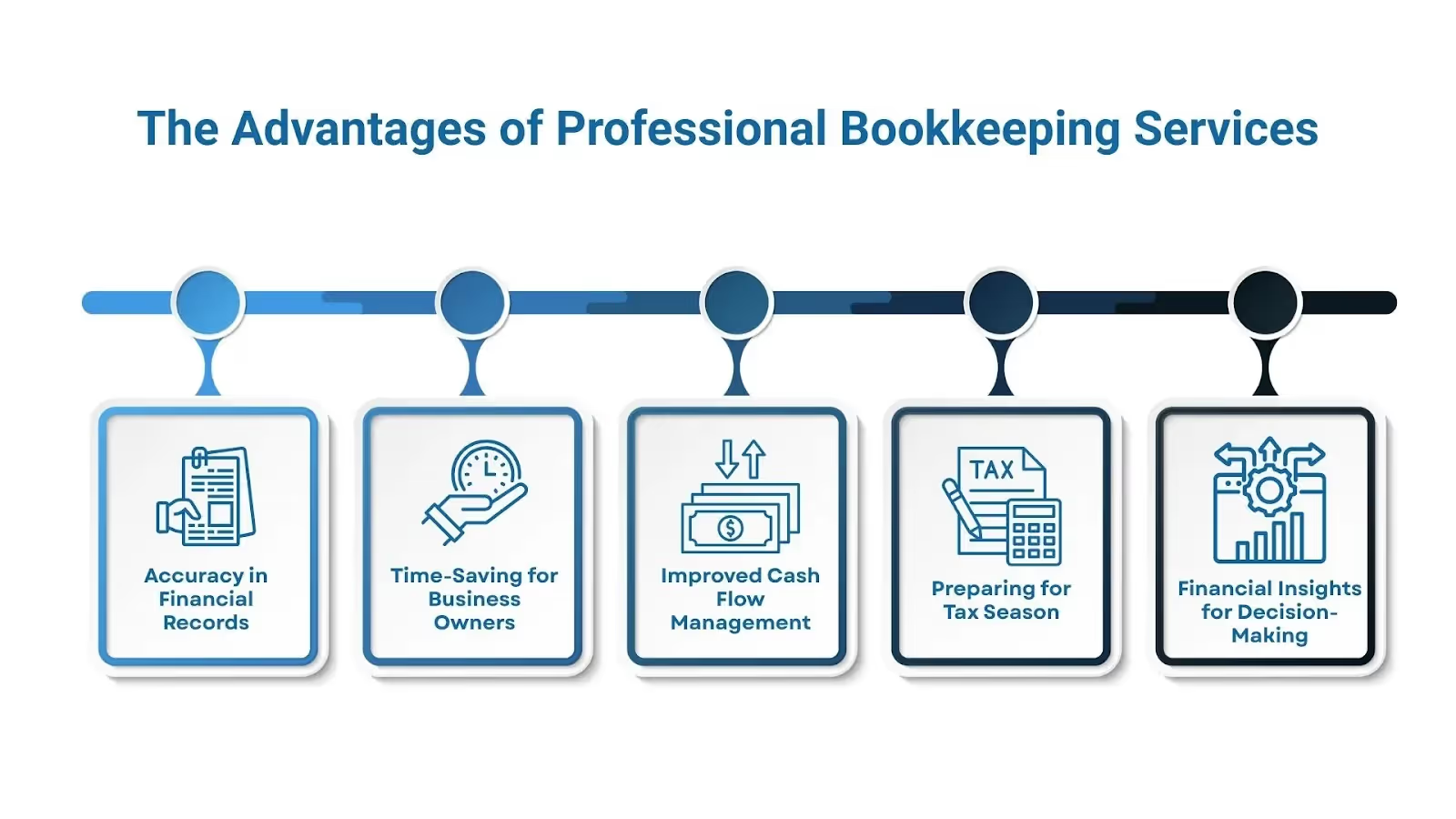
Hiring a professional bookkeeper for your small business offers several key benefits that directly contribute to the business’s financial health and growth.
One of the most crucial benefits of hiring a bookkeeper is maintaining accurate financial records. Bookkeepers ensure that every transaction is properly recorded and categorized, reducing the chances of mistakes that could lead to tax penalties or potential fraud. Accurate records are essential for smooth tax filing and audit preparation, providing peace of mind to business owners during tax season.
As a small business owner, your time is valuable. By hiring a bookkeeper, you can delegate daily financial tasks, which allows you to focus on growing your business. This delegation leads to improved productivity and reduces stress by ensuring that your finances are managed properly without your constant involvement.
Cash flow is the lifeblood of any business. A bookkeeper helps by keeping track of payments, outstanding invoices, and delayed customer payments, ensuring that your business has enough liquidity to meet short-term obligations. They can spot trends in cash flow that require attention, allowing business owners to make timely corrections before small issues turn into larger financial problems.
Tax season can be stressful, but having a bookkeeper ensures that your financial documents are organized well in advance. By maintaining up-to-date records of expenses, revenues, and deductible items, a bookkeeper helps ensure your tax filings are accurate.
Bookkeepers don’t just track transactions, they provide valuable financial insights. Through detailed reports like income statements, balance sheets, and cash flow statements, they offer clear visibility into your business's financial health. These reports help you make informed decisions, especially when it comes to budgeting, forecasting, and managing profits.
Having a bookkeeper can make a significant difference, but how do you know when it’s time to hire one? Let’s discuss the warning signs
Lectura imprescindible: Optimice su éxito con servicios de contabilidad de primer nivel
Gestionar las finanzas de forma eficaz es fundamental para cualquier pequeña empresa, y saber cuándo contratar a un contable puede mejorar significativamente sus operaciones. Si experimenta alguno de los siguientes problemas, es hora de considerar la contratación de un profesional.
Si se siente abrumado por las tareas financieras y estas consumen un tiempo valioso que podría dedicar a hacer crecer su negocio, es una señal clara de que necesita ayuda. Un contable puede encargarse de las actividades financieras diarias, liberándole para que se centre en los aspectos fundamentales de su empresa.
Cuando los registros financieros están desordenados o incompletos, y no puede acceder fácilmente a documentos importantes, esto puede generar confusión y errores costosos. Esta desorganización puede afectar a las declaraciones de impuestos, la planificación financiera y la toma de decisiones. Un contable se asegura de que sus registros estén en orden y sean fácilmente accesibles.
Si su empresa ha incumplido plazos fiscales o ha pagado recargos por demora, un contable puede ayudarle a mantenerse al día con las declaraciones y los pagos de impuestos. Los contables le mantienen organizado y se aseguran de que todo se presente a tiempo, evitando sanciones y multas.
Una vez identificados estos problemas, es esencial actuar con rapidez y encontrar al profesional adecuado para respaldar la salud financiera de su empresa. Veamos ahora cuándo es el momento adecuado para contratar a un contable.
Lea también: Externalización de servicios contables: la clave para el crecimiento empresarial en 2025
Toda empresa atraviesa distintas etapas y, a medida que crece, la necesidad de ayuda profesional se hace más evidente. Contratar a un contable en el momento adecuado garantiza que sus finanzas se gestionen con precisión y cumplan con la normativa fiscal.
En las primeras etapas, los propietarios de pequeñas empresas pueden llevar la contabilidad ellos mismos con programas básicos o hojas de cálculo. Sin embargo, a medida que el negocio crece, la complejidad de las transacciones financieras aumenta. En este punto, externalizar el servicio a un contable profesional se vuelve esencial para mantener el orden y la precisión.
Cuando las herramientas contables básicas o las hojas de cálculo ya no satisfacen las necesidades de su empresa, es una señal clara de que debe contratar a un contable. A medida que su negocio se escala, necesitará a alguien con la experiencia necesaria para gestionar datos financieros más complejos y utilizar programas de contabilidad como QuickBooks o Xero. Un contable puede encargarse de todo, desde la nómina hasta la preparación de impuestos, garantizando que sus finanzas se mantengan correctamente.
En esta etapa, es crucial comprender el valor que un contable aporta a su negocio. Exploremos cómo elegir al profesional adecuado para sus necesidades.
Further Read: Online Accounting Services To Transform Business
Elegir al contable adecuado es un paso vital para garantizar que su empresa permanezca organizada financieramente y cumpla con las leyes fiscales. Estos son los factores clave a tener en cuenta al contratar a un contable.
Look for a bookkeeper with industry-specific knowledge and experience in using relevant accounting software. For instance, if you use QuickBooks, ensure that your bookkeeper is proficient in it. Their experience with your industry can also ensure they understand the unique financial challenges your business faces.
While it’s important to consider the cost of hiring a bookkeeper, don’t lose sight of the long-term value they bring. A bookkeeper ensures accurate financial records, timely tax filings, and financial peace of mind, which can save you from costly mistakes down the road. The time you save allows you to focus on growing your business.
A good bookkeeper must be trustworthy, organized, and able to explain financial concepts clearly to business owners. You need someone who communicates well and makes complex financial issues easy to understand, ensuring you're always in the loop about your business’s financial status.
Hiring the right bookkeeper ensures that your finances are in good hands, leaving you with more time and peace of mind to focus on other aspects of your business. Now, let’s move on to explore the warning signs that suggest you may need to hire a bookkeeper sooner rather than later.
Hiring a bookkeeper is essential for maintaining the financial health of your small business. By ensuring accurate financial records, timely tax filings, and organized accounts, bookkeepers help avoid costly errors and compliance issues. Outsourcing your bookkeeping not only saves time but also enables business owners to focus on growth, knowing that their finances are in capable hands.
VJM Global is here to assist with all your bookkeeping needs. Whether you need help with day-to-day tasks or long-term financial planning, our expert team offers tailored services that fit your specific business requirements.
Reach out to VJM Global today to learn how we can simplify your business’s bookkeeping, keeping it organized and compliant while supporting your growth.




