

Cuando se trata de impuestos estratégicos, las empresas que planifican con antelación tienen mucho más éxito a la hora de minimizar sus obligaciones fiscales y garantizar un crecimiento financiero a largo plazo. De hecho, las empresas que implementan estrategias fiscales ahorran cantidades significativas en el pago de impuestos, lo que les permite reinvertir ese capital en su crecimiento.
En este blog, exploraremos cómo la planificación fiscal ayuda a reducir la carga impositiva, mejorar el flujo de caja y fomentar la sostenibilidad financiera. Desde comprender la importancia de elegir la estructura fiscal adecuada hasta maximizar las deducciones y créditos, este blog ofrece información práctica que todo propietario de negocio debería conocer.
La planificación fiscal estratégica implica gestionar de forma proactiva las obligaciones fiscales de su empresa para minimizar la carga impositiva cumpliendo siempre con la ley. Va más allá de la simple presentación de impuestos, ya que se centra en identificar oportunidades de ahorro, estructurar las actividades empresariales de manera eficaz y aplicar deducciones, créditos y estrategias de temporalidad.
A diferencia del cumplimiento fiscal básico o la presentación estándar, que garantizan que usted cumpla con sus obligaciones, la planificación fiscal estratégica busca activamente reducir su base imponible mediante estrategias específicas.
La planificación fiscal es crucial para las empresas porque influye directamente en el crecimiento financiero, la escalabilidad y la rentabilidad a largo plazo. Al planificar estratégicamente, las empresas pueden optimizar su flujo de caja, reducir pagos de impuestos innecesarios y asignar recursos de manera más eficiente.
Mientras que la planificación fiscal es legal y necesaria para que cualquier empresa garantice su éxito financiero, la evasión fiscal no lo es. La planificación fiscal implica utilizar medios legales para reducir las obligaciones tributarias aprovechando los créditos, deducciones y exenciones previstos en el código fiscal.
Por otro lado, la evasión fiscal implica manipular las actividades financieras para eludir el pago de impuestos, a menudo mediante vacíos legales o métodos poco éticos, lo que puede derivar en sanciones y consecuencias legales.
Ahora que comprendemos los conceptos básicos de la planificación fiscal estratégica, exploremos los componentes clave que conforman una estrategia fiscal eficaz.
Lectura recomendada: Externalización de servicios contables: la clave para el crecimiento empresarial en 2025

Una estrategia fiscal integral y eficaz se basa en comprender la estructura de su empresa, maximizar las deducciones y alinear la planificación fiscal con la gestión del flujo de caja. Estos componentes trabajan en conjunto para ayudar a las empresas a minimizar sus obligaciones fiscales, mejorar su estabilidad financiera y respaldar el crecimiento a largo plazo.
La estructura de su empresa (ya sea LLC, C-Corp o S-Corp) tiene importantes implicaciones fiscales.
Maximizar los créditos y deducciones fiscales disponibles es una parte fundamental de la planificación fiscal estratégica. Algunos de los más valiosos para las empresas emergentes incluyen:
Aligning tax strategies with cash flow management is essential for minimizing liabilities and ensuring that funds are available when needed. For example, by deferring income recognition to a future tax year, businesses can manage tax payments and maintain liquidity.
Similarly, accelerating deductions or capitalizing on tax credits in the current year can help reduce taxable income and improve cash flow in the short term.
Now that we have a clearer understanding of the key components of tax planning, let's explore some of the most effective tax strategies that U.S. businesses can implement.
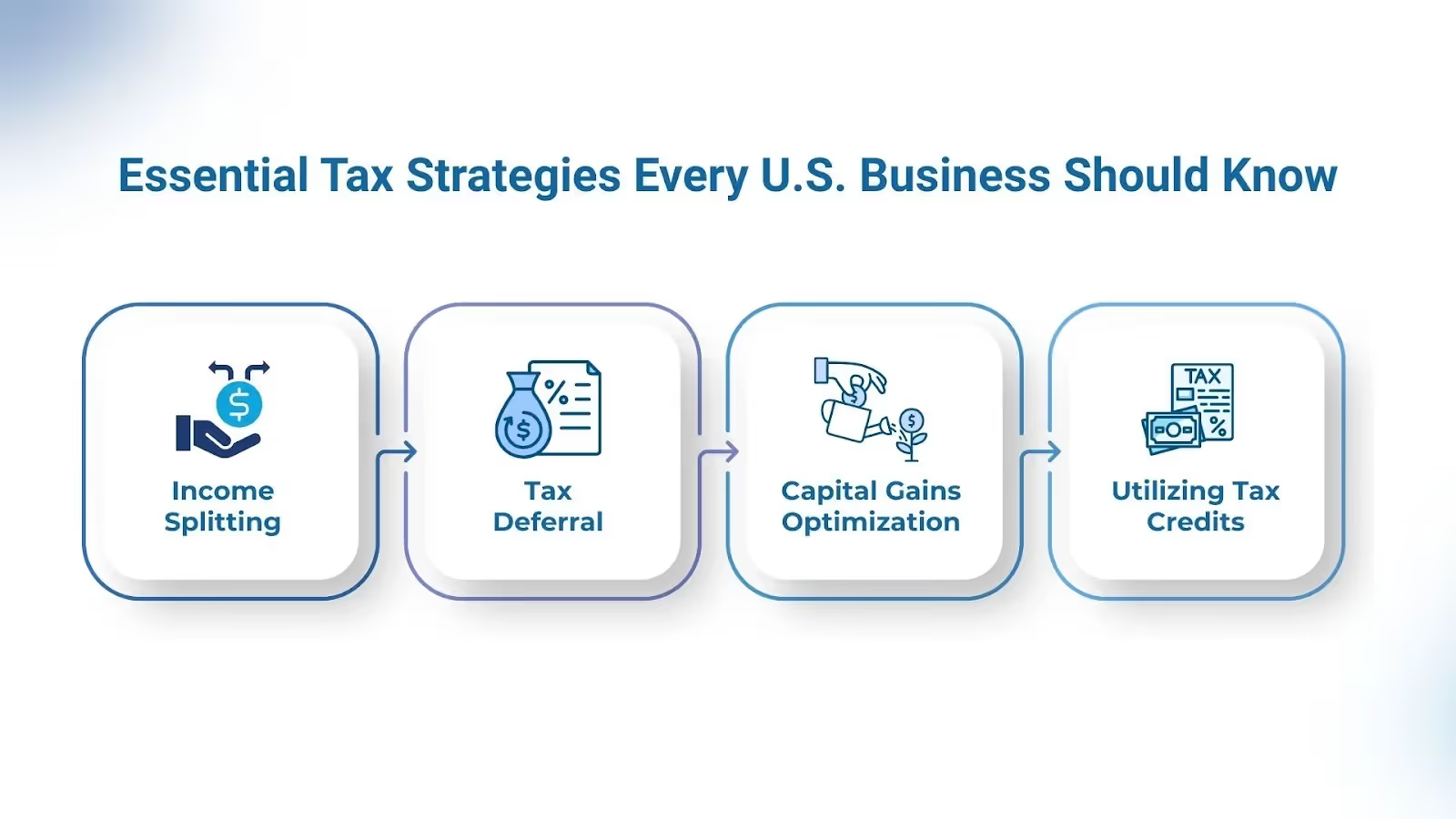
For U.S. businesses, strategic tax planning can significantly reduce tax liabilities, increase cash flow, and improve overall financial performance.
Income splitting is a tax strategy where business owners distribute income among multiple individuals such as family members or business partners, who may be in lower tax brackets. This method helps reduce the overall tax burden on the business. It’s particularly beneficial for businesses operating as partnerships or S-corporations, where profits are passed through to the owners’ personal tax returns.
Deferring taxes to future periods allows businesses to retain more capital for current use, which is especially beneficial for startups or those in growth stages. Tax deferral strategies can include postponing income recognition or accelerating business expenses.
For example, a business may defer income by postponing billing until the next tax year, or it can accelerate deductions by purchasing equipment or inventory before the year ends.
Capital gains taxes are typically lower than regular income taxes, and there are strategies that businesses can use to reduce their liability. One of the simplest methods is to hold investments or assets for more than a year before selling them. This qualifies the gains for long-term capital gains rates, which can be significantly lower than ordinary income tax rates.
Tax credits directly reduce the amount of tax owed and can provide a substantial financial benefit. Businesses can take advantage of various credits, such as:
With these strategies in mind, it’s important to understand how tax planning services can help ensure your business remains on track, compliant, and well-prepared for the future. Let’s explore how consulting a tax professional can provide value for your business.
Lea también: Servicios de contabilidad en línea para transformar su negocio
Tax planning services provide businesses with expert advice, guidance, and support in structuring their tax affairs to maximize savings and ensure compliance.
Tax planning services provide expert advice to businesses on tax-saving strategies and ensure that their financial operations comply with the latest tax regulations. Tax professionals can identify areas where the business can reduce its tax burden through deductions, credits, and tax-deferred strategies, optimizing overall profitability.
Proactive tax planning can also help businesses prepare for audits. By ensuring that all tax records are accurate, complete, and compliant, tax professionals can reduce the risk of triggering an audit. They can also provide guidance on maintaining documentation, which is essential in the event of an audit, and ensure that the business is fully prepared to respond to any inquiries from tax authorities.
Every business is unique, and so are its tax needs. Tax planning services can create customized solutions that align with a company’s specific industry, size, and operational structure. Whether it’s a startup, a tech company, or a manufacturing firm, tax strategies can be tailored to ensure that businesses maximize their tax benefits while minimizing liabilities.
While effective tax planning is essential, businesses must also avoid certain mistakes that could undermine their tax strategies. Let’s look at some common tax planning mistakes U.S. businesses should avoid to stay compliant and efficient.
When it comes to strategic taxes, many businesses miss out on opportunities to optimize their tax strategy, often due to common mistakes. Avoiding these errors is essential for maximizing savings and ensuring compliance with both federal and state regulations.
Failing to plan taxes throughout the year can result in higher tax liabilities and missed opportunities for deductions. Tax planning should be an ongoing process rather than a last-minute scramble before filing season.
State-specific taxes can vary greatly, and businesses must understand the tax regulations in each state where they operate. Many companies focus on federal taxes but neglect state taxes such as sales tax, payroll tax, and franchise tax.
Many startups and small businesses fail to take full advantage of available tax credits. For instance, the Research and Development (R&D) Tax Credit, Work Opportunity Tax Credit (WOTC), and credits for energy-efficient investments can significantly reduce a company’s tax burden.
Now that we’ve covered common tax mistakes, let’s explore how VJM Global can help your business navigate these challenges and optimize your tax strategy.
VJM Global specializes in helping international businesses optimize their tax strategies, ensuring compliance with international regulations. With deep knowledge of international tax systems, VJM Global helps companies structure their operations to minimize tax liabilities while maximizing savings.
VJM Global offers customized tax planning services that align with the specific needs of your business. Whether you need guidance on choosing the right business structure, restructuring, maximizing deductions and credits, audits, or implementing strategies for tax deferral, VJM Global provides the expert advice necessary to make informed decisions and optimize your tax position.
For businesses expanding to or operating in India, VJM Global offers smooth compliance services. They help companies manage cross-border tax considerations, ensuring adherence to Indian tax regulations while maintaining full compliance with U.S., Australia, Singapore, UK, and UAE laws. Their expertise ensures that your business operations in both countries are tax-efficient and legally compliant.
Si desea asegurarse de que su empresa maximice su ahorro fiscal y minimice sus obligaciones, contáctenos hoy mismo para una consulta.




