


As a small business owner, you're already juggling many responsibilities, such as managing operations, growing your brand, and ensuring customer satisfaction. It's easy for certain tasks to slip through the cracks in the midst of everything. However, one thing you cannot afford to overlook is accounting. Without it, your business risks losing its financial health, compliance, and growth potential.
So, how can you effectively manage accounting for your small business? In this guide, we will show you the key steps to set up a reliable accounting system that works for you, ensuring your business remains profitable and on track.
Accounting for a small business is more than just keeping track of expenses and profits. It's the backbone of your business's financial health, providing crucial insights into your financial standing. Proper accounting helps you understand where your money is coming from and where it’s going, and it can help you make informed decisions to ensure long-term success.
At its core, small business accounting helps you monitor your cash flow, track profitability, and identify areas where you may be overspending or losing money. With this information, you can make strategic decisions that influence everything from pricing to hiring to expansion plans. But it doesn’t stop there. Good accounting also ensures you're compliant with financial regulations, reduces the risk of errors that could lead to penalties, and helps you build a solid reputation with stakeholders, investors, and even the IRS.
When it comes to small business accounting, there are many things you need to take care of. Let’s take a closer look at the key things you need to know.
Bookkeeping is the foundation of your financial system as it records every transaction that happens in your business, from sales and purchases to payments made and money received.
The more accurately you keep your records, the better your ability to analyze cash flow, prepare for tax season, and make data-driven decisions about where to allocate resources. Regular bookkeeping helps you avoid surprises and ensures that your financial picture is up to date at all times.
Ensuring that your permanent and contract employees are paid on time and correctly is a major responsibility. Payroll processing includes calculating wages, withholding taxes, issuing paychecks, and ensuring compliance with federal, state, and local tax laws.
It also involves understanding different payment structures, such as hourly versus salaried employees, and providing you with an offer of benefits and incentives as needed. A smooth payroll process keeps your team happy and your business running without interruptions.
Financial reports summarize your economic activities and offer a snapshot of your business’s performance. Common financial reports include income statements, which show your profits and losses, balance sheets, which display your assets and liabilities, and cash flow reports, which highlight the money flowing in and out of your business. These reports are necessary for making informed decisions and are critical for investors or lenders to assess your business's stability.
Keeping track of tax deadlines and filing your taxes correctly is one of the most important aspects of accounting for small businesses. Missteps in tax filing can lead to fines, penalties, or an audit.
Accounting helps you track deductible expenses throughout the year, estimate quarterly tax payments, and file your tax returns accurately. Whether you're a sole proprietor or a corporation, understanding your business's tax obligations and having a system in place to meet them will save you from unnecessary headaches and potential financial strain.
Now that we know why accounting is so crucial, let’s explore how to set up a solid accounting system for your business.
あわせて読みたい:米国における会計アウトソーシングサービス
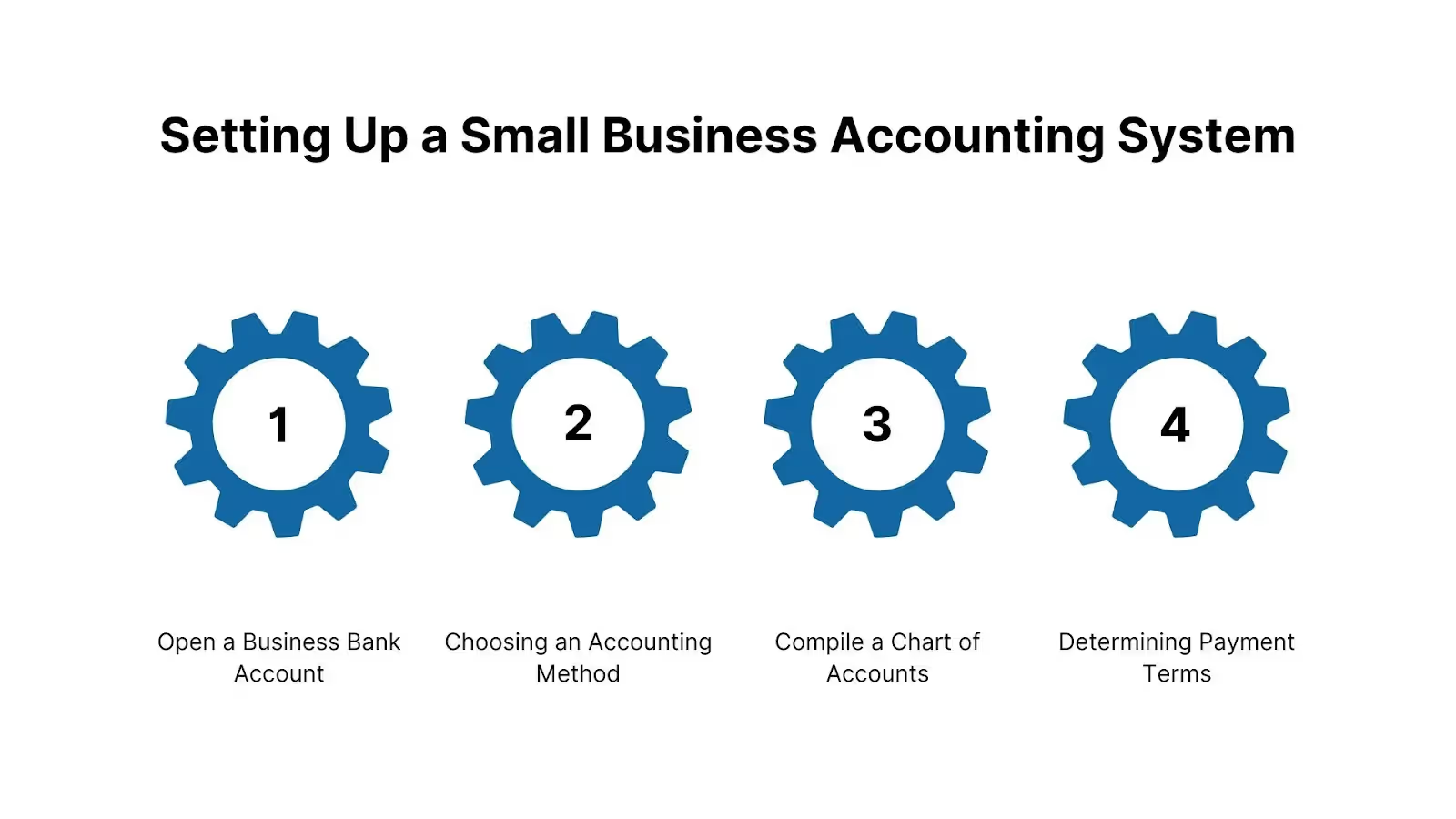
Setting up a solid accounting system is crucial for keeping your finances organized and ensuring your business runs smoothly. A structured approach will lay the foundation for accurate financial tracking and help you manage cash flow, taxes, and reports more effectively.
Before you even start tracking expenses and income, it's essential to have a dedicated business bank account. It separates your personal and business finances, simplifying everything from tax filing to financial tracking. Plus, it makes your business appear more professional, which is always a bonus when dealing with clients or investors. Go for an account that aligns with your business needs, offering features like low fees and easy access to business-related tools.
会計方法には、大きく分けて「現金主義」と「発生主義」の2つの選択肢があります。
勘定科目表とは、ビジネスの取引を分類するために使用するすべてのアカウントを一覧にしたものです。資産、負債、純資産、収益、費用を整理して管理するのに役立ちます。会計システムの骨組みであり、すべての会計業務の基盤となるものです。
支払条件を決定することも重要です。30日以内の支払い、前払い、あるいはその中間の条件など、どのように、いつ支払いを受けるかを明確に定義することで、キャッシュフローを安定させ、予測しやすくすることができます。
基本的な準備が整ったら、次は帳簿管理システムを構築します。詳しく見ていきましょう。
あわせて読みたい:経理アウトソーシングで財務を効率化する
効率的な帳簿管理システムを構築することは、適切な財務記録を維持し、ビジネスを円滑に運営するために不可欠です。自分で管理する場合でも、専門の経理担当者を雇う場合でも、重要なのは一貫性と正確性です。帳簿を整理しておくことで、コンプライアンスを遵守できるだけでなく、情報に基づいた意思決定を行い、成長を促進するための貴重な洞察を得ることができます。
帳簿管理とは、ビジネスにおけるすべての金銭取引を記録するプロセスです。これには、事務用品、光熱費、従業員の給与といった日常的な経費から、設備購入や売上といった大きな取引までが含まれます。適切な帳簿管理は、財務状況を把握するだけでなく、確定申告、融資の申請、正確な財務諸表の作成に不可欠な記録となります。
事業計画と予算に基づき、自分で管理するか、専門家に依頼してコア業務に集中するかを決定しましょう。
自分で帳簿管理を行う場合、役立つソフトウェアが多数存在します。これらを利用することで、管理をよりシンプルかつ効率的に行えます。ソフトウェアは、請求書発行、経費追跡、財務レポート作成などの定型業務を自動化します。場所を選ばずに財務を管理でき、記録を整理していつでもアクセスできるという利点もあります。こうしたツールを活用すれば、時間の節約と人為的ミスの削減につながります。
一方で、帳簿管理が難しいと感じる場合は、専門の経理担当者に依頼するのが適切な選択かもしれません。訓練を受けた経理担当者は、細部まで対応し、記録の正確性と最新性を維持します。また、財務システムにおける潜在的な問題や非効率性を特定し、コスト削減や税務上のリスク回避をサポートしてくれるでしょう。
アウトソーシングには費用がかかりますが、安心感を得られ、ビジネスの他の領域に集中できるようになります。VJM Globalでは、小規模ビジネス向けの会計サービスや、お客様のビジネスに合わせた個別コンサルティングを提供しており、皆様のサポートが可能です。
ソフトウェアを使用する場合でも、専門家に依頼する場合でも、正確性が鍵となります。財務記録のわずかなミスであっても、高額な追徴課税、控除の漏れ、不正確な財務報告につながる可能性があります。帳簿を適切に管理することは、コンプライアンスの維持だけでなく、ビジネスの長期的な成長を支えるための的確な判断を下すために必要な洞察をもたらします。
帳簿管理が完了したら、次は経費の追跡です。小規模企業における経費追跡の重要性について見ていきましょう。
Expense tracking is a vital aspect of small company accounting that can significantly impact your business’s financial health. Without accurate tracking, you risk overlooking deductions during tax season or misinterpreting your cash flow, which can lead to economic mismanagement and missed opportunities for savings.
Every dollar spent in your business matters. By diligently tracking your expenses, you not only ensure that you’re staying within budget but also that you’re identifying areas where you can reduce costs. More importantly, tracking expenses enables you to claim all available tax deductions, which can provide substantial savings at the end of the year. The more thorough you are, the better prepared you’ll be when it comes time for tax filing, helping to reduce your taxable income and maximize deductions.
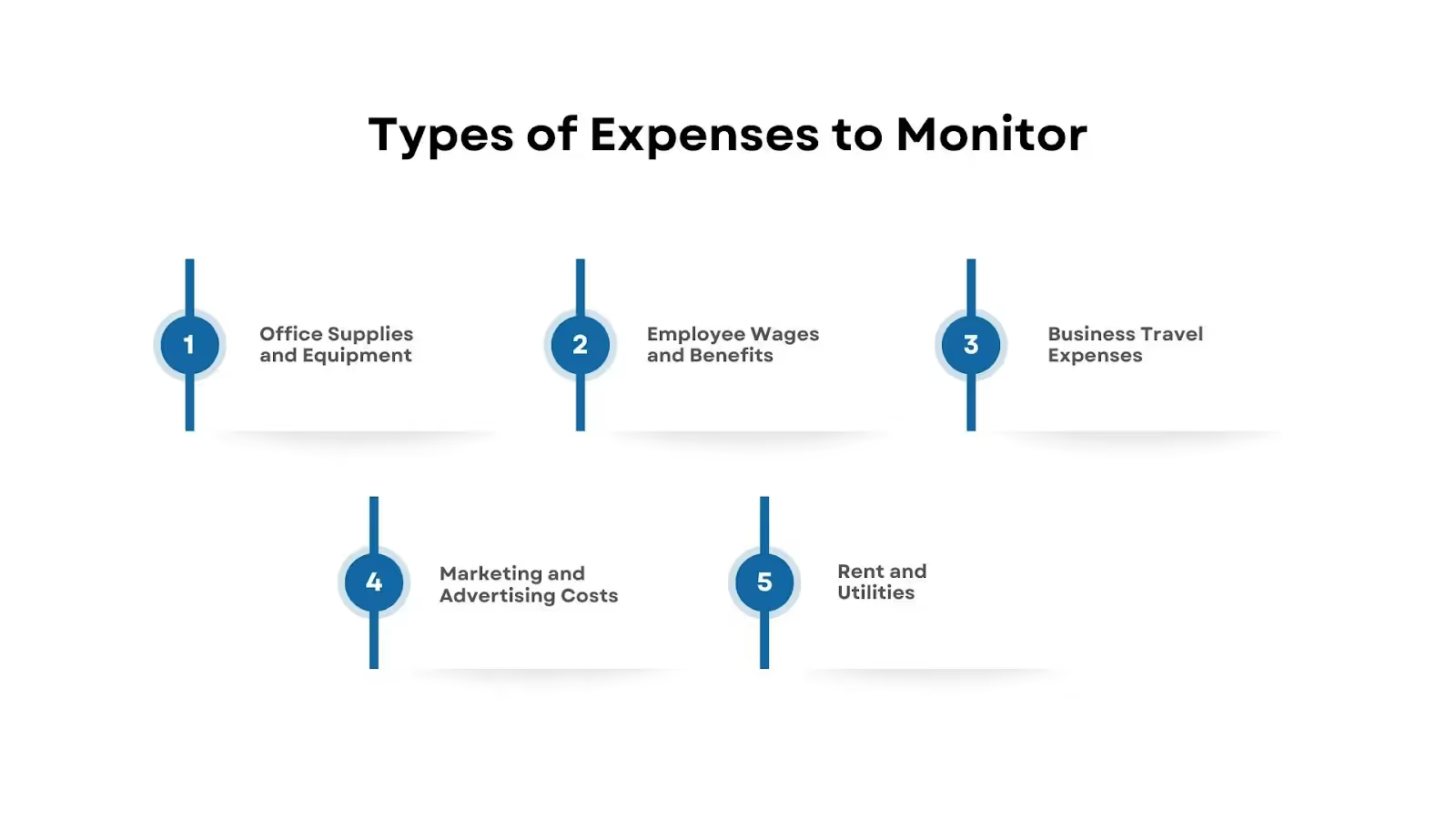
There are several types of business expenses that should be tracked regularly to maintain a clear financial picture. These can be broken down into categories such as:
Thanks to modern tools, tracking expenses doesn’t have to be complicated. Expense tracking software or apps can simplify the process by allowing you to scan receipts, sync your bank accounts, and categorize expenses in real time. Software can help automate much of the process, saving you time and ensuring accuracy.
For those who prefer to stick with paper records, it’s still important to keep receipts, invoices, and statements organized in a filing system. Make sure to sort them by category and store them in a way that makes them easy to retrieve when needed. While manual tracking can be more time-consuming, it’s essential to maintain organization to avoid costly errors during tax season or when assessing your business’s financial health.
By consistently monitoring your business expenses, you ensure that you’re not only staying on top of your financial obligations but also uncovering opportunities for savings and smarter financial decisions.
A significant part of your expense tracking is a proper system in place for payroll. Let’s understand it better.
Also Read: Features of Online Accounting Services To Transform Business
Managing payroll is one of the most important aspects of small business accounting. It’s not just about issuing paychecks; it ensures your permanent staff and contractors are paid correctly and on time, while also meeting all legal and tax requirements. A well-run payroll system helps you avoid compliance issues, maintain employee satisfaction, and stay organized.
A critical component of payroll management is correctly distinguishing between employees and contractors, as they are treated differently for tax and legal purposes.
Misclassifying staffers as employees or contractors can lead to significant compliance issues and potential fines, so it’s essential to understand the difference and classify workers correctly from the outset.
Payroll goes beyond simply issuing paychecks. As a business owner, you have several legal obligations to ensure compliance with federal and state labor laws, including:
By staying on top of these obligations, you ensure compliance with tax laws and avoid expensive penalties.
Also Read: Why Choose an Outsource Accounting Firm for Your Business?
Tax filing and compliance are crucial aspects of running a small business. Depending on your business structure and activities, your tax obligations will vary. Understanding these obligations is critical to avoid penalties, reduce tax liabilities, and ensure compliance with IRS requirements. Proper tax management allows you to focus on growth without worrying about costly mistakes or audits.
Your business structure (LLC, sole proprietorship, corporation) directly impacts how you are taxed. It’s important to choose the right structure based on your financial goals, liability concerns, and tax preferences.
It is strongly advised to consult a tax professional to effectively navigate these complexities and optimize tax decisions for your business. Let’s understand how VJM Global can help you with accounting and tax consultations.
Keeping up with bookkeeping, payroll, expenses, and taxes is critical for ensuring a healthy financial future and staying compliant with regulations. However, as a business owner, you might not have the time or resources to handle it all on your own. That’s where VJM Global comes in.
We offer a broad range of services, including bookkeeping, tax filing, payroll management, and financial reporting. We understand that every business is distinctive, which is why we offer personalized solutions to fit your precise needs. Whether you need help arranging your financial records, managing payroll, or staying on top of tax deadlines, our team of experts is here to support you.
By partnering with VJM Global, you’ll gain more than just accounting services; you’ll have a trusted advisor who understands the financial challenges small businesses face and is dedicated to helping you grow.
Let VJM Global handle your accounting needs, giving you peace of mind and the support you need to drive your business forward. Contact us today to get started!

.avif)


