


戦略的な税務対策において、先を見越した計画を立てている企業は、納税額を最小限に抑え、長期的な財務成長を実現する可能性がはるかに高くなります。実際、適切な税務戦略を導入している企業は、多額の納税コストを削減できており、その資金を成長のための再投資に回すことができています。
本ブログでは、税務計画がどのように税負担を軽減し、キャッシュフローを改善し、財務の持続可能性を促進するのかを探ります。適切な税務構造の重要性の理解から、税額控除や経費控除の最大化まで、すべての経営者が知っておくべき実践的な知見を提供します。
戦略的税務計画とは、法令を遵守しながら納税額を最小限に抑えるために、企業の税務義務を能動的に管理することです。単なる確定申告にとどまらず、節税機会の特定、効果的な事業構造の構築、そして控除や税額控除、タイミング戦略の適用に重点を置いています。
納税義務を果たすための基本的な税務コンプライアンスや通常の申告とは異なり、戦略的税務計画は、ターゲットを絞った戦略を通じて課税所得を積極的に減らすことを目指します。
税務計画は、企業の財務成長、拡張性、そして長期的な収益性に直接影響を与えるため、企業にとって極めて重要です。戦略的に計画を立てることで、企業はキャッシュフローを最適化し、不要な納税を減らし、リソースをより効率的に配分できるようになります。
税務計画は、企業の財務的成功を確実にするために合法的かつ必要なものですが、脱税はそうではありません。税務計画とは、税法で認められた税額控除や経費控除、免税措置を活用し、合法的な手段で納税額を減らすことを指します。
一方、脱税とは、法の抜け穴や非倫理的な手法を用いて税金を免れるために財務活動を操作することを指し、これには罰金や法的責任が伴う可能性があります。
戦略的税務計画の基本を理解したところで、効果的な税務戦略を構成する重要な要素を探っていきましょう。
必読:経理業務のアウトソーシング:2025年のビジネス成長の鍵

包括的かつ効果的な税務戦略は、事業構造の理解、控除の最大化、そして税務計画とキャッシュフロー管理の整合性を図ることで構築されます。これらの要素が組み合わさることで、企業は納税額を最小限に抑え、財務の安定性を高め、長期的な成長を支えることができます。
LLC(合同会社)、C-Corp(株式会社)、S-Corp(S型法人)など、事業構造によって税務上の影響は大きく異なります。
利用可能な税額控除や経費控除を最大化することは、戦略的税務計画の重要な部分です。スタートアップにとって特に価値のあるものには以下が含まれます。
税務戦略をキャッシュフロー管理と整合させることは、納税額を最小限に抑え、必要な時に資金を確実に確保するために不可欠です。例えば、収益の計上を翌課税年度に繰り延べることで、企業は納税額を調整し、流動性を維持することができます。
同様に、控除を前倒ししたり、当年度の税額控除を活用したりすることで、課税所得を減らし、短期的なキャッシュフローを改善することが可能です。
税務計画の主要な構成要素について理解が深まったところで、米国の企業が実施できる最も効果的な税務戦略のいくつかを探ってみましょう。
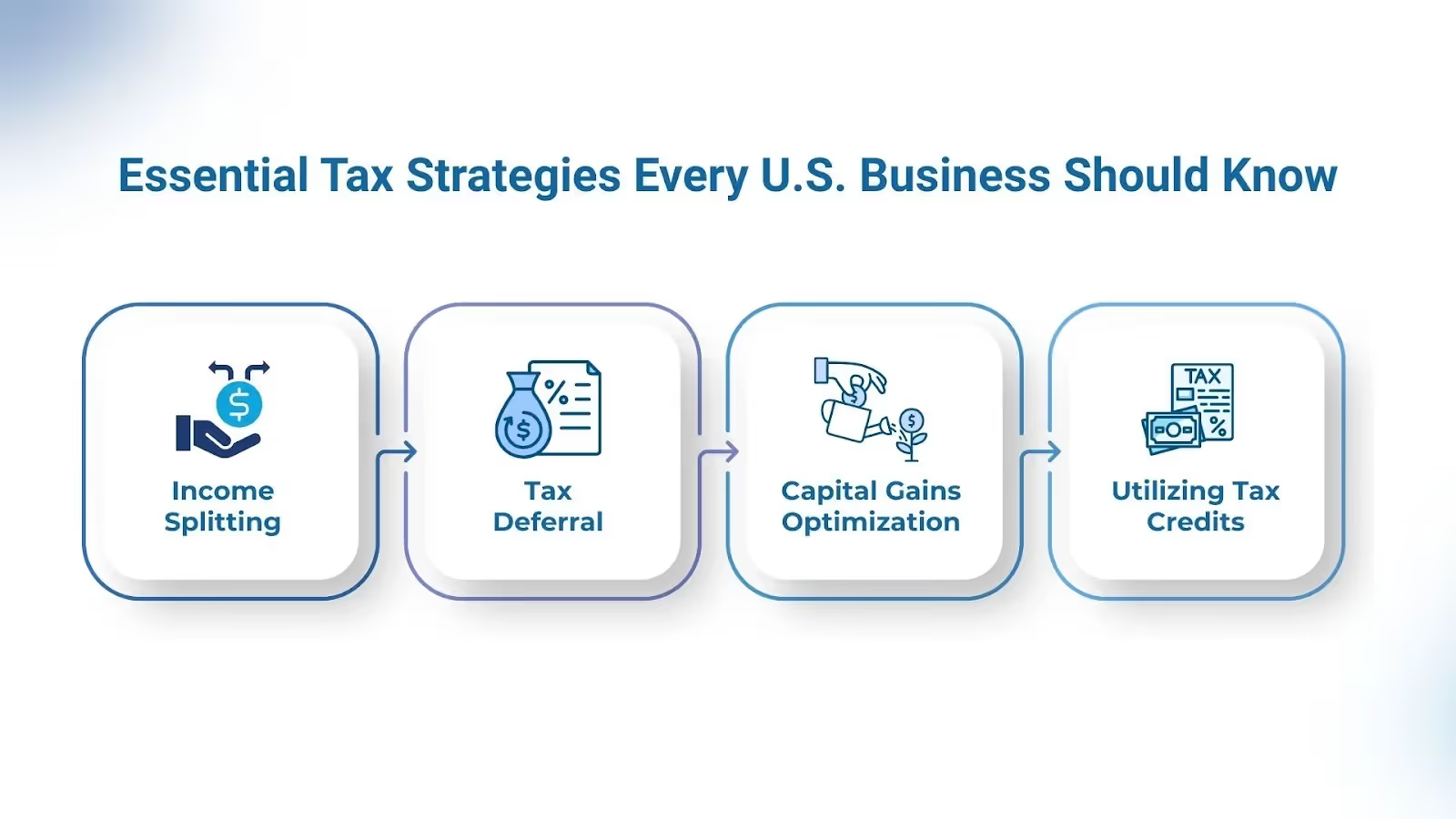
米国企業にとって、戦略的な税務計画は納税額を大幅に削減し、キャッシュフローを増加させ、全体的な財務パフォーマンスを向上させることにつながります。
所得分散とは、事業主が家族やビジネスパートナーなど、より低い税率区分に該当する可能性のある複数の個人に所得を分配する税務戦略です。この手法は、事業全体の税負担を軽減するのに役立ちます。特に、利益が所有者の個人所得税申告にパススルーされるパートナーシップやSコーポレーションとして運営されている企業にとって非常に有益です。
税金を将来の期間に繰り延べることで、企業は現在の事業活動により多くの資本を保持できるようになります。これは特に、スタートアップ企業や成長段階にある企業にとって有益です。税金の繰り延べ戦略には、収益計上の先送りや、事業経費の早期計上などが含まれます。
例えば、企業は請求を翌課税年度まで先送りすることで収益を繰り延べたり、年度末までに設備や在庫を購入することで控除を前倒ししたりすることができます。
キャピタルゲイン税は通常、通常の所得税よりも低く設定されており、企業が納税額を減らすために活用できる戦略があります。最も単純な方法の一つは、投資資産を売却する前に1年以上保有することです。これにより、利益は長期キャピタルゲイン税率の対象となり、通常の所得税率よりも大幅に低くなる可能性があります。
税額控除は、支払うべき税額を直接減額するものであり、大きな経済的利益をもたらします。企業は以下のような様々な控除を活用できます。
これらの戦略を踏まえた上で、税務計画サービスがどのようにビジネスの軌道を維持し、コンプライアンスを遵守し、将来への備えを万全にするために役立つかを理解することが重要です。次に、税務専門家に相談することがビジネスにどのような価値をもたらすかを探ってみましょう。
あわせて読みたい:ビジネスを変革するオンライン会計サービス
税務計画サービスは、節税を最大化しコンプライアンスを確保するために、税務構造の構築に関する専門的なアドバイス、ガイダンス、およびサポートを企業に提供します。
税務計画サービスは、節税戦略に関する専門的なアドバイスを企業に提供し、財務運営が最新の税規制に準拠していることを保証します。税務専門家は、控除、税額控除、税金の繰り延べ戦略を通じて企業が税負担を軽減できる領域を特定し、全体的な収益性を最適化します。
Proactive tax planning can also help businesses prepare for audits. By ensuring that all tax records are accurate, complete, and compliant, tax professionals can reduce the risk of triggering an audit. They can also provide guidance on maintaining documentation, which is essential in the event of an audit, and ensure that the business is fully prepared to respond to any inquiries from tax authorities.
Every business is unique, and so are its tax needs. Tax planning services can create customized solutions that align with a company’s specific industry, size, and operational structure. Whether it’s a startup, a tech company, or a manufacturing firm, tax strategies can be tailored to ensure that businesses maximize their tax benefits while minimizing liabilities.
While effective tax planning is essential, businesses must also avoid certain mistakes that could undermine their tax strategies. Let’s look at some common tax planning mistakes U.S. businesses should avoid to stay compliant and efficient.
When it comes to strategic taxes, many businesses miss out on opportunities to optimize their tax strategy, often due to common mistakes. Avoiding these errors is essential for maximizing savings and ensuring compliance with both federal and state regulations.
Failing to plan taxes throughout the year can result in higher tax liabilities and missed opportunities for deductions. Tax planning should be an ongoing process rather than a last-minute scramble before filing season.
State-specific taxes can vary greatly, and businesses must understand the tax regulations in each state where they operate. Many companies focus on federal taxes but neglect state taxes such as sales tax, payroll tax, and franchise tax.
Many startups and small businesses fail to take full advantage of available tax credits. For instance, the Research and Development (R&D) Tax Credit, Work Opportunity Tax Credit (WOTC), and credits for energy-efficient investments can significantly reduce a company’s tax burden.
Now that we’ve covered common tax mistakes, let’s explore how VJM Global can help your business navigate these challenges and optimize your tax strategy.
VJM Global specializes in helping international businesses optimize their tax strategies, ensuring compliance with international regulations. With deep knowledge of international tax systems, VJM Global helps companies structure their operations to minimize tax liabilities while maximizing savings.
VJM Global offers customized tax planning services that align with the specific needs of your business. Whether you need guidance on choosing the right business structure, restructuring, maximizing deductions and credits, audits, or implementing strategies for tax deferral, VJM Global provides the expert advice necessary to make informed decisions and optimize your tax position.
For businesses expanding to or operating in India, VJM Global offers smooth compliance services. They help companies manage cross-border tax considerations, ensuring adherence to Indian tax regulations while maintaining full compliance with U.S., Australia, Singapore, UK, and UAE laws. Their expertise ensures that your business operations in both countries are tax-efficient and legally compliant.
ビジネスにおける節税効果を最大化し、納税額を最小限に抑えたいとお考えでしたら、ぜひ当社のコンサルティングをご利用ください。

.avif)


