

Flipping houses can be a lucrative investment strategy, but many U.S. investors overlook one crucial aspect: accounting. Without proper financial management, profits can evaporate, and tax liabilities can spiral out of control.
As a house flipper, understanding how to track expenses and report profits is essential for maximizing your return on investment.
This guide will cover everything you need to know about accounting for flipping houses, from managing expenses to implementing key accounting strategies. Let’s get started.
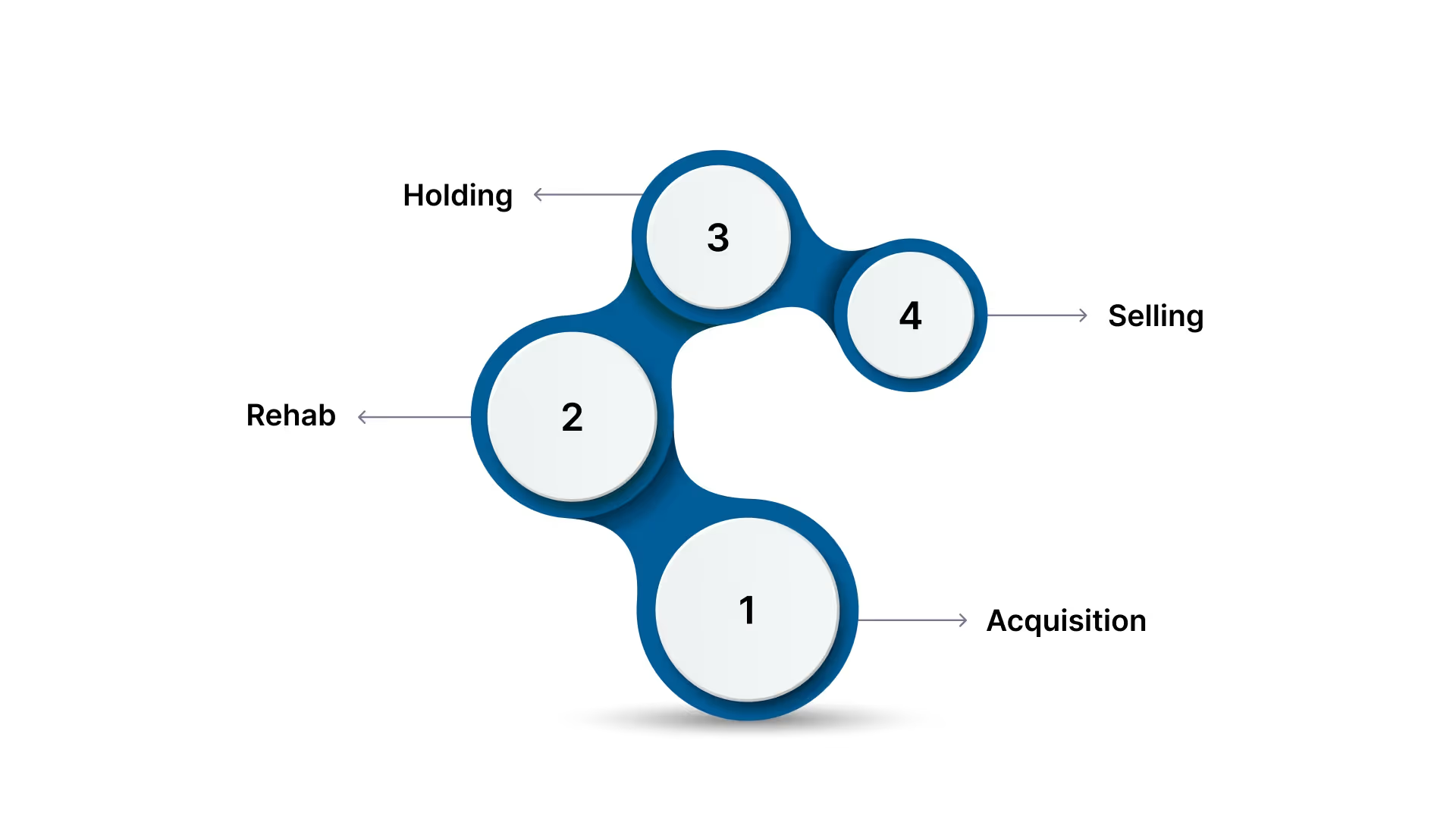
When flipping houses, it’s crucial to break down your investment into clear phases. Each phase has distinct costs and tax implications, so accurate tracking is essential.
The purchase price of the property is your starting point. This includes the home's price and any additional costs, such as closing fees, inspections, and agent commissions. These are direct costs that are factored into your total investment.
Rehab expenses include costs for renovating the property, such as labor, materials, permits, and design work. Keeping detailed records of these costs is essential, as they may be deductible and directly impact your taxable profits.
Holding costs include expenses you incur while waiting to sell, such as property taxes, insurance, utilities, and loan interest. These expenses can quickly add up, and proper categorization ensures they’re accounted for when calculating profit margins.
Selling costs cover agent commissions, advertising, and closing costs associated with the sale. These should be tracked and subtracted from your revenue to determine your final profit.
Accurately categorizing these costs is crucial for both accounting and taxes. From a tax perspective, improper categorization could lead to missed deductions or over‑reporting of taxable income. For example, rehab expenses may be deductible, reducing your taxable income, while holding costs impact the overall profitability of the flip.
Additionally, how long you hold onto the property before selling can affect whether your profits are taxed at short‑term or long‑term capital gains rates. Short‑term capital gains are taxed like regular income, which can be much higher, while long‑term gains may qualify for lower tax rates.
Properly categorizing these expenses and understanding their tax implications will ultimately help you maximize profits while minimizing taxes.
Now that you know how to categorize your costs, let’s explore why keeping track of these expenses is so important for your house flipping success.
Comprar y vender casas sin una contabilidad adecuada puede hacer que sus ganancias se esfumen rápidamente. He aquí por qué es fundamental tener sus finanzas en orden:
Las prácticas contables minimizan los riesgos, respaldan decisiones más inteligentes y, en última instancia, protegen sus ganancias durante todo el proceso de compraventa de casas.
VJM Global se especializa en ayudar a los inversores inmobiliarios a gestionar el flujo de caja, realizar un seguimiento de los gastos y manejar la planificación fiscal. Con nuestros servicios de contabilidad expertos, puede mantenerse al tanto de las reparaciones, préstamos y pagos a proveedores mientras maximiza las ganancias y minimiza los riesgos fiscales. Empiece hoy mismo.
Lea también: Comprender los costes y servicios de contabilidad mensual
Con una contabilidad adecuada, veamos algunos consejos clave para asegurarse de mantener el control de sus finanzas durante toda la operación.
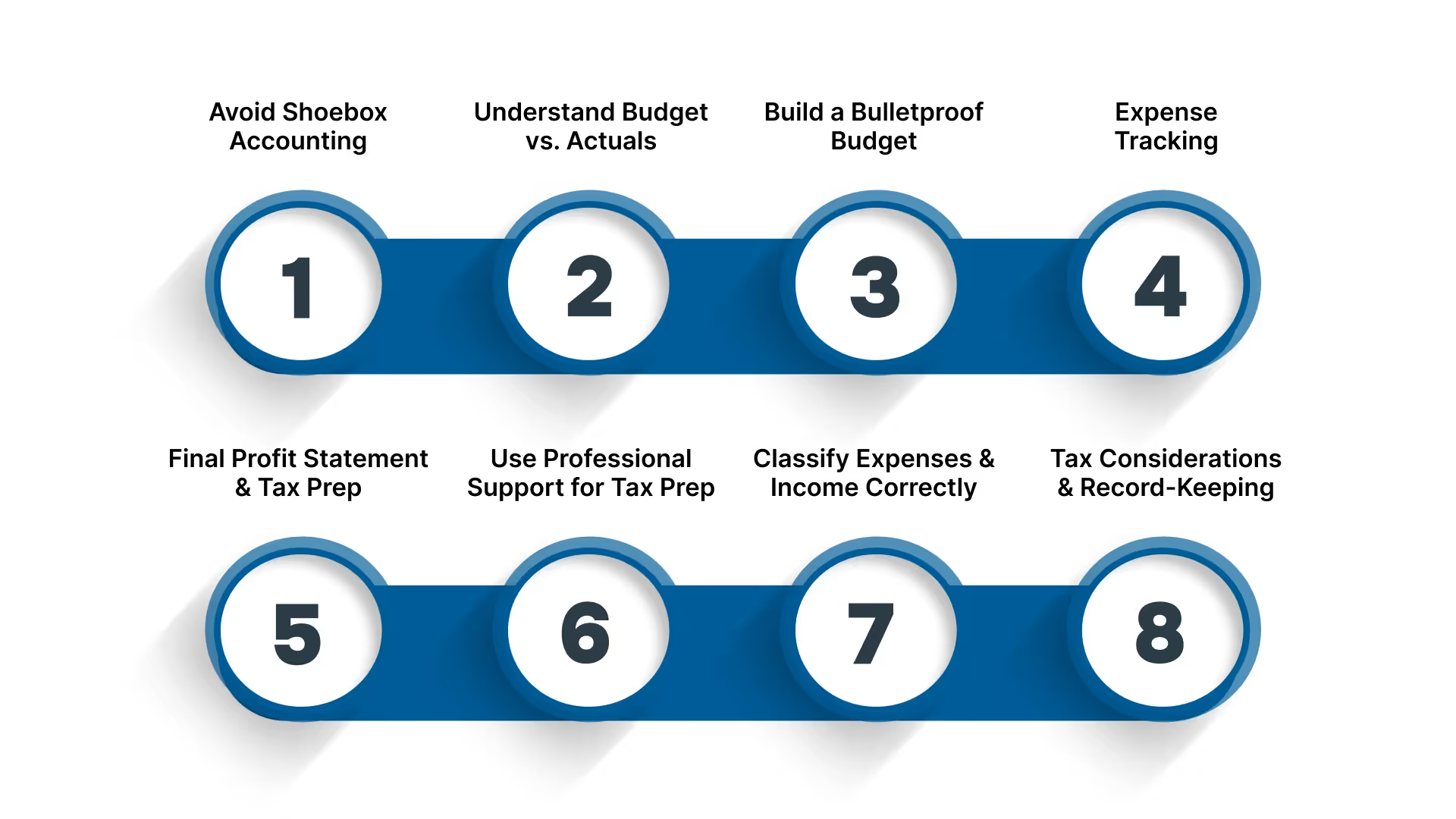
La compraventa de casas puede ser increíblemente rentable, pero sin prácticas contables sólidas, es fácil perder ahorros potenciales. He aquí cómo puede mantener el control de sus finanzas durante toda la operación:
Depender de la "contabilidad de caja de zapatos" (tirar recibos y facturas en una caja o carpeta) puede generar un caos cuando llegue el momento de informar gastos o presentar impuestos. Es esencial tener un sistema para registrar cada recibo y categorizar cada gasto.
Esto garantiza que no pierda deducciones ni genere estrés innecesario al presentar sus impuestos. Una organización adecuada le ayuda a mantener el control de su presupuesto y sus finanzas.
Su presupuesto es la base de todo su proyecto. Comience creando un presupuesto integral que incluya costes de compra, costes de mantenimiento, costes de venta, costes de financiación y, por supuesto, costes de reparación.
Una vez que tenga su presupuesto, realice un seguimiento diligente de los gastos reales a medida que ocurren. Compare regularmente ambos para identificar discrepancias desde el principio y ajuste su enfoque para mantener los costes bajo control.
Comience su presupuesto al principio del proceso, durante la fase de diligencia debida. Esto implica planificar cada coste involucrado en la operación. Desglose sus costes en cuatro categorías principales: costes de compra (tasas de registro, tasación), costes de mantenimiento (seguros, servicios públicos), costes de venta (comisiones inmobiliarias) y costes de financiación (comisiones de préstamo, intereses).
Luego, entre en los detalles de las reparaciones desglosándolas en categorías como trabajos exteriores, demolición interior y sistemas como fontanería y electricidad.
Una vez que el proyecto está en marcha, la parte más crítica es realizar un seguimiento de cada gasto. Desde grandes facturas de contratistas hasta pequeñas compras, mantener un registro detallado es crucial. Registre cada recibo tan pronto como realice una compra.
Por ejemplo, un recibo de Home Depot podría contener gastos tanto de suministros de fontanería como de electricidad. Si los agrupa, no sabrá exactamente cuánto gastó en cada categoría, lo que dificultará el seguimiento de su presupuesto y la comparación con los gastos reales.
After the flip is complete, don’t forget to track your final sale price and calculate the net income from your flip. A clear, organized record helps with both profit tracking and tax filing. Properly categorizing your expenses and understanding deductible costs will ensure that your tax prep goes smoothly, helping you minimize taxable income.
For property flippers, understanding tax implications is critical, and having the right support is key. VJM Global offers specialized tax and accounting services tailored to the needs of house flippers. Our expert team helps you ensure proper expense classification and identifies valuable deductions to minimize your tax liability.
With our comprehensive services in bookkeeping, tax preparation, and financial reporting, you can focus on growing your business while we ensure your tax filings are accurate and compliant. Get started today.
Make sure you’re classifying your income and expenses correctly. For instance, repairs are typically deductible, while improvements need to be capitalized and added to the property’s basis. Also, distinguish between business and personal expenses by keeping separate bank accounts and credit cards for your flips.
Understand the tax implications of your financing choices, such as loan interest deductions, and keep thorough records. It’s essential to track all acquisition costs, renovations, utilities, insurance, and contractor fees, as many of these can be deducted. Being diligent with your record-keeping will ensure your tax filings are accurate and compliant.
Following these tips ensures your property-flipping projects remain financially healthy.
Lea también: Principales beneficios de externalizar servicios contables a la India para pequeñas empresas estadounidenses
If you're ready to simplify your accounting and stay compliant, expert support from VJM Global can help you avoid costly mistakes and keep your finances on track.
VJM Global is here to simplify the accounting process for house flippers. Our expert team provides the following tailored services to keep your business on track:
Let VJM Global handle your accounting so you can focus on turning properties into profits.
Flipping houses goes beyond finding the right property and handling renovations; it involves mastering the financial management that drives success. Without the right accounting practices, you risk running over budget, missing key tax deductions, or paying more than necessary come tax season.
House flipping requires careful planning, especially when it comes to managing finances. VJM Global provides expert accounting and tax services tailored specifically for U.S. property flippers, from creating detailed budgets to ensuring compliance.
Don’t let financial mismanagement derail your profits; let us guide you through every step. Reach out today and take control of your house flipping finances with confidence.
The key expenses to track include acquisition costs (purchase price, closing fees), rehab costs (materials, labor), holding costs (insurance, utilities), and selling costs (commissions, advertising).
Ensure that repairs are classified as deductible expenses, while improvements should be capitalized and added to the property’s basis. Using separate accounts for business and personal expenses helps.
Accounting software can help you track expenses, categorize transactions, generate financial reports, and keep an eye on your budget. It can also make tax filing easier by organizing your records.
You can claim deductions for costs like repairs, utilities, insurance, and loan interest. Keep detailed records of all expenses to ensure you maximize your deductions and minimize your tax liability.
VJM Global offers expert tax planning, bookkeeping, expense tracking, and financial reporting services tailored to house flippers. We help you stay compliant, maximize your profits, and minimize tax liabilities.




