
Una contabilidad deficiente le cuesta a las pequeñas empresas del Reino Unido mucho más que los honorarios del contable. Más allá de la obligación legal de mantener registros precisos, una contabilidad inadecuada conduce directamente a crisis de flujo de caja, pagos excesivos de impuestos y sanciones de la HMRC que pueden paralizar a una empresa en crecimiento. La HMRC recaudó 786.000 millones de libras en ingresos fiscales en 2024-25, y con la brecha fiscal —la diferencia entre los impuestos adeudados y los recaudados— situada en el 5,3%, el escrutinio del cumplimiento ha aumentado significativamente.
Los factores específicos del Reino Unido agravan el desafío. Los requisitos de Making Tax Digital (MTD) implican que las empresas registradas a efectos del IVA deben utilizar ahora un registro digital y presentar sus declaraciones a través de un software compatible. El umbral de registro del IVA se sitúa en 90.000 libras desde abril de 2024, y el MTD para el Impuesto sobre la Renta exigirá actualizaciones digitales trimestrales a partir de abril de 2026 para los trabajadores autónomos y propietarios que ganen más de 20.000 libras. Lo que está en juego ha aumentado: una contabilidad precisa ya no es solo una buena práctica, es una necesidad legal que afecta directamente a sus resultados.
Esta guía cubre todo lo que las pequeñas empresas del Reino Unido necesitan saber: requisitos legales de mantenimiento de registros, métodos contables que se adaptan a las diferentes etapas del negocio, obligaciones de MTD y pasos para el cumplimiento, y estrategias prácticas que puede implementar de inmediato.
Puntos clave:
La contabilidad es el registro diario de cada transacción financiera que realiza su empresa: ingresos recibidos, gastos pagados, compras realizadas y nóminas procesadas. La gestión contable, por el contrario, interpreta esos datos para elaborar informes financieros, presentar declaraciones de impuestos, prever el flujo de caja y orientar las decisiones estratégicas.
En la práctica, la contabilidad alimenta la gestión contable: unos registros limpios y precisos hacen posibles las declaraciones de impuestos, las previsiones de flujo de caja y los informes para inversores.
Toda pequeña empresa del Reino Unido debe mantener tres registros financieros básicos como mínimo legal:
Estos cubren el mínimo legal; las empresas registradas en el IVA enfrentan obligaciones adicionales, incluidas facturas de IVA detalladas que muestren los impuestos cobrados y reclamados, así como registros de declaraciones trimestrales presentados a través de software compatible con MTD.
Una contabilidad precisa alimenta directamente sus obligaciones de cumplimiento y sus decisiones empresariales:
La HMRC exige que las empresas del Reino Unido conserven los registros financieros durante un mínimo de seis años a partir del final del período contable correspondiente de la empresa. Esto no es una sugerencia: la HMRC puede solicitar registros durante las investigaciones, y una documentación inadecuada conlleva sanciones, incluso si sus cálculos de impuestos fueran correctos.
La documentación obligatoria incluye:
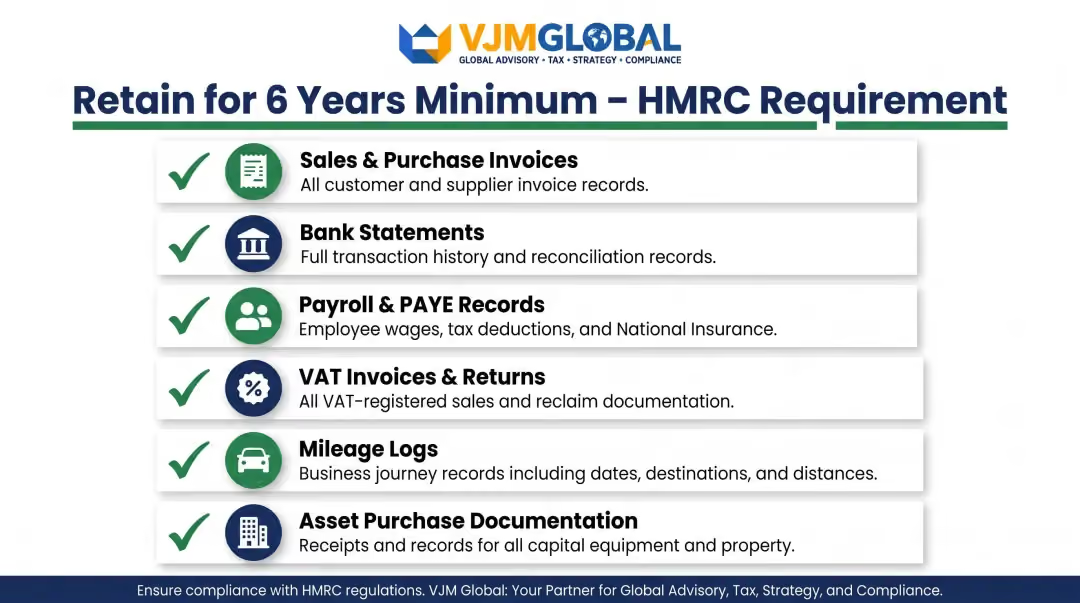
Los registros deben estar completos, actualizados, mostrar claramente todos los ingresos y gastos del negocio, y almacenarse de forma segura en formato digital o impreso. "Actualizado" significa dentro de los plazos de presentación de impuestos, aunque la mejor práctica es realizar actualizaciones semanales o mensuales para detectar errores a tiempo y mantener al día su flujo de caja.
Durante una investigación de HMRC, los registros incompletos pueden dar lugar a evaluaciones fiscales estimadas que a menudo superan su responsabilidad real. Las sanciones oscilan entre cientos y miles de libras, dependiendo de la gravedad y de si HMRC sospecha que hubo un error deliberado.
Las empresas con una facturación imponible superior al umbral de registro de IVA de 90.000 £ deben mantener:
Si tiene empleados, debe mantener:
Existen tres enfoques principales de contabilidad para las pequeñas empresas en el Reino Unido: partida simple (incluyendo hojas de cálculo básicas o libros de caja), partida doble, y la elección entre contabilidad de caja y contabilidad de devengo. El método adecuado depende del tamaño y la complejidad de su negocio, y de si está registrado en el IVA o es una sociedad limitada.
La partida simple registra cada transacción una sola vez, como un libro de caja sencillo que muestra los ingresos y los gastos. Es directa, pero limitada:
Cada transacción se registra dos veces —como débito y como crédito—, lo que ofrece una visión completa de activos, pasivos, ingresos y gastos. Este método se equilibra por sí mismo: si los débitos no igualan a los créditos, sabrá que existe un error.
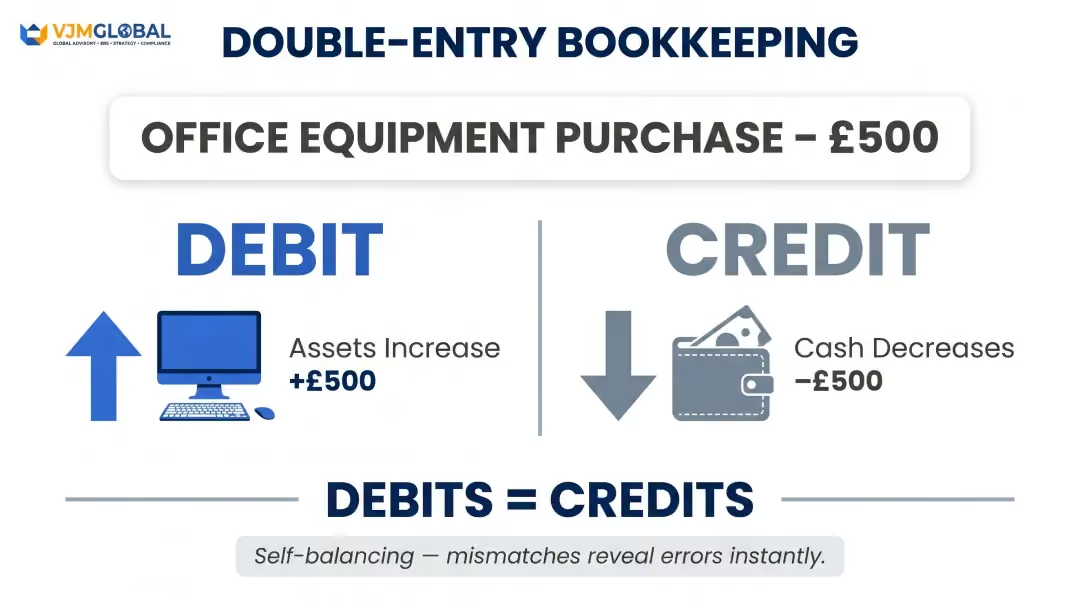
Requerida para:
Beneficios:
Una vez que haya elegido cómo estructurar sus registros, también debe decidir cuándo para registrar las transacciones. Ahí es donde difieren la contabilidad de caja y la contabilidad de devengo.
La contabilidad de caja registra los ingresos y gastos cuando el dinero cambia de manos. La contabilidad de devengo registra los ingresos cuando se generan y los gastos cuando se incurren, independientemente de cuándo se realice el pago.
Contabilidad de caja:
Contabilidad de devengo (tradicional):
Un plan contable es una lista categorizada de todas las cuentas utilizadas para registrar las transacciones. Por lo general, incluye:
Mantener estas categorías coherentes le permite:
Making Tax Digital (MTD) es la iniciativa de HMRC que exige a las empresas mantener registros financieros digitales y presentar declaraciones a través de software compatible con MTD. El MTD para el IVA se volvió obligatorio en abril de 2019 para todas las empresas registradas a efectos del IVA. El IVA es la fase que ya está en vigor; los requisitos del impuesto sobre la renta se introducirán por etapas a partir de 2026.
Obligaciones clave del MTD para el IVA:
El MTD para el impuesto sobre la renta se implementa por etapas para trabajadores autónomos y propietarios de inmuebles:
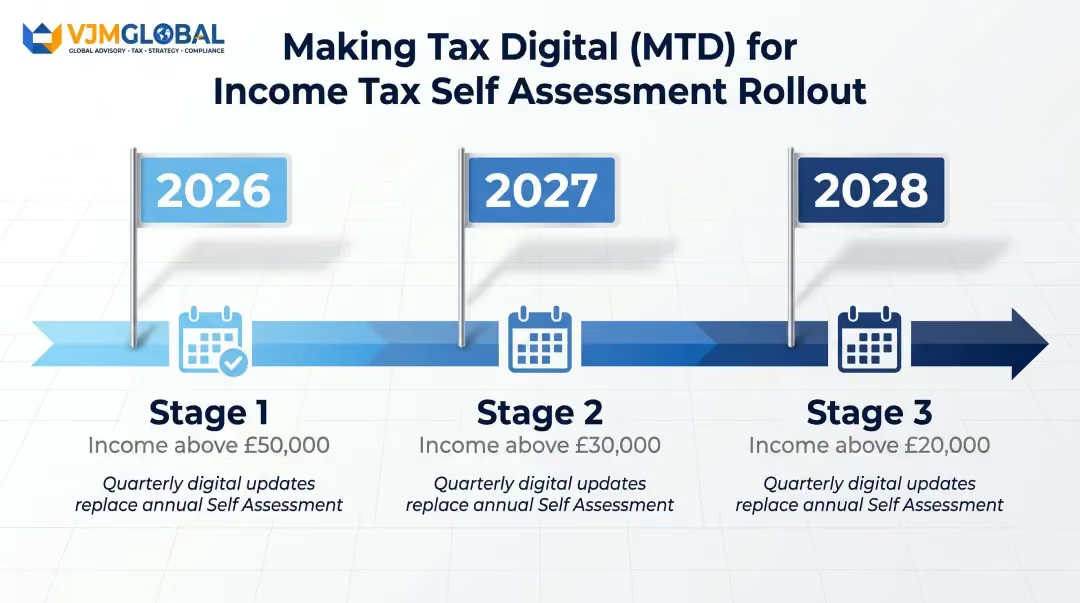
En lugar de una declaración anual de autoliquidación, las empresas afectadas enviarán actualizaciones trimestrales a HMRC de forma digital, lo que proporcionará a HMRC una visión actualizada de los ingresos y gastos a lo largo del año.
Para prepararse para el MTD:
HMRC puede imponer sanciones por:
Las sanciones varían según la gravedad y si los errores parecen deliberados, pero el incumplimiento puede derivar en multas que van desde las 200 libras por presentaciones tardías iniciales hasta sanciones basadas en porcentajes por retrasos prolongados o inexactitudes. Revisar sus obligaciones ahora, en lugar de apresurarse al llegar la fecha límite, es la forma más sencilla de evitarlas.
Abra una cuenta bancaria exclusiva para su negocio y gestione todos sus ingresos y gastos empresariales únicamente a través de ella. Mezclar las finanzas personales con las del negocio es uno de los errores más comunes —y costosos— que cometen los propietarios de pequeñas empresas.
Por qué es importante:
Concilie sus registros contables con los extractos bancarios cada mes, idealmente en una fecha fija. Esto permite detectar errores, entradas duplicadas y transacciones faltantes a tiempo, antes de que se conviertan en problemas mayores.
La frecuencia con la que actualiza sus registros entre conciliaciones depende del volumen:
La constancia evita el temido caos de fin de año y garantiza que siempre tenga una visión precisa de su posición de efectivo y rentabilidad.
Guarde copias digitales de todos los recibos, facturas y extractos bancarios a medida que los reciba. Esperar hasta fin de año para organizar los documentos garantiza la pérdida de recibos y la omisión de deducciones.
Unos hábitos sencillos marcan una gran diferencia:
Los requisitos de MTD hacen que el almacenamiento digital no sea solo una buena práctica, sino una necesidad legal para las empresas registradas en el IVA y, pronto, para todos los autónomos que superen el umbral de ingresos. HMRC también exige que las empresas conserven los registros durante seis años (cinco años para los autónomos), por lo que un archivo digital bien organizado le protege mucho más allá del año fiscal actual.
Genere al menos un estado de pérdidas y ganancias y un balance general mensuales. Estos informes deben impulsar las decisiones empresariales, no solo cumplir con las obligaciones de conformidad.
Utilice los datos contables para:
La mayoría de los propietarios de pequeñas empresas que revisan sus informes mensuales con regularidad coinciden en lo mismo: detectaron un problema —un cobro excesivo de un proveedor, un cliente que paga tarde, un margen que se había reducido silenciosamente— semanas antes de lo que lo habrían hecho de otro modo. Esa alerta temprana es donde reside el verdadero valor de una buena contabilidad.
Llevar la contabilidad uno mismo solo funciona en circunstancias limitadas: empresas en fase inicial con menos de 50 transacciones al mes, estructuras sencillas y propietarios que cuentan tanto con los conocimientos financieros como con el tiempo necesario para hacerlo correctamente.
La verdadera pregunta es si es el mejor uso de su tiempo. Si la contabilidad le lleva 10 horas al mes y su tarifa facturable es de 50 £ por hora, eso supone 500 £ en ingresos perdidos, a menudo más de lo que cuesta una contabilidad profesional.
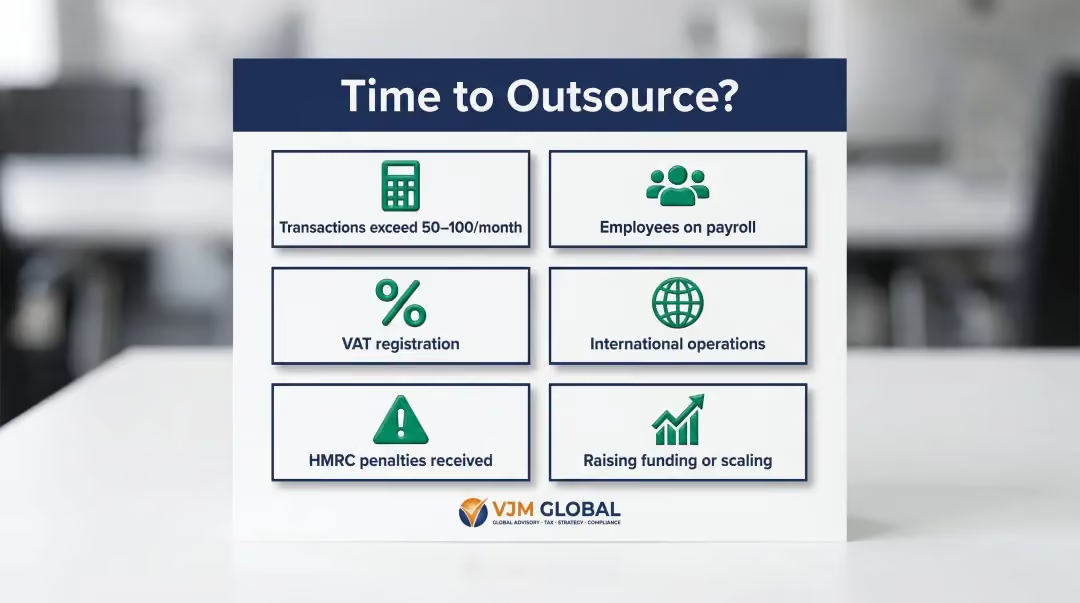
La externalización merece la pena cuando:
Las firmas de contabilidad especializadas no solo mantienen registros precisos. Proporcionan:
VJM Global ha apoyado a más de 250 empresas del Reino Unido mediante la externalización de la contabilidad, proporcionando acceso rentable a profesionales cualificados sin los costes fijos de una contratación interna. Los servicios principales incluyen conciliación mensual, preparación de declaraciones de IVA, gestión de nóminas e informes de gestión estratégica, todo ello con seguridad de datos de nivel bancario y una tasa de retención de clientes del 95%.
Los cinco principios fundamentales son:
La teneduría de libros es el registro y la organización diaria de las transacciones financieras. La contabilidad utiliza esos datos para analizar el rendimiento financiero, elaborar informes legales, presentar declaraciones de impuestos y desarrollar estrategias fiscales y de crecimiento.
HMRC exige que las empresas del Reino Unido conserven sus registros financieros durante al menos seis años a partir del final del periodo contable correspondiente. La falta de registros puede dar lugar a sanciones durante una auditoría, y HMRC podría estimar su obligación tributaria por encima de sus cifras reales.
MTD es la iniciativa de HMRC para digitalizar la administración fiscal. MTD para el IVA ya se aplica a todas las empresas registradas a efectos del IVA, lo que exige llevar registros digitales y realizar declaraciones trimestrales a través de software compatible. MTD para el Impuesto sobre la Renta se aplicará a partir de abril de 2026 a los trabajadores autónomos y propietarios que obtengan ingresos superiores a 50.000 libras, con un umbral que se reducirá a 30.000 libras en abril de 2027 y a 20.000 libras en abril de 2028.
Las empresas muy pequeñas pueden empezar con hojas de cálculo, pero las normas de MTD exigen que las empresas registradas a efectos del IVA, y pronto los declarantes del impuesto sobre la renta, utilicen software reconocido por HMRC con enlaces digitales entre sistemas. Un software de contabilidad diseñado específicamente es la opción práctica y conforme a la normativa para la mayoría de las empresas, especialmente para aquellas que se acercan o superan los umbrales de registro del IVA.
La externalización tiene sentido cuando las transacciones mensuales superan las 50-100, hay empleados en nómina, entran en juego las obligaciones de IVA o MTD, o el tiempo dedicado a la contabilidad propia cuesta más que el apoyo profesional. Para las empresas en crecimiento, ese momento suele llegar durante los primeros 12-18 meses de actividad.