

.avif)
Expanding your business into India is a thrilling prospect, but choosing the right structure can be tricky for U.S. companies unfamiliar with local regulations. The wrong choice can lead to unexpected delays, compliance issues, or unnecessary taxes, causing frustration and potentially stalling growth before it even begins.
This guide will help you understand the business structures in India, from subsidiaries to liaison offices, and show you which one fits your needs. By the end of the blog, you’ll have a clearer picture of how to position your business for success in India’s dynamic market. Let’s jump in.
A business structure, or business entity, is the legal framework that defines how your business is organized. It affects everything from taxes to personal liability, influencing how your business interacts with local and international laws.
For instance, when a U.S. company enters India, it might need to establish a separate business entity to open a local bank account or apply for loans. Each business structure comes with its own set of benefits and limitations, depending on your goals and the nature of your operations.
Understanding these differences ensures you make the best choice for your expansion.
Now that you know what a business structure is, let's explore why choosing the right one in India is essential for your success.
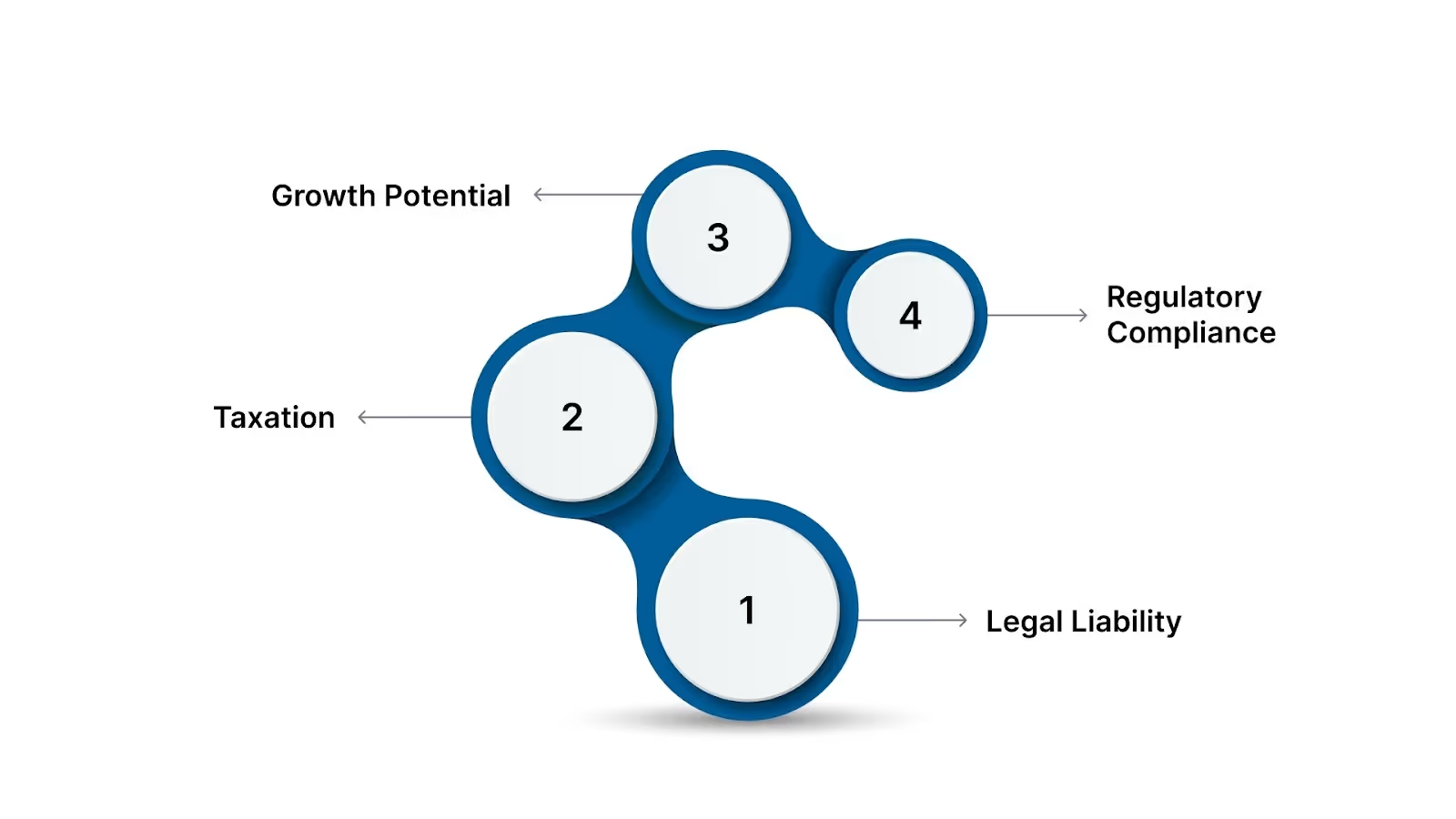
Alt text: Why Choosing the Right Business Structure in India Matters
When expanding into India, selecting the right business structure is crucial. It affects everything from legal liabilities to long-term growth potential.
Carefully considering these factors better positions you to make the right choice for your business's future in India.
With that in mind, here’s a look at the various business structures available in India and what each one offers.
Choosing the right business structure in India is essential for the success of your international operations. Here's a breakdown of the most common structures:
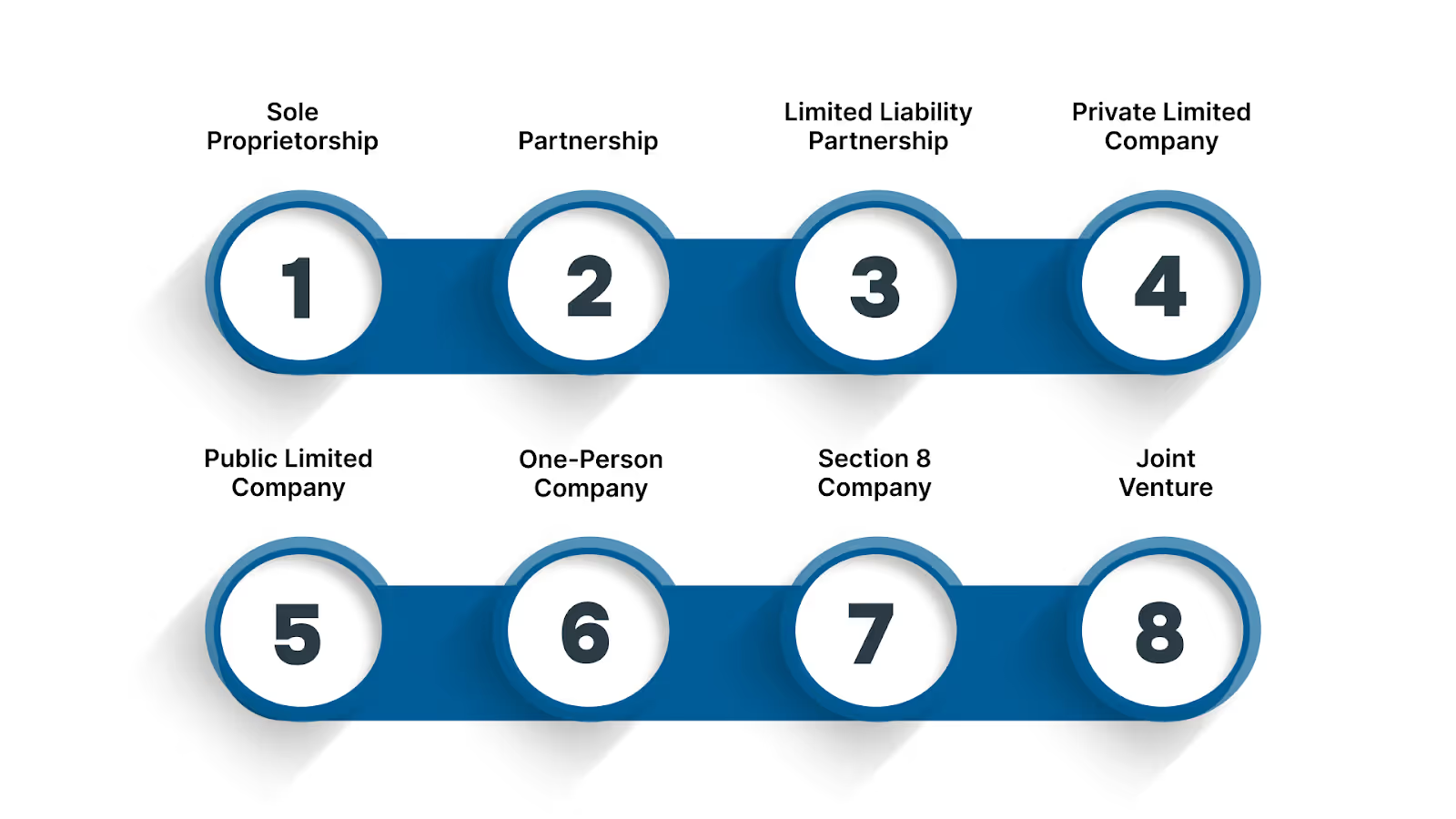
A Sole Proprietorship is a business run by a single individual. It is the simplest form of business to set up, and the owner has full control over decision-making and profits.
A Partnership involves two or more people working together to share profits and responsibilities. It is a popular structure for businesses that require pooled resources but do not offer the same protection as other structures.
An LLP offers the flexibility of a partnership while providing limited liability for its partners. It is a good option for businesses that want to protect individual assets while maintaining ease of management.
A Private Limited Company is a separate legal entity. It’s an ideal choice for businesses that want to scale, raise capital, and separate personal and business liabilities.
A Public Limited Company is suitable for large businesses looking to raise funds by issuing shares to the public. This is the most complex structure, with stringent regulatory requirements.
An OPC is designed for solo entrepreneurs who wish to operate as a separate legal entity while enjoying limited liability protection.
Las sociedades de la Sección 8 son organizaciones sin fines de lucro con objetivos benéficos y se benefician de exenciones fiscales bajo la Ley del Impuesto sobre la Renta.
Una Joint Venture implica que dos o más entidades agrupan recursos para lograr un objetivo común, a menudo utilizada por empresas extranjeras que ingresan al mercado indio.
Ventajas:
Para los emprendedores y empresas de EE. UU., comprender estas estructuras y sus implicaciones en cuanto a responsabilidad les ayudará a tomar la mejor decisión al expandirse a la India.
Independientemente de la estructura que elija, VJM Global está aquí para guiarle a través de las complejidades legales y de cumplimiento. Ofrecemos asesoramiento experto en la creación de empresas internacionales para garantizar una entrada fluida y exitosa en el mercado indio. Conecte con nuestro equipo hoy mismo.
Lea también: Cómo establecer una empresa conjunta en la India
Ahora, repasemos los factores clave que deben guiar su toma de decisiones al seleccionar la mejor estructura para su negocio.
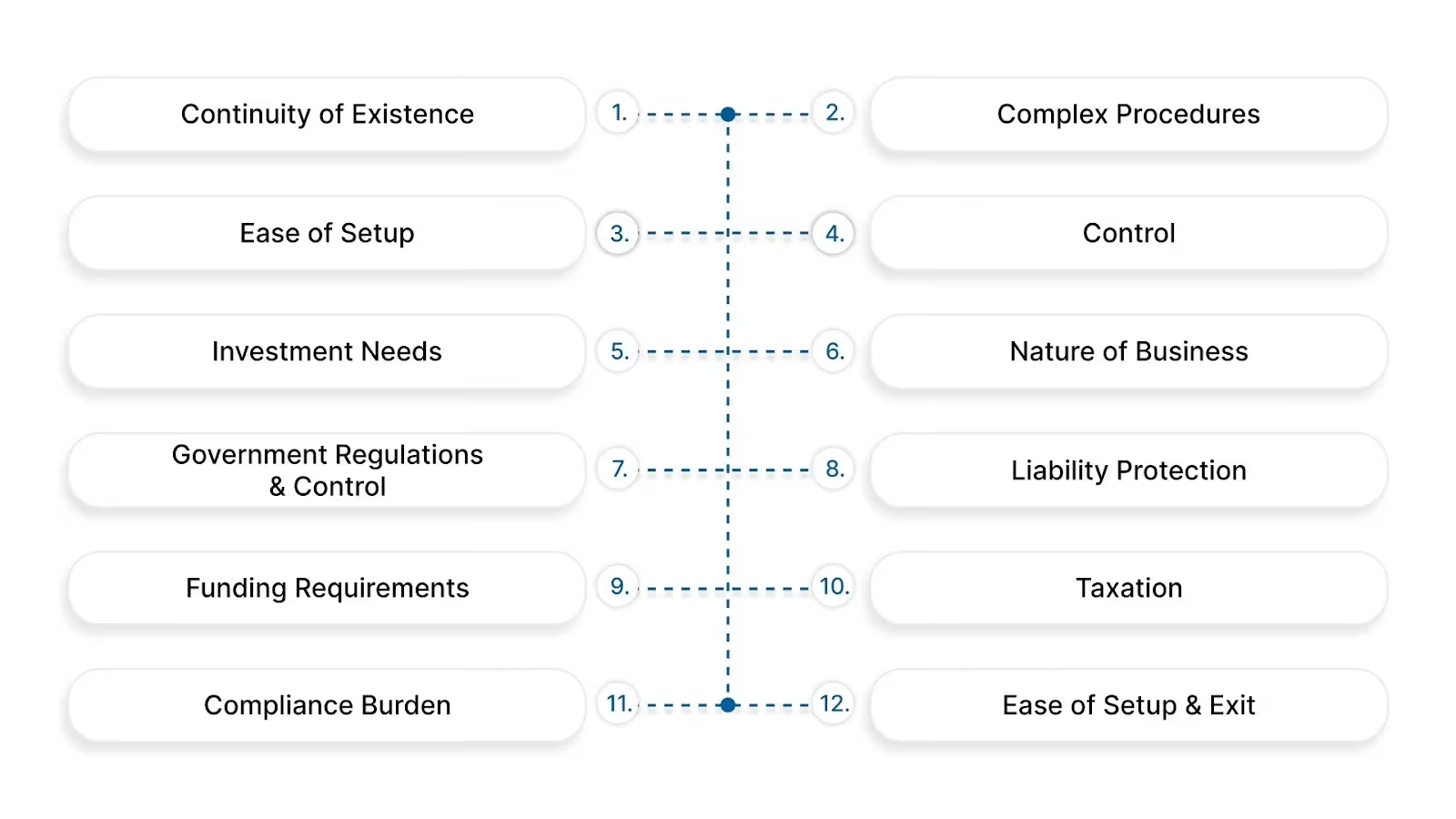
Texto alternativo: Factores principales a considerar al elegir una estructura empresarial en la India
Ahora que está familiarizado con las diferentes estructuras empresariales en la India, exploremos los factores clave que debe tener en cuenta al tomar su decisión:
La vida útil de su negocio puede variar significativamente según la estructura. Por ejemplo, una empresa unipersonal suele terminar cuando el propietario se jubila o fallece.
Por el contrario, una sociedad de responsabilidad limitada goza de continuidad, lo que significa que puede seguir operando más allá de la participación del propietario original. Esto es crucial si planea transmitir el negocio o dejar un legado duradero.
Establecer un negocio en la India puede ser complejo. Por ejemplo, una sociedad colectiva es relativamente sencilla y requiere un mínimo de trámites, mientras que una sociedad de responsabilidad limitada o una sociedad anónima requieren más pasos legales y cumplimiento normativo.
Si es nuevo en la India, la complejidad del proceso de configuración debe estar alineada con su capacidad para gestionar estos desafíos.
Una empresa unipersonal o una sociedad colectiva pueden establecerse en pocos días, lo que las hace ideales para operaciones más pequeñas. Sin embargo, estructuras como las sociedades de responsabilidad limitada o las LLP tardan más en establecerse, implican mayores costos iniciales y requieren pasos regulatorios adicionales.
Si busca empezar a trabajar de inmediato, las estructuras más sencillas pueden adaptarse mejor a las necesidades de su negocio.
Una empresa unipersonal o una sociedad de una sola persona ofrecen un control total en la toma de decisiones. Sin embargo, si se siente cómodo compartiendo responsabilidades, una sociedad colectiva o una cooperativa podrían ser más adecuadas, pero prepárese para trabajar con socios que influyan en las decisiones clave.
Si su negocio requiere financiación a gran escala, una sociedad anónima es una opción. Esta estructura le permite recaudar capital mediante la emisión de acciones. Las empresas unipersonales o las LLP pueden tener dificultades para recaudar fondos de esta manera, ya que no tienen el mismo acceso a los mercados de capital.
La naturaleza de su negocio influirá en la estructura que elija. Una pequeña empresa familiar puede prosperar como empresa unipersonal o sociedad colectiva. Por otro lado, las startups de rápido crecimiento o las empresas tecnológicas que buscan escalar se beneficiarán de la flexibilidad y las ventajas de captación de capital de una sociedad de responsabilidad limitada.
Ciertas industrias están fuertemente reguladas. Por ejemplo, a menudo se requiere que los servicios financieros o los negocios de seguros se establezcan como corporaciones o sociedades anónimas debido a la estricta supervisión gubernamental.
Si proteger los activos personales es importante, considere una sociedad de responsabilidad limitada (LLP) o una sociedad de responsabilidad limitada privada. Estas estructuras ofrecen protección de responsabilidad, mientras que una empresa unipersonal o una sociedad colectiva tradicional lo exponen a riesgos personales.
Para los inversores estadounidenses, asegurar la financiación suele ser una prioridad. Las sociedades de responsabilidad limitada son las más adecuadas para recaudar capital de fondos de riesgo o inversores de capital. Por otro lado, las empresas unipersonales o las sociedades colectivas dependen más de la financiación personal o bancaria.
Sole Proprietorships and Partnerships are taxed as individuals, while Companies are taxed at corporate rates. LLPs offer some tax flexibility and lower compliance costs. It’s critical to consult with a local tax advisor to determine the most tax-efficient structure.
For U.S. companies entering the Indian market, working with experts like VJM Global can help you choose the right structure and maximize savings. Get in touch today.
Sole Proprietorships and Partnerships face minimal compliance, making them attractive to small businesses. However, LLPs and Companies must adhere to stricter regulations, including annual returns, board meetings, and statutory audits, depending on their turnover.
While Sole Proprietorships and Partnerships are easier to start and close, LLPs and Companies require more paperwork and legal formalities to dissolve. If you expect frequent changes in your business structure, simpler options may be more convenient.
Understanding these factors will help you select the best fit for your needs, making it easier to understand the Indian market and avoid costly missteps.
Lea también: Cómo crear un plan de salida para su negocio: La guía completa
Next, let’s learn how VJM Global can guide you through the process and ensure you set up the right foundation for business in India.
Tackling India’s business domain requires expert guidance. VJM Global offers tailored support to help you make the best choice for your business setup. Here’s how we can assist:
Let VJM Global help you build a strong foundation for your Indian venture.
Selecting the right business structure is a crucial step in your journey to expand into India. The choice you make affects everything from tax planning and liability to regulatory compliance and long-term business stability.
Aligning the right structure with your business goals sets the stage for success in one of the world’s most dynamic markets.
At VJM Global, we specialize in helping U.S. businesses like yours address India’s business domain. Our team is here to ensure a smooth, successful entry into the Indian market, from business setup and tax planning to compliance and beyond.
Get in touch today to make your business expansion a reality.
India offers various business structures, including Sole Proprietorship, Partnership, LLP, Private Limited Company, and Public Limited Company.
Al elegir una estructura, considere factores como la responsabilidad, las necesidades de inversión, el control, el cumplimiento normativo y sus objetivos comerciales a largo plazo.
Sí, es posible cambiar su estructura empresarial en la India, pero el proceso puede implicar trámites legales y de cumplimiento.
Cada estructura tiene un tratamiento fiscal distinto. Las empresas unipersonales tributan como personas físicas, mientras que las LLP y las sociedades están sujetas a tipos impositivos corporativos.
El tiempo de constitución varía: las estructuras más sencillas, como la empresa unipersonal, pueden tardar unos días, mientras que una sociedad privada limitada puede requerir varias semanas.




