

%20(1).avif)
Expanding your business into new international markets is a strategic way to fuel growth, and India presents an exciting opportunity for U.S. businesses. As one of the world’s fastest-growing economies, India offers a dynamic market with a young workforce, increasing urbanization, and a rapidly expanding middle class.
One of the most effective ways for U.S. companies to enter the Indian market is through a joint venture. This business arrangement allows you to partner with a local company, leveraging their market knowledge, resources, and networks while sharing risks and rewards.
In this guide, we’ll walk you through the essential steps and key considerations for setting up a joint venture in India, ensuring a smooth and successful expansion strategy.
A joint venture is a business arrangement in which two or more parties come together to collaborate on a specific project or enter a new market, sharing both the risks and rewards. In India, a joint venture (JV) is a popular method for foreign businesses looking to establish a presence in the country, as it allows foreign investors to partner with local firms that have a better understanding of the market, regulations, and consumer preferences.
This business setup in India enables foreign companies to access India's vast market and navigate the complexities of local business practices while sharing the investment and operational burden.
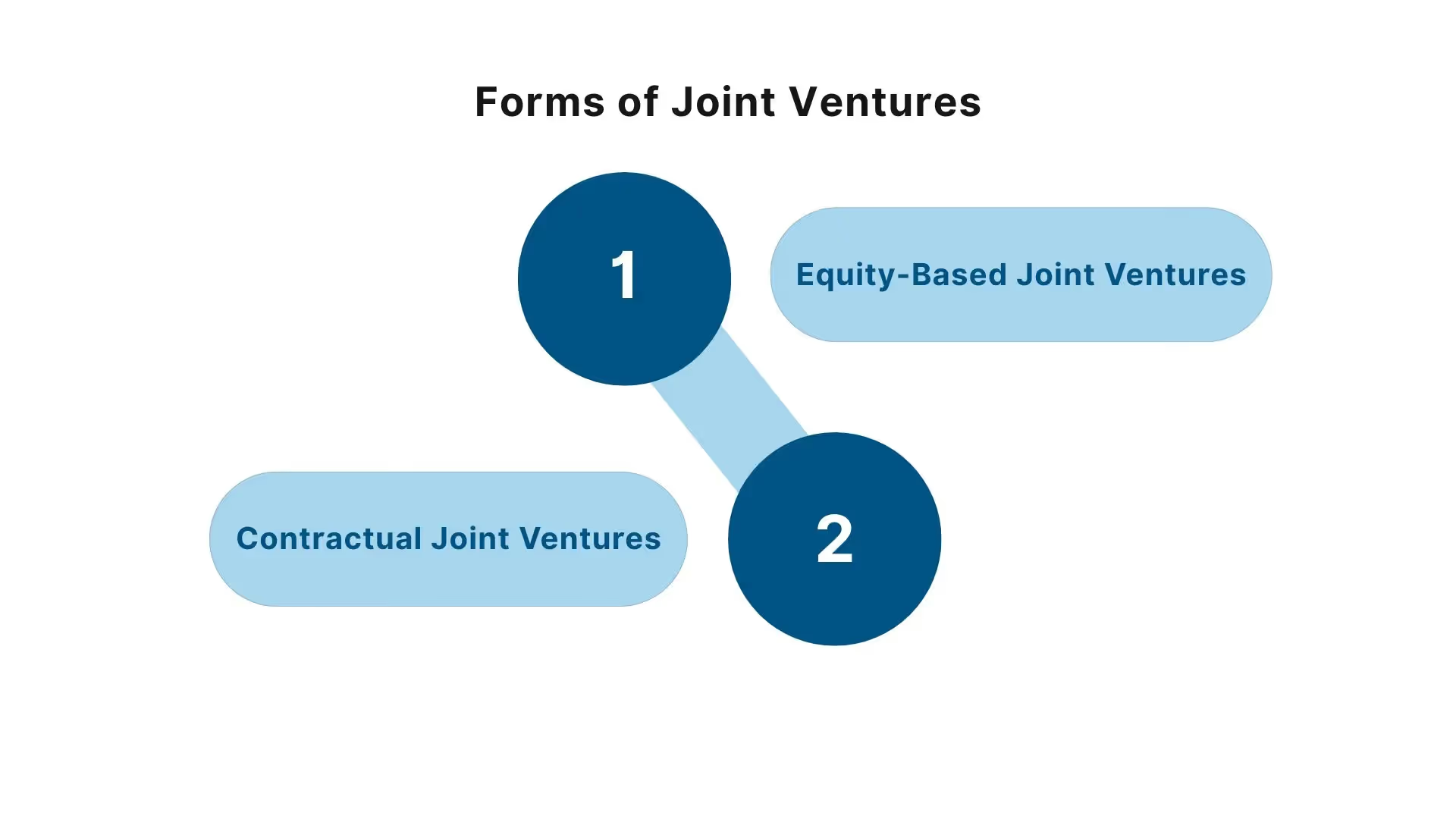
Joint ventures in India typically take two main forms: equity-based and contractual. Let us understand them in detail.
In this type of joint venture, both parties (the foreign company and the Indian partner) invest capital and share ownership in the company. Equity-based joint ventures often result in the creation of a new entity where both partners hold stakes, typically in proportion to their investment.
Why this setup: This structure is preferred when both parties want to have a say in the company's decision-making process and share both the profits and liabilities.
These ventures are formed based on a contractual agreement rather than equity ownership. The partners agree to share profits, resources, and risks without necessarily holding shares in the same company.
Why this setup: This type of joint venture is often used for specific projects or temporary collaborations. The contract typically outlines the responsibilities of each party, including financial contributions, profit-sharing, and intellectual property rights.
Must Read: How to Set Up a Distribution Business in India: A Full Guide
Joint ventures are widely utilized across various sectors in India, and some industries where joint ventures are most common include:
Many foreign companies collaborate with Indian firms to manufacture products locally, using India's cost advantages while meeting local demand.
The retail sector sees a significant number of joint ventures, especially in consumer goods and luxury brands, where foreign companies tap into the growing middle class and retail space in India.
In the tech industry, joint ventures allow foreign companies to collaborate with local firms to develop products and services, particularly in areas like software development, telecommunications, and IT services.
Financial services, including banking, insurance, and asset management, are also key sectors for joint ventures. Foreign firms partner with Indian companies to benefit from the strong growth of the financial market.
Want to understand which type of joint venture suits your business goals in India? Visit VJM Global for detailed guides and expert insights tailored to U.S. businesses.
Now that we’ve discussed the types and sectors for joint ventures in India, let’s move on to the key benefits of forming a joint venture in India.
Also Read: Company Registration Cost in India Explained
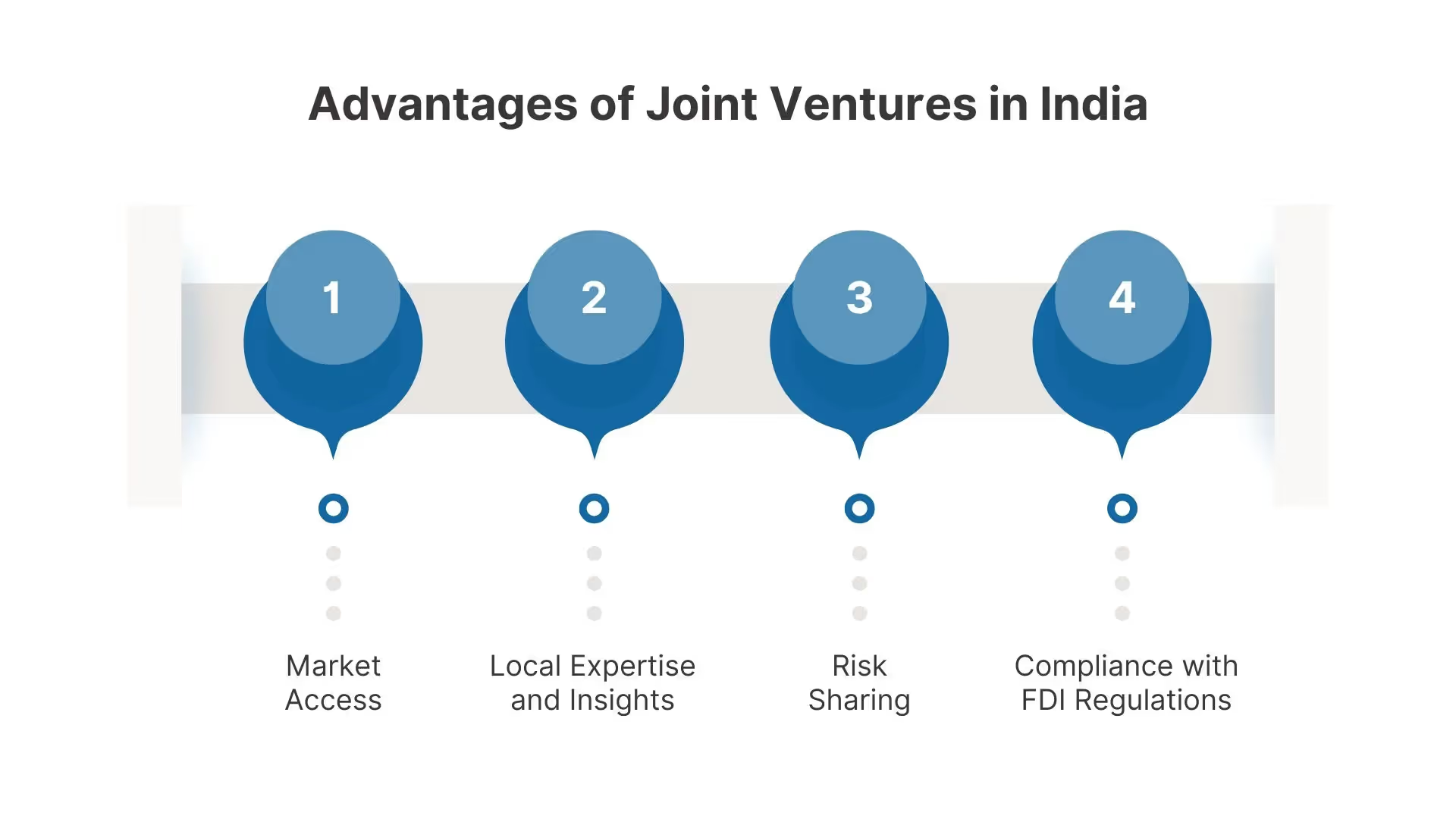
Forming a joint venture in India provides numerous advantages for foreign companies seeking to enter the Indian market, collaborate on new projects, or expand their presence. Let’s explore the key benefits:
By partnering with an Indian entity, U.S. companies gain direct access to India’s vast and growing consumer market. This collaboration provides U.S. companies with an established distribution network and local insights, making it easier to penetrate the market and reach a larger customer base.
A joint venture allows U.S. companies to benefit from the deep knowledge and experience of their Indian partner. India’s business environment is shaped by unique cultural and regulatory factors. A local partner can guide foreign companies through the complexities of these aspects, including navigating government policies, understanding consumer preferences, and addressing regional differences.
Joint ventures help mitigate business risks by sharing them with the Indian partner. This is particularly important when entering an unfamiliar market like India. Both parties share the financial, operational, and market-related risks, making it easier to manage the challenges that come with starting or expanding a business in a new region.
India’s Foreign Direct Investment (FDI) regulations often require foreign companies to partner with local entities to set up a business in certain sectors. By forming a joint venture, U.S. companies can comply with these regulations, ensuring that they are legally able to operate in India. Foreign companies can invest in India’s growing market while adhering to the FDI guidelines, which provide significant protection for foreign investments.
Now that we’ve explored the key benefits of forming a joint venture in India, let's discuss the practical steps involved in setting up a joint venture in India.
Setting up a joint venture in India is a strategic process that requires careful planning and adherence to legal and regulatory requirements. Below are the essential steps for successfully establishing a joint venture in India, ensuring compliance, and building a solid foundation for your business operations.
The first and most crucial step is choosing the right Indian partner. The success of your joint venture depends heavily on the local partner’s industry expertise, market knowledge, and operational capacity. Here are some factors to consider when selecting a partner:
Once you’ve identified the right local partner, the next step is to draft a comprehensive and legally binding joint venture agreement. This agreement should outline the roles, responsibilities, and contributions of each party and the framework for profit-sharing. Key aspects of the agreement include:
The next step is to register and incorporate the joint venture company with the relevant authorities in India. This process involves several legal procedures:
Certain sectors in India may have restrictions on Foreign Direct Investment (FDI), and foreign investors may need to seek approval from the RBI or other relevant authorities. Here’s what you need to do:
Once you have completed the key steps to set up a joint venture in India, the next crucial phase is gathering and submitting the necessary documentation to ensure a smooth registration process.
Further Read: Guide to Registering a Sole Proprietorship in India
Setting up a joint venture in India can be a highly beneficial move for US businesses looking to expand into the Indian market. However, registering a joint venture involves specific documentation to ensure compliance with Indian laws. Here’s a clear list of the documents required to register a joint venture in India for US-based companies:
A continuación, analizaremos los desafíos para los propietarios de empresas estadounidenses al establecer una empresa conjunta en la India.
Iniciar una empresa conjunta en la India representa una oportunidad emocionante, pero las empresas deben ser conscientes de varios desafíos que pueden surgir. Estos incluyen diferencias culturales, complejidades regulatorias y posibles conflictos sobre el reparto de beneficios y la resolución de disputas. Comprender estos desafíos puede ayudar a las empresas a prepararse eficazmente y sentar las bases para una asociación exitosa.
Uno de los primeros obstáculos al establecer una empresa conjunta en la India es gestionar las diferencias culturales y de comunicación. Las prácticas comerciales indias pueden diferir significativamente de las de los EE. UU.
Por ejemplo, la toma de decisiones en las empresas indias puede ser más jerárquica, y las decisiones clave suelen ser tomadas por la alta dirección. Los estilos de comunicación también pueden variar, ya que algunos socios prefieren una comunicación indirecta o son más formales.
Solución: Realizar una capacitación intercultural para ambos equipos con el fin de fomentar el entendimiento mutuo y el respeto por las diferentes normas comerciales y estilos de comunicación.
El entorno regulatorio de la India puede ser desafiante, especialmente para las empresas extranjeras que no están familiarizadas con el marco legal del país. Obtener las aprobaciones necesarias y cumplir con las regulaciones establecidas por autoridades como el Ministerio de Asuntos Corporativos (MCA), el Banco de la Reserva de la India (RBI) y otros organismos gubernamentales puede llevar tiempo.
Los retrasos en las aprobaciones regulatorias son comunes, y las empresas deben estar preparadas para largos tiempos de espera. Asegurarse de que su empresa cumpla con las normas de Inversión Extranjera Directa (IED) y otros requisitos de cumplimiento es esencial para evitar complicaciones legales.
Solución: Contratar a profesionales legales y de cumplimiento con experiencia y familiarizados con las regulaciones indias para guiar a la empresa conjunta a través de los procesos de aprobación y registro.
Los desacuerdos sobre el reparto de beneficios, las responsabilidades de gestión y las expectativas de rendimiento son comunes en las empresas conjuntas.
Es importante definir términos claros desde el principio en el acuerdo de empresa conjunta para evitar conflictos en el futuro. Por ejemplo, el modelo de reparto de beneficios debe ser transparente y basarse en las contribuciones de cada socio, ya sean financieras u operativas.
Solución: Definir claramente los acuerdos de reparto de beneficios en el contrato de empresa conjunta, especificando las contribuciones y derechos de cada socio.
Se debe establecer un mecanismo claro de resolución de disputas, como la mediación o el arbitraje, para abordar cualquier problema que pueda surgir. Al hacerlo, las empresas pueden asegurarse de manejar las disputas de manera justa y mantener la asociación en el camino correcto.
Solución: Incluir una cláusula detallada de resolución de disputas en el acuerdo de empresa conjunta, especificando los métodos preferidos, como la mediación o el arbitraje, y la jurisdicción aplicable.
Estos desafíos son comunes pero no insuperables. Al estar preparados y comprender los posibles obstáculos, las empresas pueden tomar medidas proactivas para superarlos y establecer una empresa conjunta exitosa en la India.
Establecer una empresa conjunta en la India es una excelente manera para que las empresas estadounidenses se expandan hacia una de las economías de más rápido crecimiento del mundo. Al seleccionar cuidadosamente al socio local adecuado, comprender el marco regulatorio y garantizar acuerdos claros, las empresas pueden desbloquear el potencial del mercado indio. El éxito de una empresa conjunta en la India depende de la colaboración y los beneficios mutuos entre ambas partes, asegurando objetivos compartidos y operaciones fluidas.
En VJM Global, nos especializamos en ayudar a las empresas estadounidenses con la creación de sus empresas conjuntas en la India. Nuestra experiencia en estrategias legales, de cumplimiento y de entrada al mercado garantiza que su empresa conjunta esté estructurada para el éxito desde el primer día.
Ready to establish your joint venture in India? Contact VJM Global today, and let us assist you in making your business expansion a smooth and profitable one.




