For many US SMEs, payroll grows complicated long before the business feels ready for a full in-house finance team. Tasks pile up, filings shift by state, and payment cycles stretch internal bandwidth. Firms already familiar with structured processes, such as those used in law firm accounts receivable management, see the same pattern: when the workflow lacks clear rules, errors appear quickly. As teams scale, this pressure increases, making consistent controls as important as accurate law firm accounts receivable management.
Outsourcing payroll from the US to India gives SMEs access to teams that handle compliance steps, month-end routines, and multi-state rules without adding hiring overhead.
In this guide, you will learn how to outsource payroll from the US to India with clarity and control.
Puntos clave
Receivable accuracy depends on capturing rate approvals, retainer thresholds, and portal formatting rules during matter intake so offshore teams work with complete billing data.
UTBMS coding, narrative phrasing, and client-specific rejection patterns must match each client’s audit behavior to prevent stalled invoices.
Practice-area sequencing, like litigation research, draft review, filing, or corporate diligence-negotiation-closing, directly impacts draft acceptance and reduces audit flags.
Attorney review speed improves when billing teams follow known approval rhythms, assistant pre-review habits, and adjustment histories recorded for each partner.
Exposure control relies on tracking portal delays, short-pay trends, and matter holdbacks tied to settlements, closings, or carrier post-trial audits across US to India workflows.
What is Law Firm Accounts Receivable Management?
For US law firms, receivable work is a financial control system tied to matter budgets, rate agreements, retainer drawdowns, and strict client billing protocols.
When part of the workflow moves from the US to India, every step must mirror the firm’s practice-area rules, partner review preferences, and client-specific billing arrangements so cash flow stays predictable and disputes stay low.
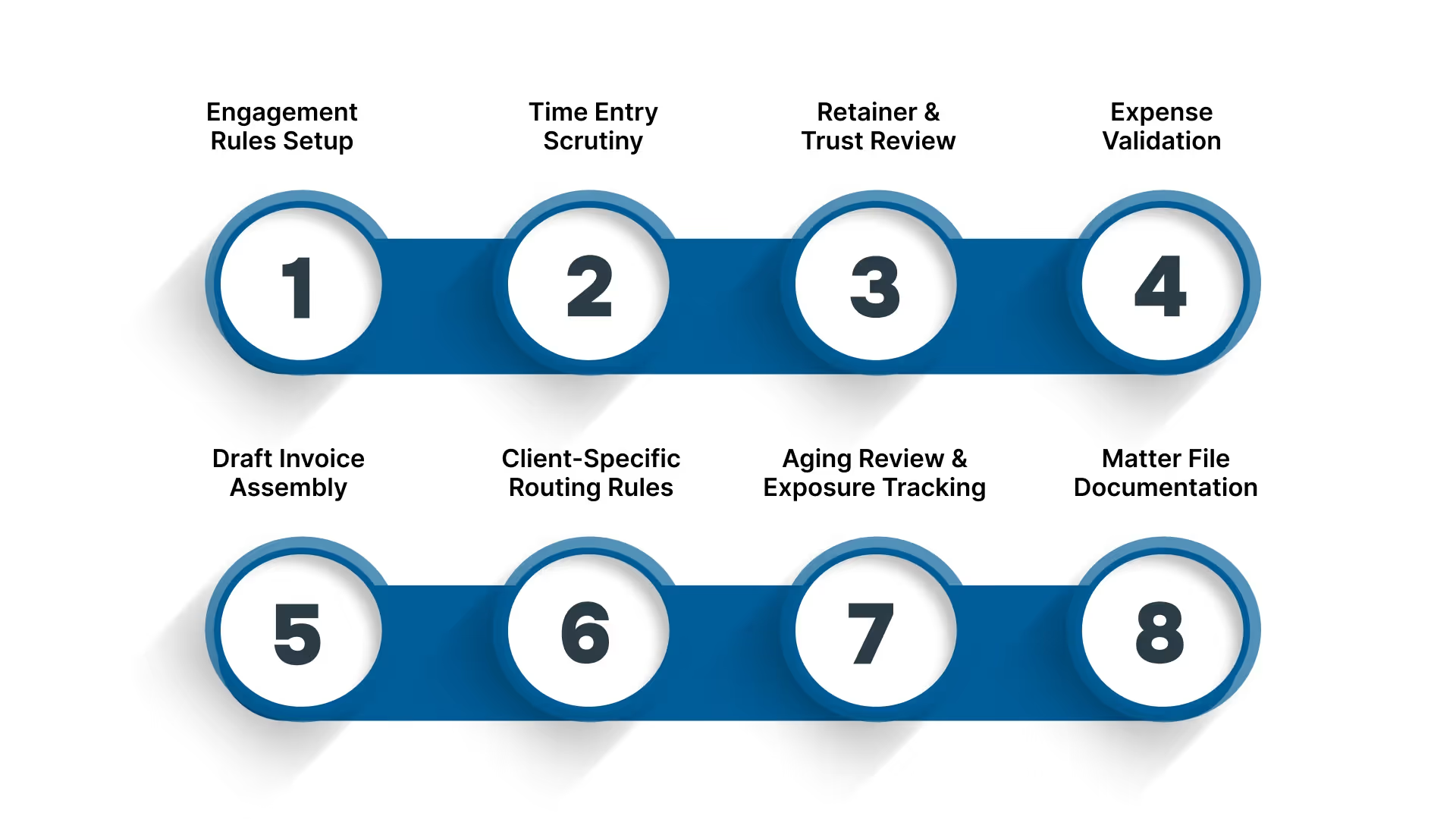
Engagement Rules Setup: Firms document billing cycles, rate cards, retainer thresholds, discount approvals, and LEDES or non-LEDES formats so offshore teams follow the exact structure used by the billing attorney.
Time Entry Scrutiny: Teams compare entries with UTBMS codes (Uniform Task-Based Management System), matter budgets, rate exceptions, staffing plans, and task-level authorizations before any hours move to draft invoices.
Retainer and Trust Review: Support teams track trust balances, upcoming drawdowns, and replenishment triggers to prevent bills from going out without available funds.
Expense Validation: Expenses are checked against client billing guidelines, matter caps, receipt requirements, and reimbursement restrictions common in litigation, corporate, and IP matters.
Draft Invoice Assembly: Drafts are built with clean narratives, approved write-downs, compliant task codes, and partner-level adjustments before routing to the responsible attorney.
Client-Specific Routing Rules: Invoices follow workflows customized for each client, including e-billing platform uploads, compliance checks, rejection code handling, and required status notes.
Aging Review and Exposure Tracking: Aging schedules are examined at the matter level to identify patterns like long approval cycles, chronic short pays, or clients holding invoices past escrow releases or closing milestones.
Matter File Documentation: Every matter has a control file with rate approvals, partner instructions, client communication history, dispute notes, and prior adjustments, so follow-ups are accurate and traceable.
With those structural responsibilities defined, the next step is seeing how each task moves through the firm’s billing sequence from intake to collections.
Receivable work in a US law firm moves through a fixed sequence tied to matter intake, rate approvals, and client billing platforms.
When part of the workflow shifts from the US to India, teams follow a synchronized process that reflects partner preferences, client billing codes, and practice-specific rules. Each action depends on documented triggers rather than generic billing habits.
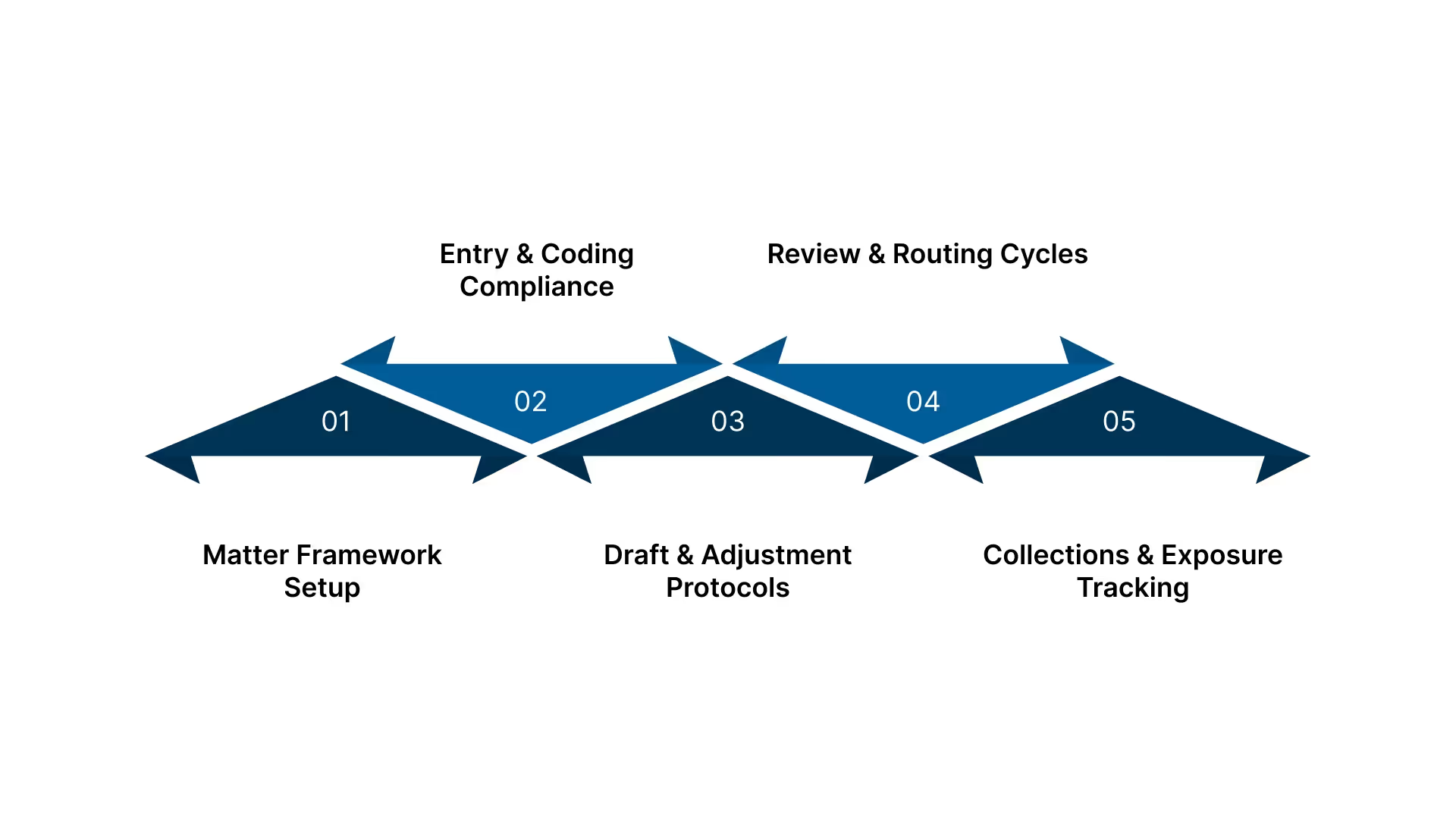
Matter Framework Setup: Intake teams record staffing plans, LEDES formats, retainer stages, rate structures, and partner preferences that guide every receivable task.
Entry and Coding Compliance: Time and expenses are checked against UTBMS codes, narrative rules, rate exceptions, and practice-area templates to prevent client rejections.
Draft and Adjustment Protocols: Drafts are prepared with approved adjustments, phase-based templates, matter notes, and billing milestones mapped to litigation or transactional work.
Review and Routing Cycles: Drafts move through partner-specific cycles and client portal workflows, including routing rules, upload requirements, rejection codes, and status updates.
Collections and Exposure Tracking: Payments, trust movements, short pays, aging trends, and matter-level exposure signals are monitored to identify slow approvals, holdbacks, and closing-related delays.
With the workflow sequence laid out, the next step is identifying the points where small operational adjustments have the biggest impact on billing accuracy and approval speed.
Outsource your bookkeeping and save time without compromising accuracy. Let us handle the books.
Practical Tips to Improve Law Firm Accounts Receivable Management
Receivable improvements in a US law firm depend on controls tied to matter budgets, approved staffing plans, portal behavior, and attorney-specific billing habits.
These tips focus on operational steps that directly influence how quickly invoices move through e-billing review and how consistently payments arrive. They are designed for firms that coordinate part of the workflow from the US to India, including those supported by VJM Global.
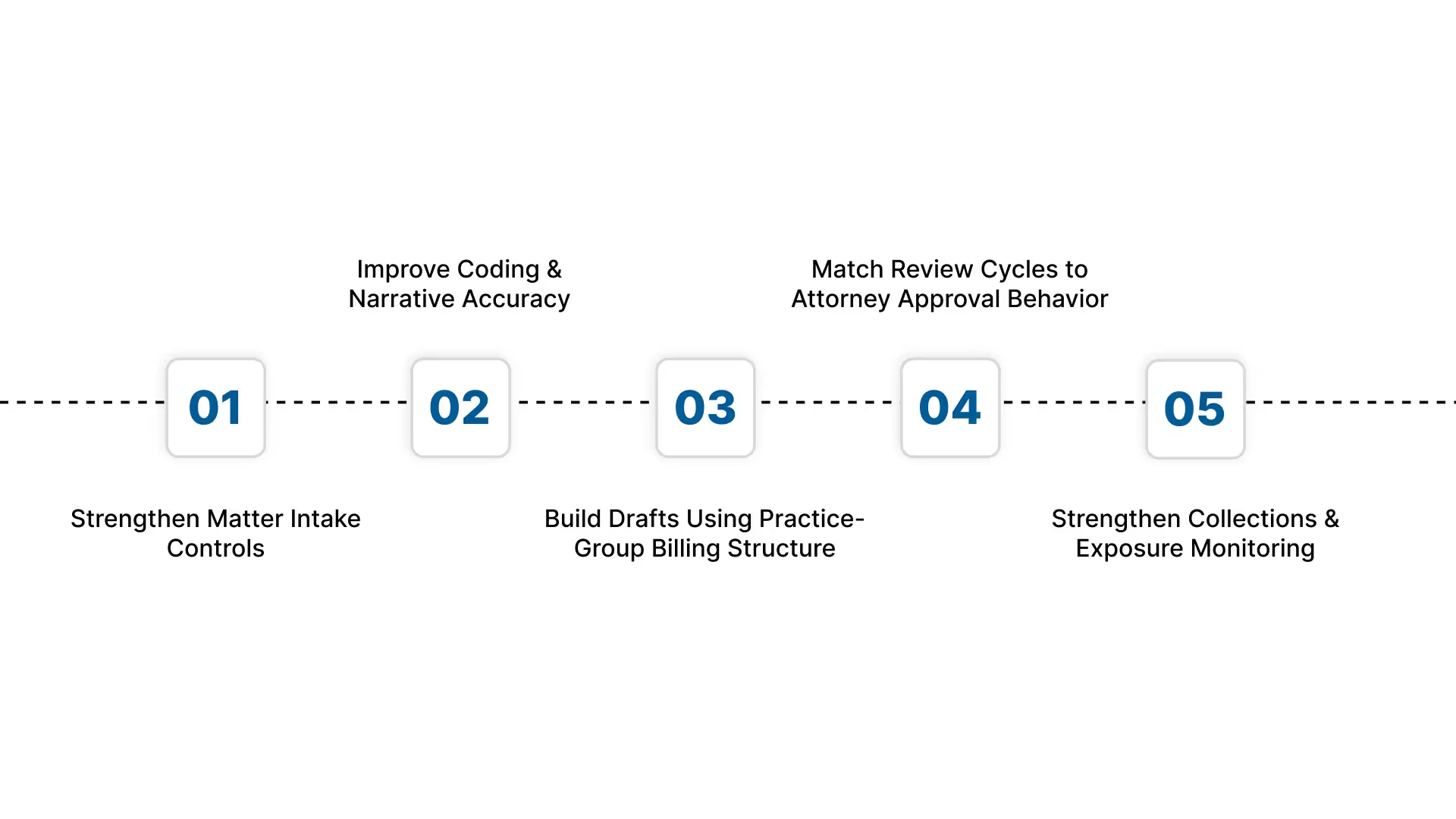
1. Strengthen Matter Intake Controls
Receivable issues often trace back to incomplete intake files, especially when billing requires strict portal formatting or detailed rate histories.
Client-Approved Rate Files: Store historical rate approvals for that client, including blended rates and temporary increases for trial or closing periods.
Retainer Threshold Instructions: Document minimum trust levels and the sequence for applying trust funds across matters owned by the same client.
Portal Configuration Notes: Capture the client’s portal rules, such as LEDES version, required task-code pairs, and submission fields that trigger automatic rejections.
2. Improve Coding and Narrative Accuracy
Coding and narrative issues are the top reasons invoices stall inside systems like Legal Tracker and CounselLink, so accuracy must match client-level patterns.
Matter-Specific Code Maps: Map the UTBMS codes that each client accepts for that matter type, including codes they frequently dispute or downgrade.
Narrative Pattern Rules: Apply narrative formats the client expects, such as separating attorney review from administrative review or detailing task outcomes.
Rejection Trigger List: Track phrases, abbreviations, and billing behaviors that previously caused rejections for that exact client or department.
3. Build Drafts Using Practice-Group Billing Structure
Drafts move faster when they mirror how the client audits that specific practice area rather than relying on generic templates.
Litigation Time Sequence: Build drafts around the client’s approved sequence for litigation work, such as research → drafting → review → filing.
Corporate Deal Milestones: Include work descriptions tied to deal stages like diligence rounds, document revisions, and pre-closing confirmations.
Insurance Carrier Checklists: Apply carrier-specific rules, including disallowed entry combinations, required activity codes, or limits on senior attorney involvement.
4. Match Review Cycles to Attorney Approval Behavior
Approval delays usually come from misalignment with how each attorney or partner reviews and edits billing drafts.
Attorney Review Schedules: Record which attorneys review invoices only during case lulls versus those who review daily or before major deadlines.
Adjustment History Tracking: Keep a log of the partner’s typical reductions, such as removing duplicated research or trimming internal consult time.
Assistant Pre-Review Flow: Route drafts to assistants first if the attorney historically delegates narrative refinement or entry cleanup.
5. Strengthen Collections and Exposure Monitoring
Collections improve when firms track client-specific approval patterns, short-pay logic, and matter-level risk signals. VJM Global teams support this granular tracking when workflows run from the US to India.
Client-Level Approval Lag Profiles: Track which client departments cause consistent delays, such as compliance reviews or secondary approvers.
Short-Pay Reason Analysis: Review prior reductions tied to specific patterns such as long narrative entries or charges submitted without matching task codes.
Matter Exposure Indicators: Flag matters where invoices consistently move only after settlement filings, deal closings, or carrier audit cycles.
Even with stronger controls in place, certain matter-level issues continue to slow billing cycles, especially when client instructions shift mid-engagement.
For law firms seeking consistent coding accuracy, reliable draft cycles, and offshore support that mirrors attorney expectations, VJM Global delivers complete receivable management support.
Common Challenges in Law Firm Accounts Receivable Management
Receivable gaps in US law firms usually appear inside the operational steps tied to matter budgets, client auditing habits, and platform-driven requirements.
These issues surface quickly when work runs from the US to India, because offshore teams depend on documented approvals, matter histories, and client-specific billing logic that cannot be inferred. The following points focus on problems that stem from operational precision, not broad billing issues.
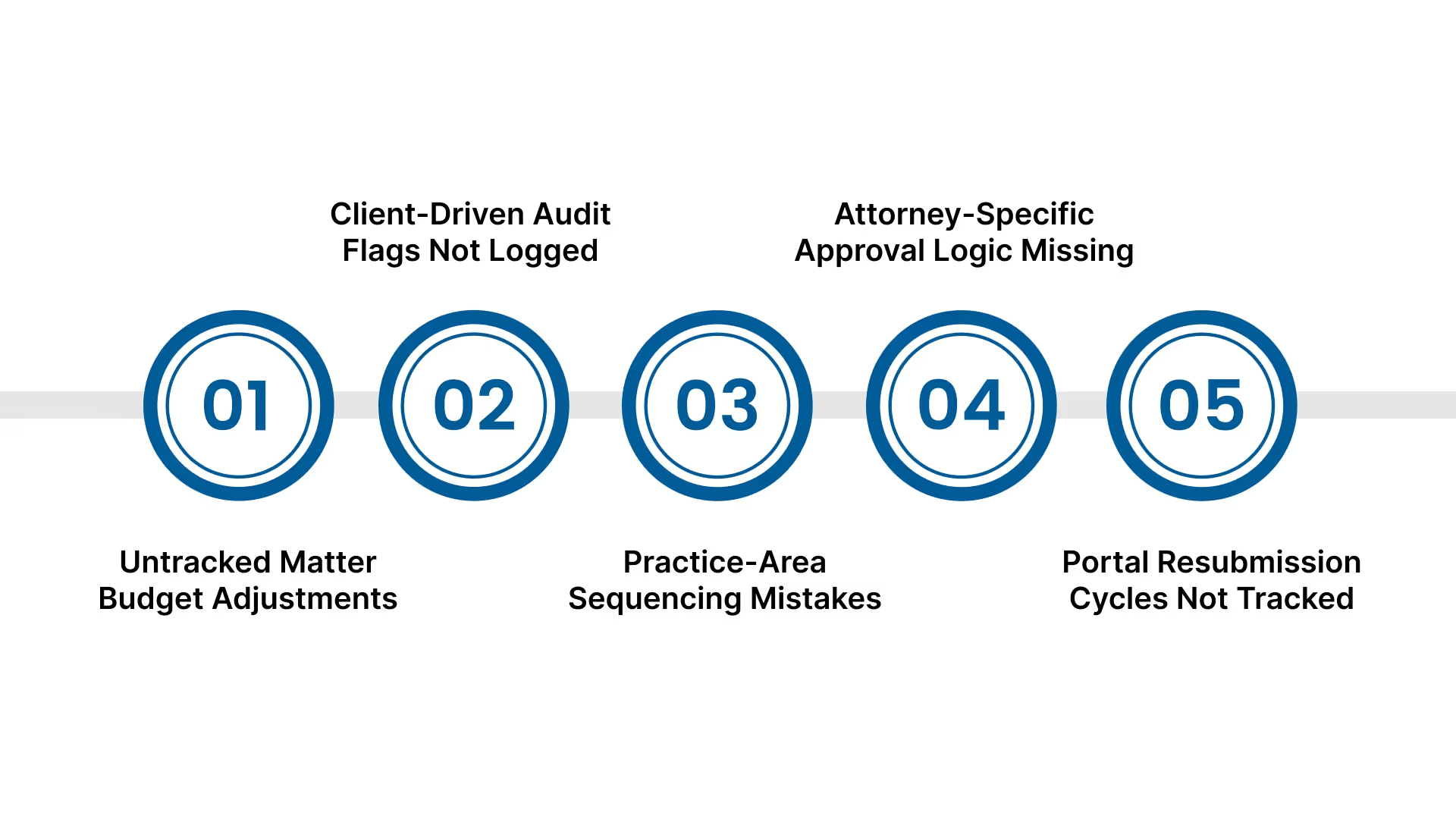
Untracked Matter Budget Adjustments: Changes made by attorneys during a case, such as shifting hours from senior to junior staff or expanding review scope, are not recorded for billing teams, creating mismatches between billed work and client expectations.
Client-Driven Audit Flags Not Logged: Clients that audit invoices for patterns like consecutive research entries, split reviews, or repeated internal discussions often flag matters when those patterns reappear because the audit rules were not captured.
Practice-Area Sequencing Mistakes: Certain clients require work to follow specific sequences, such as corporate diligence before negotiation tasks or litigation conferences before drafting motions, and drafts fail when time entries do not reflect the required order.
Attorney-Specific Approval Logic Missing: Some attorneys approve only after receiving internal status updates or after reviewing case progress notes, and billing teams proceed without these checkpoints, causing drafts to be returned.
Portal Resubmission Cycles Not Tracked: Client portals often return invoices with automated feedback codes, and when prior rejection reasons are not stored, such as missing phase tags or required narrative separators, the same errors repeat across matters.
These operational gaps reveal why many firms need a structured offshore framework that can follow matter-level rules without relying on internal guesswork.
From bookkeeping to audit prep, we handle it all. Discover how outsourcing can work for you.
How VJM Global Supports Law Firm Accounts Receivable Management From the US to India
Law firms that shift receivable work from the US to India need teams that understand how matter budgets, client portal rules, and attorney approval habits influence every billing cycle.
VJM Global supports this by building structured receivable workflows that match each firm’s billing patterns, client requirements, and compliance expectations. The result is a receivable process that stays consistent across matters, attorneys, and client departments.
Precisión en el procesamiento de facturas: VJM Global prepara y revisa las facturas utilizando la misma disciplina aplicada en sus servicios estándar de cuentas por cobrar, lo que favorece borradores limpios y ciclos de facturación consistentes.
Soporte de conciliación: El equipo gestiona las conciliaciones vinculadas a las cuentas por cobrar, los saldos de los asuntos y los movimientos de fideicomiso, asegurando que los registros de facturación coincidan con los datos financieros de respaldo.
Análisis de partidas antiguas: VJM Global revisa las cuentas por cobrar vencidas, identifica las partidas retrasadas y documenta los patrones que afectan los plazos de pago, un trabajo que ya se ofrece dentro de sus servicios de AR.
Infraestructura de externalización contable: Con flujos de trabajo establecidos para la contabilidad, la elaboración de informes y las tareas orientadas al cumplimiento, VJM Global proporciona el mismo soporte estructurado para la actividad de facturación de firmas legales desde EE. UU. a la India.
Disciplina de documentación e informes: La firma mantiene registros financieros organizados, prepara informes de deudores precisos y mantiene la documentación alineada con el nivel de detalle que requieren las firmas legales.
Final Thoughts!
Managing receivables, portal reviews, and approval cycles with precision is what keeps a US law firm financially steady, especially when work moves from the US to India. Firms handling strict UTBMS rules, matter-specific billing patterns, and client audit requirements depend on structured law firm accounts receivable management to keep cash flow predictable and attorney workloads focused on case work instead of billing corrections.
VJM Global supports firms by building receivable workflows that match each client’s review rules, attorney approval habits, and matter-level billing structures. With teams experienced in law firm accounts receivable management, VJM Global helps reduce billing reinstatements, minimize portal rejections, and maintain consistent documentation across matters.
If your firm is ready to strengthen receivable operations from the US to India, VJM Global can support you at every stage. Get in touch with us!
FAQs About Law Firm Accounts Receivable Management
1. How does law firm accounts receivable management handle rate exceptions approved mid-matter?
Mid-matter rate changes must be logged in the matter file and mapped to specific timekeepers so entries match the updated rate structure during billing.
2. What role does matter-level budget drift play in law firm accounts receivable management?
Budget drift affects approval timing because clients often pause or query invoices when billed activity no longer aligns with the planned litigation or deal sequence.
3. How are multi-matter clients handled in law firm accounts receivable management when trust funds or retainers need coordinated application?
Firms track retainer thresholds across all active matters and follow client-approved rules for how trust funds should be allocated or replenished.
4. How does law firm accounts receivable management address narrative patterns that repeatedly trigger client audit flags?
Recurring issue patterns, like missing task outcomes or segmented narratives, are recorded and applied as standing instructions for future billing cycles.
5. What safeguards support law firm accounts receivable management when attorneys delegate approval steps to assistants?
Los equipos de facturación registran los hábitos de delegación de cada abogado, incluyendo qué ediciones gestionan primero los asistentes, para que los borradores sigan el flujo de aprobación previsto sin retrasos.
VJM Global
Descubre opiniones de expertos, consejos y novedades de VJM Global