

%20(4).avif)
Determinar la relación entre el FASB y los GAAP es fundamental para garantizar que sus informes financieros se ajusten a los estándares más exigentes para las empresas en EE. UU. Estos conceptos influyen directamente en la forma en que su empresa prepara y presenta sus estados financieros, lo cual es crucial para mantener la transparencia y la confianza de las partes interesadas.
Pero, ¿qué significan exactamente estos términos para su negocio y cómo afectan a sus estados financieros?
En este blog, desglosaremos las diferencias clave y explicaremos cómo el FASB y los GAAP trabajan juntos para dar forma a sus informes financieros.
El Consejo de Normas de Contabilidad Financiera (FASB, por sus siglas en inglés) es un organismo independiente del sector privado que establece las normas de contabilidad y presentación de informes financieros en los Estados Unidos. El papel del FASB es crucial para garantizar que las empresas sigan reglas claras y coherentes en sus informes financieros, lo que facilita que los inversores, reguladores y otras partes interesadas comprendan y comparen los datos financieros.
Las normas del FASB se aplican tanto a empresas públicas como privadas, así como a organizaciones sin fines de lucro en EE. UU. Estas garantizan que la información financiera sea coherente, transparente y precisa, lo cual es esencial para la credibilidad de cualquier negocio.
Also Read: Company Audit Checklist Guide for Businesses
Este marco sienta las bases para comprender el contexto más amplio de la información financiera, lo que nos lleva a la importancia del papel del FASB en la garantía de estados financieros precisos.
El FASB desempeña un papel fundamental en el sector financiero de los Estados Unidos. Al crear y mantener los GAAP, ayuda a establecer un conjunto uniforme de normas que todas las empresas en EE. UU. deben seguir. He aquí por qué el FASB es esencial:
Comprender cómo el FASB influye en la información financiera es esencial para captar la esencia del marco de los GAAP.
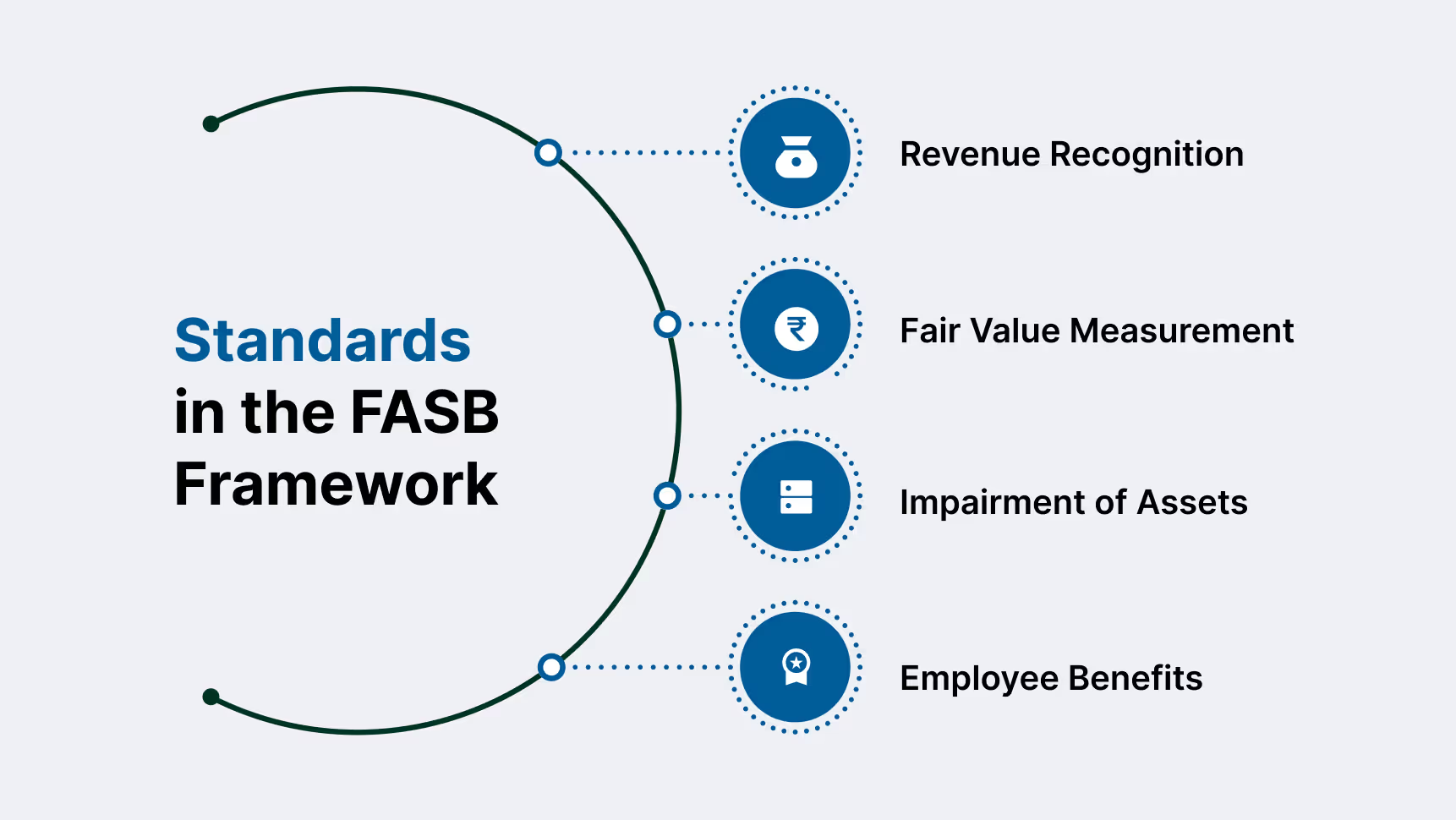
El marco del FASB es un conjunto integral de normas contables utilizadas por las empresas estadounidenses para garantizar la claridad, la transparencia y la coherencia en la información financiera. A continuación, se presentan normas específicas del FASB que guían a las empresas en la preparación de sus estados financieros:
La norma ASC 606 del FASB proporciona un modelo de cinco pasos para el reconocimiento de ingresos, que incluye la identificación de contratos, obligaciones de desempeño y precios de transacción. Los ingresos se reconocen cuando el control de los bienes o servicios se transfiere al cliente. Esto garantiza que las empresas informen los ingresos en el período en que realmente se devengan, reflejando el cumplimiento de las obligaciones bajo un contrato.
La norma ASC 820 establece un marco para medir el valor razonable de activos y pasivos basado en una jerarquía de tres niveles: Nivel 1 (precios cotizados en mercados activos), Nivel 2 (datos observables) y Nivel 3 (datos no observables). Esta norma garantiza que las empresas midan e informen los activos con precisión, especialmente aquellos que no tienen precios de mercado fácilmente disponibles.
Bajo la norma ASC 360, las empresas deben evaluar el deterioro de los activos de larga duración si existen indicios de que sus importes en libros podrían no ser recuperables. Si el valor en libros supera el importe recuperable, se reconoce una pérdida por deterioro. Esta norma ayuda a garantizar que las empresas solo informen el valor de los activos que aún tienen probabilidades de proporcionar beneficios económicos.
ASC 715 governs the accounting for employee benefits, including pensions and retirement plans. It provides guidelines for measuring pension liabilities, recognizing changes in pension obligations, and disclosing pension plan assets and liabilities. This ensures businesses properly account for long-term employee benefits on their balance sheets.
Each of these FASB standards ensures businesses report their financial data with consistency, accuracy, and transparency, allowing stakeholders to make well-informed decisions based on reliable and comparable financial statements.
At VJM Global, we help US businesses overcome the complexities of financial reporting, ensuring compliance with FASB standards and optimizing financial management. Our solutions help maintain accuracy and transparency while cutting operational costs, allowing businesses to focus on growth as we manage financial complexities efficiently.
Now that we understand the foundational role of FASB, let’s explore what GAAP is and how it builds upon these standards to provide detailed accounting rules.
GAAP stands for Generally Accepted Accounting Principles. It is a set of accounting standards and procedures used to prepare financial statements in the US. These principles provide a uniform framework that companies must follow, ensuring consistency and transparency in financial reporting.
In practice, GAAP covers a wide range of accounting activities, including how revenue is recognized, how expenses are matched with revenues, and how assets and liabilities are measured. While FASB sets the standards, GAAP is the comprehensive set of rules that businesses must apply when creating their financial statements.
Lea también: Comprender las diferencias entre GAAP y GAAS
Understanding GAAP is critical, but to fully appreciate its importance, let’s explore why adhering to these principles is essential for businesses and stakeholders.
GAAP is crucial for businesses as it provides a standardized framework for financial reporting. GAAP is vital for businesses for several reasons:
For US businesses, complying with GAAP is not just about following rules; it’s about maintaining credibility and trust with stakeholders.
While GAAP ensures consistent reporting, it’s also crucial to understand the specific standards it enforces, so let's examine the standards under the GAAP framework.
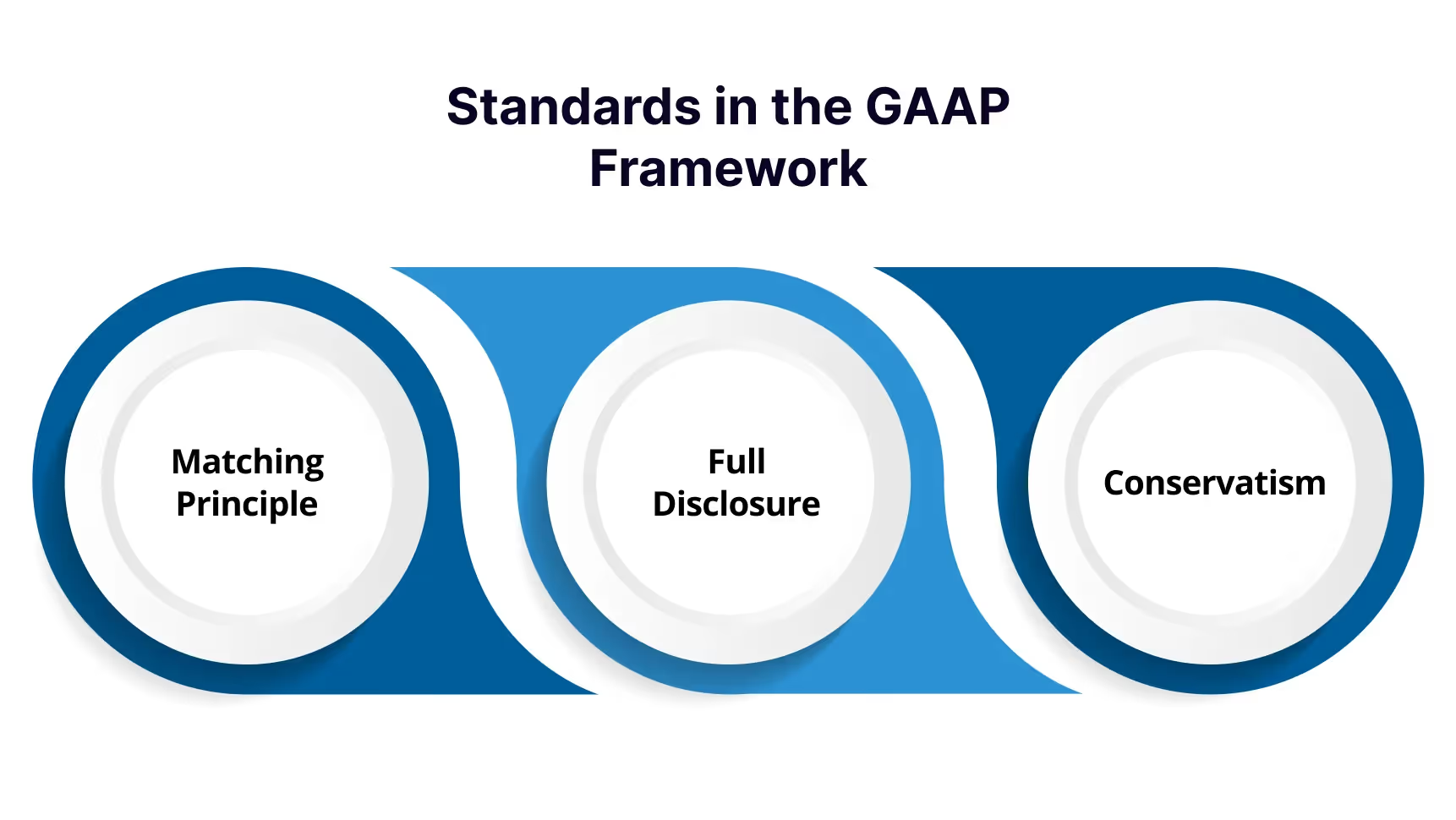
The GAAP framework is structured around specific standards that guide businesses in preparing financial statements. Below are key standards within US GAAP:
Under ASC 720, expenses should be matched with the revenue they help generate in the same period. For example, costs directly related to producing goods or services are recognized alongside the revenue they generate, ensuring that businesses report accurate profit margins for each period.
ASC 275 emphasizes that all relevant financial information, such as contingent liabilities and risks, should be disclosed in the financial statements. This ensures that users of financial reports have a complete picture of the company's financial position, including any off-balance-sheet items.
ASC 450 guides businesses to adopt a conservative approach when recognizing revenue and estimating liabilities. When faced with uncertainty, businesses should report the least optimistic outcome to avoid overstating assets or income. This prevents companies from presenting an overly optimistic view of their financial health.
These GAAP standards ensure that businesses follow a consistent approach to reporting, promoting transparency, reliability, and comparability in financial statements.
At VJM Global, our accounting outsourcing services are designed to help businesses streamline their financial processes while ensuring full compliance with GAAP standards. By outsourcing your accounting needs, you can reduce operational costs and focus on strategic growth.
As we explore how GAAP operates, it’s important to compare its standards with FASB’s, which are the backbone of both frameworks, to understand how they align and differ in practice.
While FASB and GAAP are closely connected, it’s important to understand the distinction between them. Below are key differences in standards that highlight the role and application of each:
In essence, FASB is the body that establishes the GAAP standards, and businesses must follow GAAP to ensure their financial statements meet the required reporting standards.
Also Read: How to Find The Right Accounting Outsourcing Services for USA Business?
Understanding the difference between FASB vs GAAP is critical for US business owners and entrepreneurs. FASB creates and maintains the GAAP standards, which ensure consistency, transparency, and reliability in financial reporting. By adhering to GAAP, businesses can provide accurate financial statements that investors and stakeholders can trust.
For businesses aiming to ensure compliance with financial reporting standards such as FASB and GAAP, VJM Global provides tailored solutions to meet your specific needs. Our expert team helps optimize your financial operations while ensuring full compliance with regulatory bodies.
Schedule a demo with VJM Global to discuss how we can assist in aligning your financial management with FASB and GAAP standards.
FASB stands for the Financial Accounting Standards Board, which is the organization responsible for setting the accounting standards in the United States.
FASB impacts your business by setting the rules for preparing financial statements, ensuring that your company follows consistent and transparent accounting practices.
No, FASB is the organization that establishes and updates GAAP standards, while GAAP refers to the specific set of rules businesses must follow when preparing financial statements.
Following GAAP is essential for ensuring consistency in financial reporting, building trust with investors, and maintaining compliance with regulatory bodies like the SEC.
Por lo general, las empresas estadounidenses deben utilizar los principios GAAP para sus informes financieros, ya que estos se basan en las normas establecidas por el Consejo de Normas de Contabilidad Financiera (FASB). El FASB es el organismo responsable de crear y mantener las normas GAAP, las cuales son obligatorias para las empresas que operan en EE. UU.




