

.avif)
Gestionar las obligaciones fiscales puede ser un desafío complejo y lento para empresas de todos los tamaños. De hecho, 80% de los ejecutivos planean mantener o aumentar su inversión en la externalización a terceros, lo que refleja una creciente dependencia de la experiencia externa para manejar funciones financieras críticas.
Tanto si es una pequeña o mediana empresa estadounidense como una firma de contabilidad profesional, gestionar la preparación de impuestos y el cumplimiento normativo internamente suele requerir recursos significativos, conocimientos especializados y una atención constante a las regulaciones cambiantes.
Aquí es donde entran en juego los servicios fiscales externalizados. Al confiar las funciones fiscales a profesionales externos con experiencia, puede reducir la carga operativa, obtener acceso a conocimientos fiscales actualizados y mejorar la precisión y el cumplimiento, todo ello mientras controla los costes.
En esta guía, aprenderá en qué consisten los servicios fiscales externalizados, comprenderá sus beneficios y descubrirá cómo pueden aportar valor a las operaciones de su empresa.
Los servicios fiscales externalizados se refieren a la práctica de contratar a un proveedor externo para que se encargue de la preparación, presentación y cumplimiento de las responsabilidades fiscales en su nombre. Este método permite a las empresas y firmas de contabilidad acceder a experiencia especializada y a conocimientos actualizados sobre las leyes fiscales sin necesidad de gestionar estas complejas tareas internamente.
Al trabajar con un proveedor dedicado, usted se beneficia de una presentación de impuestos precisa, un mejor cumplimiento y un ahorro de costes al reducir la necesidad de personal interno y los gastos relacionados, como salarios, formación y beneficios. Estos servicios son especialmente útiles durante las temporadas fiscales intensas, ya que ayudan a aliviar la carga de trabajo de su equipo, permitiéndoles centrarse en actividades de asesoramiento de mayor valor o en las relaciones con los clientes en lugar de en la entrada de datos rutinaria.
Los principales proveedores de servicios fiscales externalizados confían en sistemas seguros y en la tecnología más reciente para gestionar sus datos confidenciales con precisión y seguridad. Este enfoque le permite mantener la flexibilidad en la gestión de las fluctuaciones en la carga de trabajo fiscal y garantiza que incluso las situaciones fiscales complejas o específicas de un sector sean abordadas con precisión por profesionales expertos.
Con una comprensión clara de la externalización de la preparación de impuestos, exploremos cómo estos servicios apoyan específicamente a las firmas de CPA durante la crítica temporada de auditorías.
Lea también: Guía sobre la externalización de funciones financieras y contables
La temporada de auditorías es uno de los periodos más ocupados y exigentes para las firmas de CPA. A menudo coincide con la temporada de impuestos, creando un entorno de alta presión donde la precisión y la puntualidad son fundamentales.
Durante este tiempo, las firmas de CPA deben gestionar un aumento en la carga de trabajo, preparar documentación detallada y garantizar el cumplimiento de las regulaciones en constante evolución. Los servicios fiscales externalizados pueden proporcionar un apoyo esencial durante este periodo, ayudándole a mantener la calidad mientras gestiona los desafíos operativos que conlleva la temporada de auditorías.
Así es como los servicios fiscales externalizados pueden ayudarle:
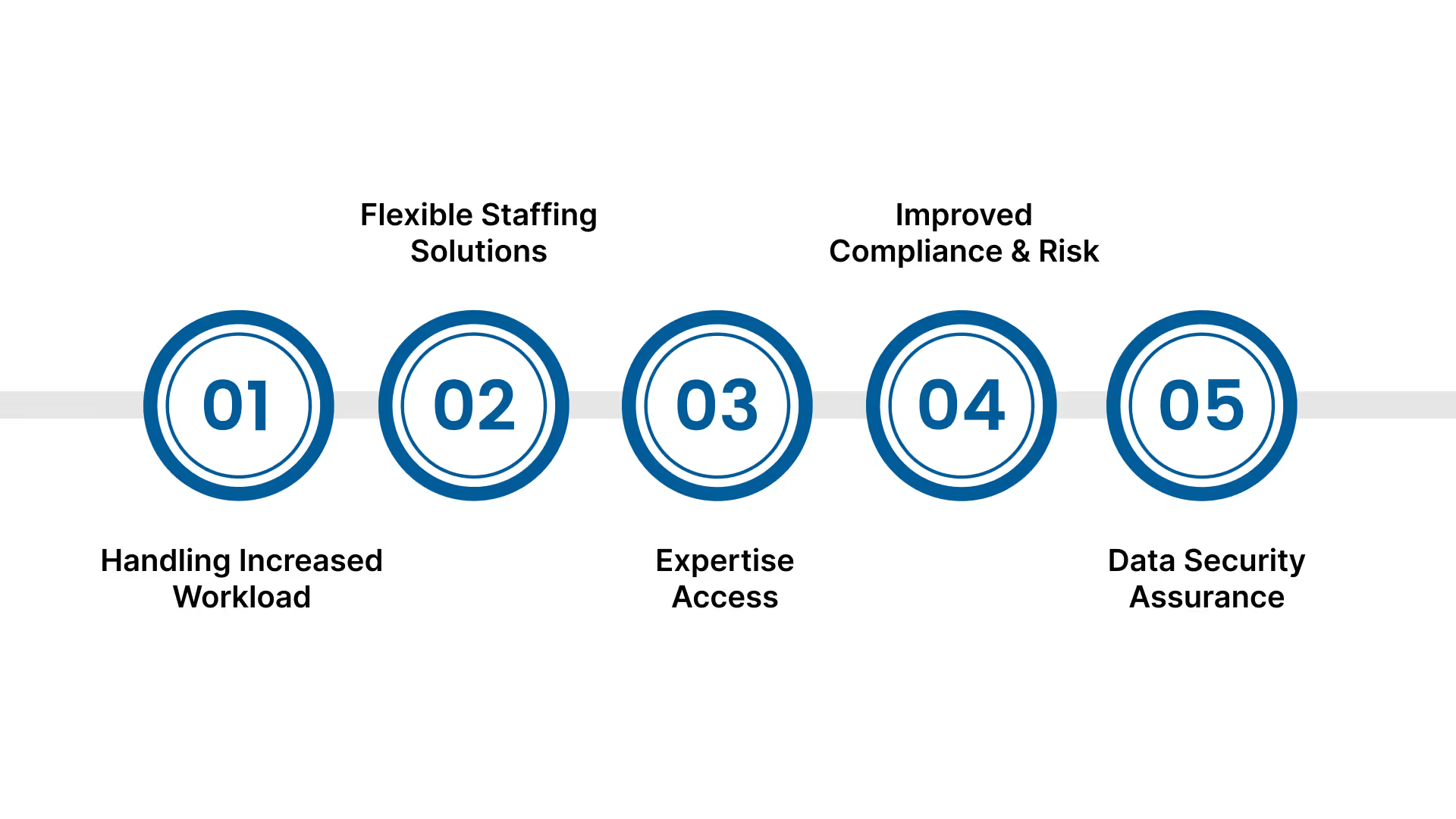
Durante la temporada de auditorías, el volumen de trabajo para las firmas de CPA suele aumentar drásticamente. Los servicios fiscales externalizados proporcionan un apoyo vital al encargarse de las tareas rutinarias de preparación de impuestos y documentación. Esto reduce la carga sobre su equipo interno, ayudándoles a cumplir con los plazos sin sacrificar la precisión o la calidad.
Contratar personal temporal para gestionar los picos estacionales puede ser costoso y llevar mucho tiempo. La externalización de los servicios fiscales le permite escalar sus recursos según la demanda sin incurrir en los gastos fijos asociados a la contratación de empleados adicionales. Este modelo flexible ayuda a gestionar los costes mientras se mantienen los niveles de servicio.
Audit processes require detailed knowledge of tax regulations and compliance standards. Outsourced providers bring specialized skills and up-to-date tax knowledge, ensuring your audit documentation is thorough and consistent with current requirements. This minimizes the risk of errors and penalties during audits.
Tax laws and regulations change frequently, creating compliance challenges. Outsourced tax providers focus on keeping up with these changes, reducing the risk of non-compliance for your clients. Their expertise helps in preparing accurate reports and maintaining documentation that withstands regulatory scrutiny.
Handling sensitive financial and client information securely is critical during audits. Reputed outsourcing firms implement stringent data security measures to protect confidential data. This ensures that your client information remains safe throughout the audit process.
Beyond seasonal support, outsourced tax services offer a range of ongoing benefits that enhance your firm’s overall efficiency and compliance.
Outsourcing tax preparation offers multiple advantages that can directly impact your firm’s productivity, cost management, and client service quality. By entrusting routine tax tasks to external experts, you gain access to specialized skills and resources without the overhead of maintaining a larger in-house team. This strategic approach allows you to focus on more valuable activities and better serve your clients.
Key benefits of outsourced tax services include:
Having outlined the benefits, it’s helpful to examine the step-by-step process involved in outsourcing tax services effectively.
Lea también: Beneficios de externalizar las cuentas por cobrar para las empresas
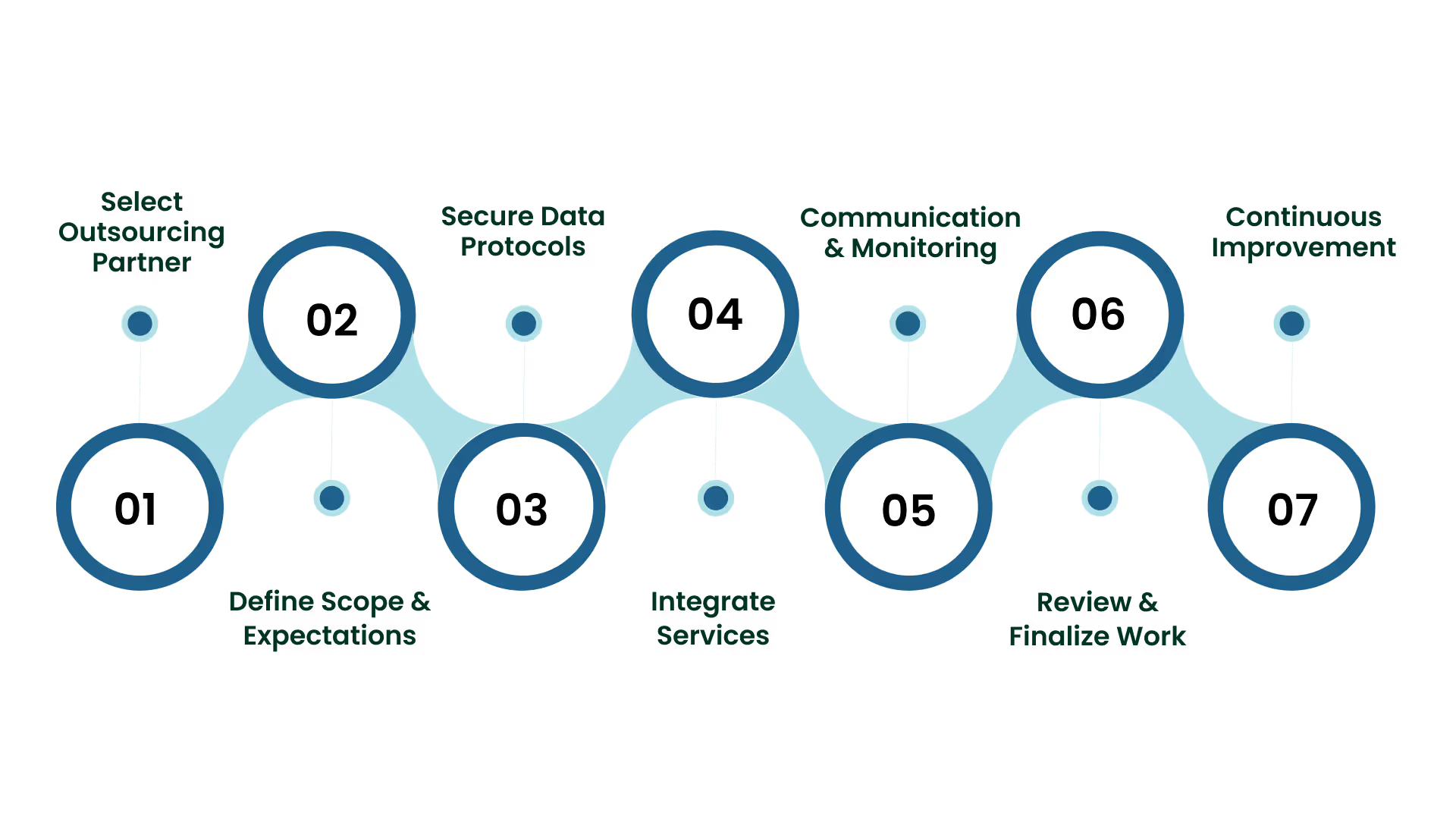
Outsourcing tax services involves several key steps designed to ensure a smooth transition and effective collaboration. Understanding this process helps you set clear expectations and build a productive relationship with your outsourcing partner.
The key steps in this process include:
The first step is selecting a reliable and experienced outsourcing provider with expertise in U.S. tax regulations and CPA firm workflows. Consider their certifications, client reviews, technology capabilities, and ability to meet deadlines. A good partner aligns with your firm’s quality standards and communication preferences.
Tips for Choosing the Right Partner
¿Busca un socio de externalización de impuestos y contabilidad de confianza? VJM Global apoya a las empresas estadounidenses con soluciones expertas de externalización fiscal. Reserve una consulta gratuita hoy mismo y descubra cómo nuestro equipo de expertos puede apoyar el crecimiento y los requisitos de cumplimiento de su firma.
Clearly outline the types of tax returns and specific tasks you want to outsource. Set expectations regarding turnaround times, quality standards, and communication protocols. Defining this upfront helps avoid misunderstandings and ensures smooth collaboration.
Safeguarding sensitive client data is crucial. Implement secure methods for sharing financial documents and tax information, such as encrypted file transfers or secure cloud platforms. This reduces risks related to data breaches or loss.
Smoothly incorporate the outsourcing provider’s work into your firm’s existing processes. This includes using compatible software systems and establishing review checkpoints. Proper integration minimizes disruptions and maintains operational efficiency.
Maintain open lines of communication through regular updates, progress reports, and meetings. Monitoring the outsourced work helps address any challenges early and keeps the project on track.
Once the outsourced tax preparation is complete, review the returns and documentation for accuracy and compliance. Approve finalized documents before filing or delivery to clients. This step ensures adherence to your firm’s standards.
Periodically evaluate the outsourcing partnership based on performance metrics such as accuracy, turnaround time, and client satisfaction. Provide constructive feedback to strengthen the relationship and improve service quality over time.
Following the process, understanding the common tax preparation services helps ensure a productive and ideal outsourcing partnership.
Outsourcing tax preparation covers a broad range of services tailored to meet diverse tax filing and compliance needs for both individuals and businesses. Understanding these typical service offerings helps you identify the right scope for your outsourcing partnership.
Now that you are familiar with the range of tax preparation services available through outsourcing providers, it is important to follow best practices that ensure a successful partnership.
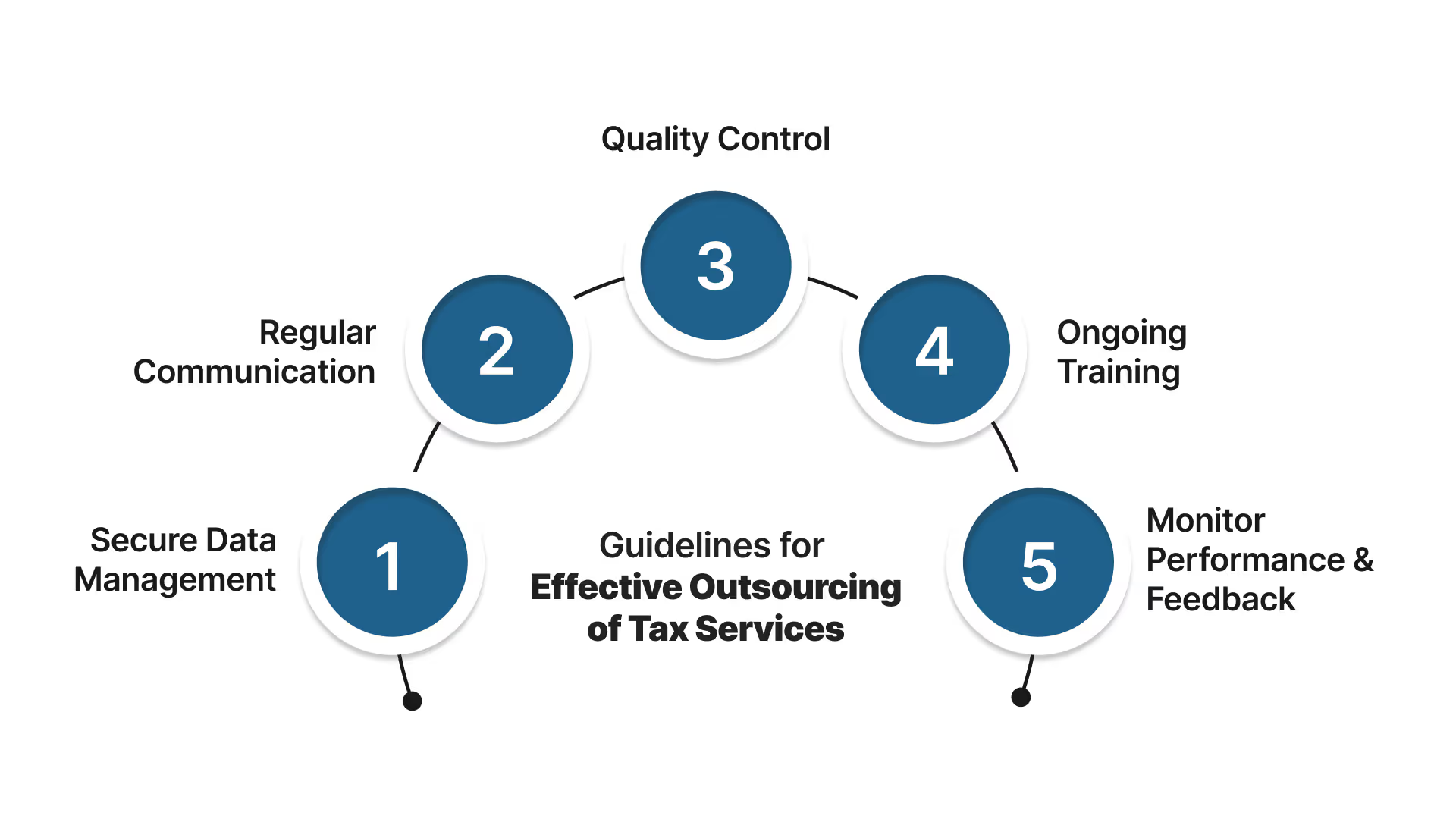
Outsourcing tax services can bring significant benefits, but to fully realize these advantages, you must follow several key best practices. By applying these practices, you ensure your firm retains control over quality, compliance, and client satisfaction while gaining the operational support needed to handle tax workloads:
Implement strong security protocols for sharing and storing sensitive client information. This includes encrypted data transfers, secure cloud platforms, and strict access controls to protect confidentiality.
Schedule frequent checkpoints to discuss progress, address issues, and review documentation. Open communication fosters trust and keeps the project aligned with your firm’s goals.
Conduct thorough reviews of outsourced work for accuracy and compliance before finalizing any tax returns. Quality control helps maintain your firm’s standards and reduces the risk of errors or penalties.
Ensure your outsourcing partner stays current with changes in tax laws and regulations through continuous training. Keeping up-to-date knowledge is critical for accurate and compliant tax preparation.
Establish key performance indicators and regularly assess the outsourcing provider’s work quality and timeliness. Providing constructive feedback supports continuous improvement and a stronger working relationship.
Even with best practices, outsourcing presents challenges that require proactive solutions to maintain high-quality service.
While outsourcing tax services offers many benefits, CPA firms can encounter several challenges during implementation and ongoing management. Recognizing these challenges early and adopting practical solutions will help you maximize the value of your outsourcing partnership.
Below, key challenges are outlined along with effective strategies to address each one.
Errors or inconsistencies in tax preparation can be costly. To prevent this, implement rigorous quality checks combined with clear communication protocols to ensure consistency and accuracy in all filings.
Regulations frequently change, making compliance challenging. Partner with providers who actively monitor tax law updates and maintain expertise to keep your filings accurate and compliant.
Disconnects between your systems and those of your outsourcing partner can slow workflows. Focus on selecting partners compatible with your technology and workflows, and establish clear collaboration protocols.
Understanding these challenges, it is equally important to consider how a trusted partner like VJM Global can provide tailored support to U.S. companies.
Also read: Managing Offshore Audit Work: Common Challenges and Solutions
VJM Global is a trusted Indian outsourcing partner specializing in comprehensive tax, accounting, and business consulting services tailored for U.S. companies. Based in India, our skilled team of professionals delivers cost-effective and high-quality outsourced tax services while ensuring strict compliance with U.S. regulations.
Our expertise spans international taxation, accounting outsourcing, audit and assurance, corporate advisory, and business setup services, making us well-equipped to address the complex needs of overseas clients.
Our tailored outsourcing solutions are designed to streamline your tax processes, reduce operational costs, and improve compliance outcomes. We use advanced technology and secure systems to manage your financial data accurately, supporting your firm’s growth and operational efficiency.
Choosing VJM Global means accessing a reliable offshore partner committed to your success through transparent communication, dedicated support, and scalable services.
Book a demo today to discover the strategic value VJM Global can bring to your operations.
Outsourced tax services involve hiring external experts to handle tax preparation, filing, and compliance tasks. Small to mid-sized businesses, CPA firms, and startups looking to reduce costs and improve accuracy often benefit from these services.
Outsourcing tax preparation to India helps US businesses cut costs by removing expenses for hiring, training, software, and employee benefits. Instead of carrying fixed overheads, you only pay for the services you use, keeping operational costs flexible and predictable.
Outsourced tax services in India help US CPA firms manage audit season by handling heavy workloads, preparing documentation, and ensuring compliance. This reduces errors and frees your in-house team to focus on critical audit tasks.
Key risks include data security concerns, quality control, and communication gaps. These can be managed through secure data transfer protocols, regular quality reviews, and transparent communication channels.
When outsourcing tax services to India, look for a partner with expertise in US tax laws, strong data security, proven client feedback, and the ability to scale as your needs grow. VJM Global, based in India, is a trusted partner offering international taxation, compliance, and accounting outsourcing services tailored for US companies, delivering reliable, secure, and personalized solutions.




