

%20(3).avif)
As a business owner in the US, understanding financial terms is crucial for the growth and success of your business. Among the key financial concepts, non-GAAP measures have become an essential part of how businesses communicate their financial health. But what exactly do these terms mean, and how do they differ from standard GAAP measures?
These measures are often used by companies to give investors and stakeholders a clearer, more comprehensive view of their financial performance. However, it's important to understand when and why non-GAAP measures are used, how they differ from GAAP, and what risks they might carry.
In this blog, we will look into everything you need to know about non-GAAP measures and their significance for your business.
Non-GAAP measures are financial metrics that adjust standard GAAP earnings, often by excluding certain expenses or incomes. These measures give a more tailored view of a company’s financial performance, which some US businesses feel is more reflective of their actual operations.
For example, non-GAAP measures often exclude items like stock-based compensation, restructuring charges, or one-time gains or losses that the company deems non-recurring. By excluding these irregular items, companies hope to provide a clearer picture of their ongoing business performance.
Las medidas no GAAP también pueden denominarse beneficios ajustados o EBITDA (beneficios antes de intereses, impuestos, depreciaciones y amortizaciones). Este enfoque puede ser especialmente valioso para las empresas que se enfrentan a fluctuaciones significativas en eventos puntuales, permitiéndoles presentar una imagen más coherente de su salud financiera a lo largo del tiempo.
Lea también: Comprender las diferencias entre GAAP y GAAS
Understanding what qualifies as a non-GAAP measure is important, but we must also consider the significance of these metrics and how they impact decision-making.
Non-GAAP measures provide flexibility and transparency, offering US businesses the ability to present a clearer and more tailored picture of their performance. These measures can be especially useful in industries where standard accounting practices may not fully reflect the unique nature of business operations.
Key Benefits of Non-GAAP Measures:
VJM Global puede ayudarle a mejorar esta flexibilidad automatizando sus operaciones financieras. Con nuestros servicios de contabilidad y teneduría de libros externalizados, garantizamos la eficiencia operativa y reducimos costes, proporcionando a su empresa una perspectiva financiera más clara y precisa.
While these metrics can be useful, it’s essential to examine the common types of non-GAAP measures businesses typically use.
Non-GAAP measures are frequently used by businesses to provide a clearer picture of their operational performance, excluding non-recurring or non-operational costs. Some of the most commonly used non-GAAP measures include:
Also Read: Company Audit Checklist Guide for Businesses
Now that we understand the types of non-GAAP measures, let’s compare how these metrics differ from traditional GAAP measures and why businesses choose to use them.
The difference between GAAP measures and non-GAAP measures lies primarily in the way they are structured and reported. Here’s a breakdown of the key differences between GAAP and non-GAAP measures:
This table highlights the key differences between GAAP and non-GAAP measures, helping US business owners and investors understand when to use each and how they impact financial assessments.
While non-GAAP measures can offer valuable insights, it’s important to consider the potential risks associated with these metrics, especially when they are used in isolation.
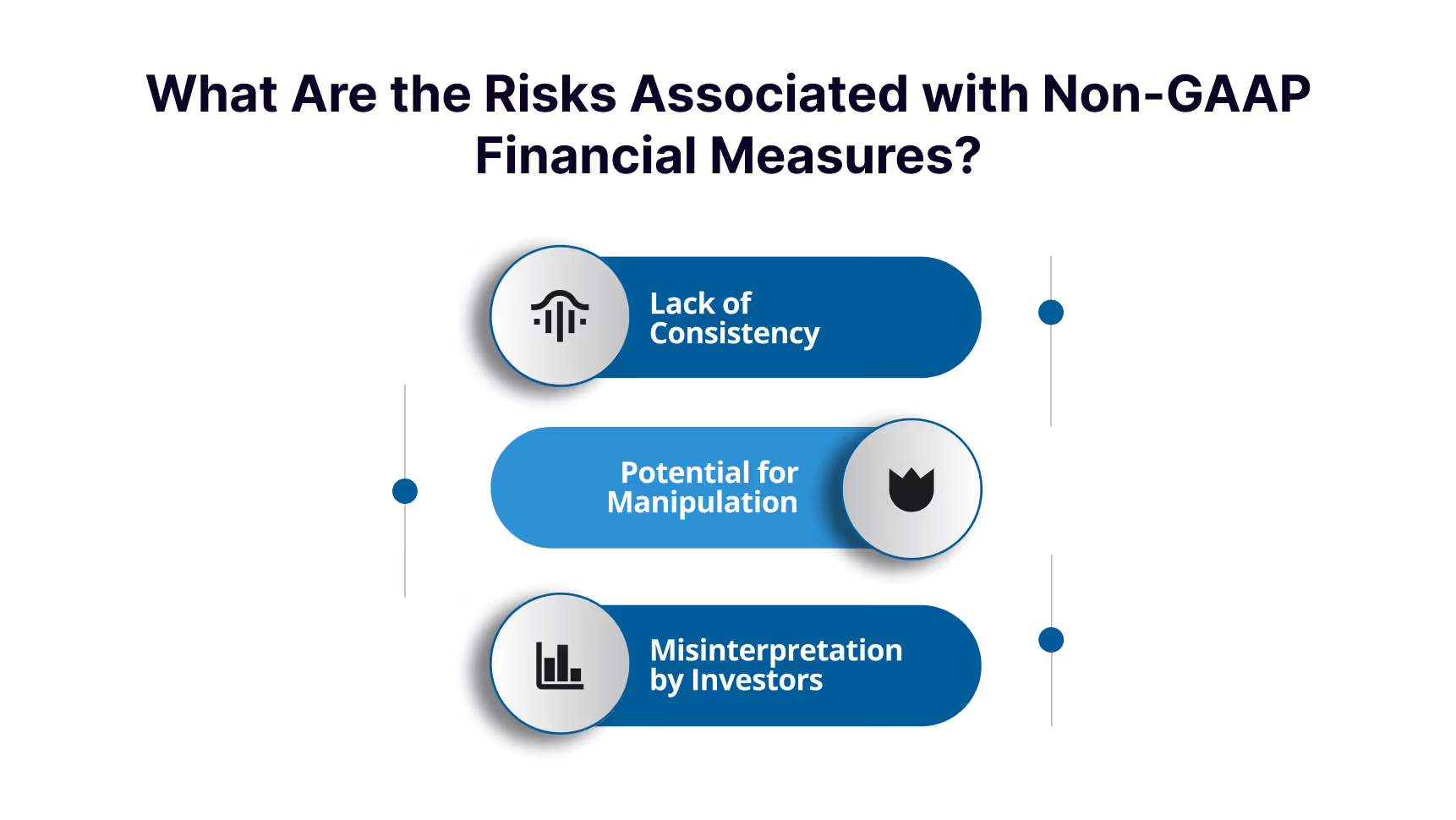
While non-GAAP measures can provide valuable insights, they come with certain risks. It’s important to be aware of these risks to ensure that non-GAAP metrics are used responsibly and transparently. Below are the key risks associated with non-GAAP measures:
Also Read: How to Find The Right Accounting Outsourcing Services for USA Business?
To mitigate these risks, it’s crucial to understand why businesses report non-GAAP financial measures and the regulatory context in which they are used.
For US businesses and entrepreneurs, reporting non-GAAP financial measures is a way to provide a more accurate picture of ongoing operational performance. These metrics allow companies to exclude one-time expenses, such as restructuring costs or stock-based compensation, which may not reflect the company’s day-to-day operations.
By reporting non-GAAP measures, businesses can highlight their core financial strength, making it easier for investors to understand their true potential. Many entrepreneurs use non-GAAP measures to reflect their company’s profitability, cash flow, and performance without the distractions of non-recurring expenses.
While non-GAAP metrics are often helpful, businesses need to approach these measures carefully to maintain transparency and avoid misrepresentation.
In the US, non-GAAP financial measures are closely regulated by the Securities and Exchange Commission (SEC) to ensure that businesses aren’t misleading their investors. US companies must reconcile non-GAAP metrics with the most comparable GAAP measures, offering full transparency about the adjustments made.
For US businesses, it’s crucial to follow these SEC regulations to avoid any potential legal issues or investor confusion. The SEC requires companies to explain why they use non-GAAP measures, what adjustments are made, and how these adjustments improve the understanding of the company’s financial health.
With these regulations in mind, it’s important for businesses to approach non-GAAP measures carefully to maintain clarity and accuracy in their reporting.
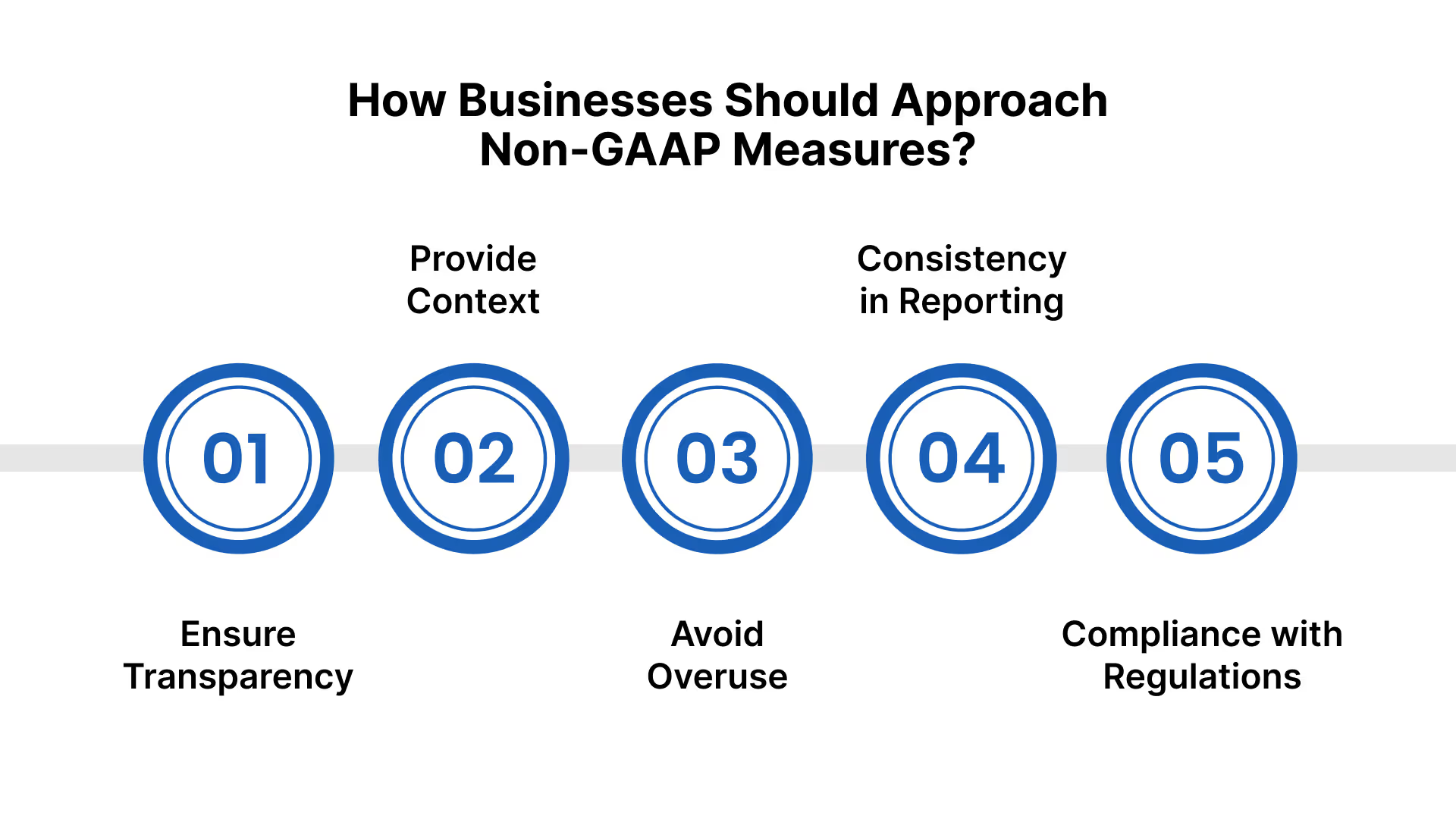
As a business owner in the US, it’s crucial to use non-GAAP measures responsibly. These metrics can provide valuable insights, but they should not replace standard GAAP reporting. Key guidelines for using non-GAAP measures are as follows:
To help maintain full compliance while managing your accounting needs, partnering with experts who understand both US and international regulations is key. At VJM Global, we provide accounting and bookkeeping outsourcing services designed to ensure financial accuracy and adherence to all necessary standards
Al seguir estas mejores prácticas, las empresas estadounidenses pueden asegurarse de utilizar las medidas no GAAP de manera eficaz y responsable, mejorando la claridad y aumentando la confianza de los inversores.
Comprender el significado de las medidas no GAAP es vital para las empresas estadounidenses que desean presentar una visión más completa de su desempeño financiero. Si bien las medidas no GAAP pueden proporcionar una representación más clara y precisa de las operaciones de una empresa, deben utilizarse con cautela y responsabilidad.
Para las empresas estadounidenses que buscan gestionar las medidas no GAAP de manera eficaz, VJM Global ofrece soluciones personalizadas diseñadas para optimizar sus operaciones financieras. Nuestra experiencia abarca la contabilidad, el apoyo en auditorías y la asistencia en el registro de empresas en la India, garantizando que su negocio cumpla tanto con las normas locales como con las internacionales.
Programe una demostración con VJM Global hoy mismo para ver cómo podemos ayudarle a gestionar las complejidades de la información financiera y el cumplimiento normativo.
Una medida no GAAP es un indicador financiero que ajusta los resultados GAAP para reflejar el desempeño operativo continuo de una empresa, excluyendo los gastos extraordinarios.
Las empresas utilizan medidas no GAAP para ofrecer una imagen más clara de sus operaciones principales, especialmente cuando existen eventos no recurrentes significativos que afectan a los resultados GAAP.
Las medidas GAAP siguen normas contables estandarizadas, mientras que las medidas no GAAP excluyen ciertas partidas para reflejar mejor el verdadero desempeño operativo de una empresa.
Las medidas no GAAP proporcionan a los inversores información adicional sobre la salud financiera de una empresa, pero deben utilizarse con cuidado para evitar información engañosa.
Sí, la SEC exige que las empresas concilien las medidas no GAAP con los resultados GAAP y proporcionen explicaciones claras sobre los ajustes realizados.




