英国の企業は、かつてない規模のキャッシュフロー危機に直面しています。支払いの遅延は英国経済に年間約110億ポンドもの損失をもたらしており、期日通りの入金がないために毎日38社もの企業が倒産に追い込まれています。運営コストの上昇、慢性的な支払い遅延、そして膨大な請求書を少人数の財務チームで処理しなければならない現状により、売掛金管理は単なるバックオフィスの業務から、経営陣が直視すべき重要課題へと変化しました。
英国企業の90%が過去1年間に支払い遅延を経験しており、平均して合意された支払い期限から32日遅れています。専任の与信管理担当者を置けない中小企業にとって、この遅延は以下のような深刻な影響を及ぼします。
本記事では、売掛金管理(AR)のアウトソーシングが英国企業にもたらす具体的なメリット、社内で管理する場合の隠れたコスト、そして長期的に成果を出すための実践的な手法について解説します。
売掛金管理アウトソーシングとは、請求書発行、支払い追跡、与信管理、回収業務、レポート作成といった売掛金サイクルの一部または全部を、外部の専門業者に委託することを指します。
適用の対象:
売掛金管理(AR)のアウトソーシングを適切に行えば、キャッシュフローの予測可能性が高まり、財務データが整理され、回収リスクが低減します。また、顧客の支払い状況や時期をより正確に把握できるようになります。これは単なる事務作業ではなく、戦略的な意思決定です。
回収業務が担当者の都合に左右されると、遅延がすぐに積み重なってしまいます。アウトソーシングされたARチームは、以下の定義されたプロセスに基づいて運用されます。
英国企業は、他国以上に支払い遅延の影響を強く受けています。
Shuttleの2026年DSO(売掛金回転期間)ベンチマークによると、平均DSOはセクターによって大きく異なります。
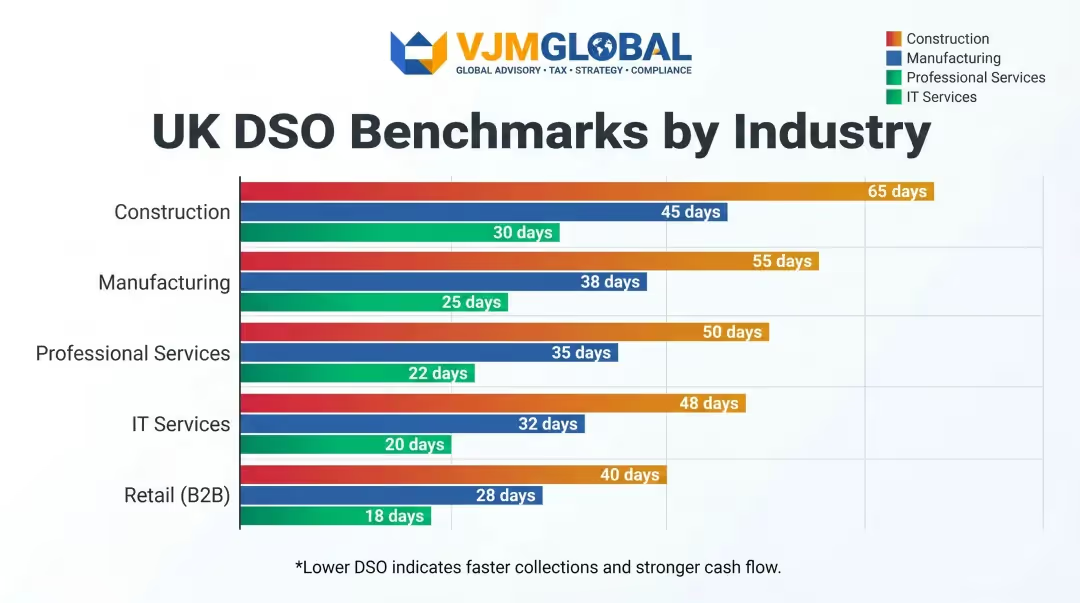
回収業務が担当者の都合ではなく、規律あるプロセスに基づいて行われるようになれば、支払いサイクルが短縮され、新たな借り入れをすることなく運転資金を改善できます。
改善される主なKPIには、DSO、売掛金滞留率、債権年齢構成、キャッシュ・コンバージョン・サイクルなどがあります。このメリットは、請求書発行件数が多い企業、顧客ごとに支払い条件が異なる企業、あるいは季節的な繁忙期に社内リソースが不足しがちな企業において特に顕著です。
回収の迅速化は、次のメリットである「大幅なコスト削減」を実現するための土台にもなります。
ARをアウトソーシングすることで、給与、研修、ソフトウェアライセンス、オフィス費用といった固定費を、人員数ではなく需要に応じて拡張可能な柔軟なリソースへと置き換えることができます。企業は、成果や定義された サービスパッケージ に対して対価を支払うため、年間を通じて稼働率が安定しない常駐チームを維持する必要がなくなります。
英国のクレジットコントローラーの平均年収は28,028ポンドです。これに雇用主負担の国民保険料(13.8%)、年金拠出金(3〜5%)、ソフトウェアライセンス料、研修費、オフィス賃料、管理オーバーヘッドを加えると、1人あたりの実質的な年間コストは35,000〜40,000ポンドに達します。
業界の推計によると、 財務機能をアウトソーシングすることで、 業務の範囲や規模、委託先によって異なりますが、内製化と比較してコストを20〜50%削減できる可能性があります。企業は、この削減分を収益を生む中核事業やテクノロジー投資、成長戦略に充てることができます。
コスト面におけるもう一つの利点:拡張性 アウトソーシングを活用すれば、決算期や契約更新時などの請求業務が集中する時期でも、緊急採用や高コストな派遣スタッフに頼ることなく、柔軟に対応できます。
改善が見込める主要指標には、請求書1枚あたりの処理コスト、売上高に対する管理費比率、請求書発行数に対する債権管理担当者の人数などがあります。これは、特に 専任の財務チームを持たない中小企業や、急速に成長している企業、請求サイクルが不規則な企業にとって非常に重要です。
しかし、債権管理業務によってコンプライアンス上のリスクが生じるようでは、コスト削減の意味がありません。そこで決定的な役割を果たすのが、専門家の知見です。
アウトソーシングの専門業者は、複数の役割を兼務するゼネラリストではなく、英国特有の支払い慣行や与信管理の基準、規制上の義務を熟知した専門スタッフを配置しています。具体的には、以下の3つのコンプライアンス領域をカバーします。
VAT処理の誤りや不適切なデータ管理、法令に違反した督促など、債権管理におけるコンプライアンス上のミスは、英国企業をHMRCの調査対象とし、社会的信用の失墜や罰金のリスクにさらすことになります。
「Making Tax Digital(MTD)」の導入により、2019〜2020年度には1億8,500万〜1億9,500万ポンドのVAT税収が増加しました。これは、正確な債権管理データが直接的に影響を与えることを示しています。 税務コンプライアンスの成果HMRCによる最終評価では、義務化対象企業の67〜76%が、MTD(Making Tax Digital)によってミスの可能性が低減したと回答しています。
法定利息および回収費用:
1998年商取引債務支払遅延法に基づき、企業はイングランド銀行の基準金利に8%を上乗せした法定利息と、以下の固定補償金を請求できます。
専門の売掛金管理(AR)プロバイダーは、これらの規定を適切に適用する方法を熟知しており、専門的な顧客関係を維持しながら収益を保護します。
VJM Globalは、250社以上の英国企業に対し、アウトソーシングによる経理および売掛金管理機能を提供してきました。30年以上にわたるコンプライアンスとアドバイザリーの経験を活かし、英国のクライアントがHMRCの要件、MTDの義務、および支払遅延関連法を正確に遵守できるよう支援しています。
改善されるコンプライアンス指標には、請求書の正確性、紛争解決までの時間、VAT申告の正確性、コンプライアンス監査の合格率などがあります。この利点は、成長フェーズやHMRCによる審査時、あるいはスタッフの入れ替わりによって売掛金管理プロセスに知識の空白が生じた際に特に重要となります。
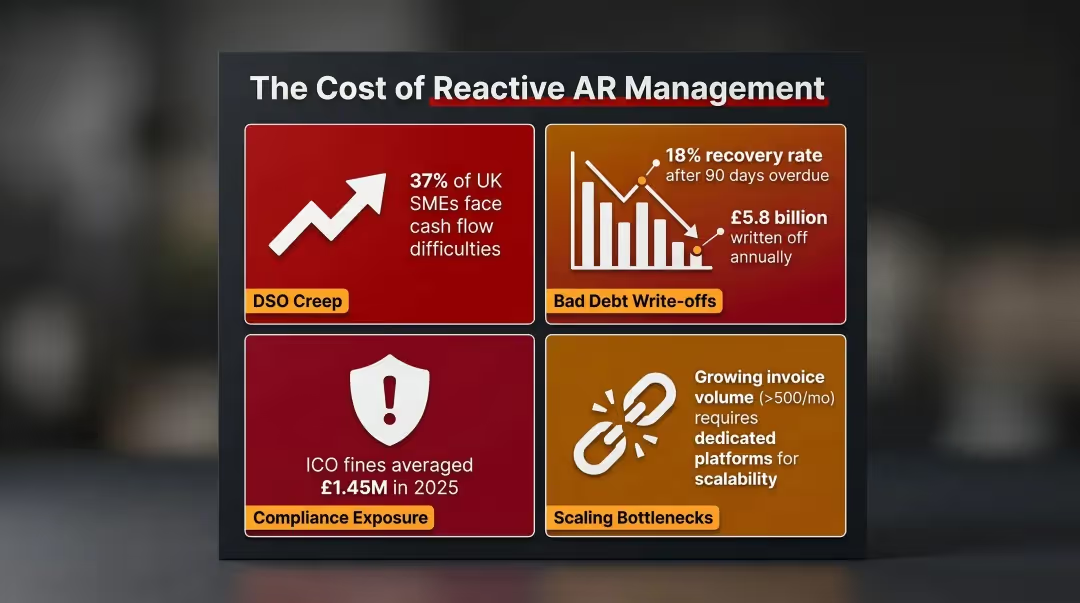
資金が不足した時だけ請求書を追いかける、過重労働のスタッフに頼る、あるいは手作業による回避策を容認するといった「事後対応型」の売掛金管理は、深刻化するまで見過ごされがちな問題を積み重ねることになります。
一般的な結果:
ARアウトソーシングは、最初から適切なパートナーシップを構築して初めて、その真価を発揮します。プロバイダーの選定は最初のステップに過ぎません。
どのAR機能をアウトソーシングするのか(全サイクルか、特定のタスクのみか)を明確にします。以下の項目について測定可能なサービスレベルを設定してください。
これらを四半期ごとに実際のパフォーマンスと照らし合わせて評価してください。
プロバイダーのデータ取り扱いプロトコル、保管場所、アクセス制御、および侵害発生時の通知手順を確認してください。顧客の財務データを扱う英国企業にとって、これは譲れない要件です。
英国GDPR第28条の要件:
情報セキュリティマネジメントの国際規格であるISO 27001などの認証を取得しているか、具体的に確認してください。
アウトソーシング先が、現在お使いの会計ソフト(Xero、QuickBooks、Sage、またはその他の英国向けプラットフォーム)で業務を行えることを確認してください。これにより、手入力によるミスを防ぎ、リアルタイムでの可視性を維持し、月次決算の迅速化をサポートします。
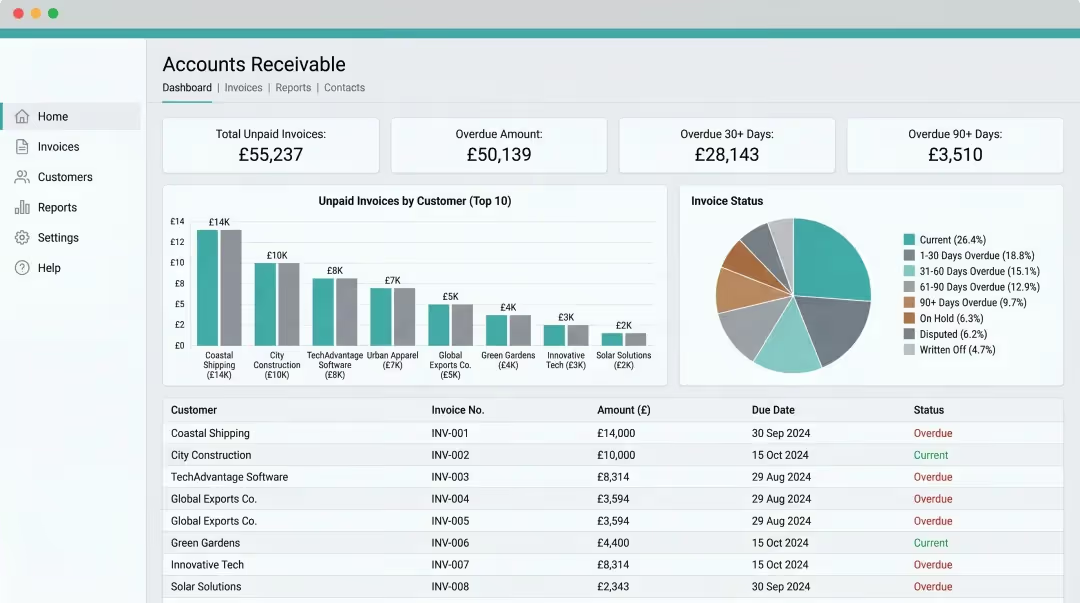
英国の中小企業向け会計ソフト市場では、XeroとQuickBooksが合わせて70%以上のシェアを占めており、Sageはより広範な英国の中小企業セグメントで推定40%のシェアを誇ります。VJM Globalの会計アウトソーシングチームはこれら3つのプラットフォームすべてに対応しており、英国企業特有のコンプライアンス義務にも精通しています。
DSO(売上債権回転期間)の推移、延滞率、紛争解決までの時間を毎月追跡してください。これらを単なる管理レポートではなくビジネス指標として扱い、SLAの再交渉や、解決しない紛争のエスカレーション、パフォーマンスが低下している場合のフォローアップ頻度の調整に活用しましょう。
英国企業にとっての売掛金管理(AR)アウトソーシングとは、規律あるスケーラブルな財務プロセスを構築することを意味します。それは、安定したキャッシュフローを生み出し、運営コストを削減し、ビジネスを コンプライアンスに準拠した状態に保ち、 社内チームに過度な負担をかけることなく実現するものです。
こうした成果は時間をかけて積み上がっていきます。ARをアウトソーシングし、パフォーマンスを厳格にレビューしている企業は、 事業拡大や融資の獲得、支払い遅延への対応において、 社内で同じプロセスを場当たり的に行っている企業よりも有利な立場に立てるでしょう。
ARアウトソーシングを検討する最適なタイミングは、キャッシュフローの逼迫によって決断を迫られる前です。ストレス下で場当たり的に対応するのではなく、最初から正しくプロセスを構築できる時期に行うのが賢明です。
売掛金管理のフルサイクルアウトソーシングには、請求書発行、入金追跡、与信管理、回収業務、紛争管理、消込、レポート作成が含まれます。業務範囲はプロバイダーによって異なり、ビジネスニーズに応じてフルサイクルまたは一部の業務のみを選択することも可能です。
業界の推定では、財務機能をアウトソーシングすることで、社内でスタッフを雇用する場合と比較してコストを20〜50%削減できるとされています。実際の削減額は、請求書の件数、現在のスタッフの人件費、およびアウトソーシングする業務範囲によって異なります。
信頼できるプロバイダーは英国GDPRに基づき、データを安全に管理し、HMRCの請求およびVATの正確性基準に準拠したプロセスを運用しています。契約前に、ISO 27001などの認証やデータ取り扱いプロトコルを確認してください。
多くのプロバイダーは、プロセス設計、データ移行、試験運用といった段階的なアプローチにより、数週間以内に導入を完了できます。シンプルなAR設定であれば、より迅速に開始できる場合もあります。
専門のARチームは一貫性を持って丁寧に対応するため、社内スタッフが長年の顧客に督促する際の気まずさが解消され、むしろ顧客体験が向上することがよくあります。
プロバイダーと連携し、以下の指標を毎月追跡してください。

.avif)