


インドで個人事業主として開業することは、ビジネスを始める際の第一歩となることが一般的です。手続き自体は比較的シンプルですが、重要な法的登録、期限、コンプライアンスの手順を見落としてしまうケースが多く見受けられます。
本ガイドでは、適切な事業形態の選択から事業用銀行口座の開設まで、個人事業主として正しく登録するために必要なすべての情報を網羅しています。初日からスムーズに運営し、コンプライアンスを遵守するための参考にしてください。
個人事業主とは、インドで最もシンプルかつ広く利用されている事業形態です。一人の個人がすべての資産を所有し、利益を享受し、負債に対して全責任を負う形で運営されます。会社やLLP(有限責任事業組合)とは異なり、所有者と事業の法的人格が分離されていないため、設立や廃業が容易です。
このモデルは、低コストでコンプライアンス要件が最小限であることから、小規模なトレーダー、フリーランス、コンサルタント、サービスプロバイダーによく利用されています。一方で、個人としての負債リスクを伴うことや、資金調達の選択肢が限られるといった側面もあります。
登録手続きを進める前に、この事業形態の利点と欠点を比較検討することが重要です。
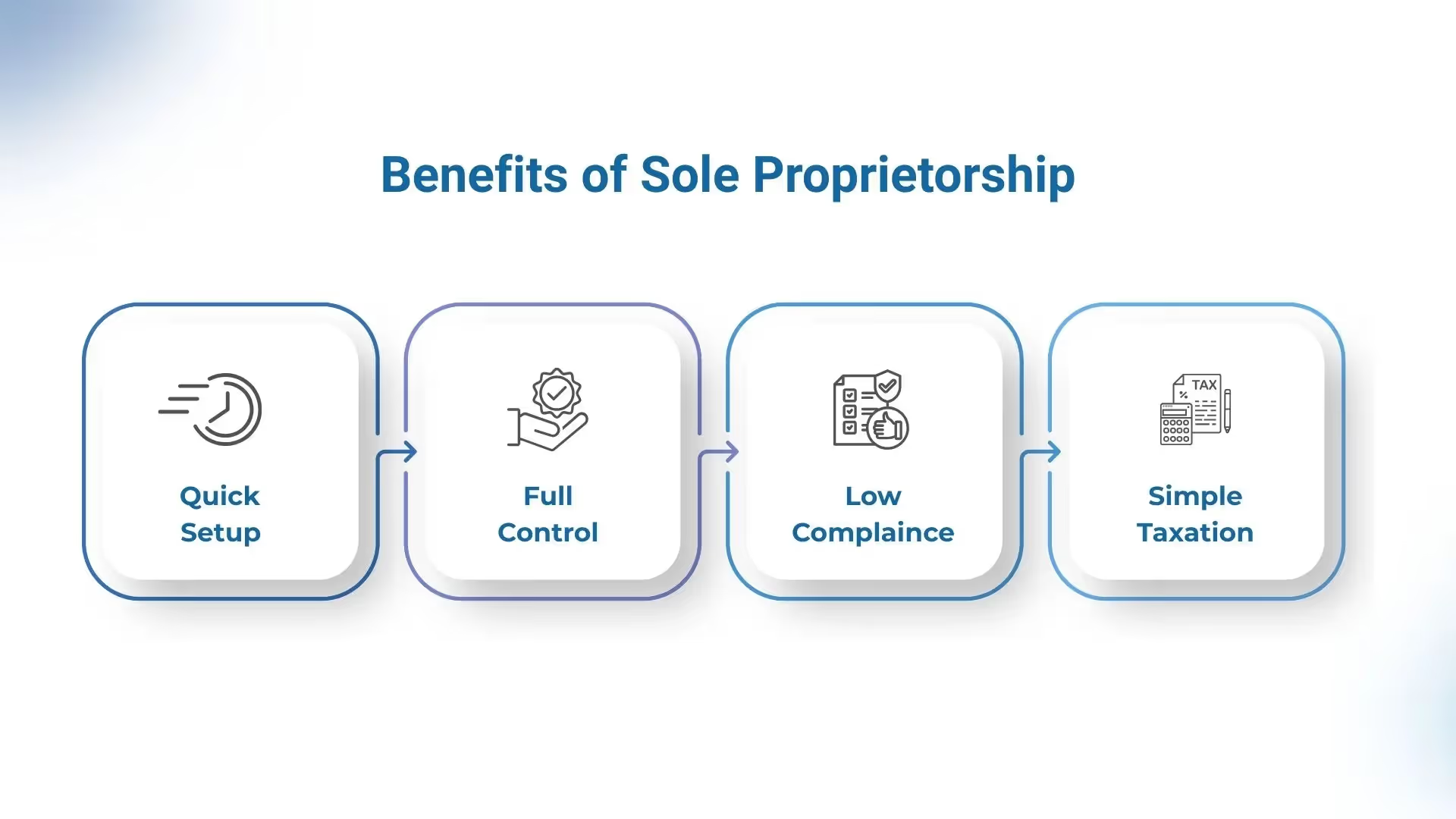
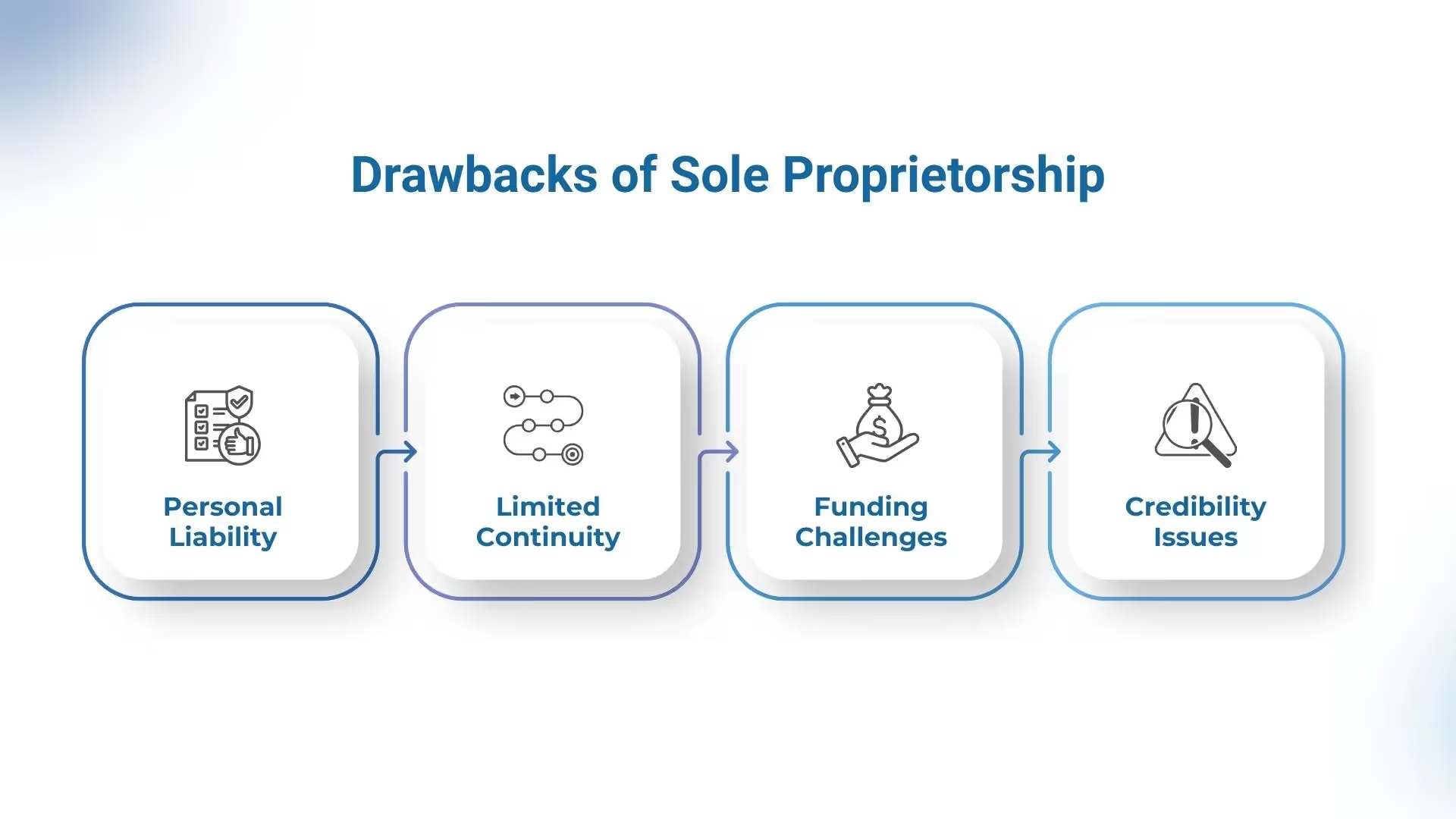
有効な身分証明書を持つ18歳以上のインド国民であれば、誰でも個人事業主として開業できます。職業やスキルに関する制限はないため、商店主や家庭教師から、Web開発者やデジタルマーケターまで、幅広い職種の方が利用可能です。
主な資格要件:
外国籍の方は、原則としてインドで個人事業主として登録することはできません。この事業形態はインド居住者向けに限定されており、非居住者にはインド法の下で厳しい制限が課されています。
ただし、インドとの関係性に基づき、以下のような区別があります:
海外インド市民(OCI)およびインド系外国人(PIO)は、インドでの事業運営が許可される場合がありますが、外国直接投資(FDI)政策で制限されている分野では運営できません。
多くの場合、インド市場に参入する外国の個人や企業は、FDI枠組みの下で非公開有限会社(Private Limited Company)またはLLPを設立します。これらのルートは産業国内取引促進局(DPIIT)の管轄下にあり、分野別の投資ルール、FEMA規制、および会社法を遵守する必要があります。
If you're based in the U.S. and planning to expand into India, it's advisable to choose a formal structure like a private limited company or LLP, both of which offer legal recognition, limited liability, and access to banking and regulatory systems.
For more details, check: Set Up a Company in India: Simplified Process for International Business Owners.
To establish and operate a sole proprietorship, you will need to furnish basic identification and address documents. These serve as proof of identity, business ownership, and operational legitimacy.
Documents may vary depending on the licenses and registrations you apply for.
Setting up a sole proprietorship doesn’t involve a central registration authority, but a combination of government-issued documents can establish your business identity.
Choose a name that reflects your services and is not already in use. While there's no formal name approval process, you should check for trademark availability if brand identity is a priority.
Here are the most common registrations needed:
Applicable to all businesses operating from a physical location. Issued by the local municipal authority or labor department. Banks often request this registration before they allow a current account to be opened in the business’s name.
Mandatory if your turnover exceeds ₹20 lakh (₹10 lakh in special category states), or if you're engaged in inter-state trade or e-commerce platforms. You can register for GST on the official website free of charge.
Even if your turnover is below the GST threshold, registering voluntarily allows you to collect GST from customers and claim input tax credit on your business expenses, which can reduce your overall tax burden.
The Udyam scheme supports micro, small, and medium enterprises by offering access to government subsidies, credit without collateral, and priority sector lending.
A sole proprietor becomes eligible for these benefits by registering under Udyam. The registration process is simple, free, and fully online through the official Udyam portal.
Some states require professional tax registration for individuals with employees or for self-employed professionals. Check the official websites of the respective state governments for up-to-date requirements and application processes.
Depending on the type of business activity, certain regulatory licenses may be required before you can begin operations.
Once you know which licenses apply to your business, begin the registration processes for them simultaneously to save time.
Most banks require at least one business registration (Shop Act, GST, or Udyam) as proof of business existence. Additional KYC requirements include PAN, Aadhaar, and address proof.
あわせて読みたい:インドでの法人登記のメリット
A sole proprietorship is taxed under the proprietor's income tax slab. You can opt for the presumptive taxation scheme under Section 44AD (traders) or 44ADA (professionals), simplifying accounting and lowering compliance effort.
Tax Obligations:
監査は必須ではありませんが、売上高が以下を超える場合は必要です:
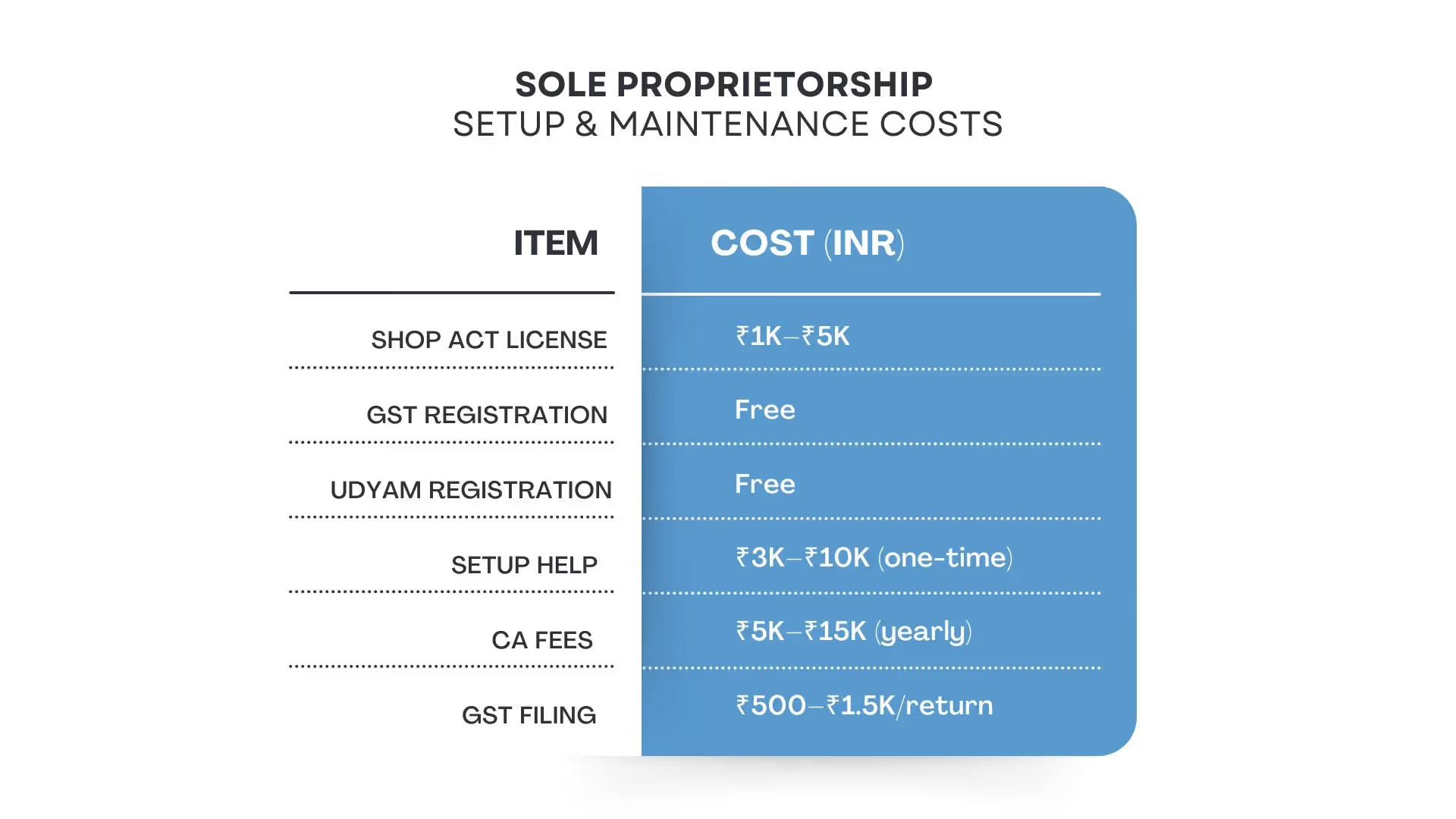
個人事業主の設立費用は低額ですが、コンプライアンスや専門家への依頼に伴う経常的な費用が発生します。
あわせて読みたい:インドで会社設立を成功させるための10のヒント
個人事業主は簡単に始められますが、いくつかの制限もあります。ここでは、よくある課題とその対処法を紹介します。
個人事業主は、小規模から独立してビジネスを始めたい方に最適です。最小限の書類手続きで迅速に市場参入が可能です。ただし、コンプライアンスを遵守し信用を維持するためには、関連法規への登録、適切な会計管理、そして将来の成長を見据えた計画が必要です。事業が拡大しリスクが高まった段階で、LLPや非公開会社といったより組織化された形態への移行を検討してください。
インドでのビジネスチャンスを模索されている企業に対し、VJM Globalは設立プロセスを簡素化する専門的なサポートを提供しています。個人事業主としての設立から、より大きな組織形態の構築まで、当社のチームがインドの規制への完全な準拠を保証し、お客様の市場目標に合わせたガイダンスを提供します。
VJM Globalまでお問い合わせください。インドでのビジネス立ち上げを、スムーズかつコンプライアンスに準拠した、将来を見据えたものにするお手伝いをいたします。

.avif)


